Every March, before the leaves come out, a friend from church walks out to the old bushes along her back fence with a pair of loppers. She’s 73, and she has the best garden of anyone I know.
One spring, I watched her cut a few thick, gray branches down to the ground and then stop. Most of the bush was still standing.
“Aren’t you going to do the rest?” I asked.
“Not this year,” she said. “I take a third. If I cut it all, I’d have nothing to look at this summer.”
I’ve thought about that answer more than she’ll ever know. It’s how I’m finally clearing our attic.
What Gardeners Mean by the One-Third Rule
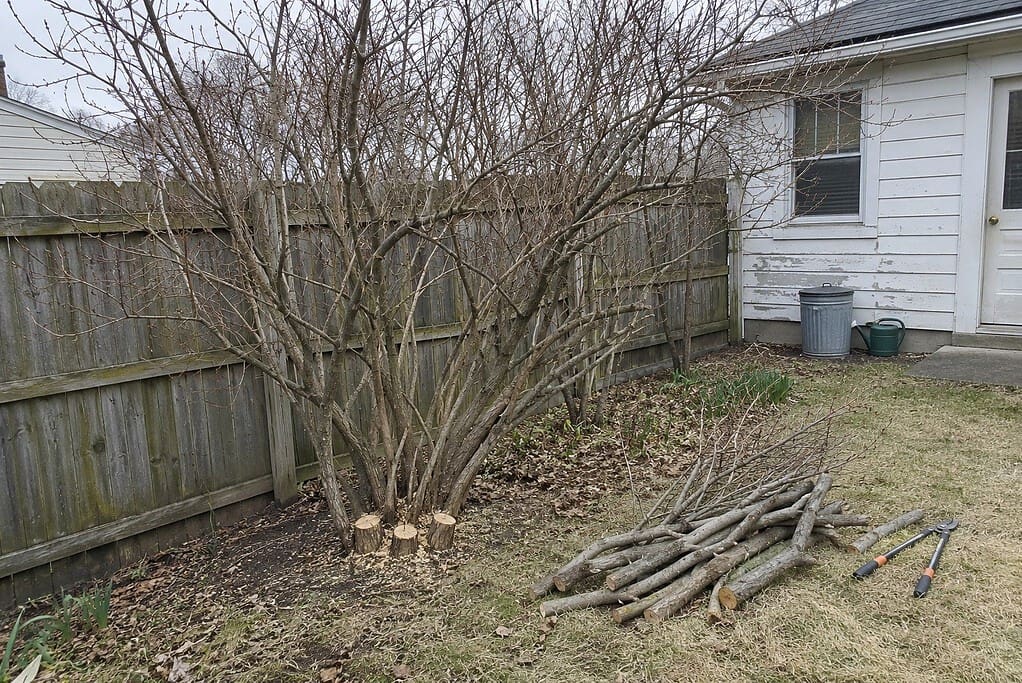
Gardeners call this renewal pruning. Iowa State University’s garden experts explain it simply: in late winter or early spring, you cut about a third of the oldest, biggest stems down at the ground.
The next year, you take out half of the old stems that are left. The year after that, you take out the rest. (They say it works well on bushes like lilac and forsythia.)
By the end of three years, the whole bush is fresh and healthy again. But it never looks bare, and the gardener never has to do it all in one tiring day.
Clemson University’s garden experts describe the same three-year plan. Old wood goes a little at a time, while the new growth fills in.
Why a Third Is Enough
When I first started decluttering, I thought I had to finish a room all at once. So I’d start big, get tired by lunch and leave a bigger mess than I started with.
A third is different. It’s small enough to finish, but big enough to see. You still live in your home the whole time, and it still looks like your home.
It also gives you time to get used to the space. After I clear a third of something, I notice how much easier it is to use. That makes the next third feel easier to let go of.