
Sixty-one sympathy cards came to our house in the weeks after my mother passed.
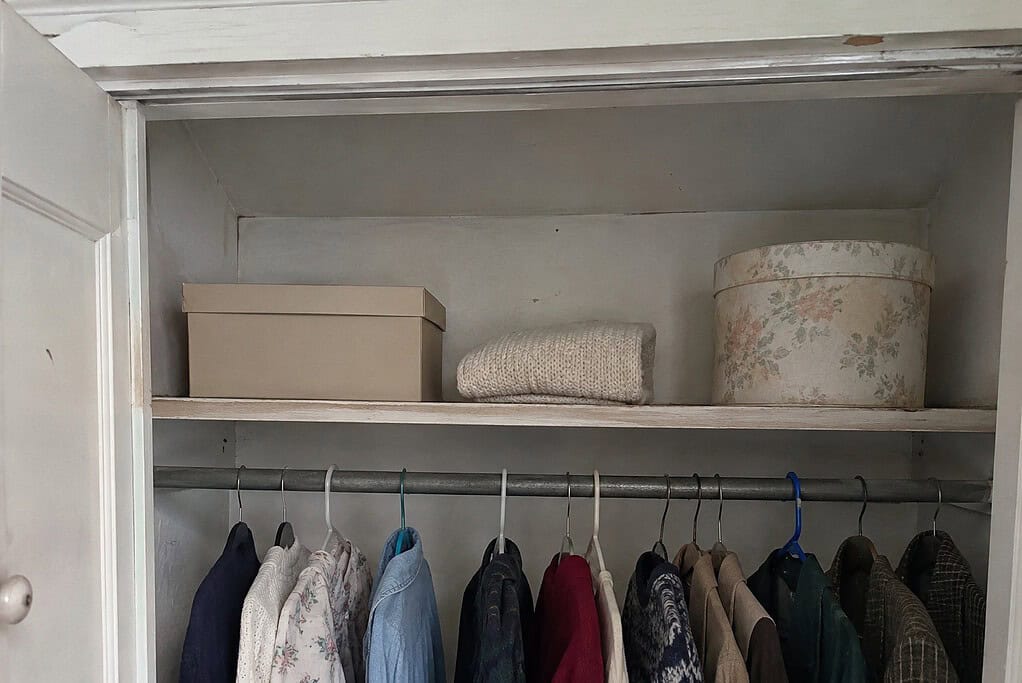
I know the number because I finally counted them this past January, more than two years later. They had been sitting in a shoebox on the top shelf of my bedroom closet the whole time.
I couldn’t throw them away, and I couldn’t read them. So they waited. If you have a box like that, this is what I did with mine, and what I’d tell you if you asked.
Why Sympathy Cards Are So Hard to Sort
Sympathy cards aren’t like birthday cards. They came during the worst weeks of your life, from people who loved you or loved the person you lost. (For everyday cards, my post on decluttering greeting cards and thank-you notes is a good place to start.)
Throwing one away can feel like throwing away their kindness. Or worse, like throwing away a little piece of the person who passed.
That’s why so many of us keep every single one. But a box of cards you can’t bear to open isn’t really helping you remember. It’s just sitting there, heavy on the shelf and heavy on your heart.
I’ve written before about letters and cards from someone you’ve lost, like the box of Mom’s own letters.
Sympathy cards are a little different. They aren’t from her. They’re about her, from everyone else.
You Don’t Have to Do It Right Away
There is no deadline for sympathy cards. I waited more than two years, and that was fine.
In the first weeks, all I did was open each card, read it once and put it in the shoebox. (Some days, I only opened the envelopes and saved the reading for later.)
If you’re still in the early months, it’s okay to stop right there. Put the cards in one box, write the name and the year on the lid and set it somewhere safe.