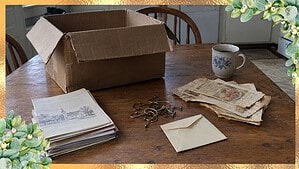
The box on the shelf in my mother’s basement said “Misc” in black marker, and nothing else.
Inside, I found a bag of old keys, a church directory from 1979 and a broken watch band. There was a receipt for a refrigerator she’d replaced years before. At the very bottom, in a plain envelope, were two savings bonds.
It took me most of an hour to sort that one box. Two things in it mattered, and the rest could go. But only my mother could have told me which was which, and by then I couldn’t ask her.
I thought about that box a lot after we emptied her house. The big furniture went fast. What slowed us down were the things nobody but Mom could explain.
So this fall, I walked through my own house with one question in mind. Would my kids know what this is?
I’m 64, and I plan to be here a long time. (At least, that’s my plan.) I’m not clearing my house because I’m leaving. I’m clearing the things that would only confuse my kids someday. Most of these jobs make my life easier right now, too.
This isn’t a list of the things you love. Keep those, and use them every day. These are 30 small jobs to declutter so your kids don’t have to. They’re the mystery boxes, hidden things and loose ends that only you can sort.
How I’m Working Through This List
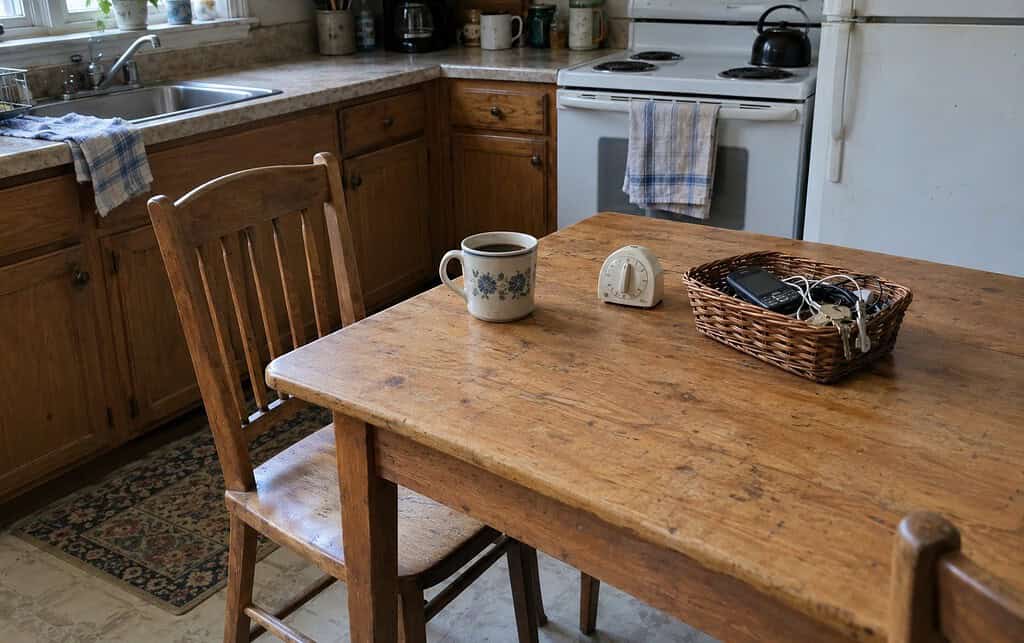
I do one or two of these a week, sitting at my kitchen table with a cup of coffee. Most take less than fifteen minutes.
A few need a phone call or a trip across town. I save those for a day when I feel good.
You don’t have to go in order. Start with whichever one made you think, “Oh, I have one of those.”
The Things Only You Can Name
1. The Boxes Marked “Misc”
We had two of them in the attic, both labeled in my own handwriting. (Past me thought “Misc” was a fine label. It was not.)
My grandson carried them down, and I sorted them at the kitchen table. One held old church bulletins and curtain hooks. The other held my old recipe clippings, and I kept a few.
The rest went in the trash or the donation tote. What was left got a new box with a real label.
2. The Cord Drawer
We had a drawer full of cords and chargers, and I couldn’t name half of them. My kids would have no idea at all.
So I matched each cord to something we still own. If nothing matched, it went in a bag for electronics recycling. Many stores that sell electronics will take old cords and chargers.
3. Old Phones and Computers
Our old phones and an old laptop were sitting in a desk drawer. Some of them still had family photos on them.
My daughter helped me copy the photos we wanted. Then she erased each one before it went to recycling. I wrote more about this in my post on what to do with old computers and phones.
4. Slides, Film and Old Tapes
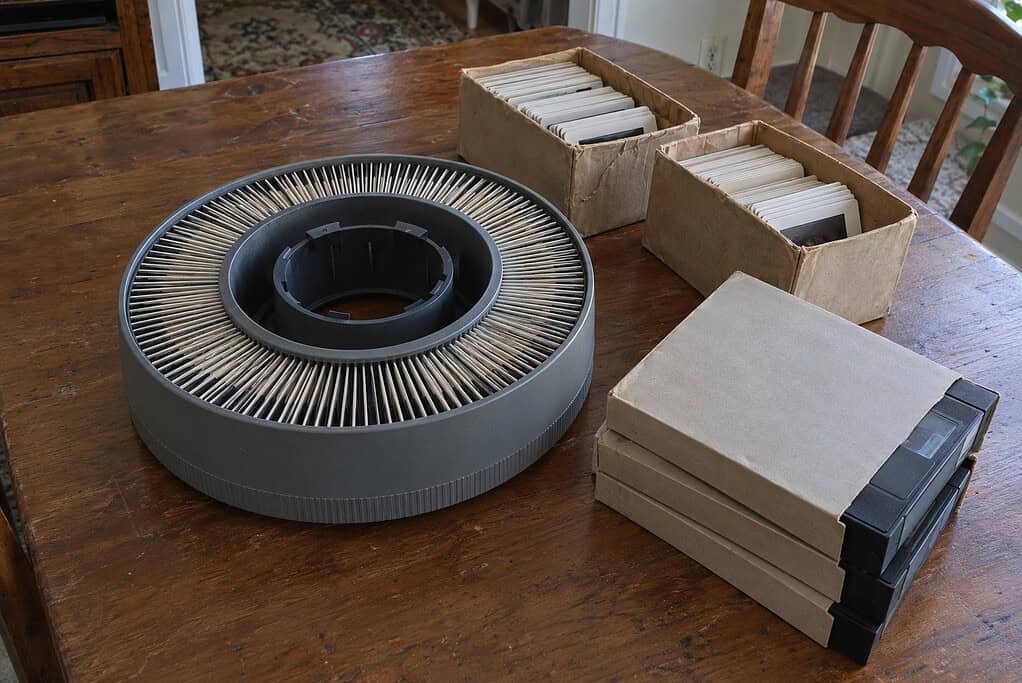
Only you know who is in those old home movies and slides. Your kids may not even have a way to play them.
Pick the few that matter most and have them copied. Some libraries have machines you can use for free, and many photo shops will do it for a fee. Old tapes and film fade over time, so this job is worth doing sooner rather than later.
5. Your Own Childhood Things
I still had my old report cards, my high school yearbooks and a doll with one shoe. They meant something to me, but they’d mean nothing to my kids.
I kept one small box of my favorites. I looked through the rest one last time, smiled, and let them go.
The Things Hidden Away
6. Money Tucked in Odd Places
My mother hid twenties all over her house. We kept finding them for days after she passed.
If you tuck money away too, gather it up now. Or tell one person you trust where it is.
7. Gift Cards and Uncashed Checks
I found three gift cards in my kitchen drawer, and one still had forty dollars on it. Under federal law, most gift cards can’t expire for at least five years after they’re bought or last loaded.
So use them, or give them to someone who will. If you find old checks, cash the good ones and shred the rest.
8. The Safe Deposit Box
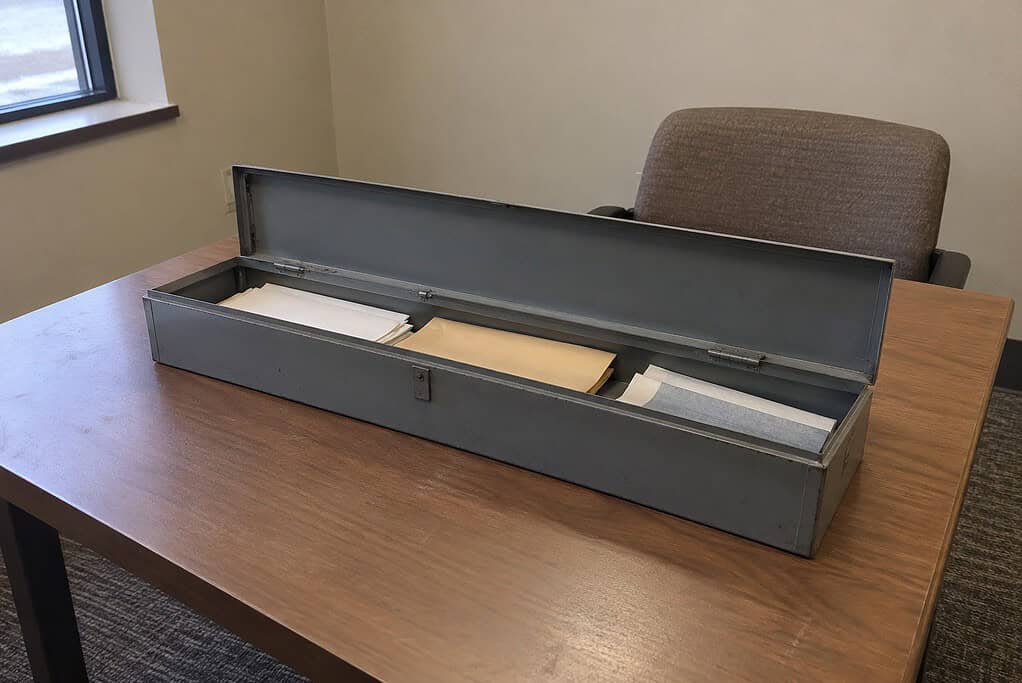
If you have a safe deposit box, look inside once in a while. Many people forget what’s in there.
The things in the box aren’t covered by FDIC insurance, so keep a list of what’s inside at home. Make sure someone you trust knows where the key is. If you don’t need the box anymore, closing it saves the yearly fee.
9. Old Savings Bonds
The two bonds in Mom’s “Misc” box were old enough that they’d stopped earning interest. Most savings bonds stop earning interest after 30 years.
If you have old paper bonds in a drawer, look at the date on each one. If a paper bond has been lost or destroyed, TreasuryDirect, the government’s savings bond website, explains how to file a claim.
10. The Private Drawer
Most of us have a drawer of things we never meant for anyone else to read. For me, it was my old diaries and some letters friends had written me in confidence.
This fall, I kept one happy diary and shredded the letters. Now nobody will have to wonder whether they should read them.
The Things Kids Can’t Just Throw Away
11. Old Cleaners, Bug Spray and Garden Chemicals
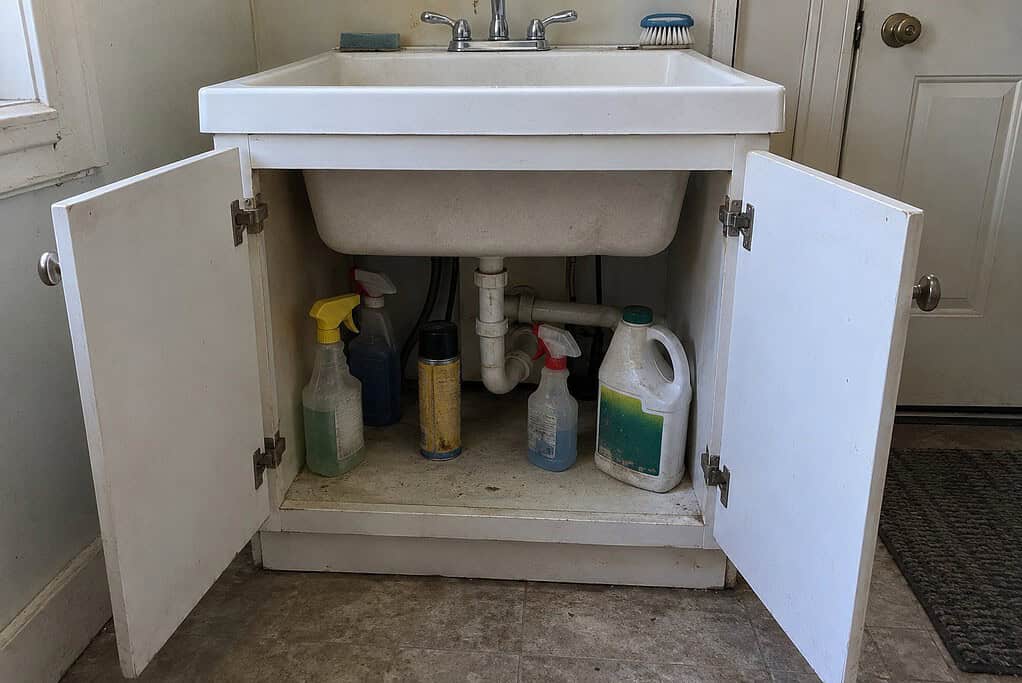
Under my laundry room sink, I found cleaners I’d stopped using years ago. Some of these products shouldn’t go in the trash or down the drain.
Many towns hold household hazardous waste collection days. Call your town or county to find out when and where. Then you can clear them all in one trip.
12. Old Medicine
Old pill bottles have your name and personal information on them. Old medicine is also risky to keep around when grandkids visit.
Many pharmacies have a drop-off box for old medicine. I shared more in my post on what to do with old medications.
13. A Mercury Thermometer
If you have an old glass thermometer with silver liquid inside, that silver is mercury. It should never go in the trash, because it can break and let out harmful vapors.
Take it to a household hazardous waste collection site. (If the liquid is red or blue, it isn’t mercury.)
14. Old TVs and Computer Monitors
Old TVs are heavy, and many trash services won’t take them. That makes them a real headache for someone else to move.
Call your town about electronics recycling. Some stores and recycling events take them, and some charge a small fee.
15. Guns and Ammunition
If there are guns in your house, make sure someone you trust knows where they are and how they’re stored. Write down where any keys or lock codes are kept.
The rules for passing guns on are different from state to state. If you have questions, your local police department or a lawyer can tell you how it works where you live.
The Things That Might Be Worth Something
16. Real Jewelry Mixed In With Costume Jewelry
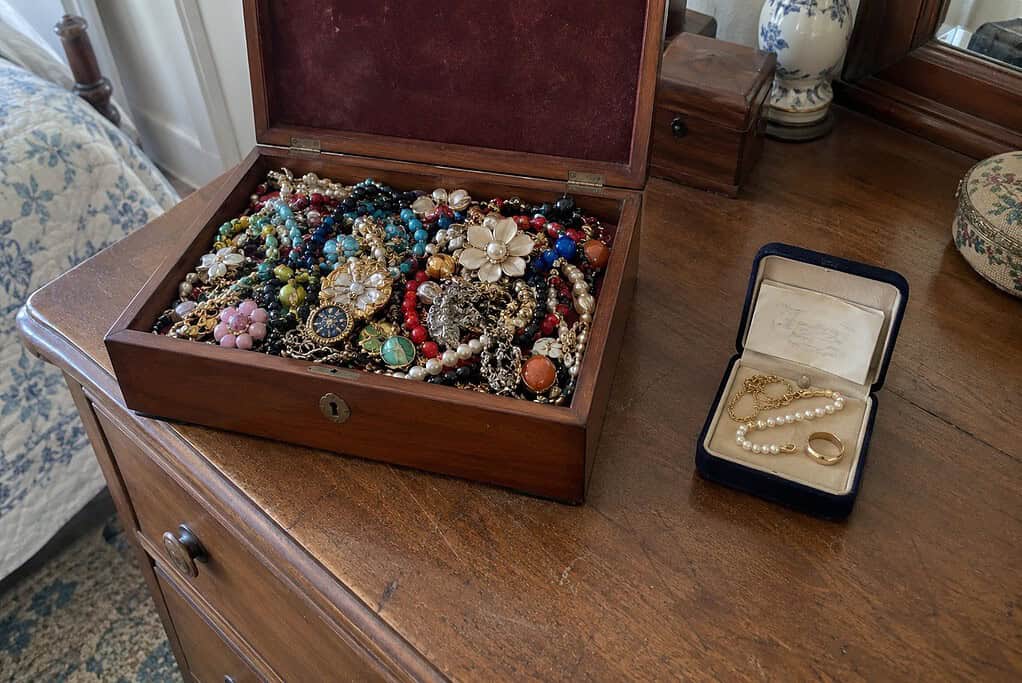
Most of us have a jewelry box with a few real pieces mixed in with the fun ones. Your kids may not be able to tell them apart.
I put my few real pieces in one small box and wrote a note about each one. I shared how I sorted my mother’s jewelry box in my post on what to do with inherited costume jewelry.
17. The Pieces You Think Are Valuable
If you think something is worth money, write down what you know. Where it came from, what you paid for it, and any papers that go with it.
Even better, find out what it’s worth now. I learned a lot about what really sells in my post on what’s worth selling when decluttering.
18. Collections
I had nineteen little Boyds Bears on a shelf in the spare room. This fall, I kept my three favorites and sold the rest to a woman who collects them.
Deciding what happens to a collection is easier for you than for anyone else. You know which pieces you love and which ones you just kept buying.
19. Military Papers and Medals
If anyone in your family served, keep their discharge papers with your important papers. This paper is often called a DD-214.
It helps families arrange veterans’ burial benefits. You can ask the National Archives for a copy, but it can take time. So it helps to know where the original is.
20. Boxes From Your Own Parents’ House
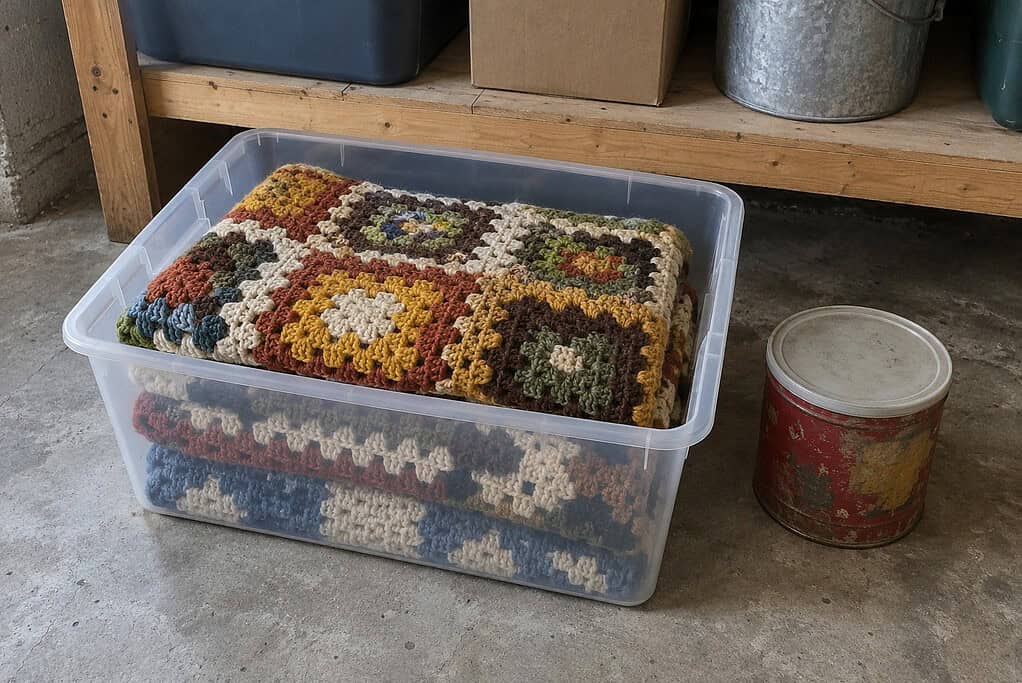
When we cleared Mom’s house, I brought home more than I meant to. A tub of afghans, a coffee can of Dad’s coins and her fur coats in a garment bag.
Each one sat in my house for years before I was ready. (I wrote about emptying her house in my post on how to clear out a parent’s house.)
If you have boxes from your parents’ house, go through them now. That way, your kids won’t have two houses to sort.
The Big, Heavy Things
21. The Extra Freezer
We had a chest freezer in the basement that we bought when the kids were teenagers. Most of the year, it was half empty.
This year, we let it go. A full freezer is a hard job for anyone to empty and move, so it’s worth deciding about now.
22. Furniture Nobody Has Asked For
This fall, I asked each of my kids about the big pieces in our house. Most of the answers were “No, thank you,” and that was fine.
My rocking chair went to a young couple at church who are expecting their first baby. It sits by a window in the baby’s room now.
23. Leftover Building Supplies
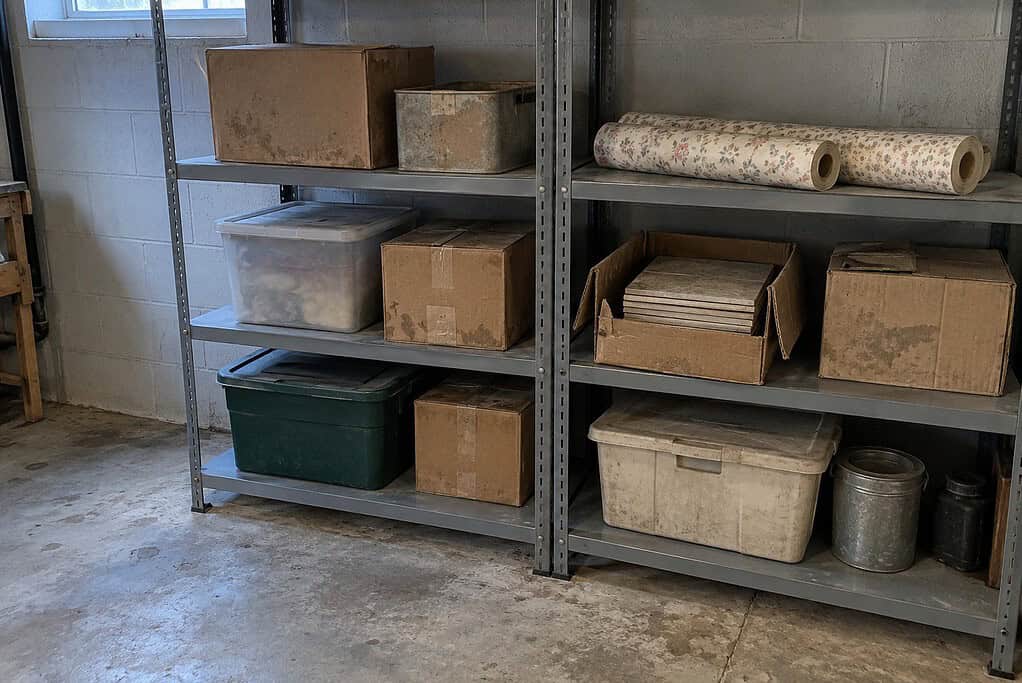
In our basement, it was a few boxes of floor tile and two half rolls of wallpaper. They were left over from rooms we redid years ago.
I kept one small labeled box of tile, in case a floor ever needs a patch. The wallpaper went in the trash, and the extra tile went to our Habitat for Humanity ReStore.
24. Holiday Boxes You Never Open
We had a box of lights that sat unopened on the hall closet shelf for four years. When I finally opened it, only one string still worked.
Before you decorate this year, open every box. Keep what you use, and let the rest go to someone who will.
25. Things You’re Storing for Someone Else
My oldest had camping gear in our garage for years. I finally asked, and they came and picked it up the next weekend.
If you’re keeping something for a grown child, a sibling or a friend, send a kind text. Give them a date to pick it up.
The Notes Only You Can Write
26. The Story Behind Your Special Things
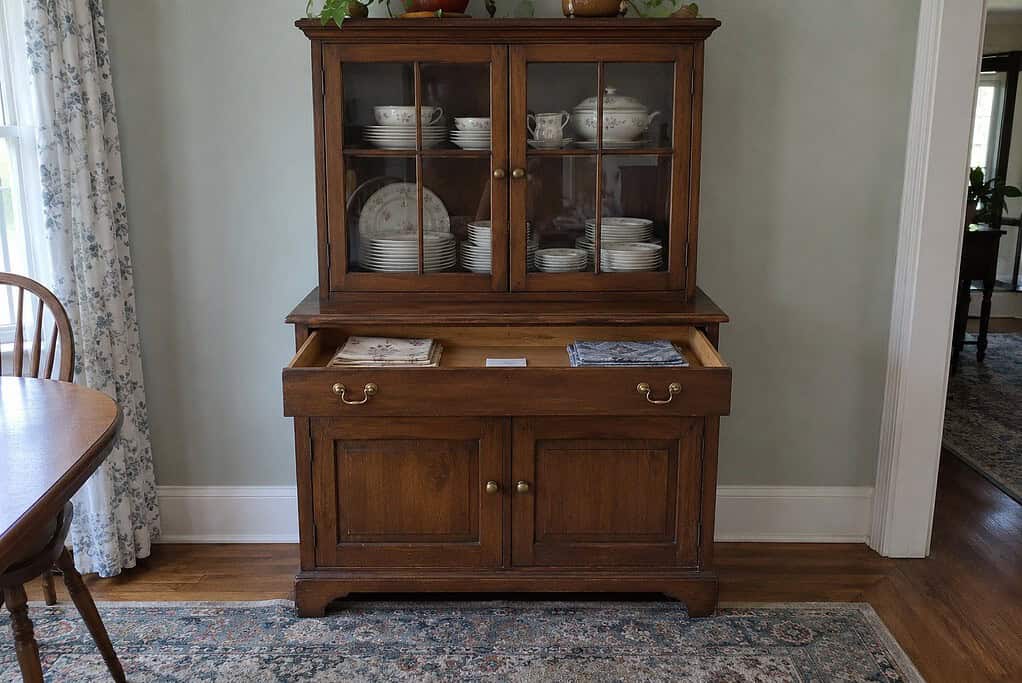
Mom’s good china lives in our dining room hutch, and I use it on Sunday mornings. I taped a note in the top drawer that tells my kids they don’t have to keep it.
For the things you love, write a short note with the story. Who made it, where it came from, and why it matters to you.
27. Who Would Like What
I finally asked my kids what they’d like from this house someday. Their answers surprised me.
I wrote everything down, so nobody has to guess. I shared how I asked them in my post on what kids want to inherit.
28. Your Phone Passcode
So many of our photos live on our phones now. If nobody can unlock your phone, those photos can be very hard to get back.
On an iPhone, you can name a Legacy Contact who can get to your photos and files after you pass. Some other phone companies have a similar setting. I wrote about this in my post on digital death cleaning.
29. Names on the Backs of Old Photos
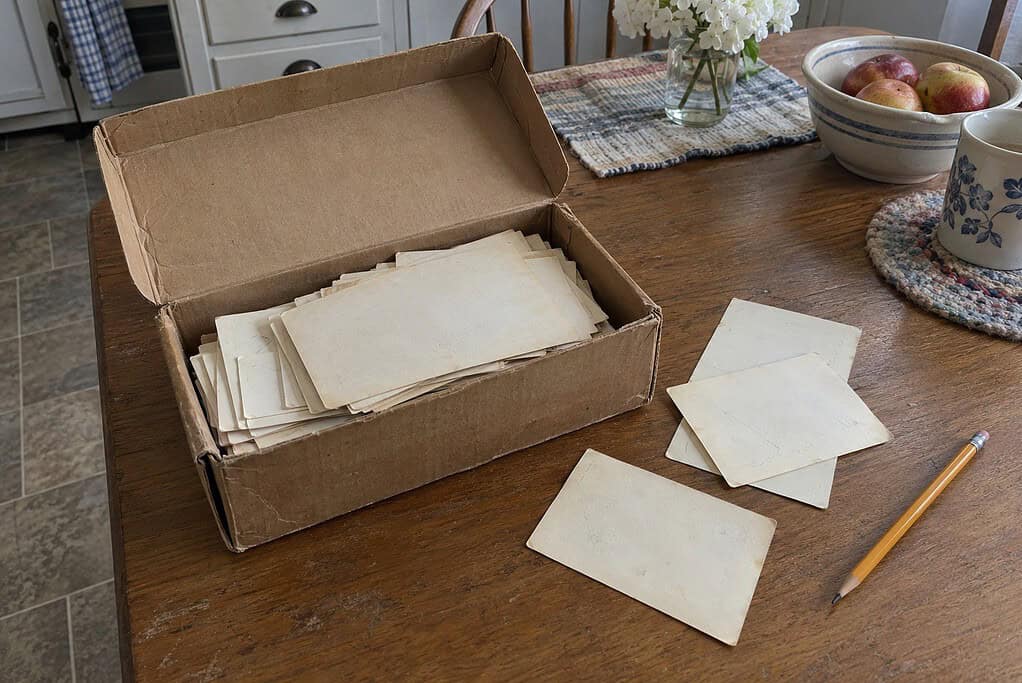
I have a shoebox of photos with faces only I can name. Some of the people in them are my mother’s friends, and nobody else alive knows who they are.
Write the names lightly in pencil on the back of each photo. Even a first name and a year helps.
30. Where Everything Is
This last one ties the whole list together. I wrote one page that tells my kids where to find the important things.
It says where our important papers folder is, where the spare key is and who to call first. I keep it in the folder and told each of my kids where it is.
What My Kids Will Find Someday
When I’m done with this list, my house will still be full of things. My mother’s recipe box, my books, the good china and a basket of board books for the little ones.
My kids will still have things to sort someday. But they won’t have to guess.
And I’ll tell you a secret. Most of these jobs made my house easier to live in today. I know where everything is, and I don’t have a “Misc” box waiting for me in the attic anymore.
That’s a kindness I gave to my kids, and to myself.
Start With One Small Job

You don’t have to do all 30. Pick one this week, and give it fifteen minutes.
My free Declutter for Self Care Checklist breaks your home into small, gentle jobs, one spot at a time. It’s a nice way to keep going once you’ve cleared the mystery boxes.
Frequently Asked Questions
What should I declutter so my kids don’t have to?
Start with the things only you can explain. That includes boxes marked “Misc,” old cords, hidden money and gift cards. It also includes savings bonds, old medicine and private papers you don’t want anyone else to read. Then write down the stories behind the things you love.
How do I start decluttering for my kids without feeling sad?
Start with the easy jobs, like the cord drawer or old cleaners under the sink. Do one small job at a time and stop while you still feel fine. Remember that you’re not getting rid of the things you love, only the things that would confuse your family.
What household items can’t go in the trash?
Many old cleaners, bug sprays, garden chemicals and mercury thermometers should go to a household hazardous waste collection site. Old TVs and computers often need electronics recycling. Call your town or county to find out what they take and when.
How do I find old savings bonds?
Look through desks, safes and safe deposit boxes for paper bonds. Most savings bonds stop earning interest after 30 years. If a bond has been lost or destroyed, TreasuryDirect explains how to file a claim.
Should I ask my kids what they want before I declutter?
Yes, it helps a lot. Ask each child on their own, and tell them “no” is a fine answer. Write down what they say, so nobody has to guess later.
Follow me elsewhere!

