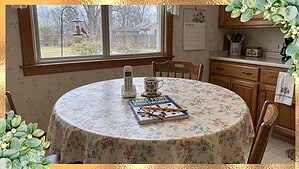
Every morning at nine, I called my mother.
It started the year after Dad passed.
She lived alone in the house she’d kept for forty years, and I lived a drive away. (She said the calls were for me. She was right.)
Most mornings, she picked up on the second ring. She’d tell me about her crossword, or the weather, or the cardinal at her bird feeder.
One morning in March, she didn’t pick up.
I called again. And again. Then I got in the car.
The whole way over, I thought about her house.
The stairs to the basement. The boxes in the hall. The little rug by the back door.
She was fine. She was out in the backyard, filling that bird feeder, and her phone was on the kitchen counter.
But I sat in her driveway for a minute before I went in. My hands were shaking.
That morning changed how we looked at her house. When you live alone, clutter is about more than how a room looks. It’s about who can get to you, who can help you decide, and who knows where things are if you can’t tell them.
So if you’re decluttering after 70 and living alone, or you love someone who is, this is what my mother and I learned together.
Why Living Alone Changes the Job
When two people share a house, a lot of small things get done without anyone thinking about them.
One person notices the pile on the stairs. The other one holds the ladder.
Someone says, “Do we really need three of these?” And if one of you falls, the other one is right there.
When you live alone, all of that is up to you.
My mother was smart and strong-willed. She did not like to ask for help.
But even she couldn’t see her own piles, hold her own ladder, and answer her own phone from the basement. (We all get clutter blindness in our own homes.)
About one in four adults over 65 falls each year, according to the CDC. And a fall makes another fall more likely.
I’m not telling you that to scare you. I’m telling you because clutter is one of the few things in that picture we can change.
One of you told me you pulled a muscle in your back just from bending over to fill bags. When you live alone, a day like that is even harder.
So the goal isn’t a perfect house. The goal is a house that looks after you when nobody else is there.
Clear the Way In, Not Just the Way Around
Most safety advice is about the path you walk every day. I wrote about that path, from your bed to your bathroom, in my post on decluttering for women over 80.
Living alone adds one more path. It’s the way in for the people who would come to help you.
Make Sure the Front Door Opens All the Way
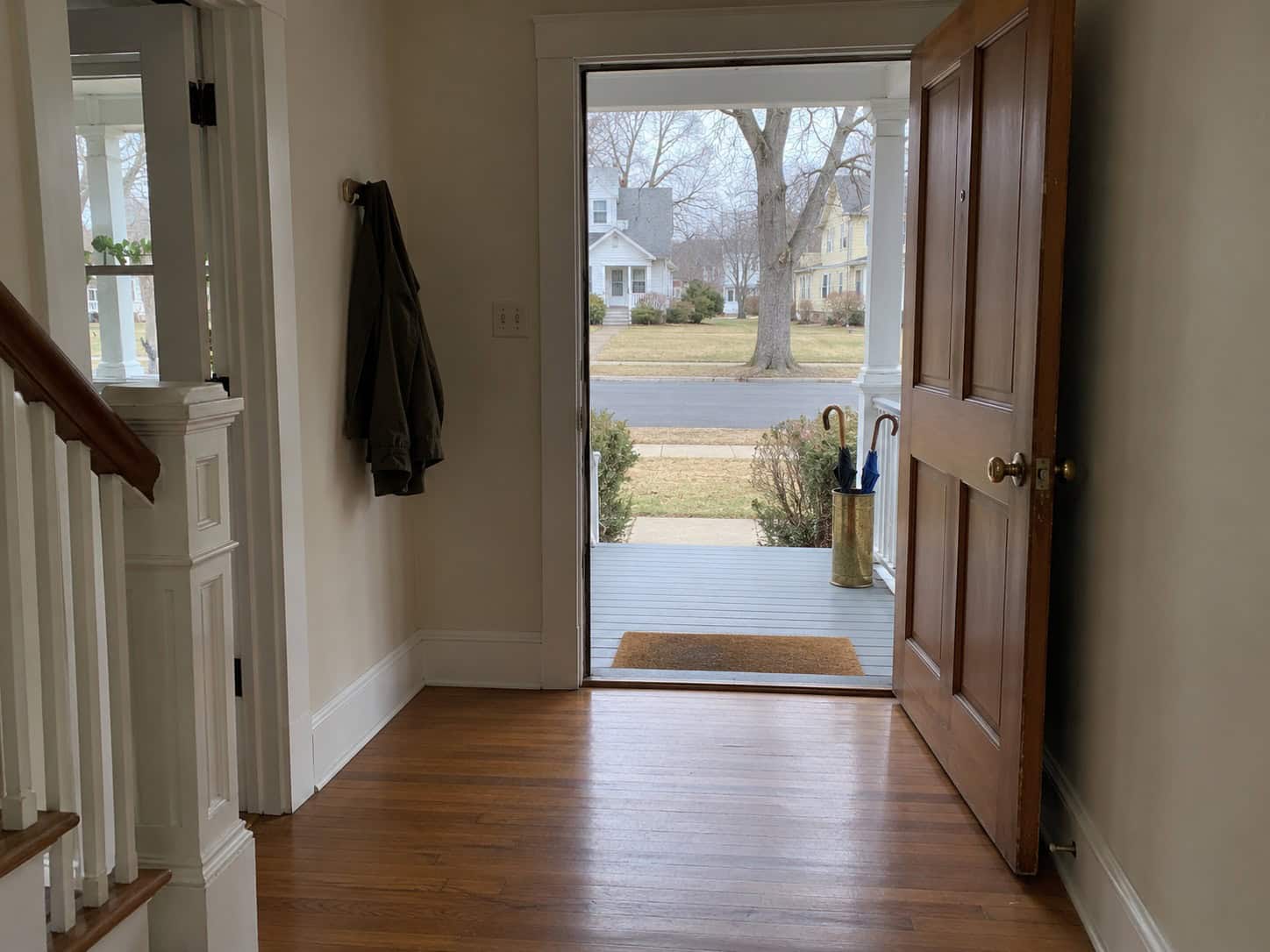
Go to your front door and open it as wide as it will go.
My mother’s front door only opened about halfway. Behind it sat a box of old magazines, a stack of shoes, and an umbrella stand she’d had since I was little.
If someone ever had to come in fast, with a stretcher, they’d have had to push all of that out of the way first.
We moved the box and the shoes that same day. The umbrella stand went to the porch. (She grumbled, but she kept the umbrella stand.)
Keep a Wide Path to Your Bedroom
Now walk from the front door to your bedroom. Could two people walk side by side the whole way?
That’s about how much room helpers need. Look for chairs that stick out, baskets on the floor, and anything stacked along a hallway wall.
You don’t have to empty the hallway. You just have to keep it wide.
Put Your Medical Information Where Helpers Look
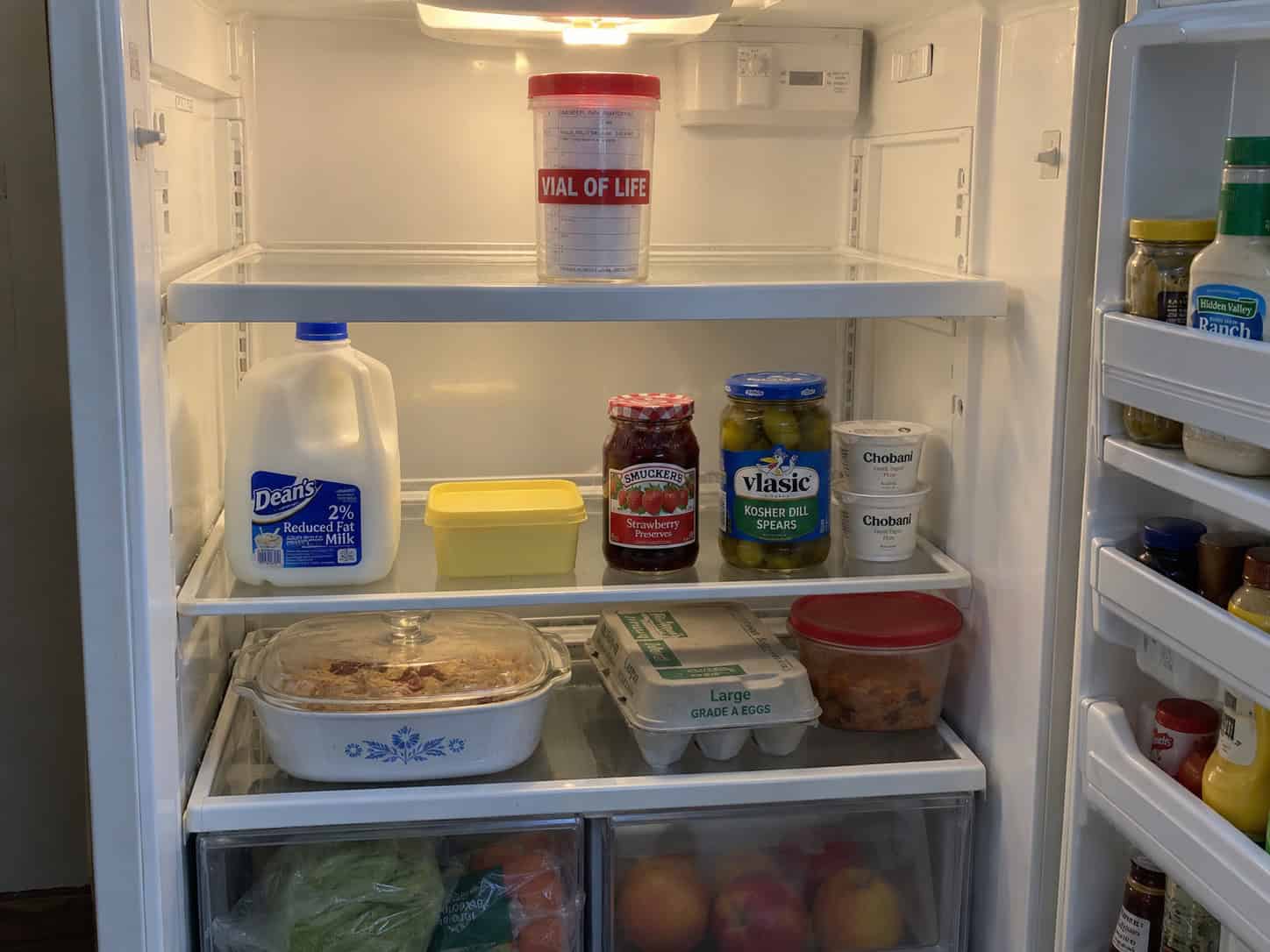
Many fire departments and senior centers give out a free kit called the Vial of Life. You fill out a short form with your medicines, your allergies, your doctor’s name, and who to call.
The form goes in a little container in your refrigerator. A sticker goes on your front door so helpers know to look in the fridge.
I helped my mother fill hers out at the kitchen table. Then we cleared off the top shelf of her fridge so the container wouldn’t get lost behind old jars of jelly.
That one shelf was the most important thing we decluttered all year.
Give a Spare Key to Someone You Trust
This isn’t clutter, but it belongs here. If no one can get in, a clear house can’t help you.
My mother gave a key to me and one to my sister. Some women give one to a close neighbor, or use a lockbox by the door.
Set Up a Daily Check-In
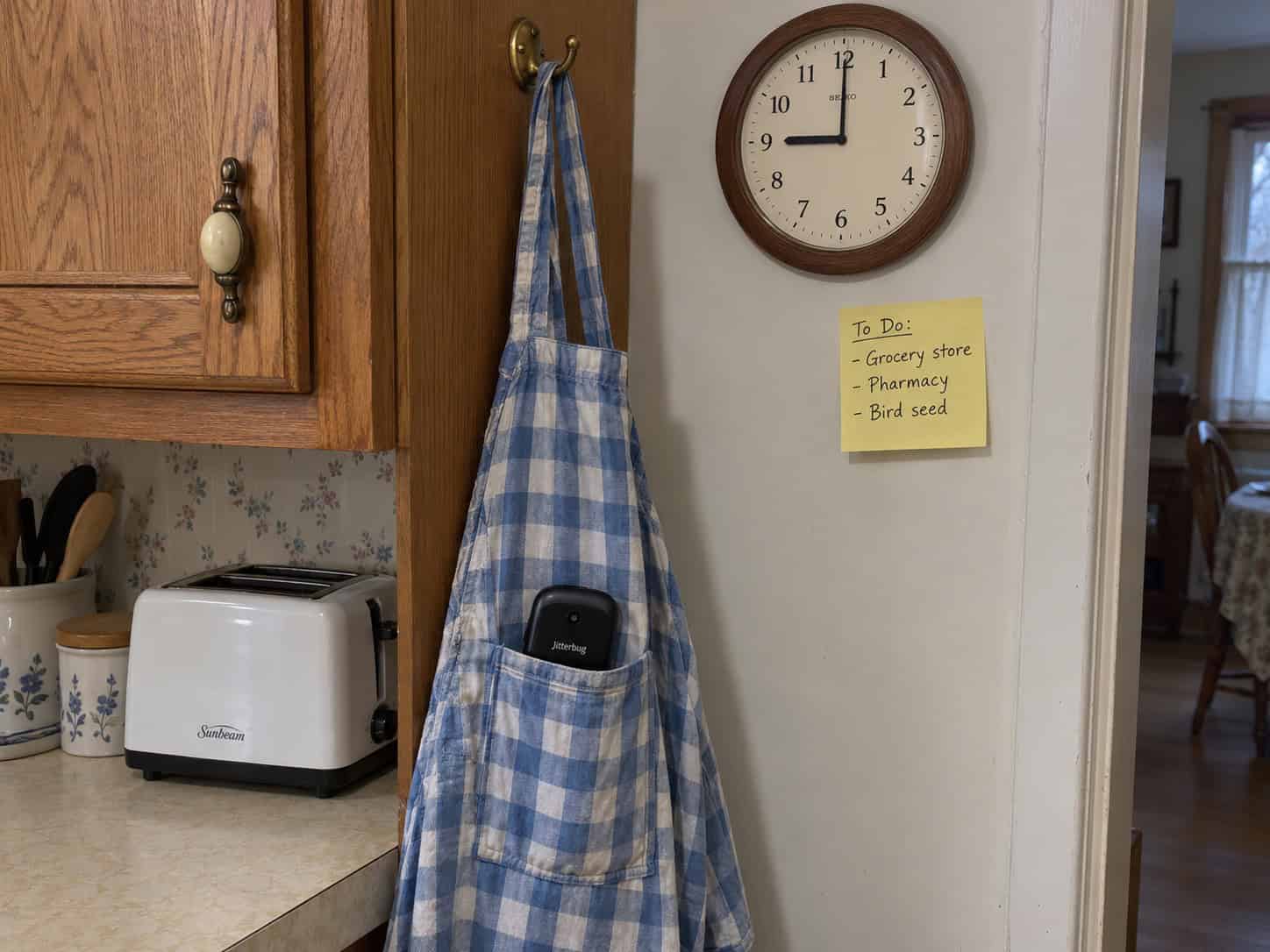
After that morning in March, my mother started keeping her phone in her apron pocket. And our nine o’clock call became a promise, not just a habit.
If she didn’t answer by nine thirty, I knew to call her neighbor.
If you don’t have family close by, you still have choices. Some sheriff’s offices run a free daily call for older adults who live alone. You get a call each morning, and if you don’t answer, they check on you.
Call your local sheriff’s office and ask if they have one. You can also call the Eldercare Locator at 1-800-677-1116, and they can tell you what help is near you.
A daily call won’t clear a single shelf. But it makes every job in this post safer, because someone always knows you’re okay.
When There’s No One to Ask “Should I Keep This?”
This was the part my mother missed the most.
For most of her life, she’d had my dad to ask.
“Do we still need this?” He’d shrug, or laugh, or say, “Let it go, honey.” Then the decision was made.
Alone, she’d pick something up, set it down, and pick it up again. Some days, a whole morning went by like that.
So we made a plan.
She Called Me About the Hard Ones
When she got stuck on something, she’d call me and describe it.
A punch bowl. A box of Dad’s ties. A stack of Christmas cards from 1987.
I’d ask her just two questions. “When did you last use it?” And, “If it broke today, would you buy it again?”
She usually knew the answer before I finished asking. She just needed to hear herself say it out loud to someone.
She Kept a Think-It-Over Basket
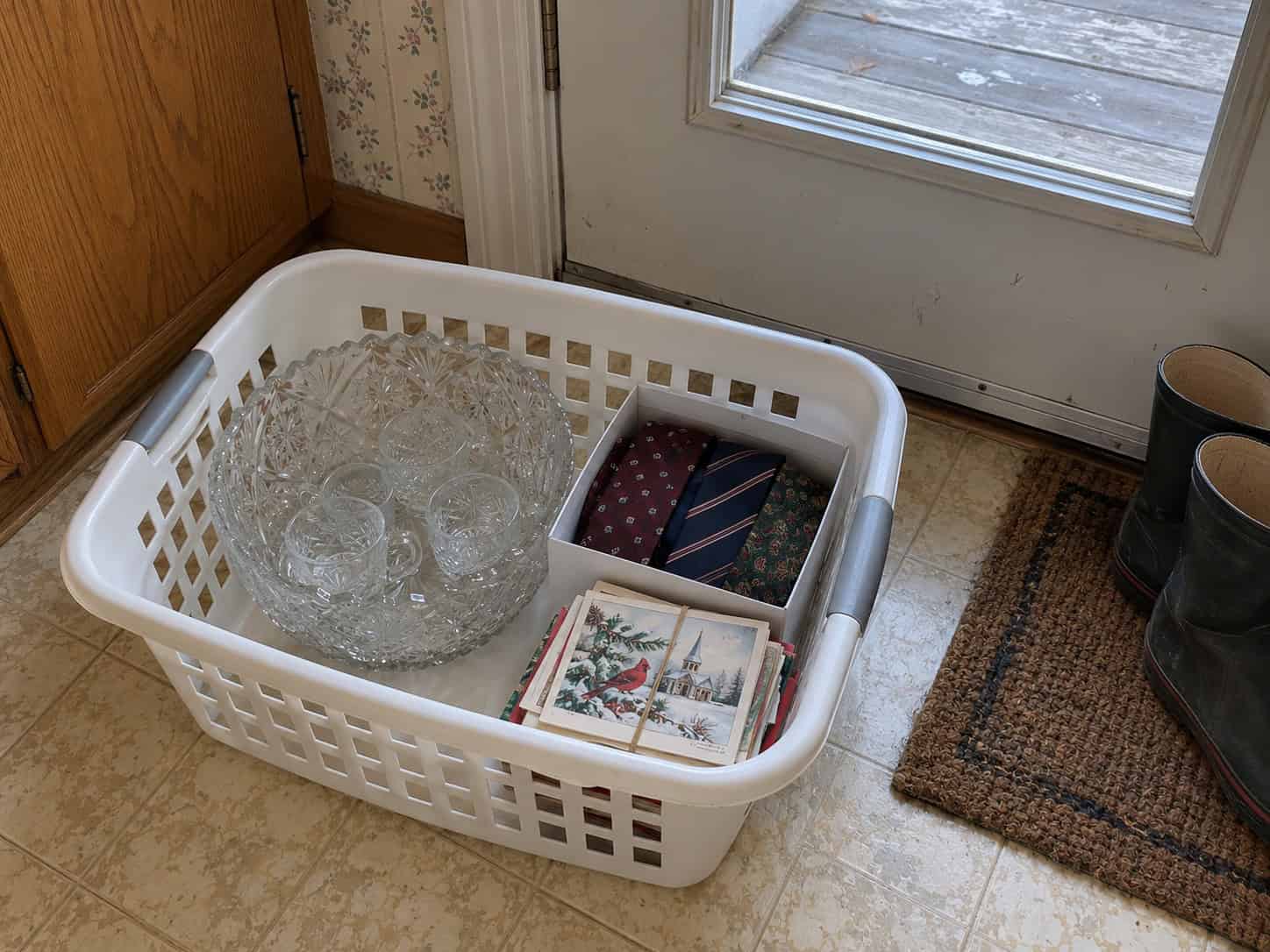
Some things she still couldn’t decide on. Those went into a laundry basket by the back door.
If she didn’t miss something in a month, it went to church or to the donation center. If she did miss it, she took it back out, no questions asked.
Most things stayed in the basket. She almost never missed them.
She Said Yes When People Offered
This was the hardest one for her. My mother thought asking for help meant she was a bother.
But a lot of you have told me the same thing. When someone offers to help, let them. A friend, a grandchild, a neighbor from church.
My mother finally did. And she found out that most people were glad to be asked.
A House Set Up for a Family, With Only One Person in It
I didn’t see this until I was standing in my mother’s kitchen with a garbage bag.
Her house was still set up for a family of five.
There were three bedrooms with made-up beds that nobody had slept in for years. There were enough towels for a whole houseful. The freezer in the basement was full of family-size packs of chicken and roasts she’d never cook for one.
None of that was wrong. It was a house built for the life she’d had.
But it was a lot to dust, a lot to wash, and a lot to carry up and down the stairs.
Keep What Fits the Life You Have Now
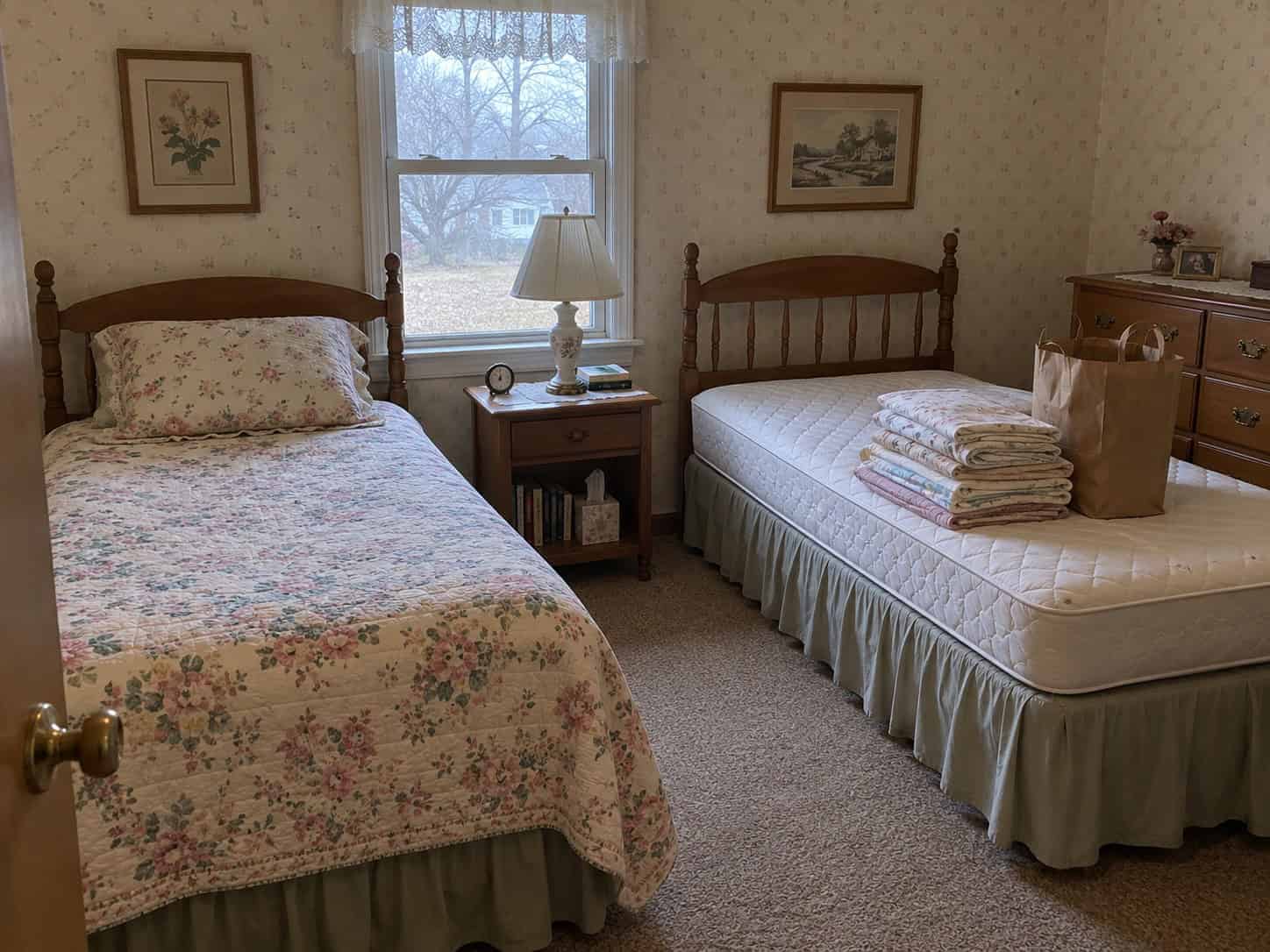
We didn’t empty those rooms. We just made the house fit her.
She kept one guest bed made up for visit days, because the family still stayed over on holidays. The other beds got stripped, and the extra sheets went to a shelter.
She kept enough towels for herself plus one guest. You can read how I sorted my own linen closet in my post on too many towels and sheets.
And she gave away the big freezer. A young family from her church came and carried it out for her, which is one of my favorite ways to get clutter out when you can’t carry it. (She made them take a pound cake, too.)
Bring Everyday Things Down to Waist Height
When nobody else is there to reach the top shelf, the top shelf should hold things you don’t need.
We moved her everyday dishes, her coffee, and her pills to the counters and middle shelves. Things she used once a year went up high, where only visitors would ever reach for them.
Some of you have told me you keep just enough dishes for yourself now, and a few sets of sheets. You say the house is so much easier to keep up. I believe you.
Write Down What Only You Know
My mother hid twenties all over her house. In books, in coat pockets, in the toe of an old boot.
She knew where every one of them was. Nobody else did.
When you live alone, you’re the only one who knows where things are.
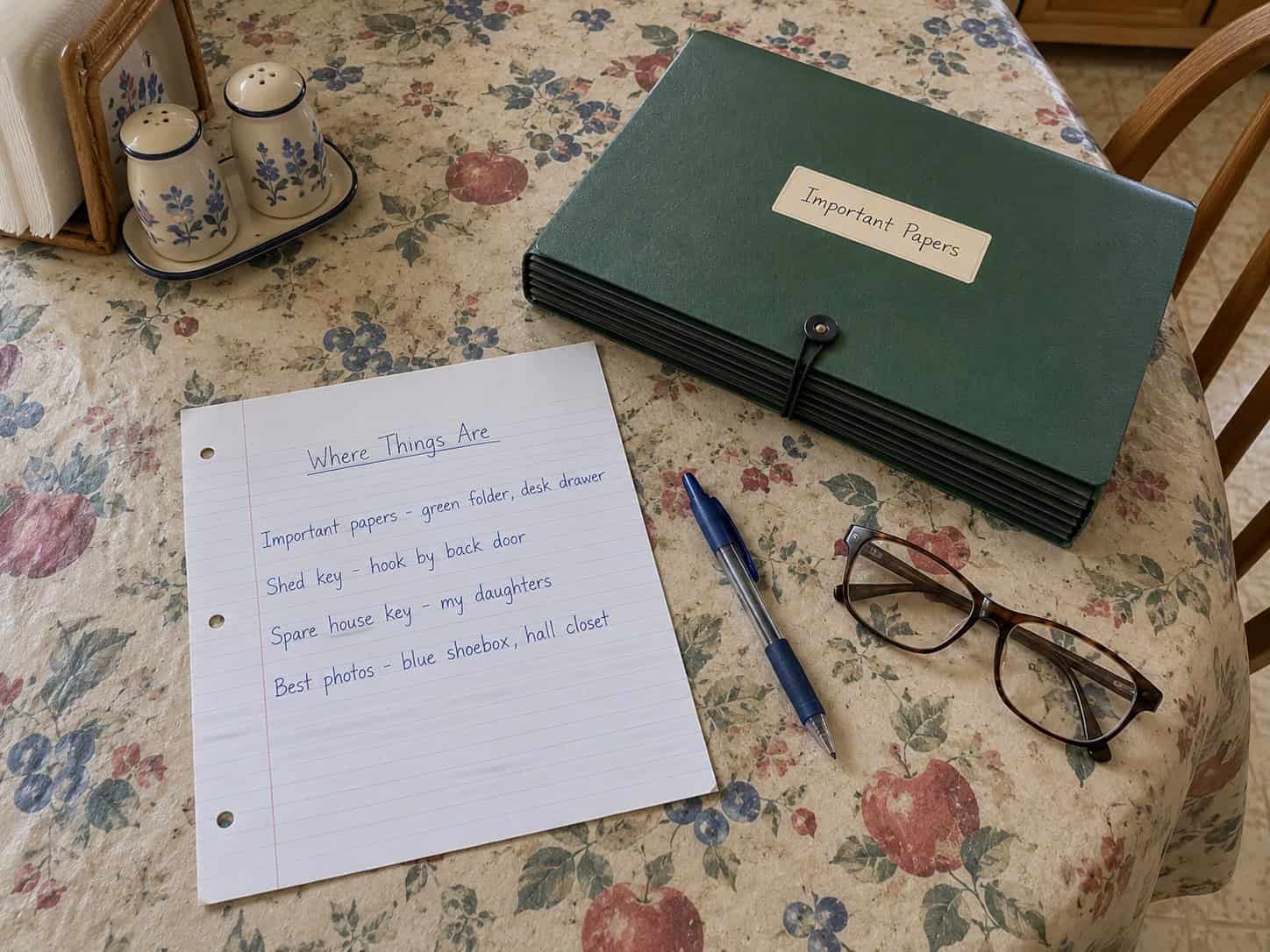
Where the important papers are kept. Which key opens the shed. Which shoebox has the photos you care about most.
So before you clear out a single drawer, write it down. One page is plenty.
My mother kept hers in her folder of important papers, and she told me and my sister where to find it. I shared how I set up our own folder in my post on how to stop hoarding paper.
(We still found twenties for months. She didn’t write them all down.)
Keep the Things That Keep You Company
Decluttering when you live alone doesn’t mean making your house empty.
Some things keep you company. My mother kept her crossword books by her chair, her yarn in a basket by the bed, and photos of every grandchild on the fridge.
None of those were clutter. They were what made the house feel like hers.
When you live alone, the house can feel empty some days. I wrote about that in my post on the things we keep when we’re lonely.
The answer isn’t to keep everything. It’s to keep the things that make you feel at home, and let the rest go to someone who needs it.
A Home That Looks After You
I still think about that morning in March. My mother at her bird feeder, not knowing I was halfway across town with my hands shaking on the wheel.
She lived on her own for years after that, in the house she loved. Not because her house was perfect. Because it was set up to look after her.
The door opened wide. The fridge held her health information.
Someone called her every morning. And the things that made her smile were right where she could see them.
You can do the same, one small job at a time. Start with your front door today. Open it all the way, and see what’s behind it.
If you’d like a gentle plan for the rest of the house, my guide on decluttering for women over 70 walks you through it room by room.
A Little Help for Your Next Small Step

Living alone means you get to decide what stays. That’s a good thing. It’s also a lot of work for one person.
My free Declutter for Self Care Checklist breaks your home into small, simple jobs you can do sitting down, so your house can take good care of you.
Frequently Asked Questions
How do I start decluttering after 70 if I live alone?
Start with safety, not with the hardest room. Make sure your front door opens all the way and there is a wide path to your bedroom. Then do one small job a day, sitting down, and save anything heavy or high for when someone can help.
What should I declutter first when I live alone?
Clear anything behind your front door, along your hallways, and on the floor near your bed and bathroom. Then clear a shelf in your refrigerator for your medical information. After that, move the things you use every day down to waist height.
What is the Vial of Life?
The Vial of Life is a free program that keeps your medical information in your refrigerator, where emergency helpers know to look. You fill out a form with your medicines, allergies, doctors, and emergency contacts. Many fire departments and senior centers give out the kits.
How can I stay safe while decluttering alone?
Keep your phone in your pocket, sit down to sort, and stop while you still feel fine. Don’t climb, lift, or carry heavy things by yourself. Ask someone to check on you each day, or ask your sheriff’s office if it offers a daily call for older adults.
How do I decide what to keep when there’s no one to ask?
Ask yourself when you last used it, and whether you’d buy it again today. If you still can’t decide, put it in a basket for a month, and let it go if you don’t miss it. You can also call a friend or family member and talk it through out loud.
Follow me elsewhere!

