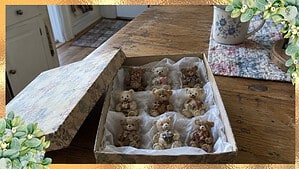
Every Mother’s Day, when my daughter was a little girl, she gave me a small bear.
She picked each one out herself at the card shop. Her dad helped her pay. By the time she was grown, I had nine of them.
For years, they sat together on a shelf. And once in a while, my daughter would look at them and say, “I’d like those someday, Mom.”
Someday.
This fall, I picked one up to dust it, and I stopped. What was I waiting for?
She wanted them. I was only dusting them.
The next time she came for the weekend, I packed all nine in a shoebox with tissue paper. I handed it to her at the kitchen table.
She opened the lid, and her eyes filled up. Then she laughed, the same way my mother used to laugh. (She always does that, and it gets me every time.)
A week later, she sent me a photo. All nine bears were lined up on a shelf in her living room.
I got to see that. I didn’t have to wonder.
There’s a name for handing things down while you’re still here. People call it giving while living. And in my 60s, it has become my favorite way to clear out my house.
Why I Stopped Saying “Someday”
Most of us grew up thinking our special things get passed down after we’re gone. That’s how it worked in my family for a long time.
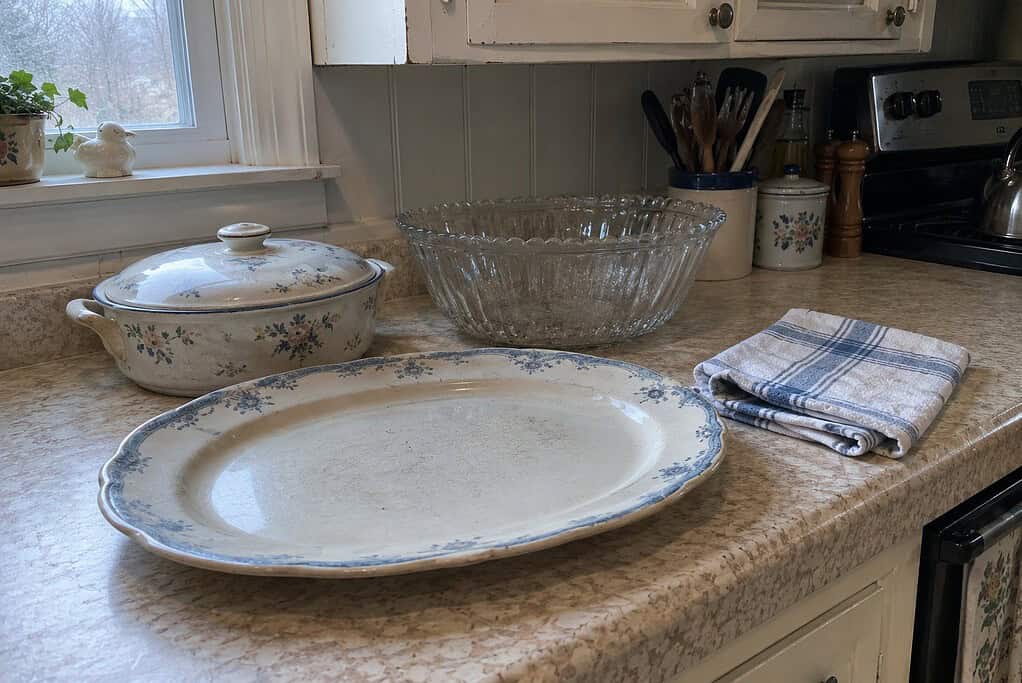
My grandmother’s heavy serving dishes went to my mother. Later, they came to me.
But my mother did some of her giving early. When she was in her late 70s, she gave her basement freezer to a young family from church. She loved knowing it was being used.
I think about that freezer a lot. She got to see where it went. She got to hear “thank you.”
After she passed, we found a few things she had clearly been saving for someone. We never found out who.
I wish she had just handed them over and told us the story. (I would have loved to hear it.)
When you give things now, you get to tell the story yourself. You can say, “Your grandpa bought this on our first trip.” Then you get to see their face.
You also get to see the thing used. A bowl holds real food. A quilt keeps someone warm.
A little bear sits on a shelf where someone smiles at it every day.
And your house gets lighter, one gift at a time. That’s the part that surprised me most. Giving things away to people I love doesn’t feel like losing them.
It feels like decluttering that makes someone smile.
What I’ve Handed Down So Far
I’ve been doing this slowly, over the past year or so. These are a few things that have gone out of my house, and where each one went.
My Mother’s Afghans
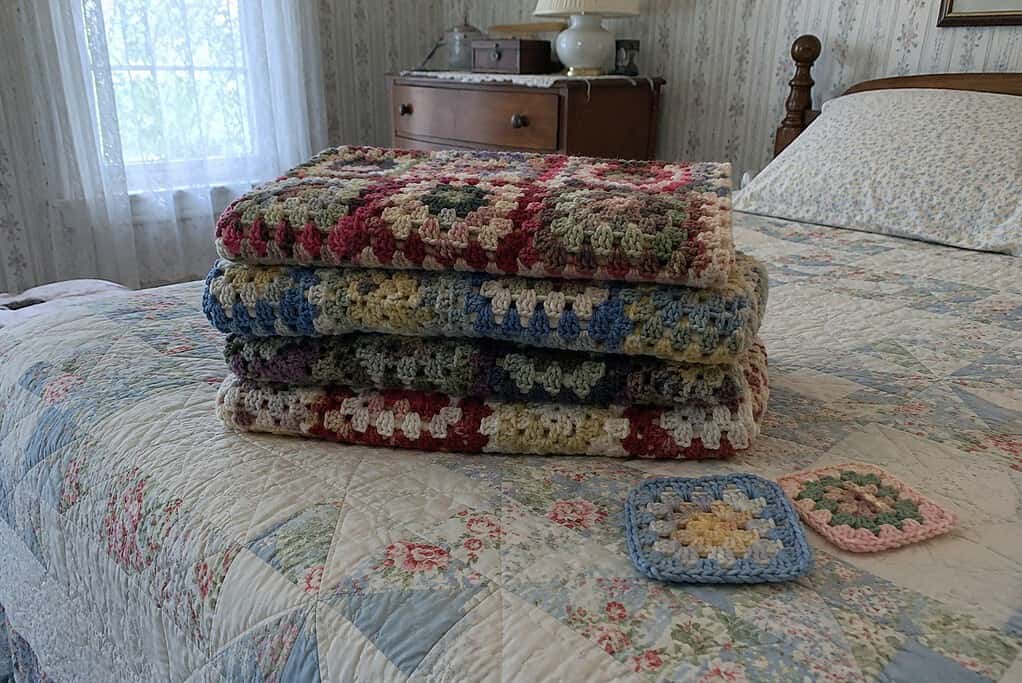
My mother crocheted afghans for most of her life. After she passed, I had a whole stack of them.
This fall, my sister and I sorted them together. We gave them out to the people who loved her.
My sister took some, and my brother got one in the mail. My daughter took one, and so did my older granddaughter.
My granddaughter also asked for two of the little granny squares. I shared the whole story in my post on what to do with old quilts.
A Stamp Album for My Younger Granddaughter
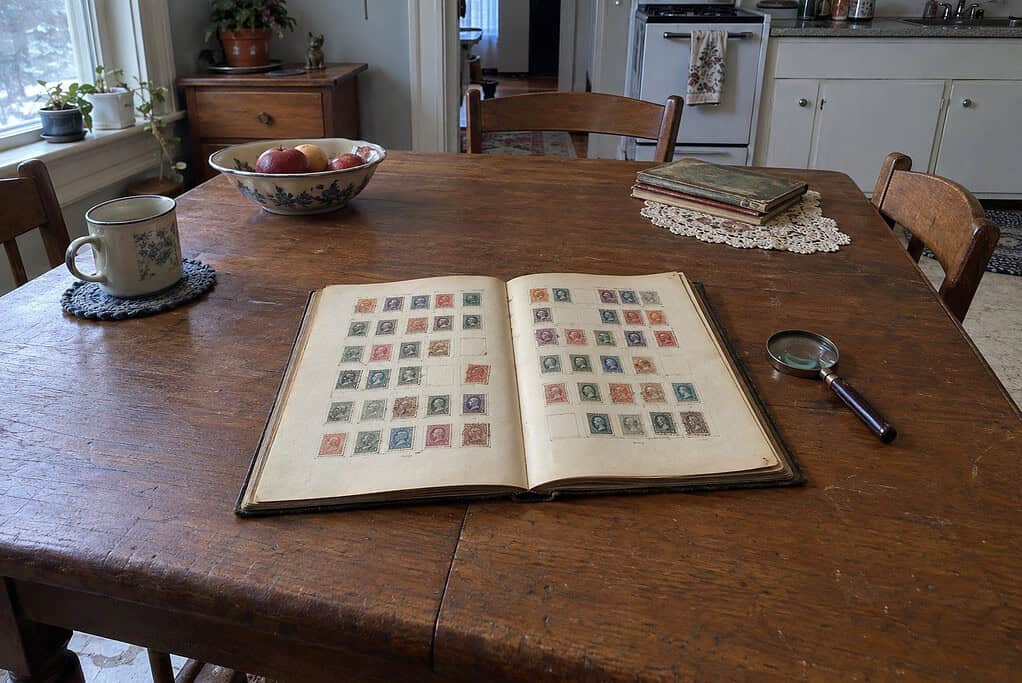
When my father’s stamp albums came to our house, I kept one. My younger granddaughter loves to turn its pages and look at the tiny pictures.
For a while, she only saw it when she came over. This fall, I gave it to her to keep.
She carried it out to the car with both arms. (She wouldn’t let her mom hold it.)
My grandson got one of my father’s silver dollars from the same desk drawer. You can read more in my post on the stamp and coin collection.
My Recipes, in My Own Handwriting
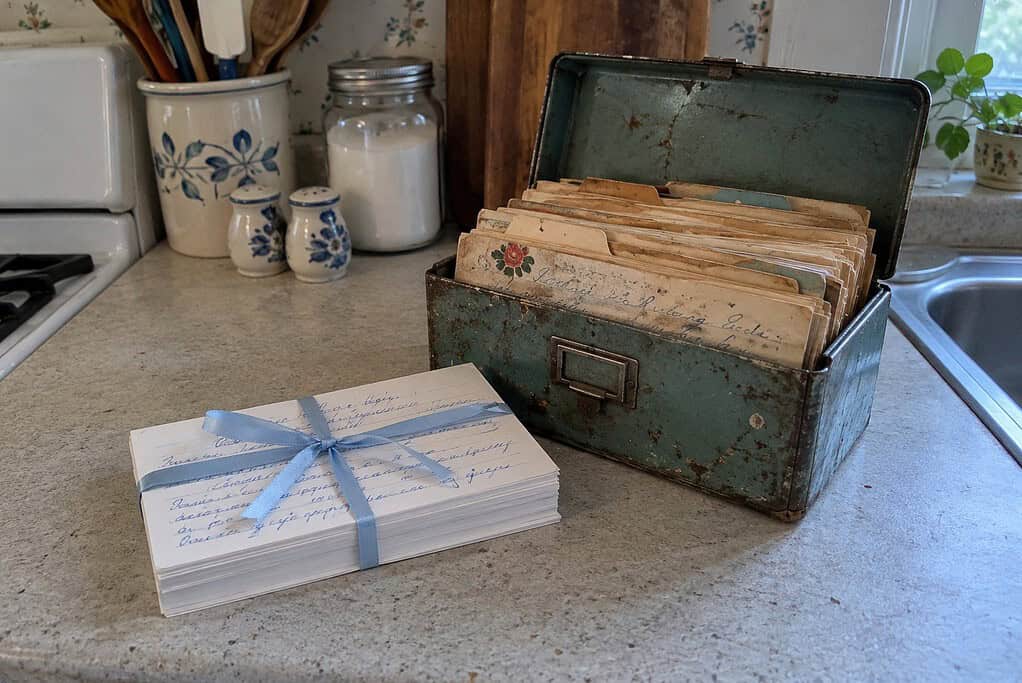
When I asked my kids what they would want someday, my daughter said my recipe cards. She wants them in my handwriting.
But I still cook from those cards most nights. I’m not ready to give them up.
So I copied out my ten favorite recipes on fresh cards. I gave them to her for her birthday this year, tied with a ribbon. She has my handwriting now, and I still have my cards.
A Can Opener for My Grandson
My grandson will move into his first apartment next fall. I told him he could pick from my extra kitchen things.
He has already asked for one of my can openers. (I set one aside for him when I cleared my utensil drawer.) When he moves, it goes with him, along with anything else he wants from my kitchen.
The Rocking Chair
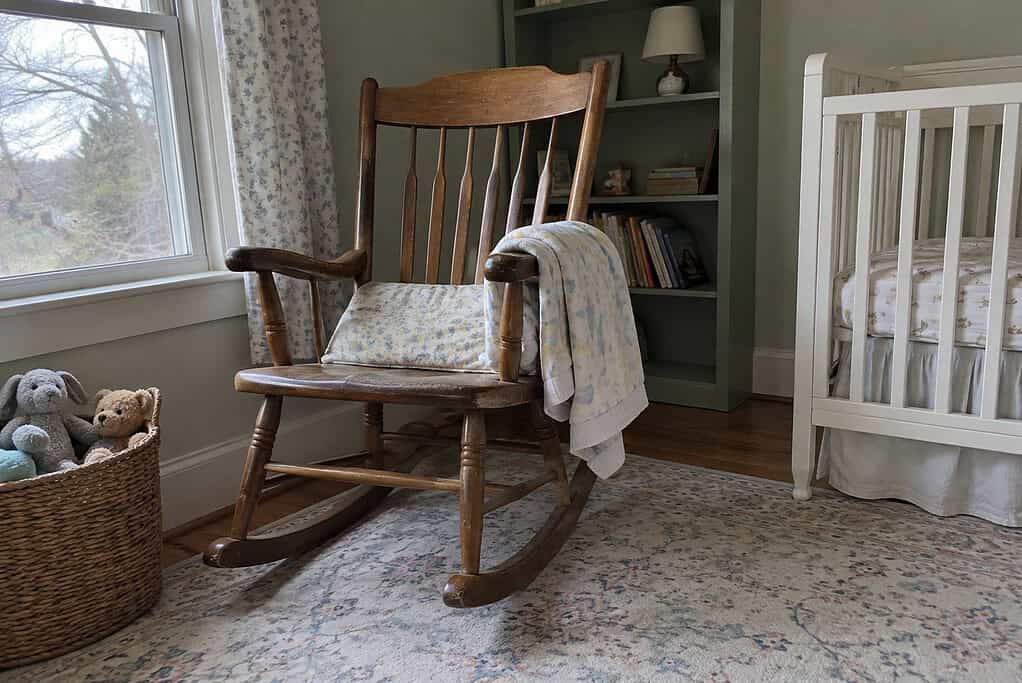
Not every gift goes to family. Our old rocking chair went to a young couple from church who were expecting their first baby.
Her husband came to pick it up on a Saturday. Now it sits by a window in the baby’s room. I shared that story in what to do with old furniture.
How to Hand Things Down Now
If you’d like to try giving while living, these are the steps that have worked for me. Go slowly. One gift is a good start.
Start With What You Love but Don’t Use
Look for the things you care about but haven’t used in years. Think of the good serving dishes in the back of the cabinet. Or the jewelry box you never open, or the quilt folded in the closet.
These are the easiest gifts to give. You still love them, so they mean something. But giving them away won’t change your day at all.
Ask First, One Person at a Time
Before you give, ask. A gift can turn into clutter if the person doesn’t want it or doesn’t have room.
I asked each of my kids on their own, so nobody felt pushed. I also told them “No, thanks” was a fine answer. You can read how I did it in what my kids really want to inherit.
Some of their answers surprised me. Nobody asked for anything big or fancy.
Tell the Story When You Give It
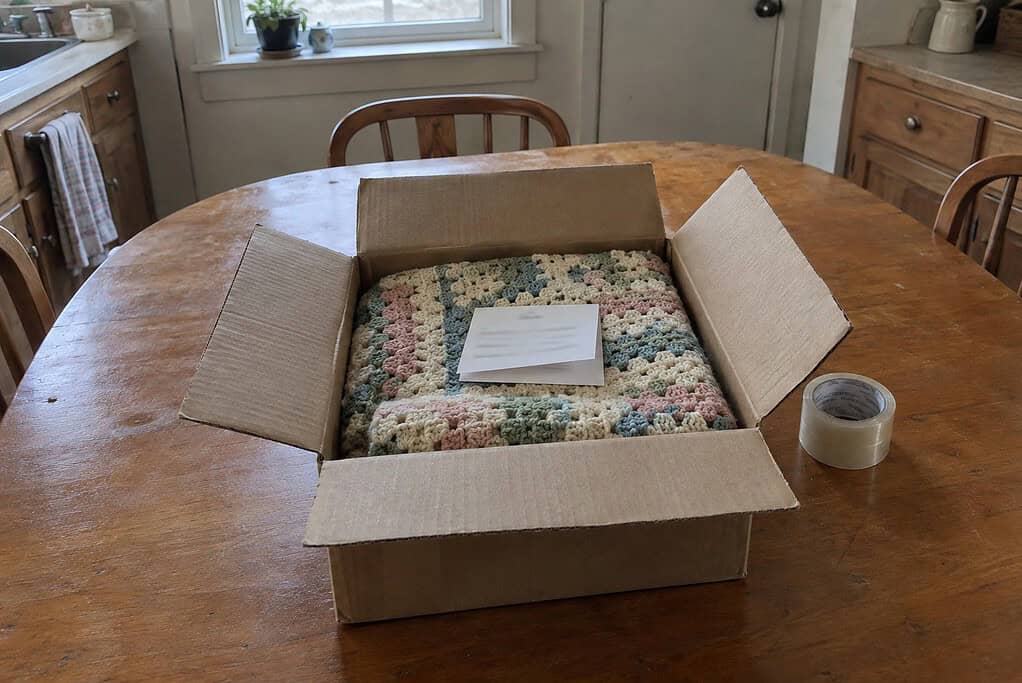
This is the best part, so don’t skip it. When you hand something over, tell where it came from and why it matters to you.
Then write the story down, too. A short note tucked in the box is plenty. Something like, “My mother made this afghan the winter you were born.”
In a few years, nobody will remember every word you said. But they’ll have the note.
Let It Go Completely
Once you give something, it belongs to them. They can use it, put it away or pass it on someday.
This was hard for me at first. I wanted to know the afghan was on a bed, not in a closet.
But if I keep checking on a gift, it isn’t really theirs. I don’t ask about it now, unless they bring it up. (They usually do.)
Keep What You Still Use, and Write Down Who Gets It
You don’t have to give away the things you still use. My son wants the clock over my stove, and it’s staying right where it is.
For those things, I put a name on my list. That way, nobody has to guess later.
Keep It Fair With a Simple List
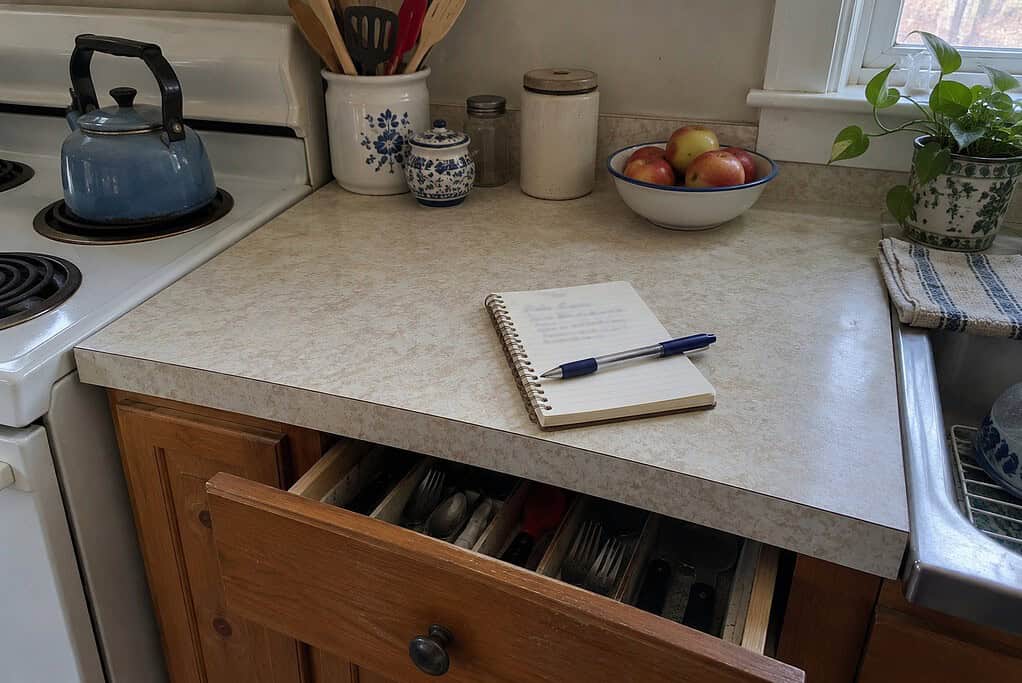
If you have more than one child, keep track of what you give. I use a small notebook in my kitchen drawer.
I write the date, the gift and who got it. It helps me see if one child is getting more than the others. It also helps me remember who already has what.
Fair doesn’t have to mean the same. One child may want the dishes, and another may want the letters. Both can be happy.
Use Small Moments
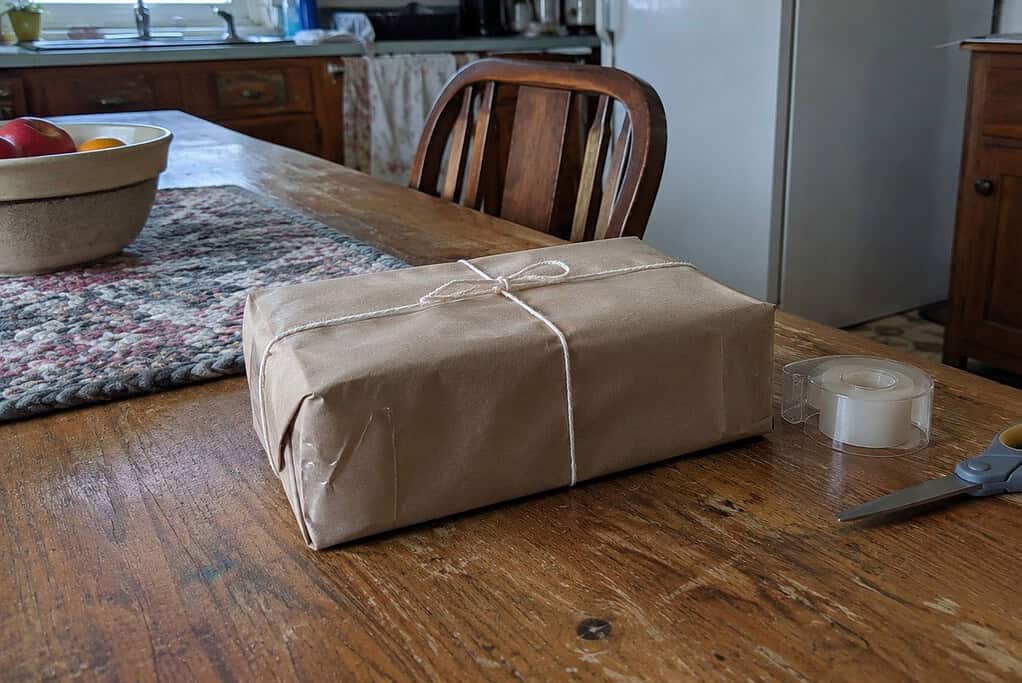
You don’t need a big family meeting to give something away. Some of my best gifts happened at the kitchen table on a regular weekend.
Birthdays work well. So does a first apartment, a new baby or a wedding.
Small things can go in the mail, too. That’s how my brother got his afghan, three states away.
Big Gifts and Money
If you’re giving larger gifts, it helps to know one number. In 2026, you can give one person up to $19,000 in a year, in money or things. The IRS says gifts up to that amount are generally not taxable.
Most things we hand down, like dishes, quilts and pictures, are worth far less than that.
Thinking about a bigger gift, like a car, land or a lot of money? Talk to a tax professional first. They can tell you what to do.
Take a Photo if It’s Hard
Some gifts are harder to hand over than others. If it makes you a little sad, take a photo of the thing before it goes.
I did that with a red sweater from a dear friend who has passed. The photo helped more than I expected.
You can also ask the person to send you a picture once it’s in their home. My daughter did that with the bears without my asking.
When the Answer Is “No, Thank You”
Sometimes your family won’t want a thing. That’s okay. It doesn’t mean they don’t love you, or your things.
Ask yourself who else could use it. It might be a young couple at church, a neighbor in a first house or a teacher who needs dishes.
If someone will use and enjoy it, it’s still a good gift. I wrote more about family pieces nobody wants in it’s not an heirloom if nobody wants it.
What I Got Back
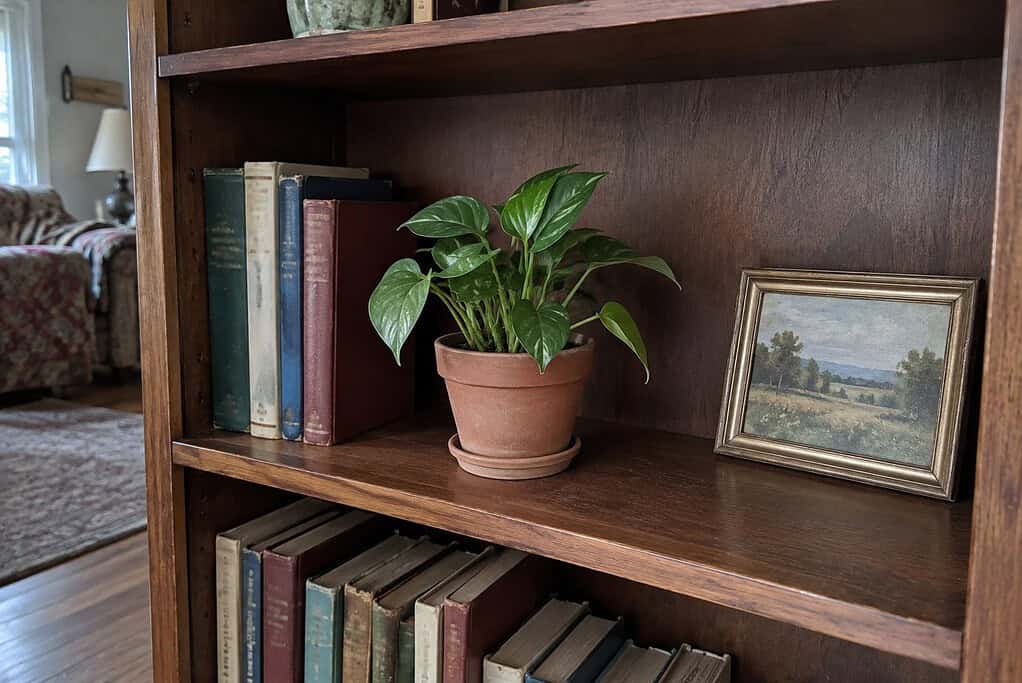
That empty spot on my shelf, where the nine bears used to sit, now holds a small plant.
It’s one less thing to dust. But that’s not why I smile when I walk past it.
I smile because I know where those bears are. They’re in my daughter’s living room, and she sees them every day. She told me so on the phone last week.
My house is a little lighter now. There are fewer things to dust, fewer boxes in the basement and fewer “someday” piles.
And I feel lighter, too.
I don’t worry as much about what will happen to my things someday. Some of them have already found their homes. I got to choose those homes myself, and I got to see them settle in.
You can do this too, one gift at a time. Pick one thing you love but don’t use. Think of the person who would enjoy it most.
Then don’t wait for someday.
Start With One Thing to Hand Down

You don’t have to give everything away at once. Start with one thing, and enjoy the smile it brings.
My free Declutter for Self Care Checklist breaks your home into small, gentle jobs. As you go, you may find a few things that are ready for someone you love.
Frequently Asked Questions
What does giving while living mean?
Giving while living means handing down your money or special things while you’re still here. You don’t wait to leave them in a will. You get to see the people you love use and enjoy them.
How do I decide what to give away to my family now?
Start with things you love but no longer use, like good dishes, quilts or jewelry. Ask each person if they want the item before you give it. Keep the things you still use every day.
How much can I give someone without paying gift tax?
In 2026, you can give one person up to $19,000 in a year. The IRS says gifts up to that amount are generally not taxable. For larger gifts, talk to a tax professional.
How do I keep gifts fair between my children?
Keep a simple list of what you give, the date and who got it. Fair doesn’t always mean the same. Each child may want different things, so ask them first.
What if my kids don’t want my things?
That’s okay, and it’s very common. Offer the things to grandkids, friends, neighbors or people at church. If no one wants them, donate them to a place where someone will use them.
Follow me elsewhere!

