My phone buzzed at seven in the morning, a few hours’ drive from home.
This summer, my husband and I drove to my daughter’s house for a long weekend. My neighbor kindly offered to water my plants and bring in the mail while we were gone.
Her text said, “Storm last night. Your kitchen lights are out, but the rest of the house is fine.”
Then a second text came. “Where’s your breaker box? And do you have a flashlight?”
I knew the answer to both. I just couldn’t explain it well from my daughter’s guest bedroom.
The breaker box is in the basement, behind the gray shelf at the bottom of the stairs. The flashlight was somewhere in the junk drawer, under a tangle of rubber bands and old birthday candles.
She found them both, bless her, but it took her half an hour. That morning gave me an idea I’ve used in every room since. I call it the house-sitter test.
What the House-Sitter Test Is
It’s simple. Pretend someone kind is staying in your house for a week while you’re away.
They don’t know your house the way you do. They’ve never opened your hall closet or gone down to your basement.
Now walk through each room and ask one question. Could they find what they need, quickly, without calling you?
If the answer is no, that spot needs a little decluttering. Usually it’s not about having more stuff. It’s about clearing the way to the few things that matter.
The Things a Helper Needs to Find
When I made my list, it was shorter than I expected. These are the things anyone staying in my house would need.
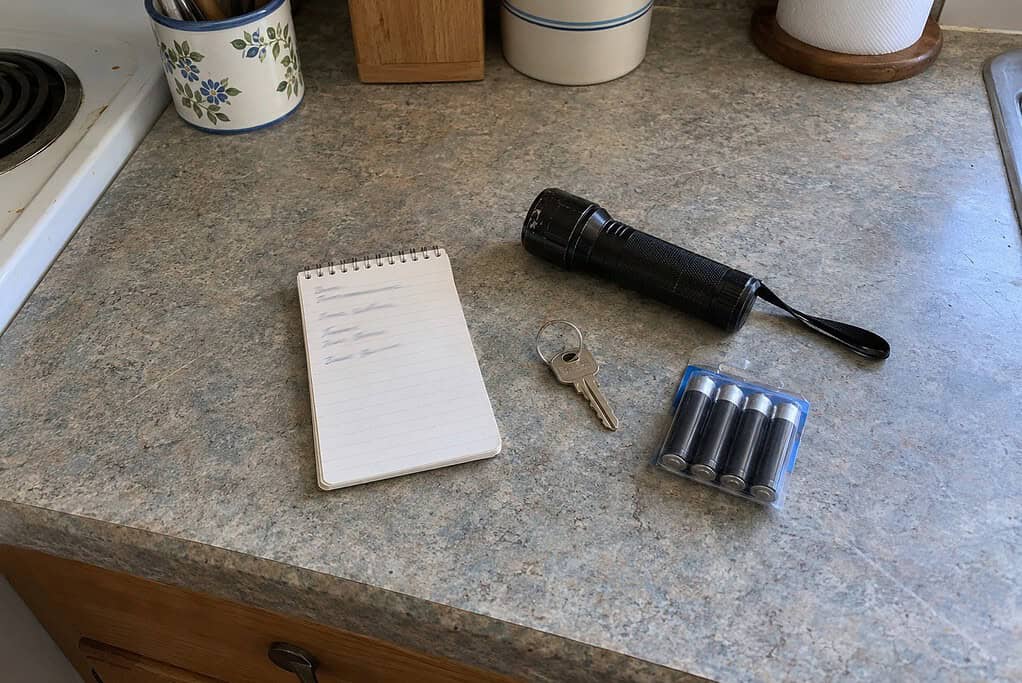
Spare keys, a flashlight and batteries. The breaker box, the main water shutoff and the thermostat.
Then come the everyday things. Where the trash goes and which day it gets picked up.
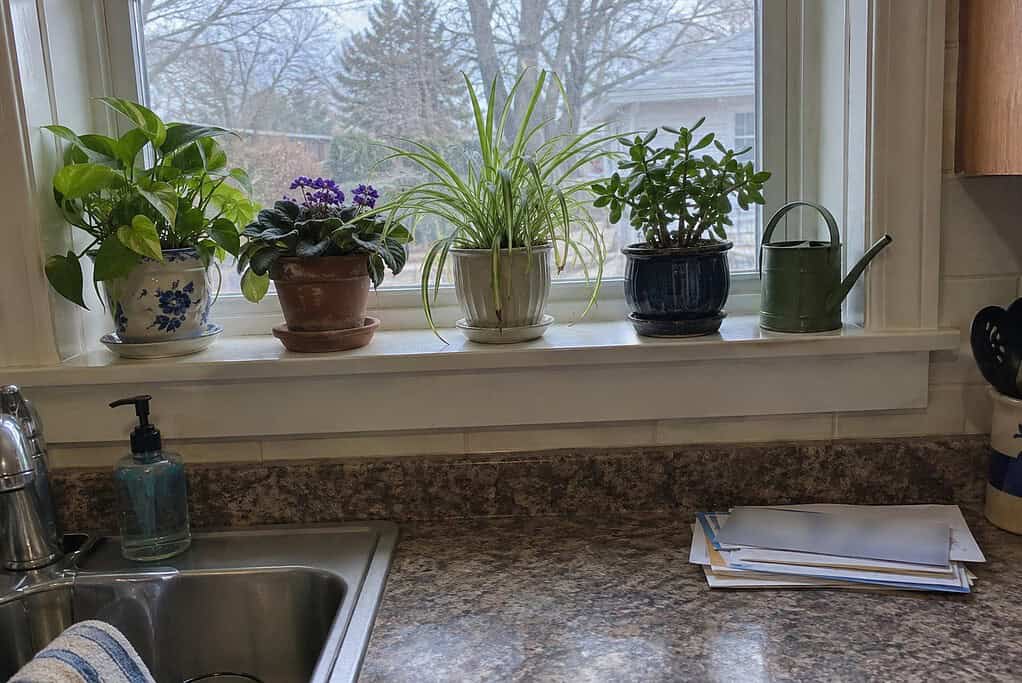
How to water the plants, and who to call if something goes wrong.
That’s it. Everything else in the house can stay just as it is.
Clear the Way to the Breaker Box
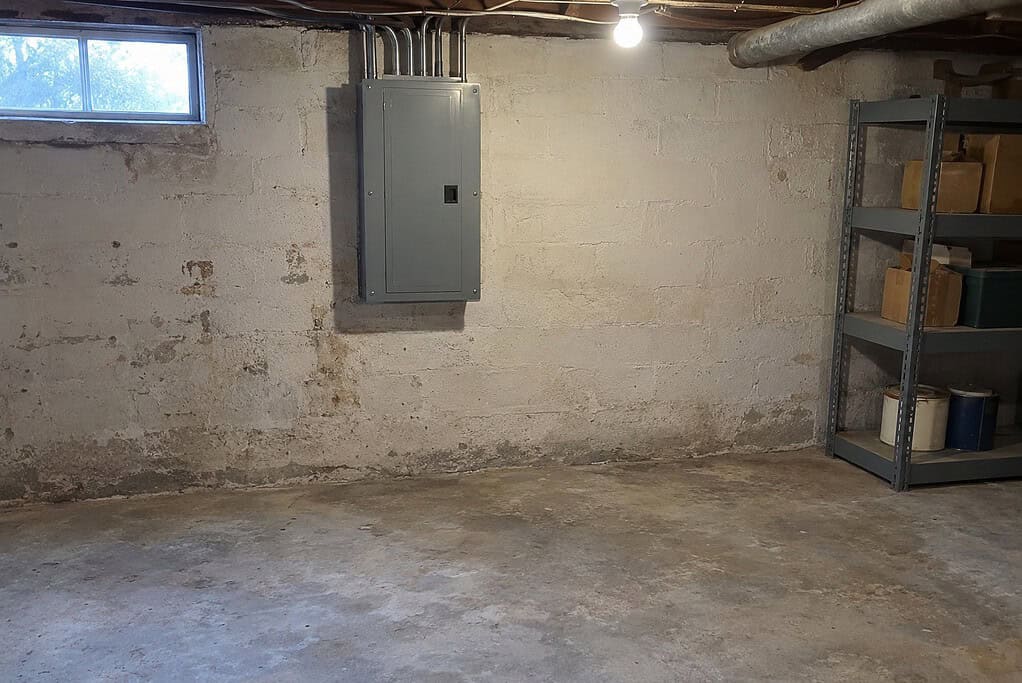
Ours was hidden behind the gray metal shelf at the bottom of the basement stairs. To reach it, you had to move a box of Christmas lights and two paint cans.
So I moved the shelf a few feet to the side. Now the breaker box door opens all the way, with nothing in front of it.
Electricians say to keep the area in front of a breaker panel clear. The national electrical code calls for about three feet of open space in front of it, so a person can work there safely.
Inside the panel door, my husband had already labeled each switch years ago. If yours aren’t labeled, it’s a good small job for a helper with a steady hand. (My husband says “kitchen lights” is the most important label in the house.)
I wrote more about how I cleared our basement, one shelf at a time, in my post on decluttering the basement after 60.
Find the Water Shutoff Before You Need It
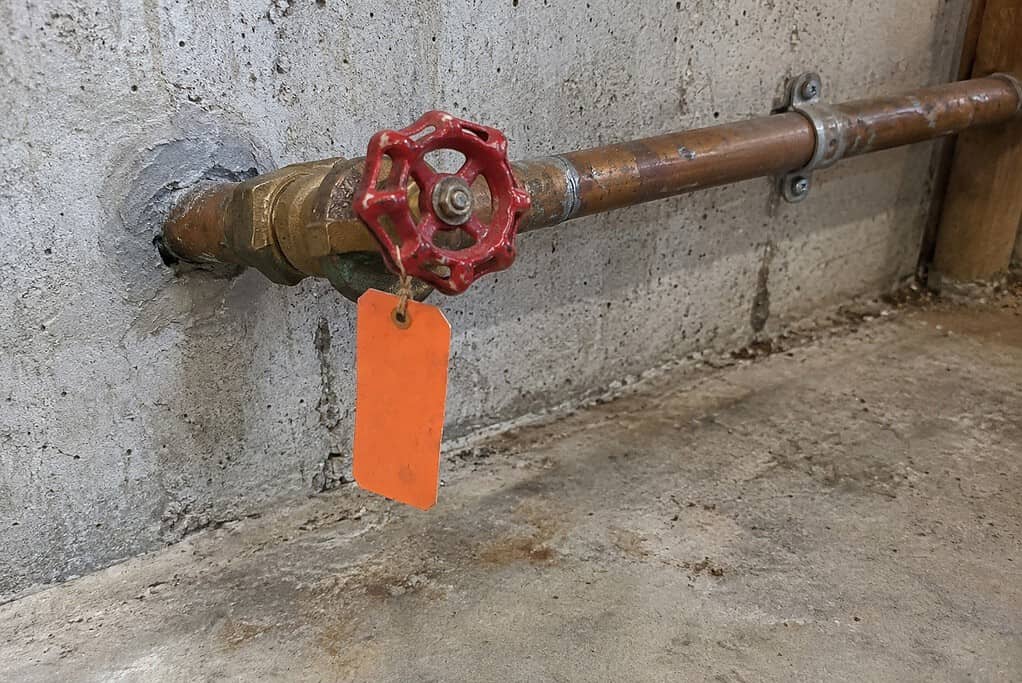
I had to ask my husband where our main water shutoff was. I’d lived in the house for over thirty years and never touched it.
Ours is in the basement too, low on the wall where the water pipe comes in. A laundry basket and a bag of rags were sitting right in front of it.
Ready.gov, the government’s emergency planning website, says everyone in the household should learn how to shut off the main water valve. It also says to make sure everyone knows where it is.
So we cleared the space around it and tied a bright tag on the handle. Now anyone could find it in a minute.
Ready.gov also says everyone should know how to turn off the gas. But once the gas is off, only a trained professional can turn it back on.
So don’t practice by closing the valve. Just learn where it is.
One Spot for the Flashlight
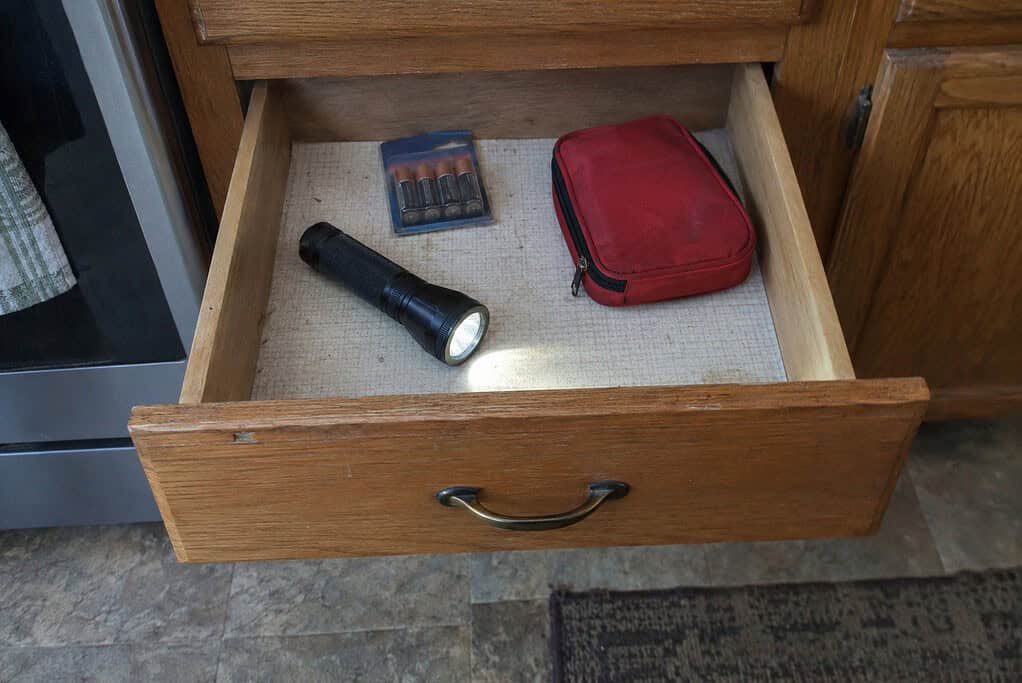
The flashlight was in the junk drawer. So were three dead flashlights and a bag of loose batteries.
Now one working flashlight and a pack of fresh batteries live together in one low kitchen drawer. The dead flashlights went out with the trash, and the old batteries went to recycling.
I shared more about that drawer in my post on decluttering the top shelf of the closet. That’s where I learned to keep the things I need in a hurry down low, where anyone can reach them.
If your junk drawer has gotten out of hand, my post on how to declutter a junk drawer can help.
Keys Everyone Can Find
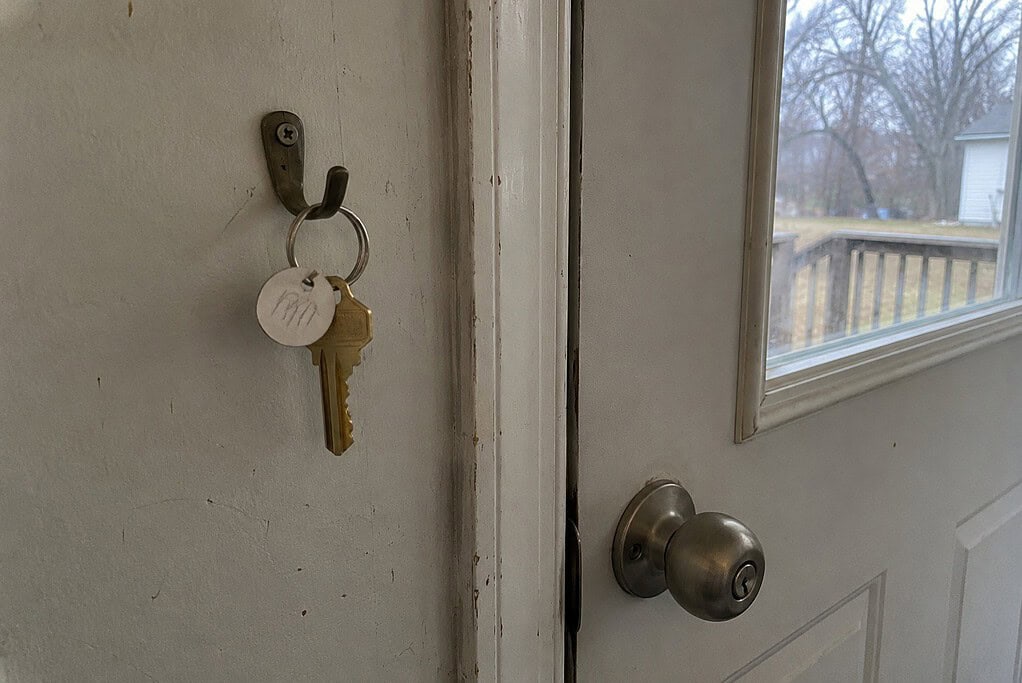
Our spare house key used to hang in the garage, on a hook full of other keys. A helper would have had to try every one.
Now there’s one spare house key, on a ring with a plain tag that says “back door.” My neighbor has a copy, and so does my sister.
I sorted the rest of our mystery keys earlier this fall. I shared how in my post on the little daily annoyances I finally decluttered.
A One-Page “House Notes” Sheet
This was the most helpful thing I made. One sheet of paper with everything a helper might need to know.
Mine has our cell phone numbers, my sister’s number and our neighbor’s number. It lists where the breaker box, water shutoff and flashlight are, and which day the trash goes out.
It also has the number for our plumber and our furnace company. And the Poison Help number, 1-800-222-1222, in case a grandchild is visiting. (I shared more about that in my post on childproofing a grandparents’ house.)
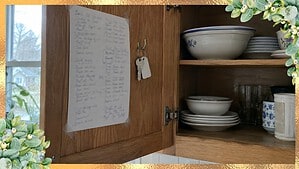
I keep it taped to the inside of a kitchen cabinet door, not on the fridge where anyone at the door could see it. When someone stays at our house, I show them where it is before we leave.
I don’t put passwords or bank information on it. That stays in my own folder, and I wrote about the papers my family will need in my post on what not to declutter.
Clear the Paths, Too
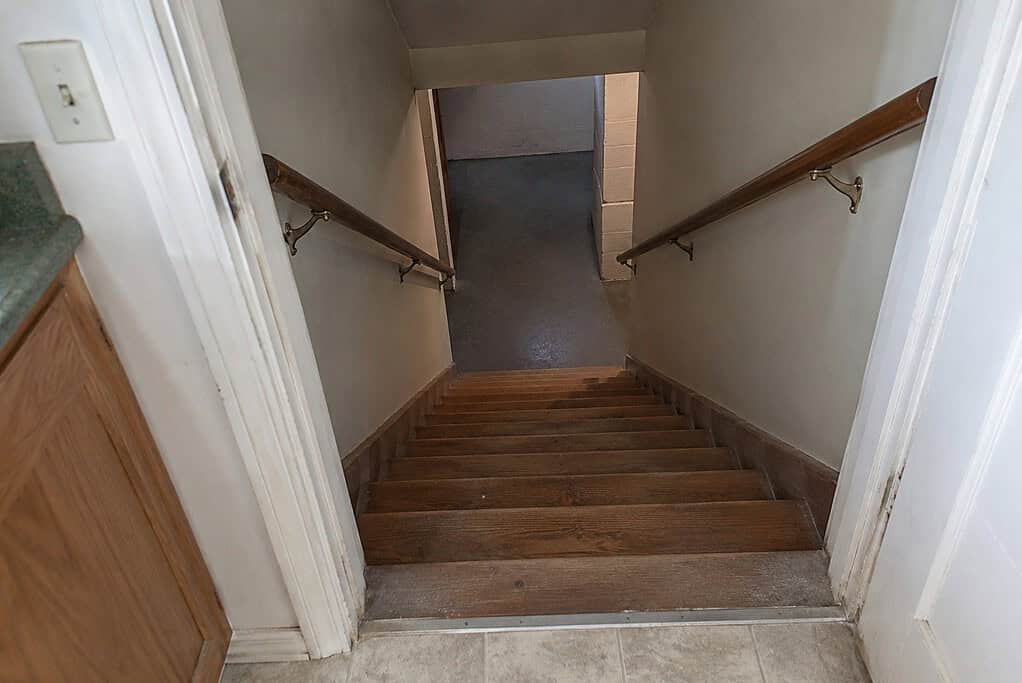
A helper needs to walk through your house in the dark, maybe with a flashlight. So check the paths, especially to the basement stairs and the back door.
We had a basket on the floor at the top of the basement stairs. I moved it to a shelf, so nobody trips on it.
The same goes for rugs that slide and cords across the floor. If you’d trip over it at night, a guest will too.
Do the Test One Room at a Time
You don’t have to do the whole house in a day. I did one spot a week, a little at a time.
The first week, I cleared the breaker box. The next week, I found the water shutoff and tagged it. Then I sorted the keys, and then I wrote my house notes.
Each job took less than an hour. Most took about twenty minutes.
When I was done, I asked my neighbor to walk through with me. She found everything in under five minutes. (She said she wished her own house was that easy.)
Why This Matters More as We Get Older
The house-sitter test isn’t only for trips. Someday, a helper might be in your house because you need a little help yourself.
When my mother was in her 80s, my sister and I were often the helpers in her house. We spent a lot of time looking for things she knew exactly where to find.
If her house had passed the house-sitter test, those visits would have been easier on all of us. Doing this now is a kind thing to do for the people who love you, and for yourself.
A Calm Text Next Time
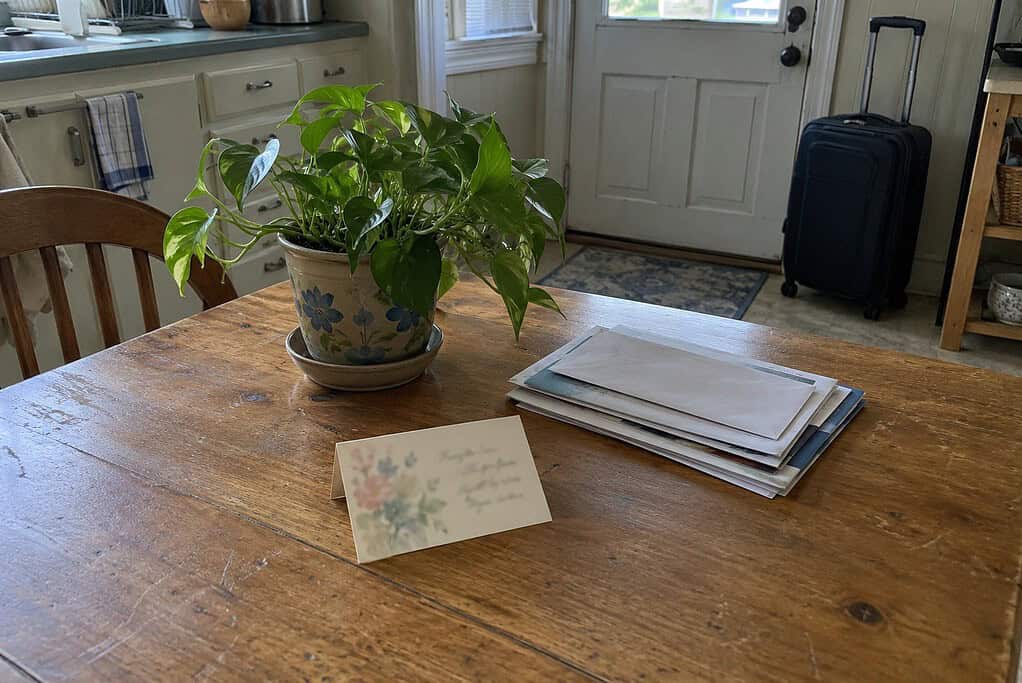
Last month, we went back to my daughter’s for another weekend. My neighbor watered the plants again.
This time, my phone never buzzed. When we got home, there was a note on the kitchen table.
“Everything was easy to find. Your plants are happy.”
That’s what I want from my house now. Not a perfect house, but one where anyone who helps me can find what they need, and I can enjoy my weekend away.
A Little Help for the Next Spot

Once the important spots are clear, you might want to keep going, one small job at a time.
My free Declutter for Self Care Checklist breaks your home into short, gentle jobs. Pick the one that matters most to you, and do it this week.
Frequently Asked Questions
What is the house-sitter test?
It’s a simple way to check your home. Pretend someone kind is staying in your house for a week, and ask whether they could find what they need, like a flashlight, the breaker box, the water shutoff and spare keys, without calling you.
What should a house sitter be able to find?
Spare keys, a working flashlight and batteries, the breaker box, the main water shutoff, the thermostat, and a list of important phone numbers. They should also know where the trash goes and which day it’s picked up.
How much space should be in front of a breaker box?
The national electrical code calls for about three feet of clear space in front of an electrical panel, so someone can reach it and work there safely. Keep boxes, shelves and other things out of that space.
Should I turn off my gas to practice?
No. Ready.gov says to learn where the gas shutoff is and how to turn it off, but not to practice by closing it. If gas is turned off, only a trained professional can turn it back on.
What should go on a house notes sheet?
Phone numbers for you, a family member and a neighbor, plus your plumber and furnace company. Add where to find the breaker box, water shutoff and flashlight, and which day the trash goes out. Keep passwords and bank information off of it.
Follow me elsewhere!

