
A few years ago, I started setting things aside for my kids.
The good china I only brought out for holidays. The mahogany side table that had been in our family for decades. A box of things I had carefully kept because I was certain they would mean something someday.
I never asked if they wanted any of it. I just assumed they would.
It wasn't until my daughter came to visit and I showed her the box that I realized I had assumed wrong. She was kind about it (she always is), but I could tell by the look on her face that none of it was going home with her.
That was a hard moment. Not because she said anything hurtful.
But because I had been holding onto all of it for years with someone specific in mind, and that someone didn't want it.
If you've had a moment like that, you're not alone.
This is something a lot of women my age are quietly dealing with, and most of us never saw it coming.
We grew up in homes where things got passed down, where the china cabinet meant something, where keeping it in the family was just what you did.
Our kids grew up differently. And that's not a criticism of them or of us.
It's just the truth.
In this post I'm sharing what I've learned about why this happens, what our kids typically don't want (and why), and what you can actually do with the things you've been holding onto for them.
But, Why Does This Happen?

The first thing worth saying is that your kids not wanting your things has nothing to do with how much they love you.
It's easy to take it personally.
You look at the dining set you've had for thirty years (the one you saved up for and refinished twice) and you can't understand how anyone could not want it.
But your kids aren't looking at that table and seeing what you see.
They don't have the same memories attached to it. To them, it's just a very large piece of furniture that doesn't fit the apartment they're renting.
That's the core of it, really.
Younger generations are living in smaller spaces than we did at their age. Many of them are renting, moving frequently, and furnishing their homes with what fits their life right now.
A set of fine china that needs hand washing and takes up an entire cabinet shelf doesn't fit that life. Neither does a collection of crystal stemware they'd bring out maybe once a year.
It's also not just about space. The way they relate to things is genuinely different.
They grew up with everything accessible online. Photos, music, memories — none of that requires a physical object anymore. So the instinct to hold onto things as a way of holding onto the past just isn't as strong for them.
None of that makes what you've kept any less meaningful. It just means the meaning lives with you, and that's okay.
The Things They Usually Don't Want
This list might sting a little. But it's better to know now than to find out after you've been storing something for years with a specific person in mind.
The China You Only Brought Out for Holidays
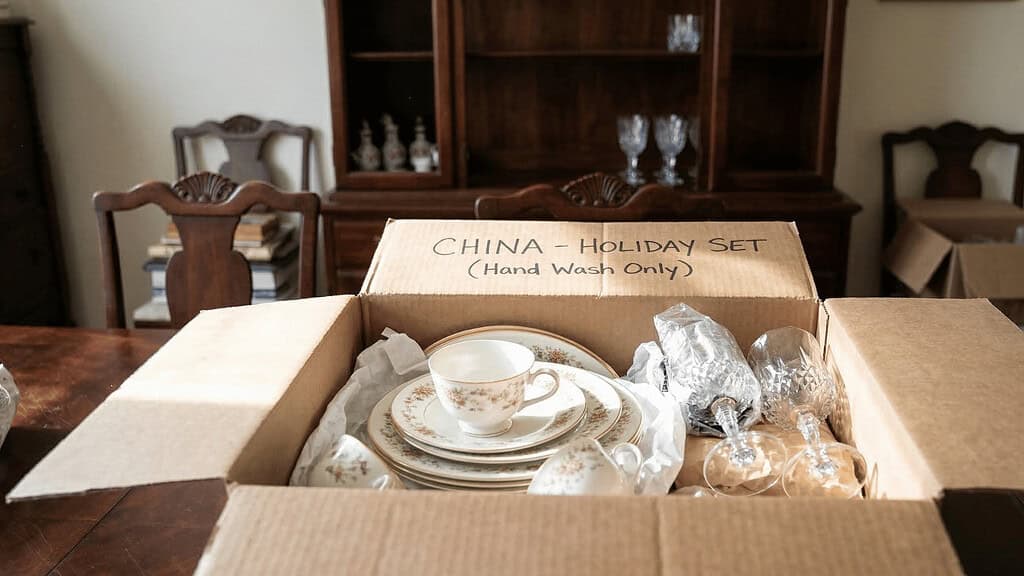
This is probably the most common one.
The set you brought out every Thanksgiving, the crystal glasses that only came down from the top shelf for special occasions…
Most kids don't want them.
They're delicate, they can't go in the dishwasher, and they take up more storage space than most young households have to spare.
The Furniture That's Been in the Family for Years
The curio cabinet. The entertainment center. The solid wood dining set that weighs more than a small car.
These pieces don't fit the lighter, simpler aesthetic most younger people prefer.
And in a smaller home or apartment, there's simply nowhere to put them.
The Collections You Spent Years Building
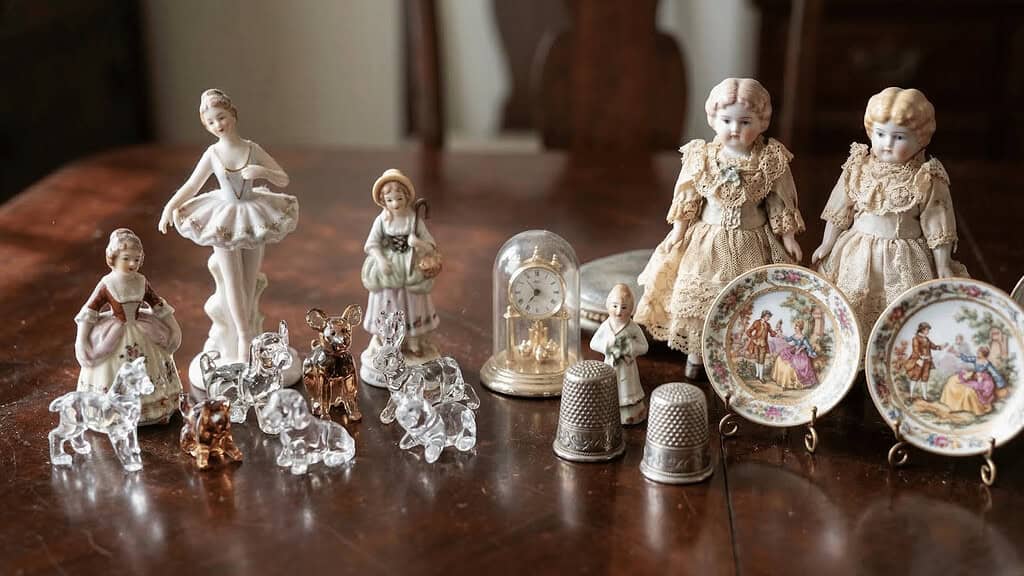
Figurines, decorative plates, antique dolls, anything you built up over years of careful collecting. These are deeply personal to the people who collected them.
To everyone else, they're just a lot of things that need dusting.
The Dress You've Been Saving for Her
Most daughters want to choose their own. Even if yours was beautiful (and I'm sure it was), styles change, and wearing a mother's dress is a very specific kind of sentiment that not everyone feels.
The Boxes Nobody Knows What to Do With
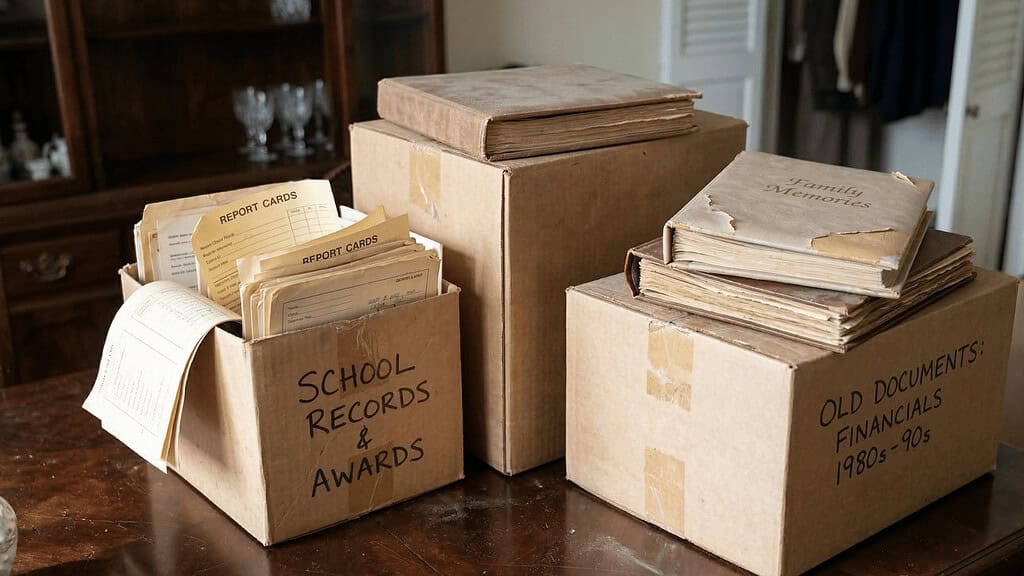
This one surprises people. Boxes of old documents, school records, even family photo albums — many adult kids don't know what to do with these and quietly feel burdened by them.
The hardest part of this list isn't the items themselves. It's the realization that the meaning you attached to them didn't automatically transfer.
You didn't do anything wrong by keeping these things. But now that you know, you get to decide what to do next.
What You Can Do Instead
Finding out your kids don't want your things doesn't mean those things have nowhere to go. It just means you have to think a little differently about where they end up.
Have an honest conversation first
Before you assume nobody wants anything, ask.
Not a casual mention in passing, but an actual conversation where you make it clear that honesty is welcome.
Some kids are afraid to say no because they don't want to hurt your feelings. Giving them permission to be honest can change the whole dynamic.
You might be surprised. One of your kids might want the china. Another might love that side table. But you won't know until you ask directly and make it safe for them to answer truthfully.
Find it a home that means something
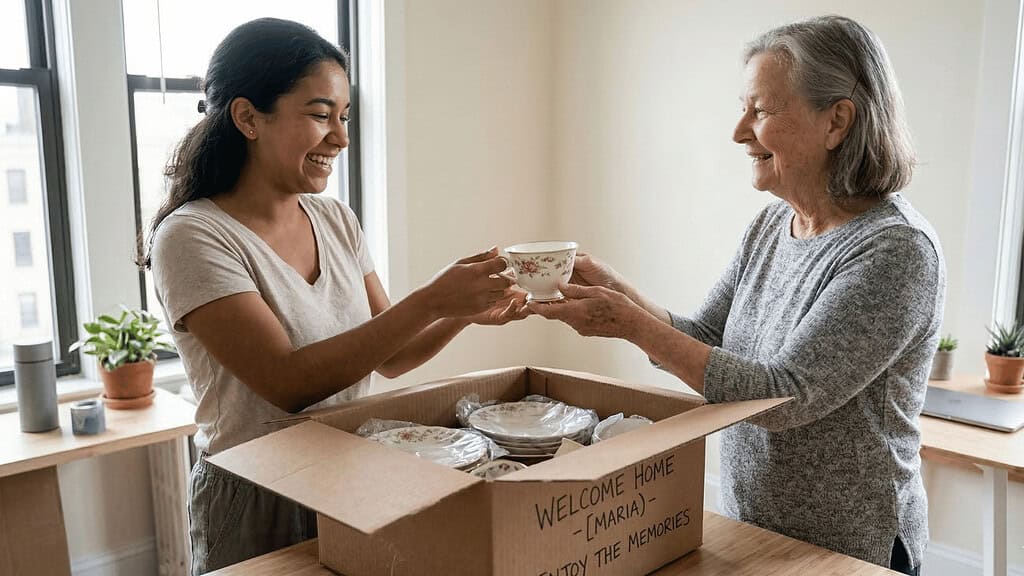
If your family doesn't want it, think about who else might.
A close friend who always admired your dining set. A neighbor who just moved into her first house. A young woman at church who is starting from scratch.
Giving something directly to a person who will actually use it feels completely different from dropping it at a donation center.
The item leaves your home, but you know exactly where it went.
Sell it
This is a perfectly reasonable option and one more people should feel comfortable choosing. Facebook Marketplace, an estate sale, a local antique dealer — there are more ways to sell things than most people realize.
The money doesn't replace the sentiment.
But it does mean the item goes to someone who wanted it enough to pay for it, and that's not nothing.
Donate with intention
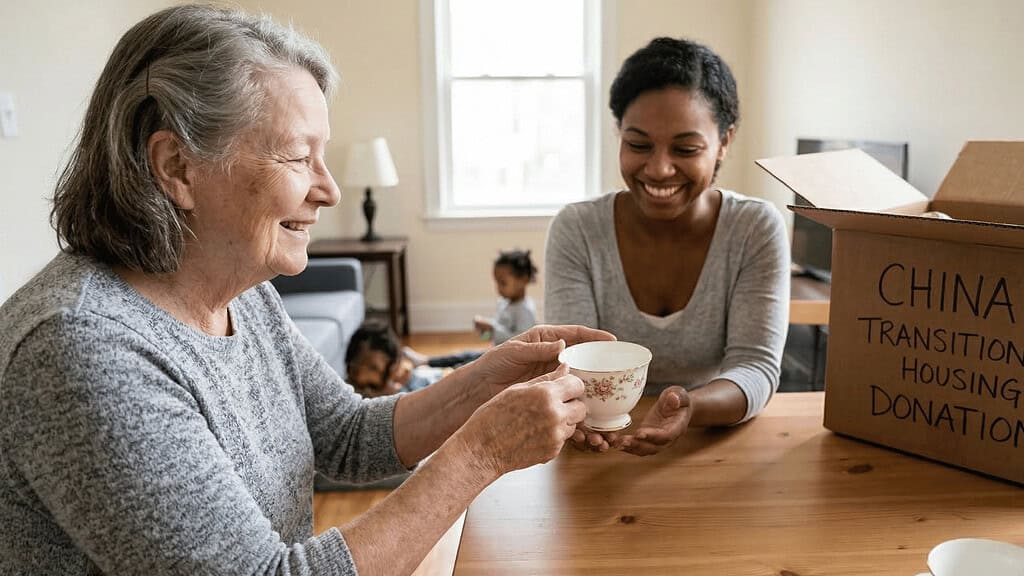
Rather than a generic drop-off, look for a place that specifically needs what you have.
A women's shelter that furnishes transitional housing. A church that helps families starting over. A community organization that accepts housewares and furniture.
Knowing your china is being used by a family who needs dishes makes letting go a lot easier than just leaving a box on a donation center doorstep.
Let yourself off the hook
This one doesn't involve doing anything with the items at all. It's just permission to stop carrying the guilt.
You kept these things with love and good intentions. Your kids not wanting them doesn't undo that. And holding onto things out of obligation (yours or theirs) doesn't honor the items or help anyone.
Some things can simply be released. And releasing them, whatever that looks like, is its own kind of relief.
It's Not the Things That Get Passed Down. It's Everything Else
Your kids may not want the china. They may not have room for the furniture or any interest in the collections you spent years building. And as much as that stings, it doesn't mean you failed at passing anything down.
What actually gets passed down isn't stored in a cabinet or packed in a box. It's the way you made holidays feel. The recipes you made from memory. The things you said and did and showed up for over decades of their lives.
That's what they'll carry with them. Not the crystal.
So if you've been holding onto things out of guilt, or waiting for someone to want them, this might be the moment to let that go. Find your things a good home, sell what makes sense to sell, and release the rest without apology.
Your home will feel lighter. And so will you.
Don't Let This Be Another Thing You Put Off

You've read this far, which means part of you is ready to do something about the stuff that's been weighing on you.
My free Declutter for Self Care Checklist takes the guesswork out of what to do next, so you actually do it.
Frequently Asked Questions
What do you do when your kids don't want your stuff?
Start by having an honest conversation before you assume the answer is no across the board. Ask each of your kids directly and make it clear that it's okay to say no. Whatever they don't want, look for intentional places for those things to go — a friend who would use it, a cause that needs it, or a buyer who actually wants it. The goal is to find each item a good home rather than just getting rid of it.
How do you let go of sentimental items your family doesn't want?
Give yourself permission to feel the loss first. It's okay to be sad about it. But holding onto something nobody wants doesn't keep the memory alive — you do. Take a photo if that helps, then find the item somewhere better to go. Donating to a place that means something to you, or giving it directly to someone who will use it, makes letting go feel intentional rather than just painful.
What should I do with fine china nobody wants?
Look into selling it first — estate sale companies, local antique dealers, and Facebook Marketplace are all worth trying. If selling feels like too much effort, look for organizations that furnish transitional housing for families starting over. A full set of dishes going to a family that needs them is a much better ending than a storage box.
How do I talk to my kids about not wanting my things?
Pick a calm, low-pressure moment and keep it simple. Let them know you're starting to think about what to do with your belongings and you want their honest input. Tell them upfront that saying no is completely fine. The conversation goes better when your kids don't feel like they're hurting your feelings just by being truthful.
Is it okay to sell family heirlooms?
Yes. Selling something doesn't erase its history or mean it wasn't valued. It means you're choosing to let it go to someone who wants it rather than letting it sit in a cabinet for another decade. If the item has real monetary value, selling it is often the most practical and respectful thing you can do with it.
Follow me elsewhere!

