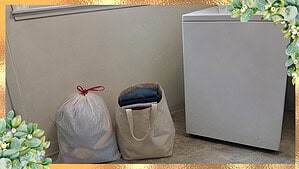
The woman at our church clothing closet lifted my blue blouse out of the bag. Then she held it up to the window.
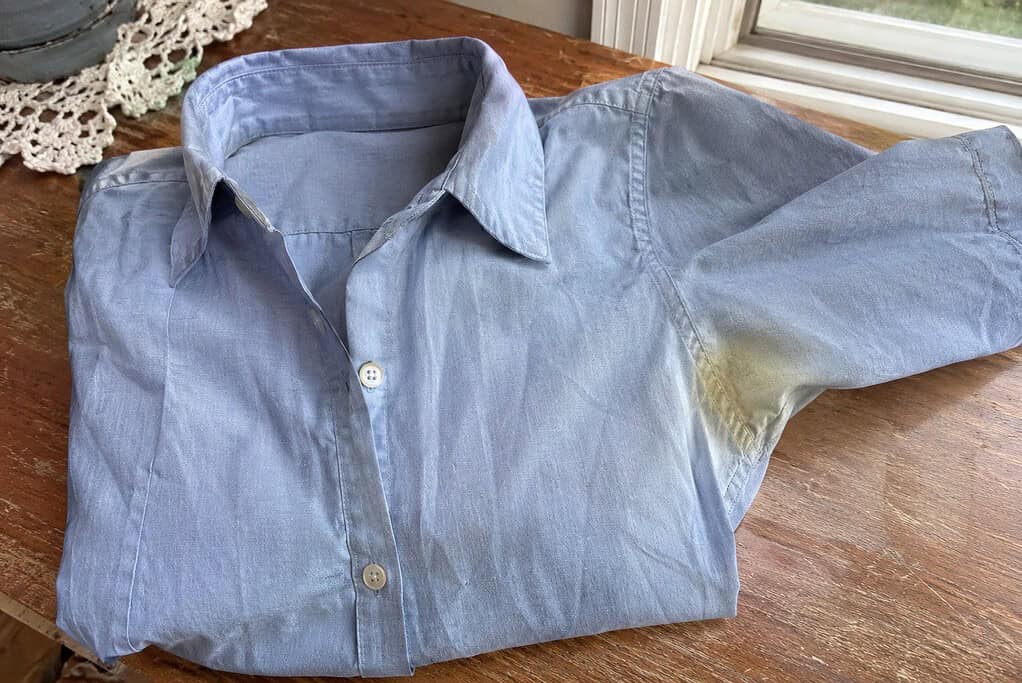
There was a yellow stain under one arm. I had washed that blouse so many times that I’d stopped seeing it.
She didn’t say a word. She folded it, smiled at me and set it in a box under the table.
“What’s that box for?” I asked.
“Oh, those are the ones we can’t use,” she said. “I take them out to the trash on my way home.”
I felt my face get warm. I had walked in there feeling so good about myself. But I had really handed her my trash in a nice bag, and given her one more job to do.
Maybe you’ve wondered the same thing I wondered that day. Is it okay to throw things away, when so many people need so much?
I’ve thought about it a lot since then, and my answer is yes. Sometimes the trash can is the kind choice.
Why the Trash Can Feels So Wrong
Most of us were raised not to waste a thing. My mother’s parents lived through the Great Depression, and she said “Waste not, want not” all her life.
She saved twist ties and rubber bands. She folded used wrapping paper and put it away for next year. I wrote about all of that in the things our generation was told to keep.
So when I put something in a trash bag, I can still hear her. (She’s not even scolding me. She’s just looking at the bag.)
Giving feels so much better. You drop off a bag, you drive home, and you feel like a good person. For a long time, I never asked if anyone could use what I gave.
What Happens to the Things Nobody Can Use
Donations don’t sort themselves. Real people have to go through every bag, one piece at a time.
If something can’t be used, the charity has to get rid of it. That takes time, and it takes money.
The Salvation Army in Australia says it costs them millions of dollars a year. That’s just to get rid of things they can’t sell.
Nobody is angry at you. They know you meant well. But a bag of good, clean things helps them, and a bag with bad things mixed in slows them down.
Thrift store rules are different from town to town, so it’s smart to call first. Still, many Goodwill locations say they can’t take broken or soiled items. Clothes should be washed first, and electronics should be tested to see if they work.
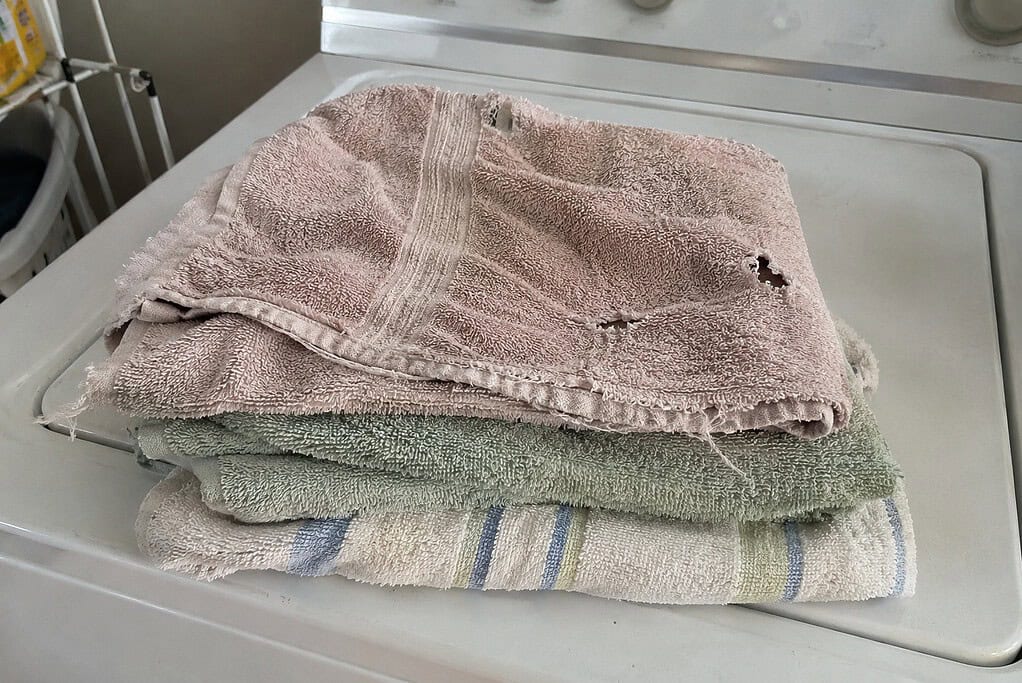
The church closet wasn’t my first lesson, either. A young man at a donation door once looked in my bag and said, “We can’t take the pillows, ma’am. Or the towels with the holes.”
I drove home with half that bag still in my back seat. I wrote about that day in my guide to where to donate household items.
He was kind about it, and he was right. I just hadn’t stopped to think about who had to deal with my bag after I drove away.
The One Question That Sorted It Out for Me
Now I hold each thing up and ask one question.
Would I hand this to a friend?
I don’t mean a friend who’s desperate. I mean a friend I love, who would thank me and mean it. If I’d feel a little embarrassed handing it over, it doesn’t belong in the donation tote.
Then I check three small things.
Is it clean? Does it work? Does it have all its parts?
A puzzle missing six pieces fails that test. (I know it’s missing six, because I counted them. Twice.) So does a sweater with moth holes, or a mixing bowl with a crack down the side.
This takes about two seconds per item. Most of the time, I know the answer before I finish asking. If a thing passes, it goes in the tote, because someone really can use it.
Please don’t let this stop you from giving. Good, clean things are still badly wanted. Your winter coat that doesn’t fit anymore could keep somebody warm this year.
What I Throw Away Now Without Feeling Bad
These are real things that have gone out of my house. None of them could have helped anyone else.
Clothes With Stains or Holes
The blue blouse went first. A stain you’ve stopped seeing is one the next person will spot right away.
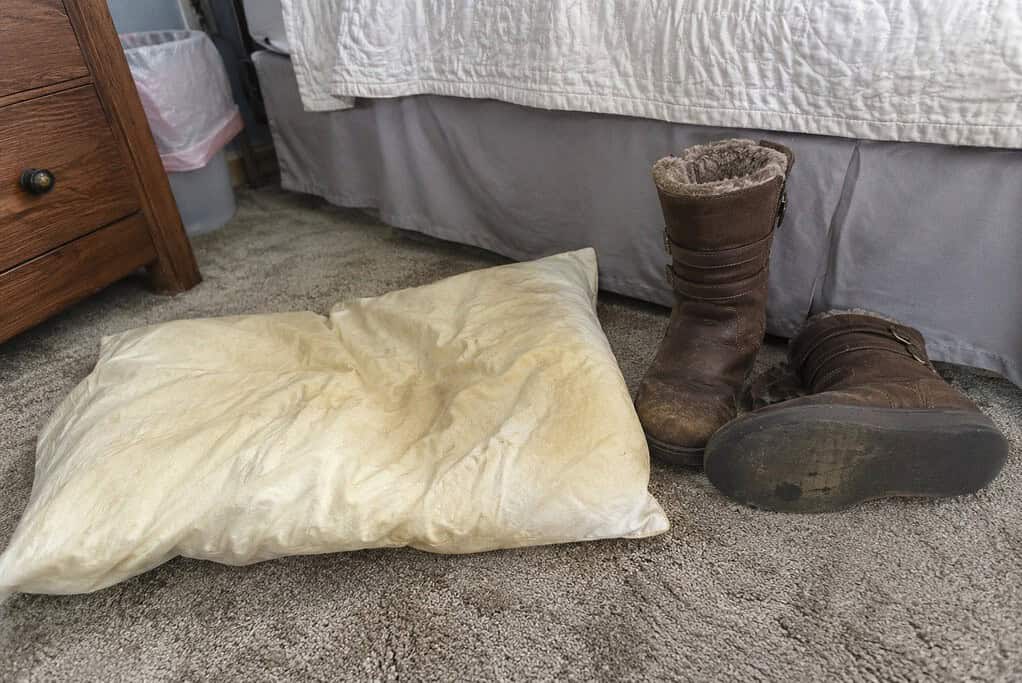
Shoes that are worn through go too. So did my winter boots, because they pinched my toes and had slick soles. I wouldn’t want a friend slipping on the ice in them.
Flat, Lumpy Pillows
Mine gave me a stiff neck, and they went in the trash. Most donation places can’t take used pillows anyway, so you aren’t taking anything away from anyone.
Things That Are Broken
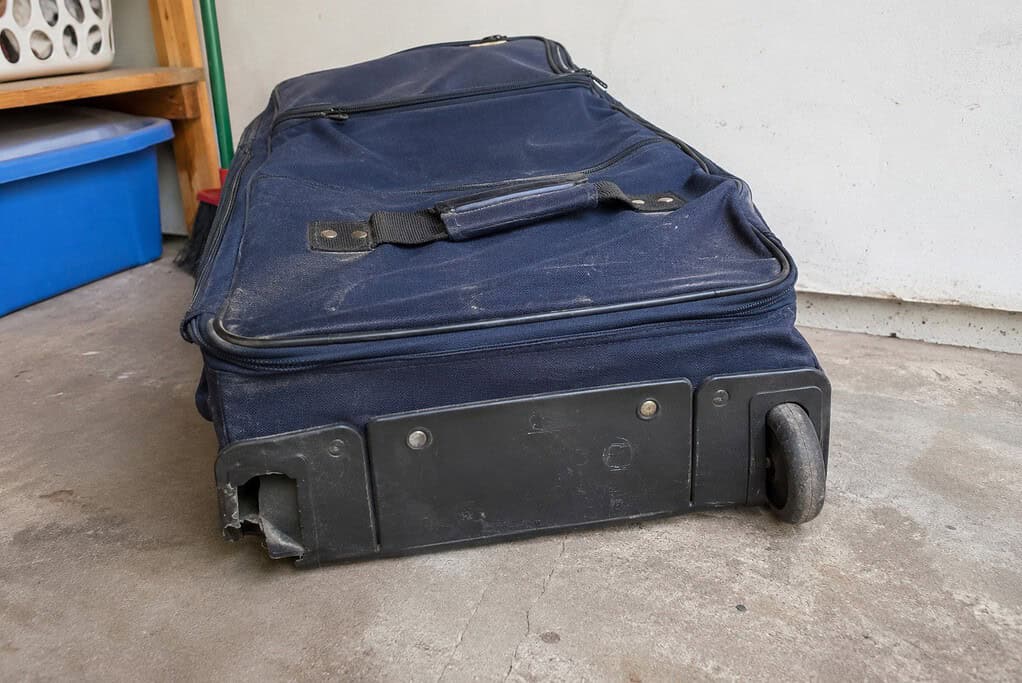
My old suitcase had a broken wheel. Nobody was going to fix it, including me. It sat on my closet shelf for years anyway.
A laundry basket with a cracked handle went out the same way. So did a bent umbrella and a pile of dead pens. None of those needed a second thought, but I gave them one for years.
Anything With a Bad Cord
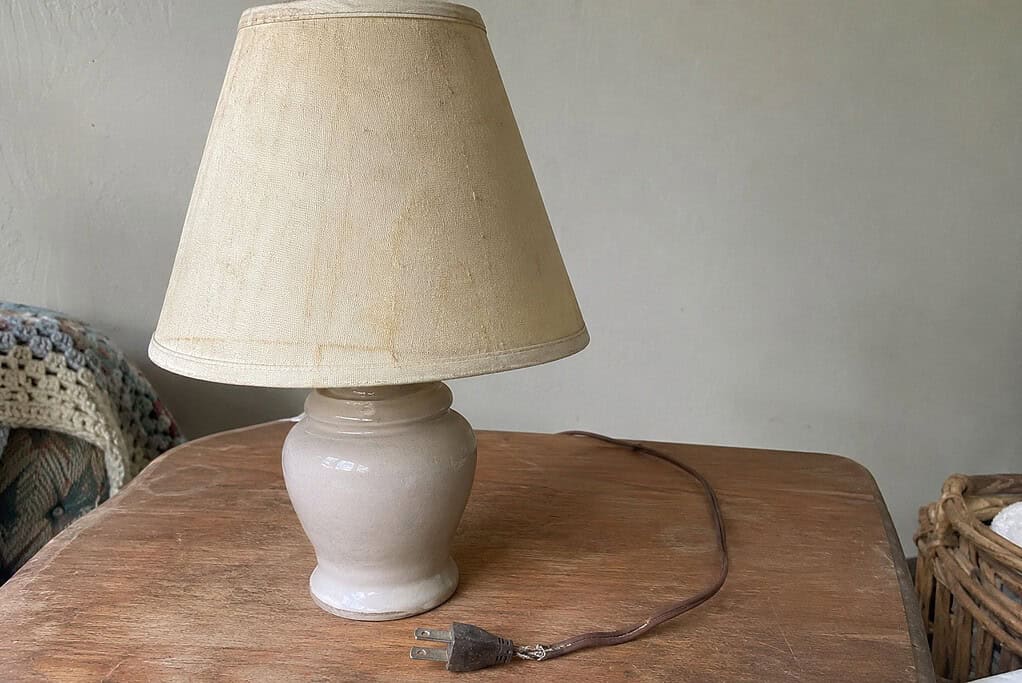
This one is about safety. Two of my old lamps had cords that were cracked near the plug.
I also threw away a heating pad with a frayed cord. I wouldn’t want that to start a fire in my house. I sure don’t want it to start one in somebody else’s.
Old Baby Gear
Our crib sat in the attic for more than thirty years. It felt too good to throw away.
But it’s a drop-side crib, and those aren’t safe. Since 2011, federal rules say drop-side cribs can’t be sold or donated.
The Consumer Product Safety Commission says to take an old crib apart before you throw it away. That way, no one else uses it.
My grandson and my husband took ours apart in the garage. I told the whole story in what to do with old furniture.
Two Quick Stops Before the Trash
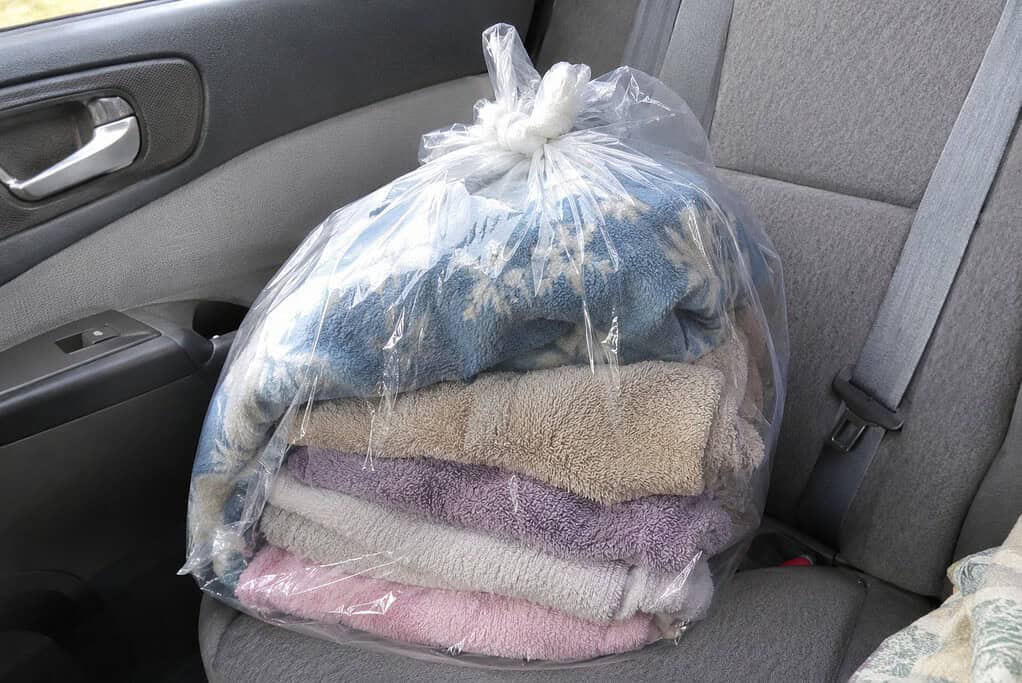
Some worn-out things still have one job left in them, if you have the energy to get them there.
Many animal shelters take clean old towels and blankets for bedding, even with holes or stains. Wash them first, and call to see what they need. That’s where my scratchy towels went.
Some towns also have textile recycling, where worn clothes and linens can be dropped off even with stains or holes. You can look for one on the Earth911 website, or ask your town’s trash office.
If you have good things that just won’t sell, that’s a different job. I wrote about those in what to do with things you can’t sell.
If that sounds like too much, it’s okay to skip it. You’re allowed to be tired. A bag in the trash today is better than a bag in your hallway for three more years.
What Doesn’t Belong in the Trash
There are a few things I don’t throw in the kitchen trash. These aren’t about guilt. They’re about keeping people safe.
Batteries That Recharge
The EPA says lithium-ion batteries are a fire risk in the trash or in curbside recycling. Take them to a battery drop-off, like the ones at many electronics stores. Your phones and old cordless tools have these inside, so take those in too.
Plain alkaline batteries, like the ones in a flashlight, are different. The EPA says most towns allow them in household trash.
Paint and Garden Chemicals
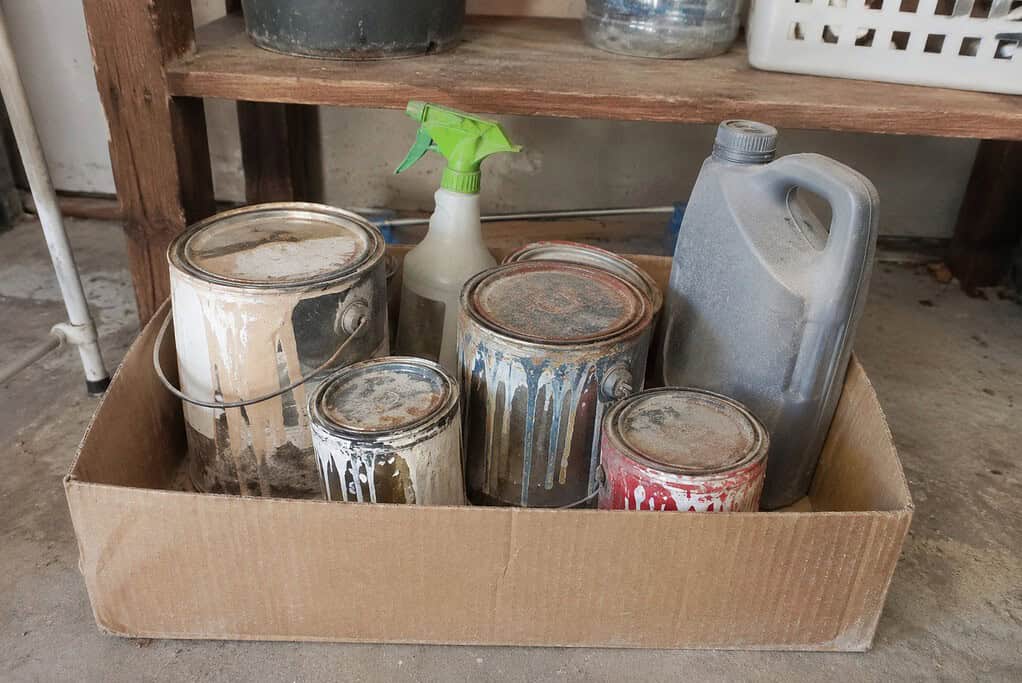
Old paint, weed killer and motor oil need their own trip. We boxed ours up for our city’s hazardous waste day when we cleared the garage. Call your town to find out when yours is, and what they take.
Old Medicine
The FDA says a take-back program is the best choice. Some pharmacies have drop-off boxes, so ask at yours.
If you can’t get to one, almost all medicines can go in the trash. There’s just a right way to do it.
Mix the pills with used coffee grounds or cat litter, and seal them in a bag. Don’t crush the pills.
Scratch your name off the empty bottle before you toss it. A few medicines have special rules, so ask your pharmacist if you’re not sure.
Old Electronics
Many towns and stores take these for recycling. My husband dropped off our old hand mixer and electric knife at Best Buy, after we called first. There’s more on that in what to do with old small appliances.
How I Made Peace With the Trash Bag
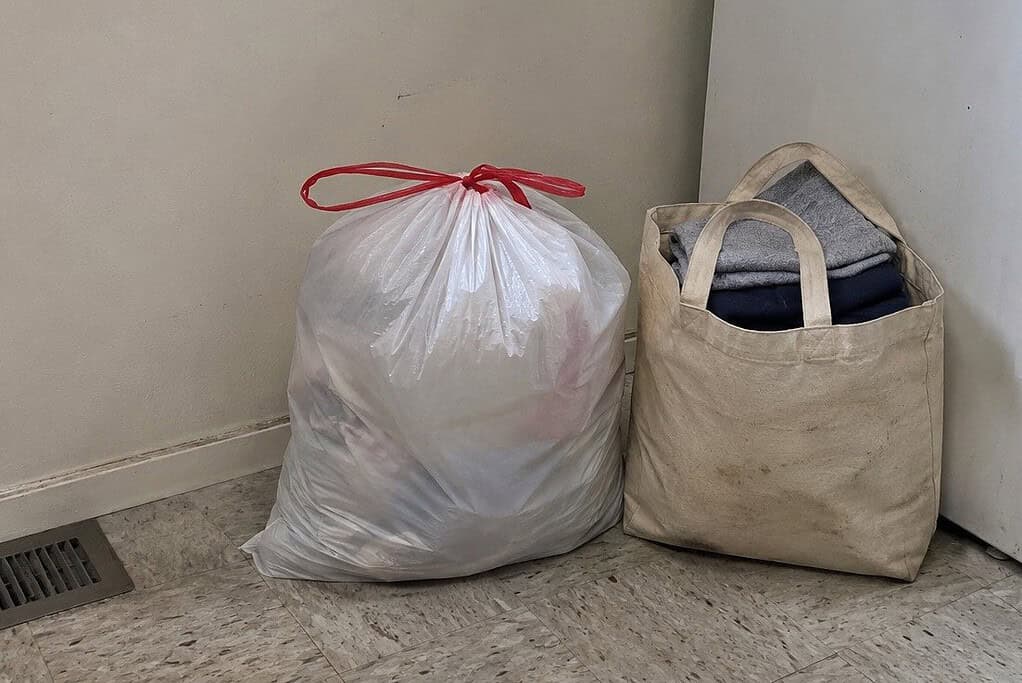
It took me a while to stop feeling bad, and a few plain thoughts helped.
Most of these things have already done their job. That old towel dried my kids for twenty years. It doesn’t owe anybody anything now.
Keeping it doesn’t save it, either. A stained blouse in my closet is still a stained blouse. It’s just taking up room in my house instead.
I also keep a little system. A trash bag sits right beside my canvas tote while I sort, so every item has a place to go.
When the bag is full, I tie it shut and take it out that same day. (If I leave it overnight, I start peeking.)
This is only for the worn-out things. I don’t throw away photos, letters or anything in my mother’s handwriting in a hurry. Those get a small box and a good day, and sometimes a cup of tea with my sister.
The Next Bag I Took to Church
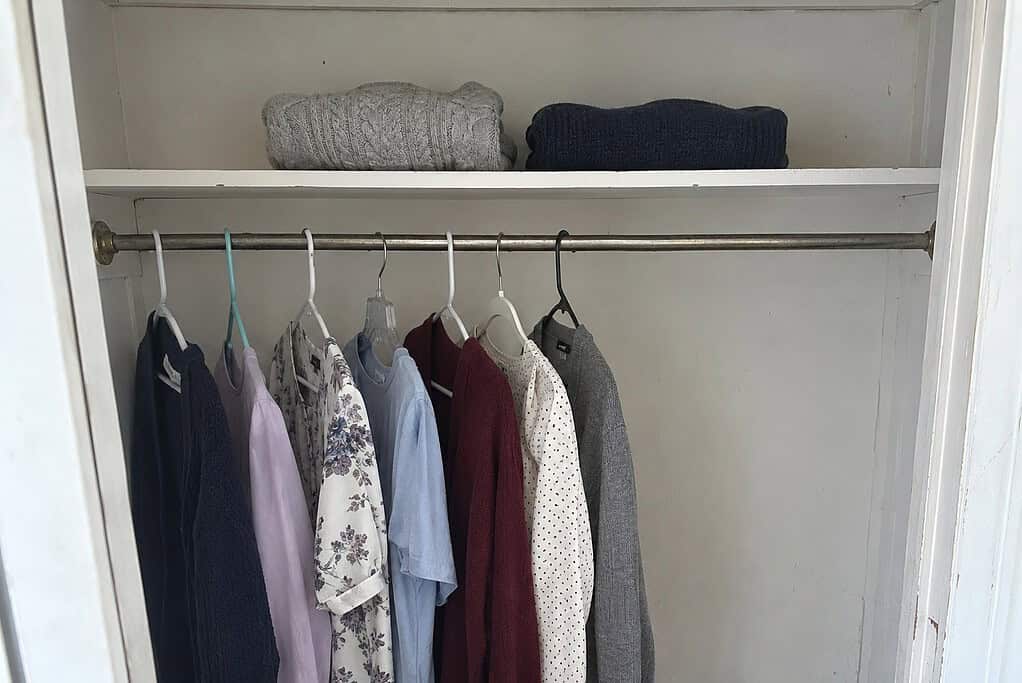
A few months after the blue blouse, I carried another bag to the clothing closet.
It was a smaller bag than I usually bring. Everything in it was clean, with all its buttons. I had held up each piece and asked my one question.
The same woman went through it while I stood there. She held up a soft green sweater and said, “Oh, somebody’s going to love this.”
There was no box under the table for me that day.
And when I got home, my closet had more room in it than it had before. I could see every shirt I own, and each one is something I’d happily wear. That’s a good way to start a morning, and I’ve come to think of it as taking care of myself.
You can let the worn-out things go. You aren’t wasting them. You’re just done carrying them.

Once the broken and stained things are gone, the rest of the job feels so much smaller. You can see what you really have.
My free Declutter for Self Care Checklist breaks your home into small, gentle jobs. Pick one spot this week, and keep a trash bag and a donation bag close by.
Frequently Asked Questions
Is it okay to throw away clothes instead of donating them?
Yes, if they’re stained, torn or badly worn, and you can’t get to a textile recycling drop-off. Good, clean clothes should still go to someone who can wear them. Ask yourself if you’d hand it to a friend.
What should you not donate to a thrift store?
Many thrift stores can’t take broken or soiled items, bed pillows, mattresses or recalled products. Rules are different from town to town. A quick call or a look at the store’s website will tell you what they take.
Is it wasteful to throw things away?
It can feel that way. But if nobody can use a thing, sending it to a charity only moves the job to someone else. Use what you can, pass on what’s good and let the rest go.
What household items should not go in the trash?
Keep lithium-ion batteries, old paint, weed killer and motor oil out of the kitchen trash. Call your town about a hazardous waste day. Take old electronics to a recycling drop-off, and use a take-back box for medicine if you can.
How do I stop feeling guilty about throwing things away?
Remember that the thing has already done its job. Keep your trash bag beside your donation bag, so each item has a place to go. Then take the bag out the same day, before you start to second-guess yourself.
Follow me elsewhere!

