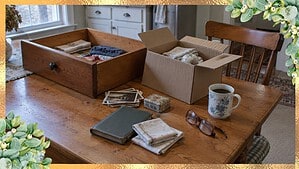
If you’re about to start clearing out your house, I’d like to tell you a few things first.
Nobody told me these. I learned every one of them the slow way, one drawer and one closet at a time.
Some of them made me laugh. A couple of them made me cry. All of them would have made it easier if I’d known sooner.
So here are the things nobody tells you about decluttering, from one woman in her 60s to another. Pour a cup of coffee and pull up a chair.
1. It’s More Tiring Than You Think
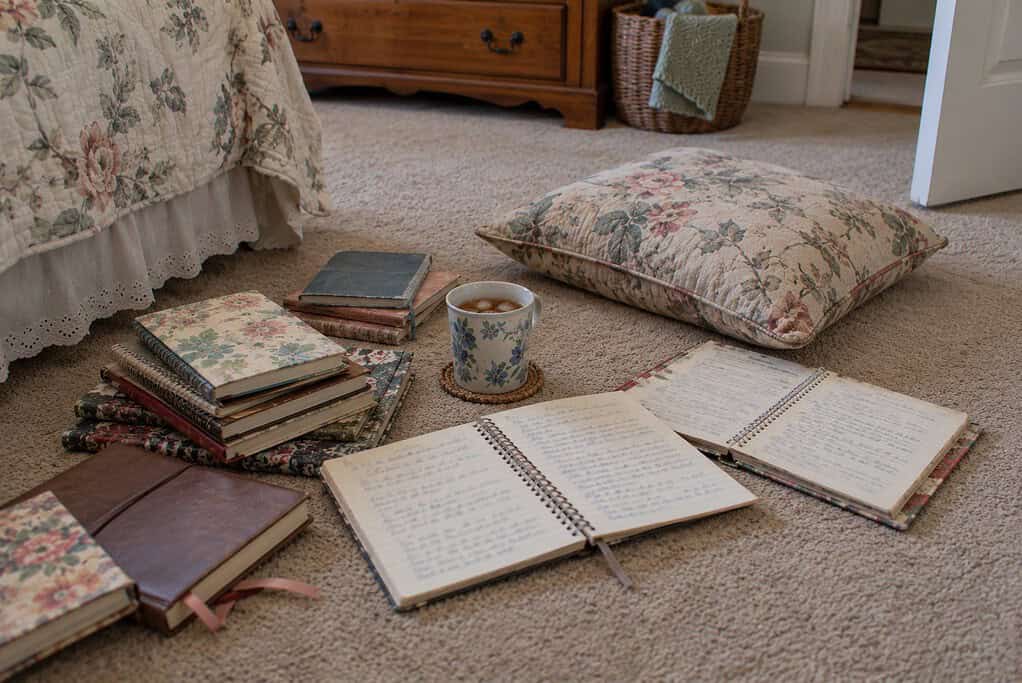
The first time I sorted my old diaries, I sat on the bedroom floor for two hours. When I finally stood up, my knees ached and my head felt foggy.
I hadn’t lifted anything heavy. I’d just made one choice after another. Keep it, toss it, give it away, keep it, toss it.
That kind of work wears you out, even sitting down.
So now I work in short sessions, about 10 or 15 minutes at a time. I sit at the kitchen table, not on the floor. And I stop while I still feel fine, not when I’m worn out.
The second time I sorted those diaries, I did it in one hour at the table. It went so much better.
2. It Looks Worse Before It Looks Better
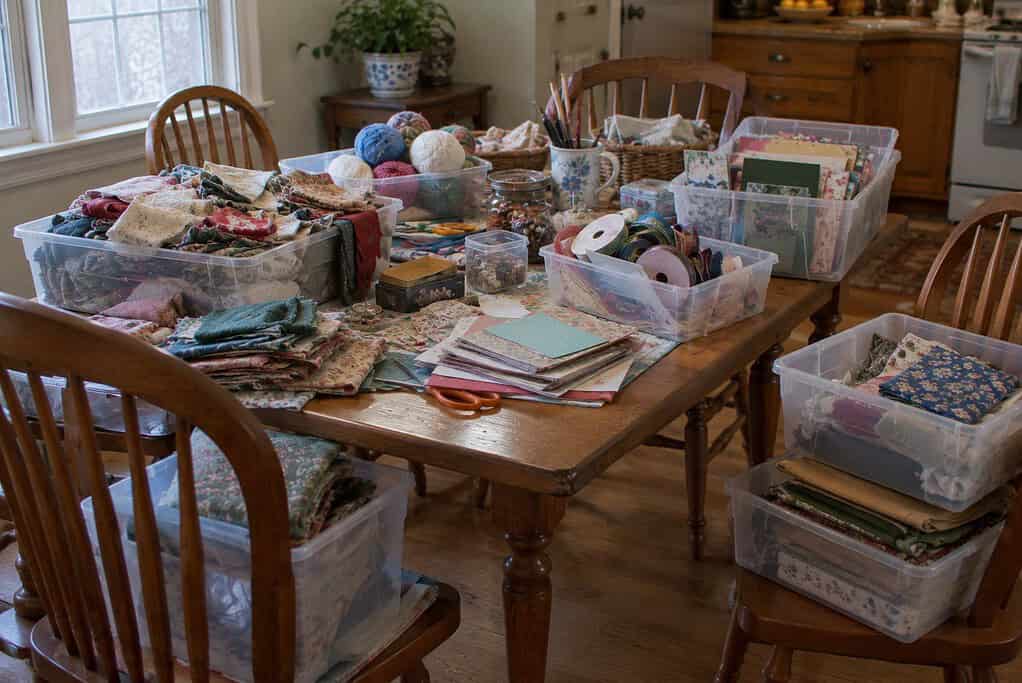
When I cleared my craft supplies, my grandson carried every bin to the kitchen for me. For a few days, I could barely see my kitchen table.
Nobody warns you about this part. You take everything out, and for a while, your house looks messier than when you started.
It’s easy to feel like you’re failing. You’re not. It’s just the middle.
What helped me was working one bin at a time. I’d open one, sort it, and put everything away or out the door that same day. Then the table was clear again by supper.
3. Memories Show Up in the Strangest Places
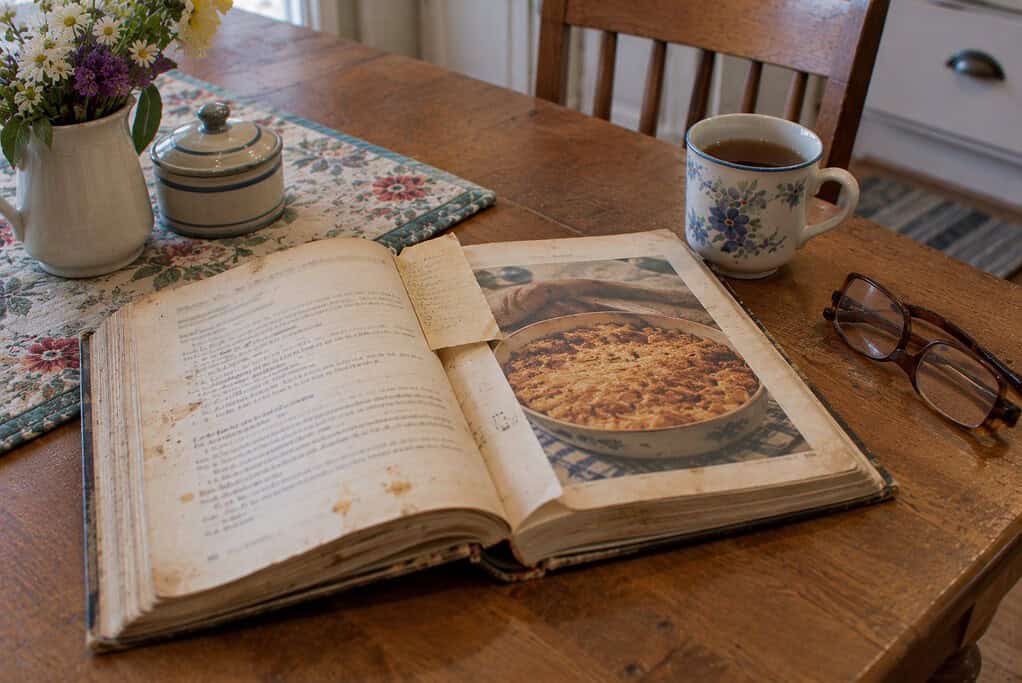
I expected to feel sad going through my mother’s photos. I didn’t expect to cry over a grocery list.
It was tucked inside one of her cookbooks. “Eggs, butter, bananas,” in her handwriting. She was making banana bread, the way she did almost every week.
That’s how it goes. The big things you brace for. The small things sneak up on you.
So I keep a little box nearby when I sort. If something stops me in my tracks, it goes in the box, and I keep going. I can sit with it later, with a cup of tea, when I’m ready.
And if I need to stop for the day, I stop. Nobody is timing me.
4. Your Kids Won’t Want Most of It
This one stung. I always thought my kids would want the big dining room hutch someday.
When I finally asked, nobody wanted it. They wanted small things, like the recipe cards in my handwriting, an old toolbox and the letters my husband and I wrote years ago.
It isn’t that they don’t love you. Their homes are full of their own lives.
I shared how I asked mine, and what they really wanted, in my post on what kids want to inherit. Asking was the kindest thing I did for all of us.
5. Most Things Won’t Sell for Much
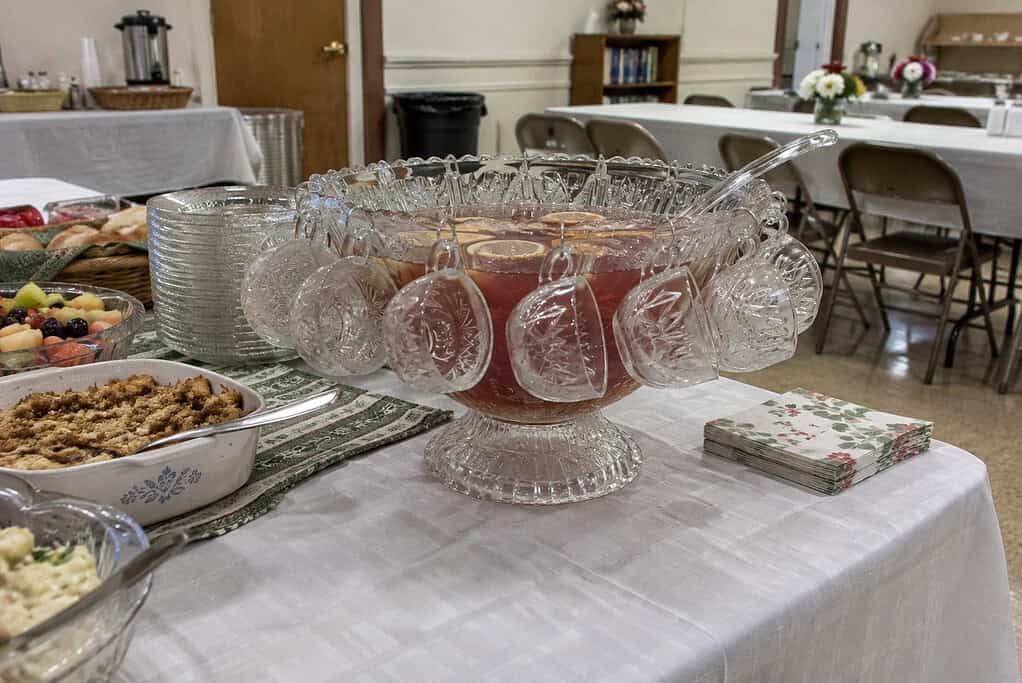
I was sure my crystal punch bowl would sell. It was clean and shiny, with twelve little cups, and not one chip.
Nobody wanted it. Not even when I lowered the price.
Formal china, crystal, figurines and big dark furniture are hard to sell these days. A few things do sell well, like real jewelry, good tools and small wood furniture. I wrote about what sold and what didn’t in my post on what’s worth selling when decluttering.
So don’t let “it might be worth something” keep you stuck. Look up what similar things really sold for, then decide. (My punch bowl went to church, where it comes out for every wedding shower.)
6. Gifts Are the Hardest Things to Let Go
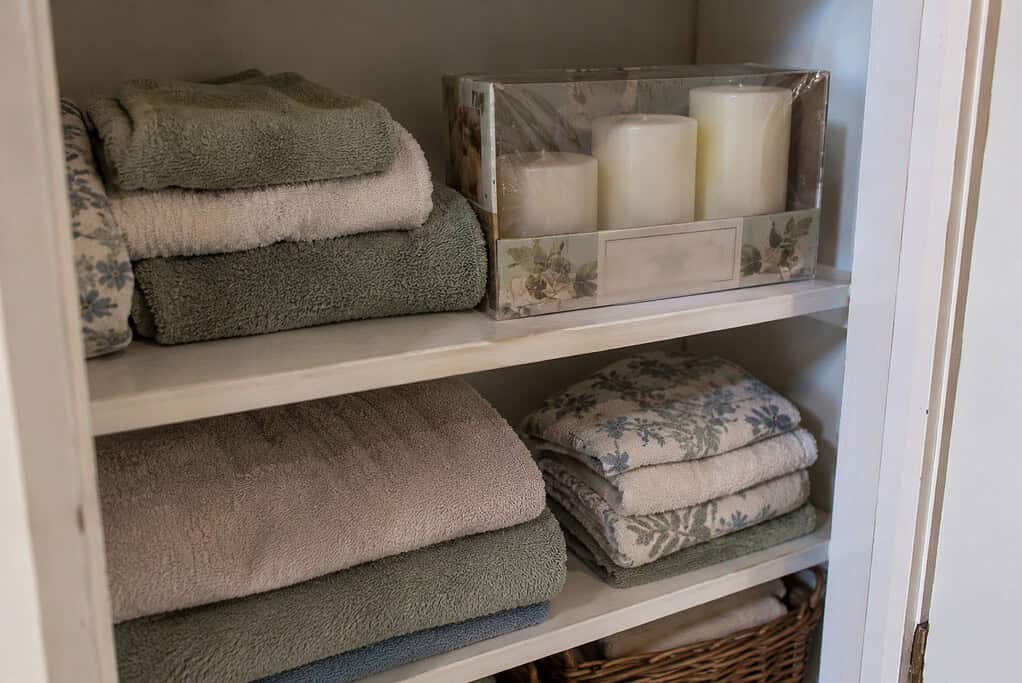
My sister-in-law gave me a set of candles years ago. They sat in my linen closet for three years.
I never lit them. I never liked the smell. But every time I thought about giving them away, I felt like I was being ungrateful.
What finally helped me was simple. The gift was the love behind it, and I already have that. The candles were just the box it came in.
Now, when I pass on a gift I don’t use, I picture someone who’ll really enjoy it. That feels a lot better than leaving it in a closet for another three years.
7. One Big Weekend Won’t Do It
Years ago, I spent a whole Saturday clearing out the hall closet. By Sunday, my back hurt, and by spring, the closet was full again.
I’ve learned that a big weekend clears a space, but it doesn’t keep it clear. Small habits do that.
Now I open the mail standing by the recycling bin. I keep a donation tote on a hook in the laundry room and drop it off the week it fills. I put things back when I’m done with them.
None of it takes long. I shared the rest in my post on habits to keep a home clutter-free.
8. You’ll Miss Almost Nothing
I was afraid I’d regret letting things go. That fear kept me holding on for years.
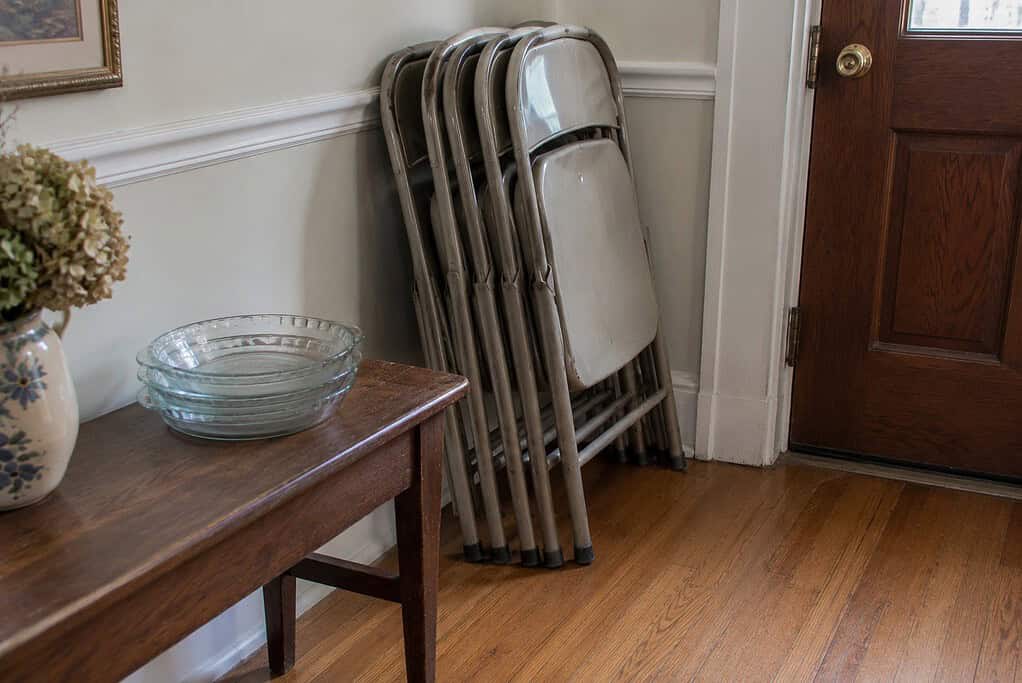
After all this time, I can only think of one thing I missed. The year I gave away our extra folding chairs, three of our cousins had to stand at Thanksgiving dinner. (We laughed about it, but my husband still brings it up.)
Now my neighbor lends us chairs when we need them, and we lend her our pie plates. That fixed it.
Everything else, I’ve never missed for a single day. Not the extra pans, not the clothes that didn’t fit and not the gadgets I used once.
9. It Comes Back Unless You Change What Comes In
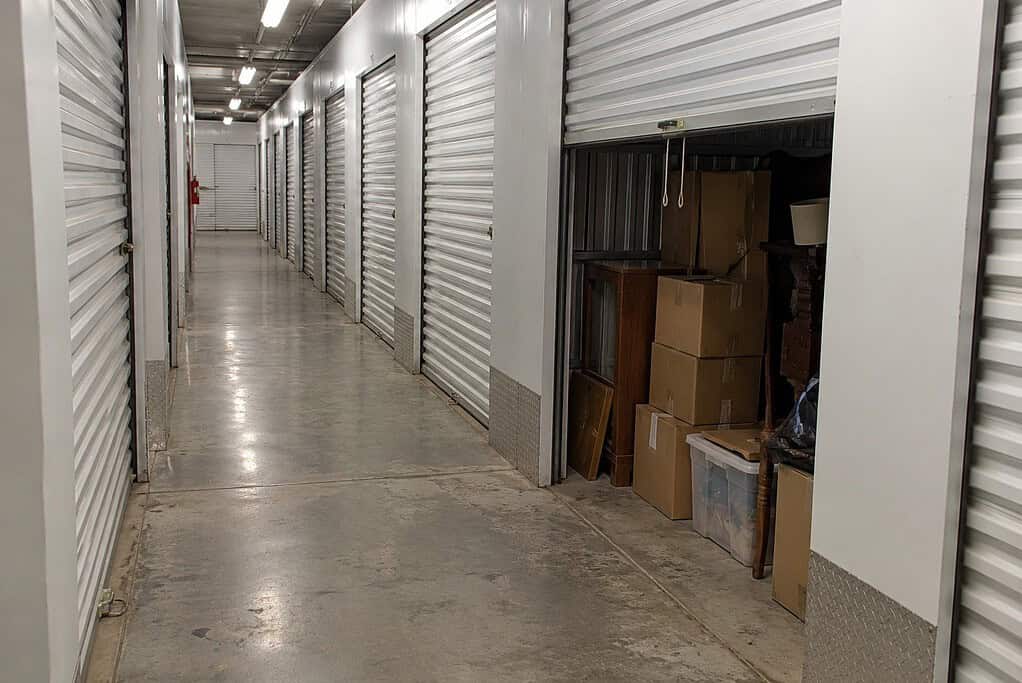
Clearing out is only half of it. The other half is not bringing it all back in.
When a house fills up, it’s tempting to rent a storage unit. More than 1 in 10 American households rent one, according to the Self Storage Association’s studies.
But a storage unit only moves the problem down the road, and you pay for it every month.
What worked for me was slowing down what comes in.
I keep a wish list on my phone instead of buying things right away. If I still want it in a month, I think about it then. I shared the full list in my post on things I stopped buying after decluttering.
10. Someone Else’s Things Aren’t Yours to Clear
My husband keeps everything. Coffee cans of screws, a whole pile of “we might need it” and a recliner with duct tape on the arm.
For years, that drove me crazy. I nagged, and he dug in his heels.
What finally brought peace was a simple rule. His things are his call. I clear my own things and our shared spaces, and I leave his alone.
I wrote about how we got there in my post on when your husband won’t throw anything away. It changed our house more than any closet I ever cleared.
11. You’ll Find Things You Forgot You Had
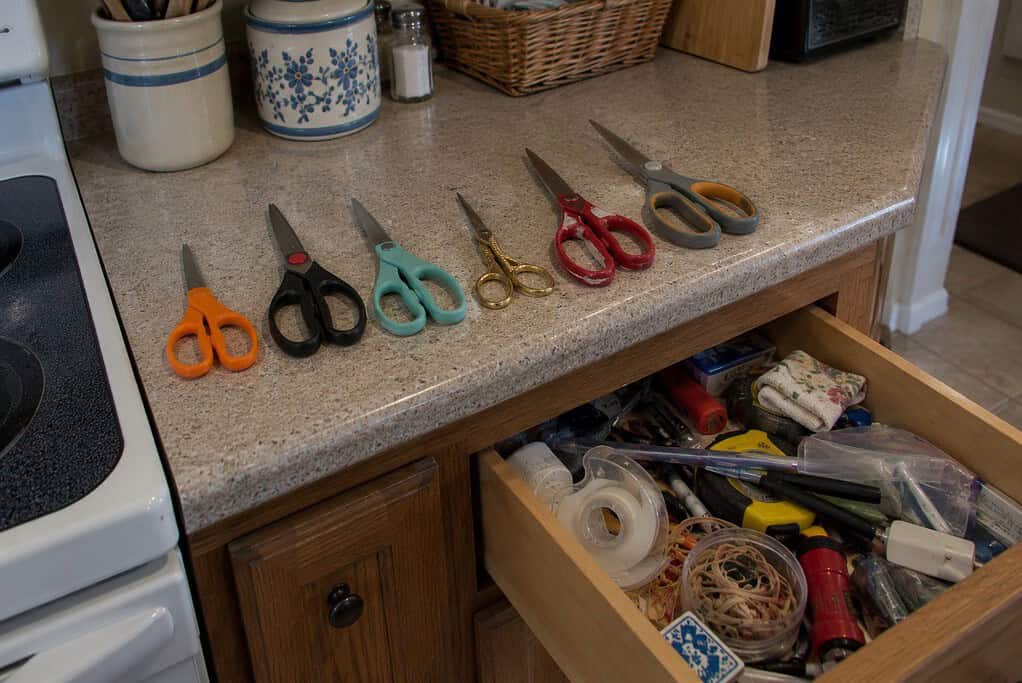
The day my granddaughter and I couldn’t find scissors, I bought a new pair. Then I started clearing the house.
I found five more pairs. Two were in the junk drawer, one was in my sewing basket, one was in the laundry room and one was in a coat pocket. (I still don’t know how that last one got there.)
That happens with all kinds of things. Tape, batteries, flashlights, reading glasses and pens all seem to multiply when you’re not looking.
So now I keep one of each in one set spot, and I put it back there every time. The extras went to the church nursery and a teacher who was glad to have them.
12. Other People Will Have Opinions
When you start clearing out, people notice. And many of them will have something to say.
A friend might tell you to keep everything. Someone else might tell you to throw it all out. A grown child might ask, “Why on earth are you keeping that?”
They usually mean well. But it’s your house, your memories and your pace.
When someone gives me advice I don’t need, I smile and say, “I’m doing it a little at a time, my own way.” Then I go back to my drawer.
13. It’s Okay to Keep Things
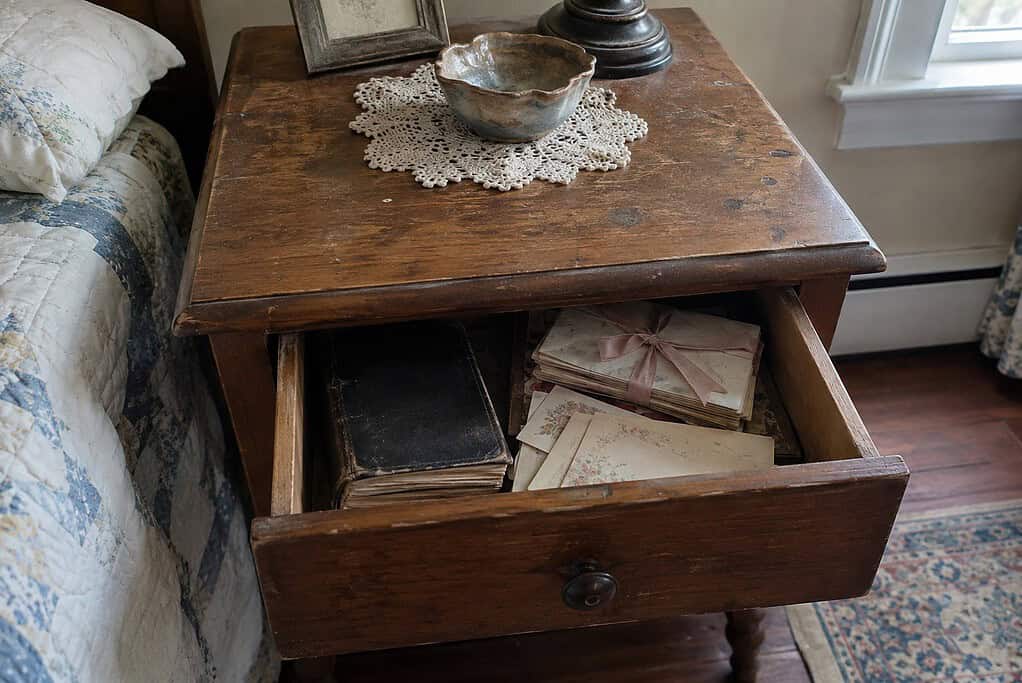
This might be the most important one. Decluttering doesn’t mean keeping nothing.
My mother’s Bible sits in my nightstand. I keep my husband’s old letters, a few of Mom’s recipe cards and a lopsided clay bowl my grandson made in second grade.
I keep my books too, the ones I read and love.
Decluttering just makes room for the things that matter. I shared the things I’m so glad I kept in my post on what not to declutter.
The Best Part Nobody Tells You
There’s one thing I wish someone had told me loudest of all.
It feels so good.
Not perfect. Not like a magazine picture. Just lighter, in a way I didn’t expect.
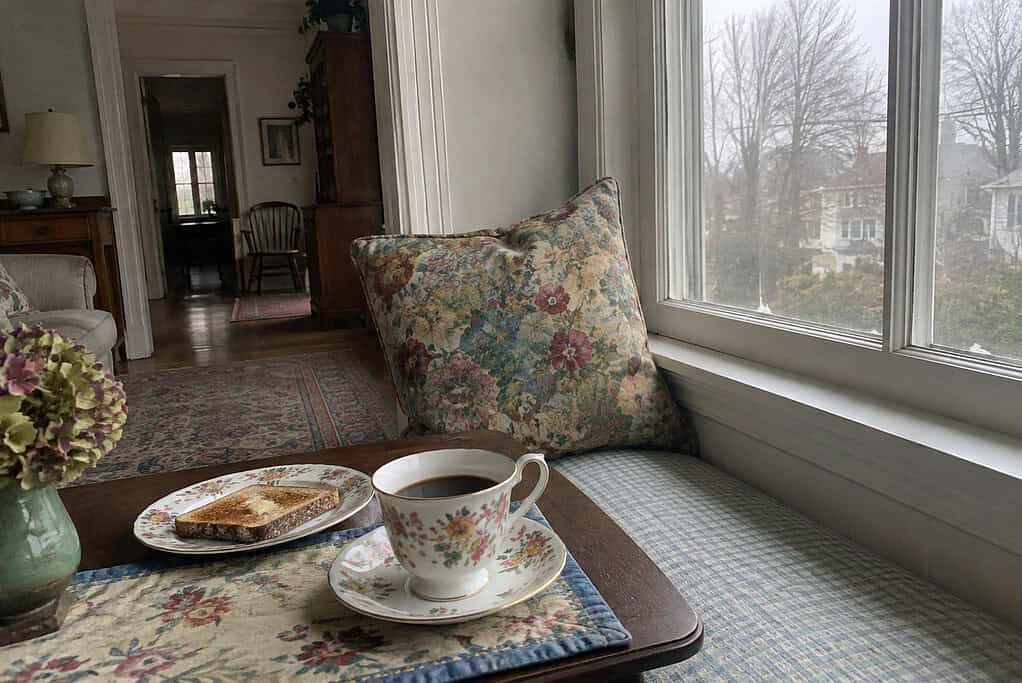
I can find my glasses. I can open a cupboard without anything falling out. On Sunday mornings, I eat off my mother’s china and drink my coffee by the window, and nothing in the room is asking me for anything.
That’s what decluttering after 60 gave me. Not an empty house, but a calm one.
So start small, go slow, and keep what you love. And if nobody has told you yet, you’re doing better than you think.
A Little Help to Get You Started

Now that you know what to expect, the next step can be a small one.
My free Declutter for Self Care Checklist breaks your home into short, gentle jobs. Pick one, do it in a few minutes, and stop while you still feel good.
Frequently Asked Questions
Why is decluttering so tiring?
Decluttering means making one decision after another, and that wears you out, even if you’re sitting down. Short sessions of 10 to 15 minutes help a lot. Stop while you still feel fine, and come back another day.
Is it normal for my house to look worse when I start decluttering?
Yes. When you take things out to sort them, your space looks messier for a while. Work on one bin, drawer or shelf at a time, and finish it the same day, so the mess never spreads too far.
What if my kids don’t want my things?
That’s very common, and it doesn’t mean they don’t love you. Ask each child what they’d like, and you may find they want a few small things with memories attached. The rest can go to people who will use it now.
Will I regret getting rid of things?
Most people miss very little. If you’re unsure, keep the things you use and love, and let go of the rest a little at a time. You can borrow the rare thing you need from a friend or neighbor.
How do I keep my house from filling up again?
Change what comes in. Keep a wish list instead of buying right away, give away one thing when a new one comes home, and keep a donation bag ready so things leave the house quickly.
Follow me elsewhere!

