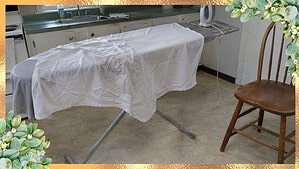
“I’m not ironing another tablecloth as long as I live.”
My mother said that the fall she turned 74. She was standing at her ironing board with a big white tablecloth over one arm.
It was her Thanksgiving tablecloth. She had ironed it before every holiday dinner for as long as I could remember. (She ironed the twelve napkins too.)
That year, her shoulders started to ache before she was halfway done. She set the iron down and sat at the kitchen table for a while.
Then she folded that tablecloth and put it in a bag for the church rummage sale. The next week, she bought a plain one that came out of the dryer smooth.
I thought she was just tired that day. Now that I’m in my 60s, I understand it better.
She wasn’t giving up on Thanksgiving. She was giving up a job that didn’t give her much back anymore.
Some things in our homes ask for a lot of care. They need polishing, ironing, watering, washing or climbing up to reach. After 70, a lot of that care just isn’t worth it.
It’s not that you can’t do it. It’s that you don’t have to.
Why Upkeep Feels Heavier After 70
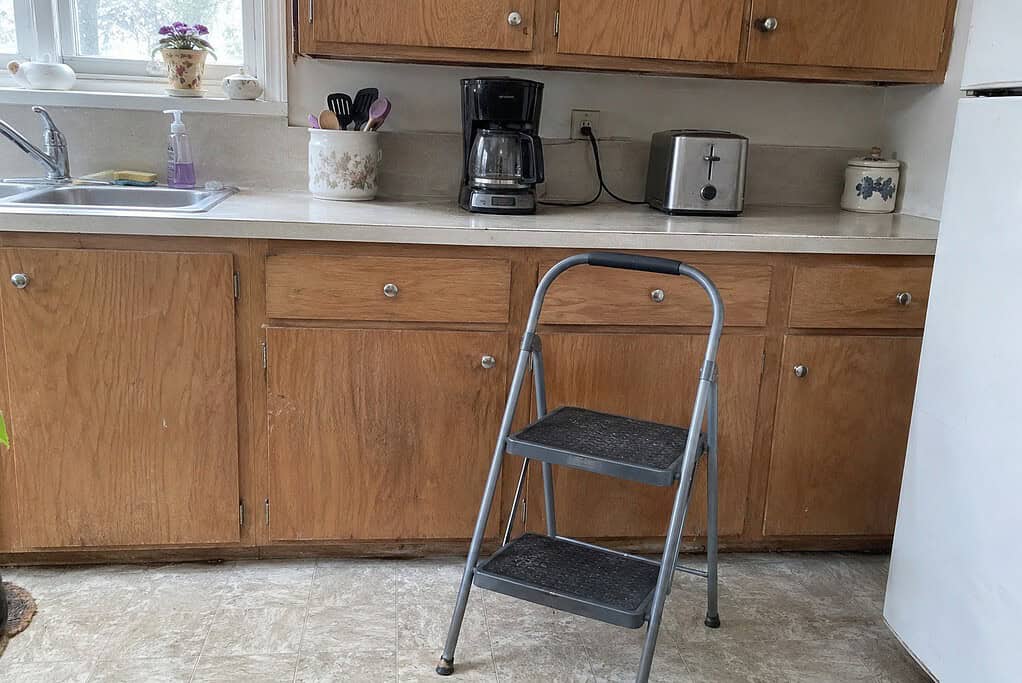
When we’re younger, we hardly notice the small jobs our things need. We polish, we iron, we climb the step stool, and we move on.
But those jobs add up. Everything in the house that needs care takes a little of your time and a little of your energy.
After 70, many of us have less energy to spare. Hands get stiff, and knees and shoulders get sore. A job that took twenty minutes at 50 can take an hour, plus a rest after.
Climbing matters more now, too. Falls are the leading cause of injury for adults 65 and older, according to the CDC. A job that needs a step stool is a job worth thinking twice about.
And our time matters more than it used to. My mother said she’d rather spend an afternoon with a friend than with a jar of silver polish. (She laughed when she said it, but she meant it.)
When you let a thing go, you let its job go too. That’s where the relief comes from.
Three Questions I Ask About Upkeep
Before I let something go, I ask myself three questions. They take about a minute.
First, how much care does it need? Think about how often you clean it, polish it, water it or wash it. Then think about how long that takes.
Second, do I enjoy caring for it? Some women love to iron, and some love to fuss over their plants. If the care makes you happy, it’s worth it.
Third, would I miss it if it were gone? Be honest with yourself on this one.
Maybe a thing takes a lot of care, you don’t enjoy it and you wouldn’t miss it. Then you can let it go, and you’ll get that time back every week.
8 Things That Aren’t Worth the Upkeep After 70
I watched my mother let go of many of these in her 70s. I’ve started on a few of them myself, in my 60s, so I won’t have to do it all later.
1. Anything That Needs Polishing
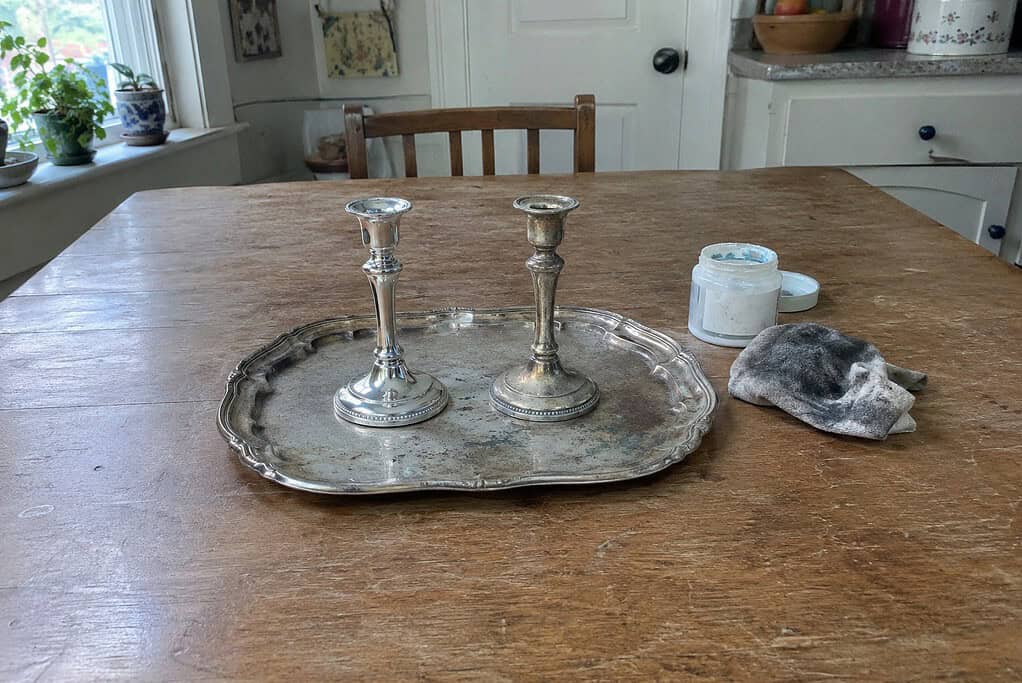
Silver trays, brass candlesticks and copper pots all look lovely when they shine. But they don’t stay that way. Silver turns dark when it touches tiny bits of sulfur in the air, so it keeps needing more polish.
Polishing is slow, messy work. It’s also hard on stiff, sore hands.
My mother polished her silver every November, before the holidays. In her 70s, she stopped polishing the pieces she rarely used. She said the holidays came just the same.
If you still love your silver, keep the few pieces you use. I wrote more about the rest in what to do with inherited silverware.
2. Tablecloths and Napkins That Need Ironing
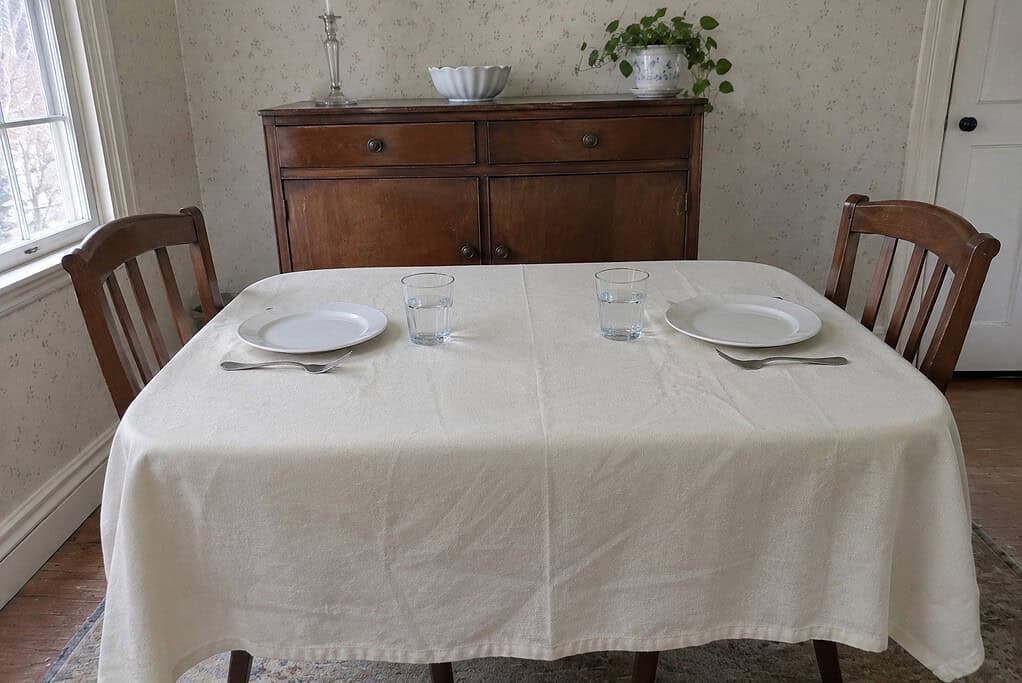
Cotton and linen tablecloths are beautiful. But many of them need washing, ironing and a long time on your feet.
After my mother let hers go, she never ironed for a holiday again. Her table still looked nice, and nobody said a word about it.
Look for tablecloths that come out of the dryer smooth. Or use simple placemats you can wipe clean. (I keep one plain tablecloth for holidays, and that’s plenty.)
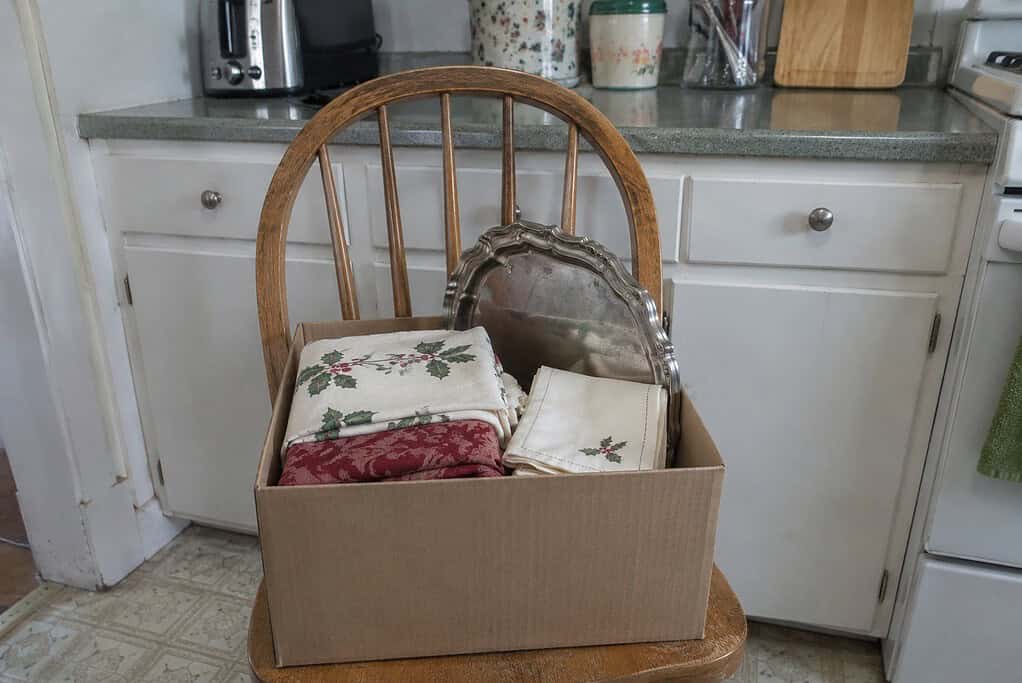
Do you have a drawer of tablecloths you haven’t used in years? A church kitchen or a thrift store may be glad to have them.
3. Too Many Houseplants
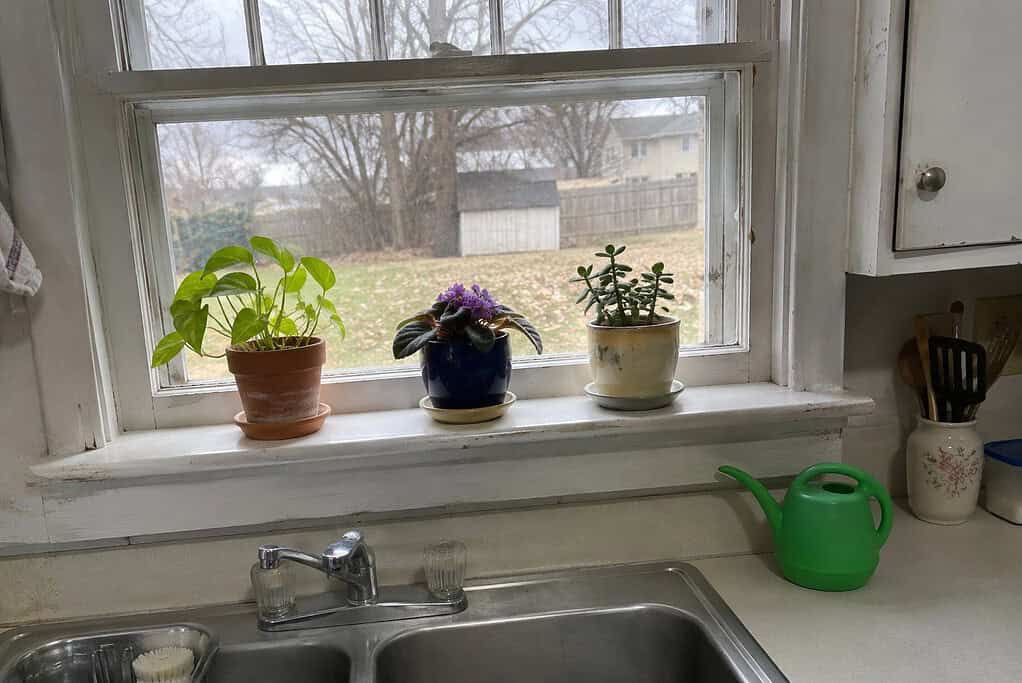
Plants make a home feel alive. But a house full of them means a lot of watering, repotting and wiping up spills.
Big pots are heavy, too. Carrying a full watering can from room to room gets harder every year.
In her late 70s, my mother kept fewer plants. She held on to the ones she could reach easily and gave the rest to friends and neighbors.
Keep the few you love most, in spots that are easy to reach. A neighbor, a grandchild or a friend from church can give the others a good home.
4. Big Pots and Hanging Baskets Outside
The same goes for the porch and patio. Big clay pots, hanging baskets and window boxes can need water almost every day in the summer.
Hanging baskets mean reaching up high with a heavy watering can. Big pots are hard to move when the weather turns cold.
You don’t have to give up flowers. Try two or three pots by the door, where you can water them without reaching or bending too far. I shared more in putting the patio and garden away for winter.
5. Fussy Bedding
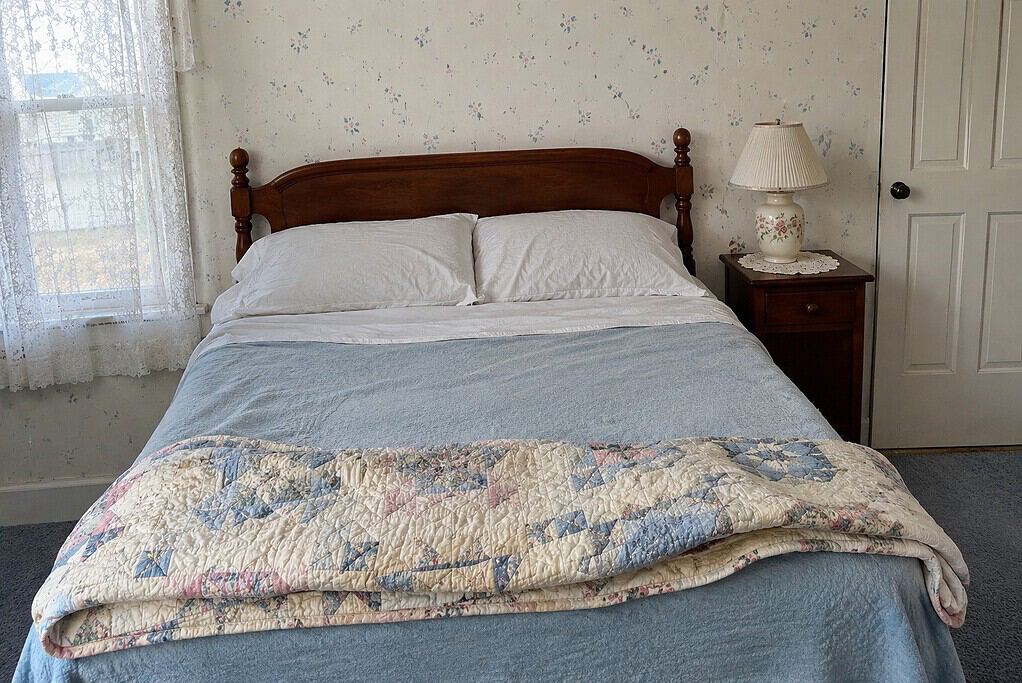
Bed skirts, layers of shams and piles of throw pillows look pretty. But they turn changing the sheets into a much bigger job.
Getting a bed skirt back under a heavy mattress is hard on your back. So is pushing a thick comforter back into its cover.
Our bed has my grandmother’s quilt at the foot and two pillows for sleeping. (That’s it. I took the extra pillows off years ago, and nobody has asked about them.)
A simple blanket or quilt that goes in the wash is one of the easiest changes you can make. You’ll feel it every time you make the bed.
6. Heavy Curtains and Valances
Heavy drapes and fancy valances catch a lot of dust. To wash them, someone has to climb up, take them down, clean them and hang them back up.
That’s a step stool or ladder job, and it isn’t one you should do alone.
Light curtain panels are easy to take down and put in the washer. Blinds and shades can be wiped clean right where they hang.
If you love your curtains, keep them. Just ask a grandchild or a neighbor to take them down for you.
7. Decorations Up High
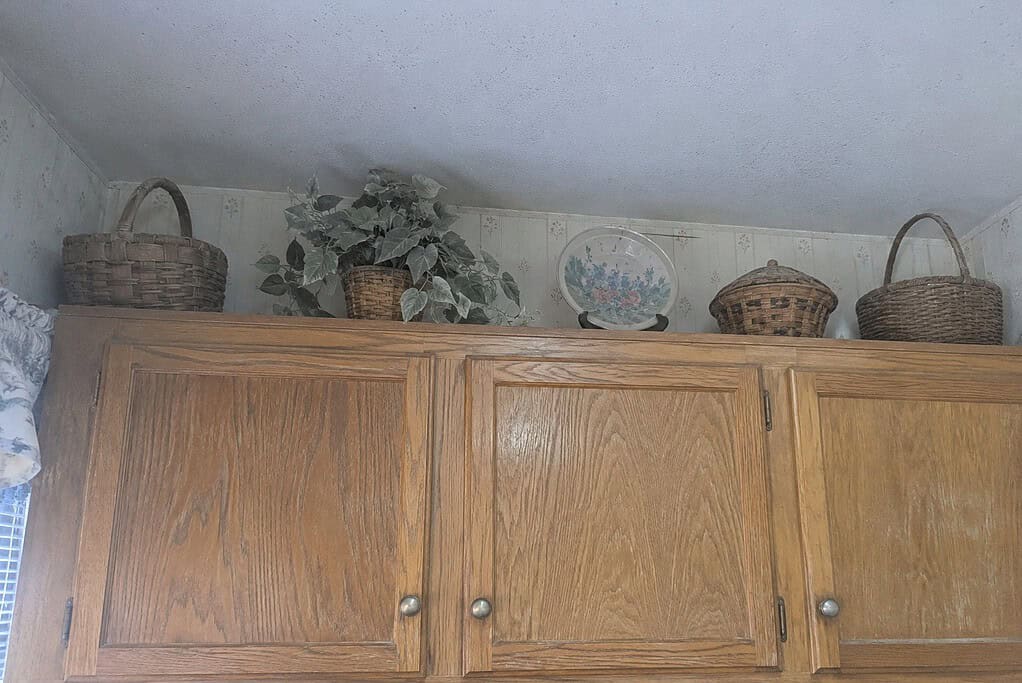
Many of us have baskets, plates or silk plants on top of the kitchen cabinets. Or a row of pretty things on a high shelf.
In the kitchen, those things pick up a sticky layer of grease and dust. Cleaning them means a step stool, a damp cloth and a lot of reaching.
I asked the three questions about mine this fall. The truth is, I hadn’t really looked at them in years.
Keep the things you love at eye level, where you can enjoy them and dust them easily. I wrote about clearing out up high in decluttering the top shelf of the closet.
8. Clothes That Need Dry Cleaning or Hand Washing
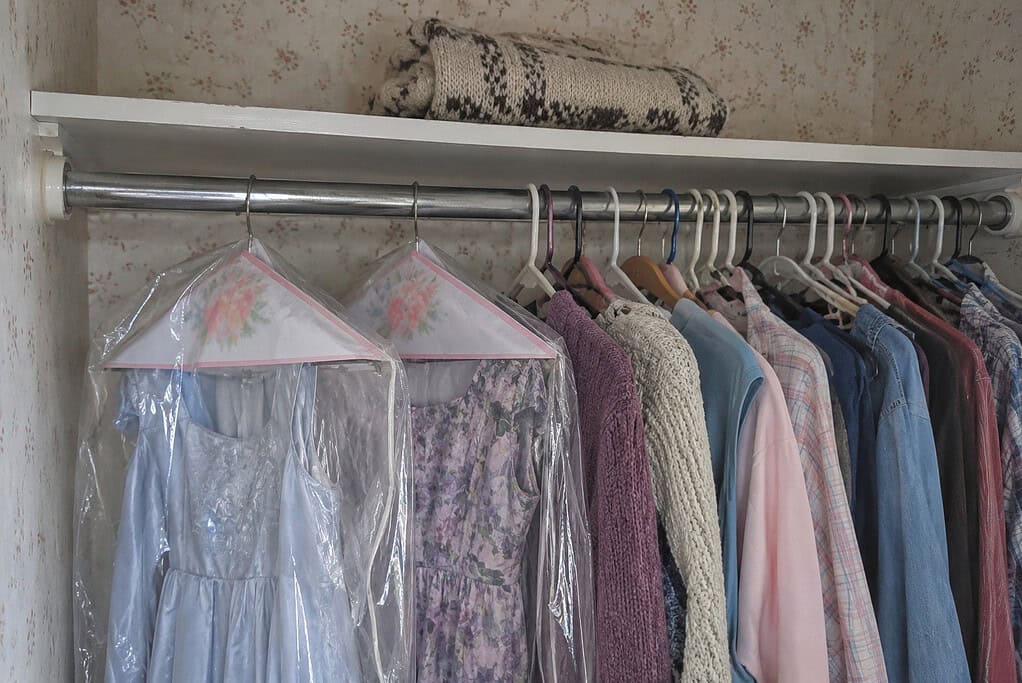
Dry-clean-only clothes mean a drive to the cleaners, a second trip to pick them up and a bill. Hand-wash sweaters mean a sink full of water and days of drying flat.
If you rarely wear them, that’s a lot of care for clothes that mostly hang in the closet.
Keep one or two good pieces you really love. For everything else, look for clothes that can go in the washer and dryer. I shared how I cut down my own closet in the flight attendant packing rule.
What’s Still Worth the Upkeep
I don’t want anyone to read this list and feel told what to do. It’s your house and your time.
If ironing relaxes you, keep ironing. If your plants make you happy, water them every day and enjoy it.
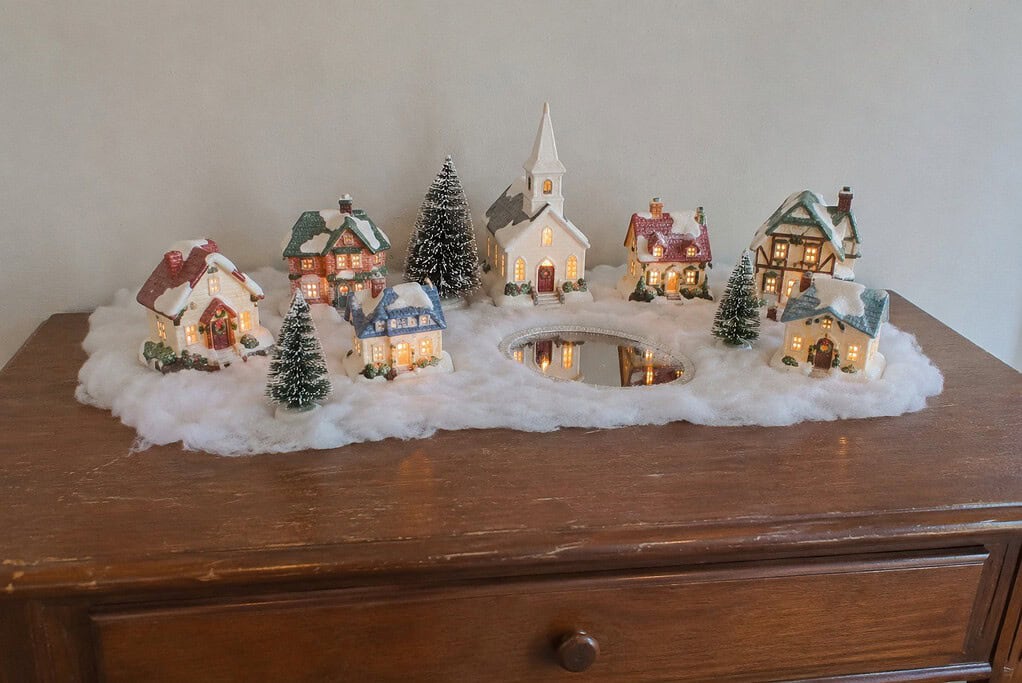
My mother gave up her ironed tablecloth, but she never gave up her Christmas village. Every year, the day after Thanksgiving, she set up all those little lighted houses on her dining room buffet.
It took a long time, and she loved it. So it was worth the work. (I told that whole story in my post on Christmas villages and nativity sets.)
The goal isn’t to do less of everything. It’s to choose. Keep caring for the things that make you smile, and let go of the ones that only make work.
How to Let Go of the Thing and the Job
You don’t have to do this all at once. One thing is a good start.
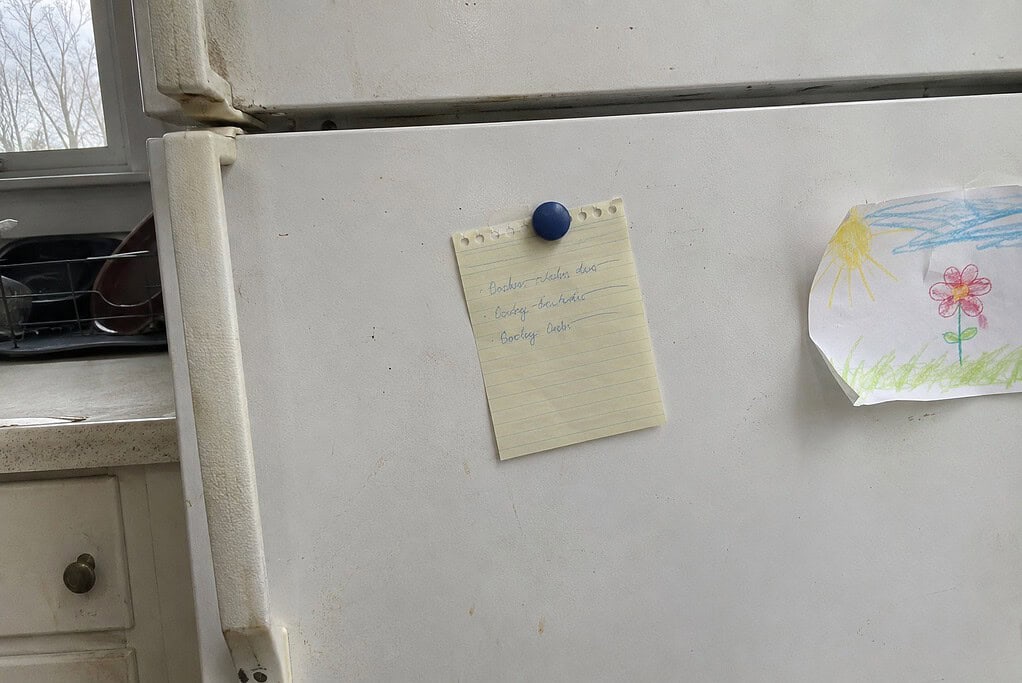
Begin by paying attention for a week. Each time you polish, iron, water or climb for something, write it down. A short list on the fridge is plenty.
At the end of the week, look at your list. Pick the job you were most tired of, and ask the three questions about it.
If the thing can go, get it out of the house soon. That way, you won’t change your mind on a tired day.
Tablecloths, silver pieces and curtains can go to a church, a thrift store or a young family. Plants can go to anyone who has a sunny window and some time.
If you’re not ready to part with something, you can still drop the job. Put the silver in a cabinet and let it go dark for a while. You can always polish it later if you want to.
Then enjoy the time you got back. I timed my own chores this fall, and I was surprised by how much less cleaning I had. You can read about that in less stuff, faster cleaning.
What I’m Doing Now, Before 70
I’m 64, so I still have some years before I reach the age my mother was at that ironing board.
But I don’t want to wait until my shoulders make the choice for me. I’d rather make it myself, a little at a time, on a good day.
So I keep asking my three questions. Our bed is simple now, and the tops of my kitchen cabinets are clear. My one plain tablecloth comes out of the dryer ready for the table.
My Saturdays are shorter, and my hands get a rest. I have time for a walk, a book or a cup of tea with a friend.
I think about my mother at that ironing board a lot. She didn’t lose a single thing that mattered that day. Thanksgiving dinner tasted just as good on the plain tablecloth.
She just got her afternoon back.
Start With One Job You’re Tired Of

You don’t have to give up everything to make your home easier to care for. Pick one job you’re tired of, and let that one go first.
My free Declutter for Self Care Checklist breaks your home into small, gentle jobs. As you go, you’ll see which things are worth your time and which ones aren’t.
Frequently Asked Questions
What things are not worth the upkeep after 70?
Many women stop keeping silver that needs polishing and tablecloths that need ironing. Too many houseplants, fussy bedding and heavy curtains often go too. Keep what you enjoy caring for, and let the rest go.
How can I make my home easier to take care of as I get older?
Start with the things that need the most care. Choose clothes and linens that go in the washer and dryer. Keep decorations and everyday things at a height you can reach without climbing.
Is it okay to stop polishing silver?
Yes. Silver may turn dark if you stop polishing it, but you can polish it again later if you want to. You can also keep just the few pieces you use and give the rest away.
How do I decide what to keep when I’m tired of the upkeep?
Ask how much care it needs, whether you enjoy that care and whether you would miss it. If it takes a lot of work and you wouldn’t miss it, you can let it go.
Should I stop using a step stool after 70?
That depends on your health and balance, and your doctor can help you decide. Either way, it helps to keep everyday things within easy reach. Ask someone to help with high jobs like taking down curtains.
Follow me elsewhere!

