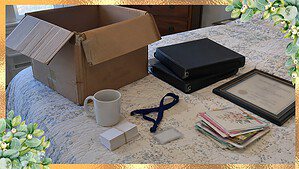
The box is brown, a little crushed on one corner, and taped shut with packing tape that has gone yellow.
On the side, in my own handwriting, it says “WORK, KEEP.” I packed it on my last day of work and put it in the back of the spare room closet.
I’ve been retired a while now. This fall was the first time I opened it.
Inside, I found a coffee mug, a stack of business cards, a lanyard with my old badge, two thick training binders, a framed certificate and a pile of cards from my retirement party. Under all of it was a folder of papers I really did need to keep.
It took me one afternoon to sort that box. And it made me look at every other work thing still tucked around our house.
If you’ve stopped working, or you’re about to, this is the list I wish I’d had on my last day. It covers what to keep, what to give back, and where everything else can go.
Why Work Things Stay So Long
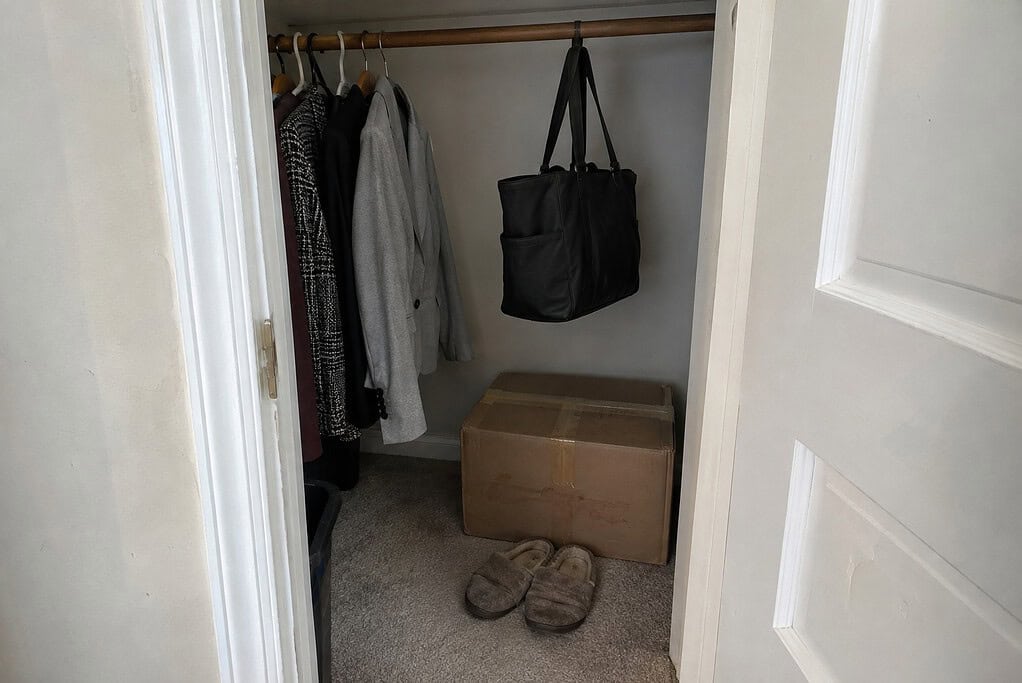
Most of us don’t keep work things because we need them. We keep them because we’re not sure yet.
Maybe we’ll go back part time. Maybe someone will call with a question. Maybe the old suit will be right for a wedding.
There’s another reason, too. For many years, work was a big part of who we were. Letting go of the badge can feel like letting go of that.
You can give yourself time. A few months after your last day is a fine time to start.
But there’s no reason to keep a closet full of maybe-someday things for ten years. (I almost did.)
In a 2022 Gallup survey, retired Americans said they stopped working at age 61, on average. That means a lot of us have many years ahead to use that space for something new.
Start With the Papers You Should Keep
Before you shred anything, pull out the papers that matter. This is the one part of the job that needs care.
The U.S. Department of Labor says to keep your retirement plan papers. That means the Summary Plan Description, letters from your plan and your benefit statements. It says to keep them in a safe place in case questions come up later.
If you have a pension from an old job, keep any letter that says you earned it. Those papers can help you or your family find a pension years from now.
Keep your last pay stubs and W-2s with your tax papers. The IRS says most people should keep tax records for at least three years, and some records longer.
It’s also smart to check your earnings record on your my Social Security account at ssa.gov. If something looks wrong, your W-2s and pay stubs will help you fix it.
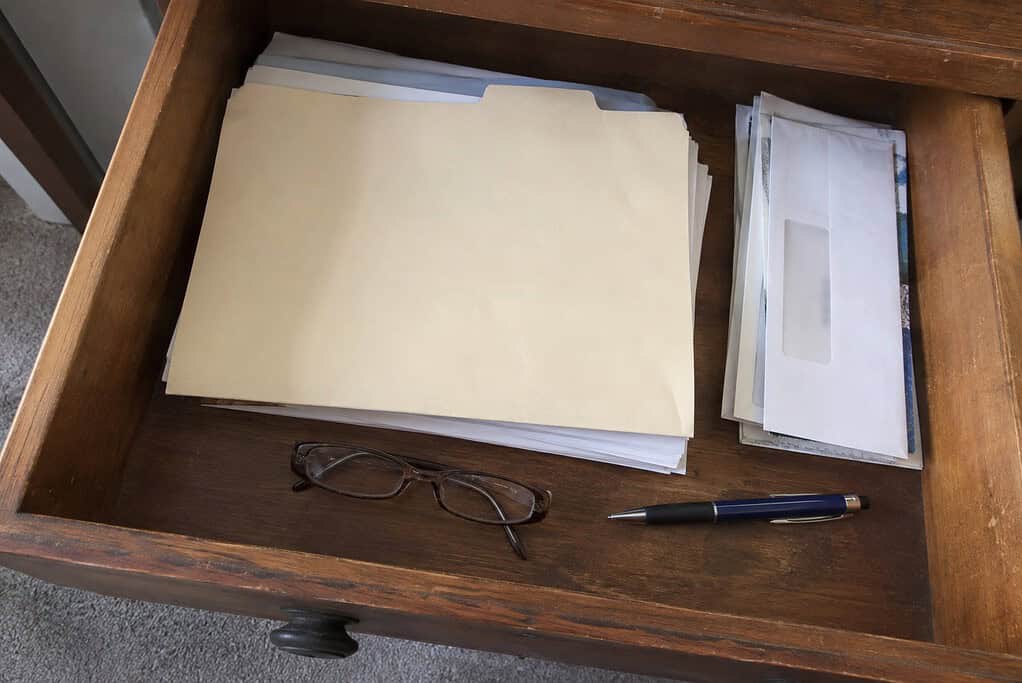
If you have retiree health coverage or COBRA, keep those papers with the rest. I put all of mine in one plain folder labeled “Retirement,” and it lives in the desk drawer.
Shred the Rest Safely
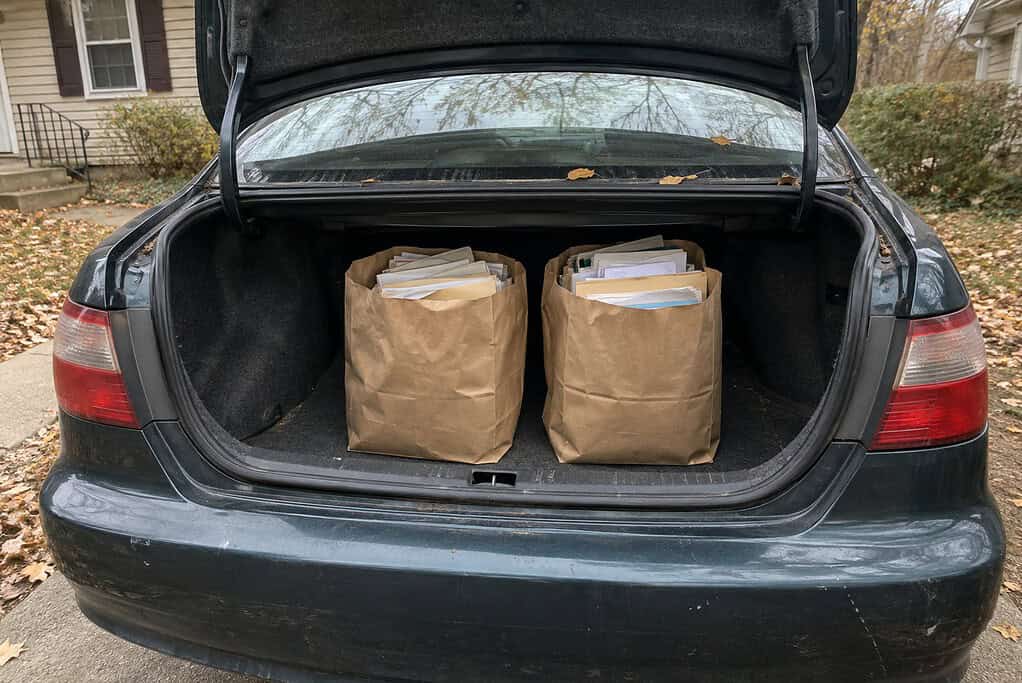
The rest of the paper in my box was old memos, schedules, meeting notes and copies of copies.
The Federal Trade Commission says to shred papers with personal information before you throw them away. If you don’t have a shredder, it suggests looking for a shred day in your town. (My post on how to stop hoarding paper can help with the rest of the paper in your house.)
AARP holds free shred events in many towns. You can find them at events.aarp.org. Many let you bring up to three boxes, and volunteers do the shredding while you wait.
I took two grocery bags of paper to one. It took less than ten minutes, and I didn’t have to lift a thing. (A nice young man carried both bags from my trunk.)
Give Back What Belongs to the Job
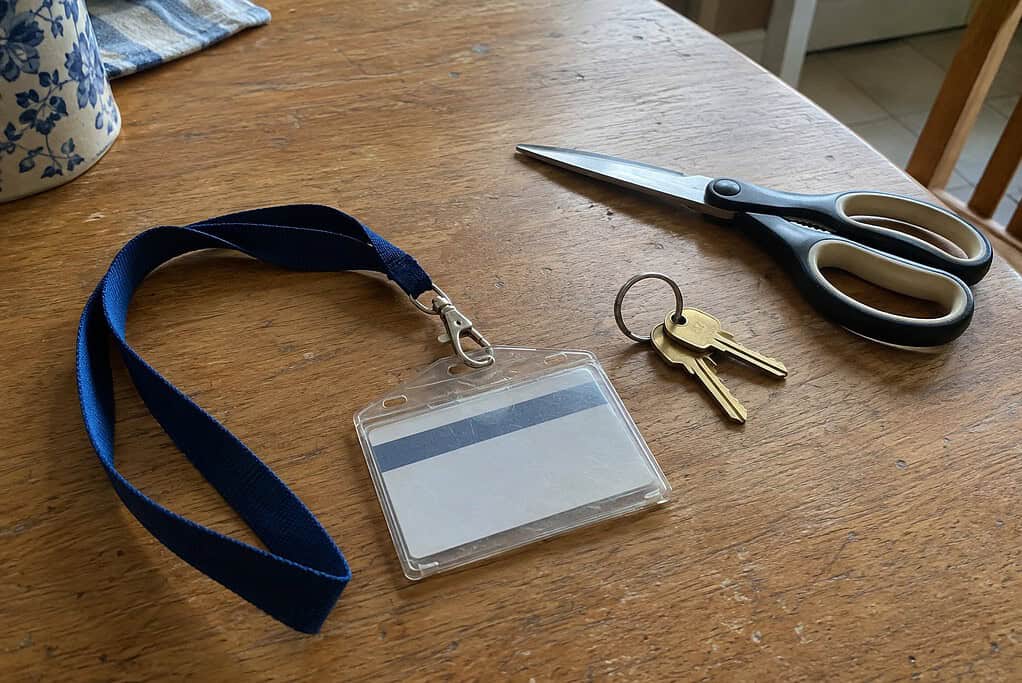
Some things in that box were never really mine to keep.
Old badges, office keys, a company phone or laptop, and files about the business all belong to your old employer. The safest choice is to call your former office or HR and ask how they want them returned.
Don’t put work files with names, numbers or private business details in the recycling bin. Ask the office first. Most will take them back and shred them.
My badge had expired years ago. I called, and the woman on the phone laughed and said to cut it up and toss it. So I did.
The Work Clothes
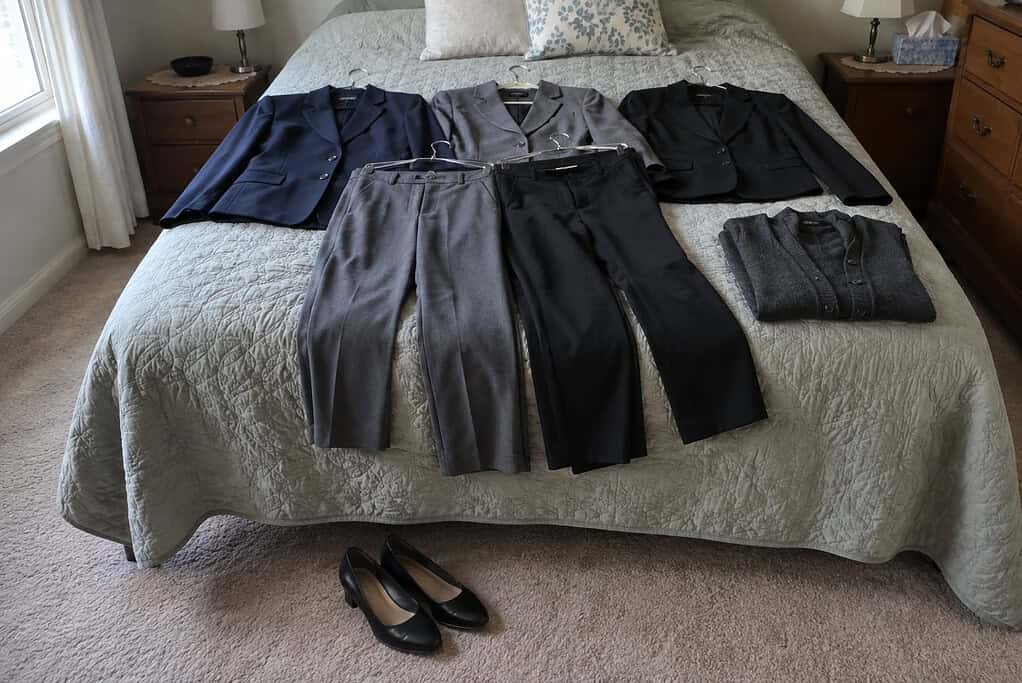
I let go of most of my work clothes a while back. I wrote about it in my post on letting go of the things you used to love.
My friend from church retired in September, and she asked me what to keep. This is what I told her.
Keep one or two outfits you love for weddings, funerals and dressy church days. If a piece still fits and feels good, wear it on a regular Tuesday.
The rest can help someone else. Dress for Success helps women dress for job interviews. Each local office sets its own rules, and many ask for clean, current suits by appointment, so call yours first.
For men’s suits, Career Gear takes clean, business clothes in good shape. Your local thrift store will also be glad to have them. My item-by-item donation guide can help you find the right spot.
The Work Bag, the Lunch Bag and the Desk Drawer
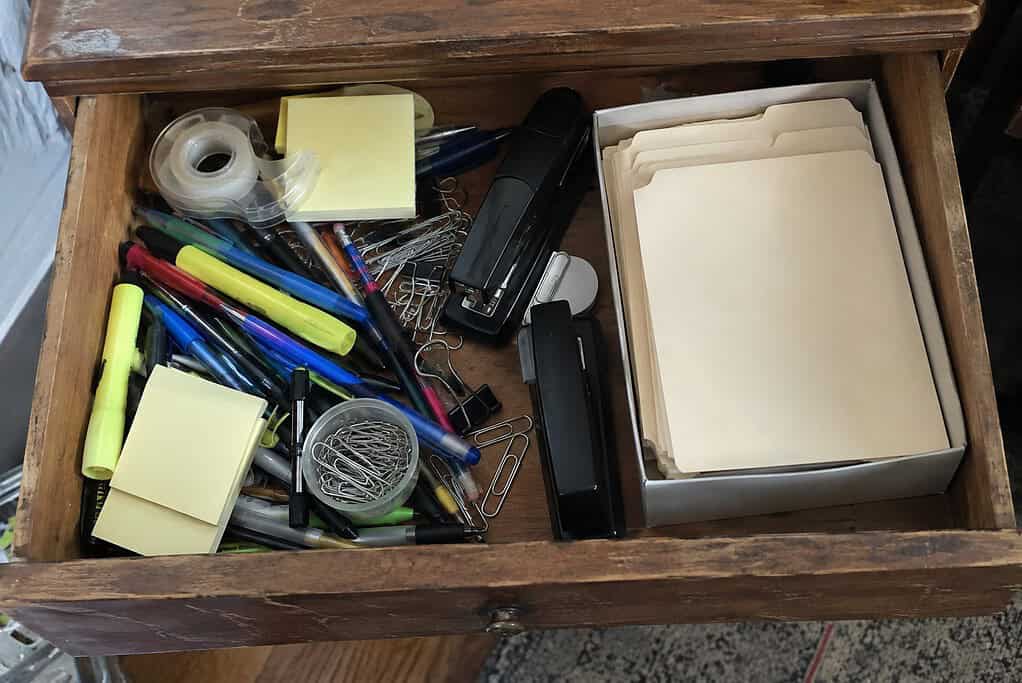
Next, I went through the things I used every day for years.
The big work tote hanging in the coat closet. A lunch bag with a broken zipper.
Three travel mugs. An umbrella that only went to the office.
I kept one travel mug and the umbrella. The tote and the extra mugs went to the thrift store, and the lunch bag went in the trash.
Then I opened the desk drawer. Pens, highlighters, sticky notes, paper clips, two staplers and a box of file folders.
I kept a few pens and one stapler. The rest went to a teacher at church who said her classroom always runs out of supplies.
Business Cards, Name Tags and Lanyards
Business cards with an old title on them don’t need to be saved. I kept one, tucked into my scrapbook, and recycled the rest.
If you want to keep the phone numbers of people you worked with, add them to your phone or address book first. Then the cards can go.
Lanyards and name tags from meetings and trainings can go, too. If a name tag has a lot of personal information on it, cut it up before you toss it.
Professional Books and Training Binders
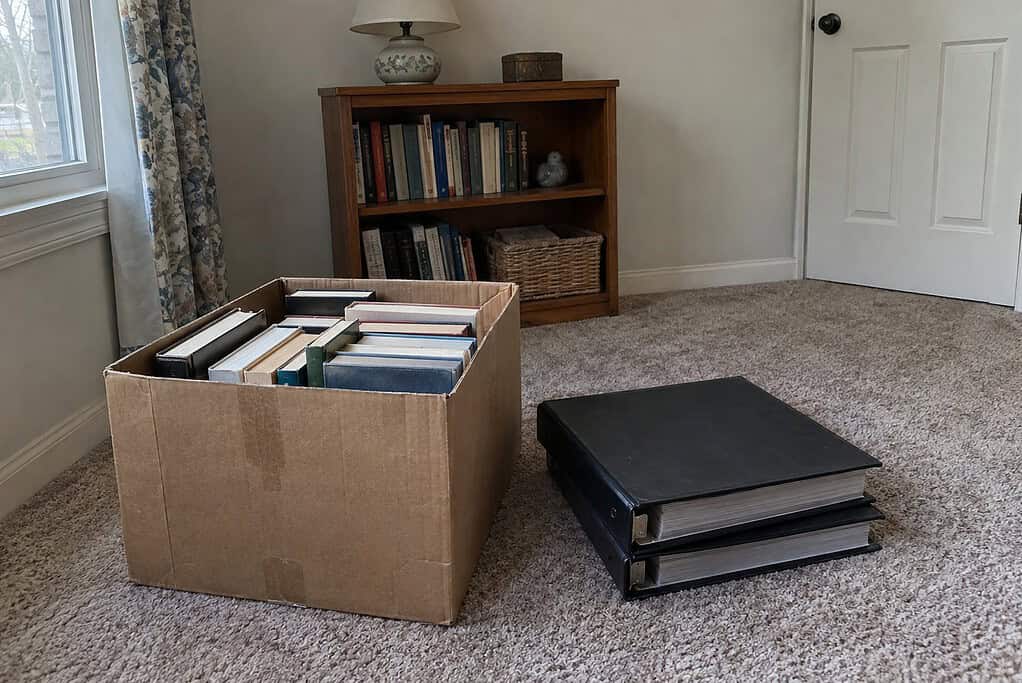
I had a shelf of books from my working years and two binders, each about three inches thick.
The binders were full of rules and steps that have changed many times since. I shredded the pages and kept the binders for my recipe printouts.
Most of the books were out of date, too. A few were still good, and those went to the Friends of the Library sale.
The American Library Association suggests calling your local library first to ask what they take. My guide on where to donate books has more places to try.
My spare room is slowly becoming my little library. Clearing that work shelf gave me room for the books I’m reading now.
The Awards, the Plaques and the Party Cards
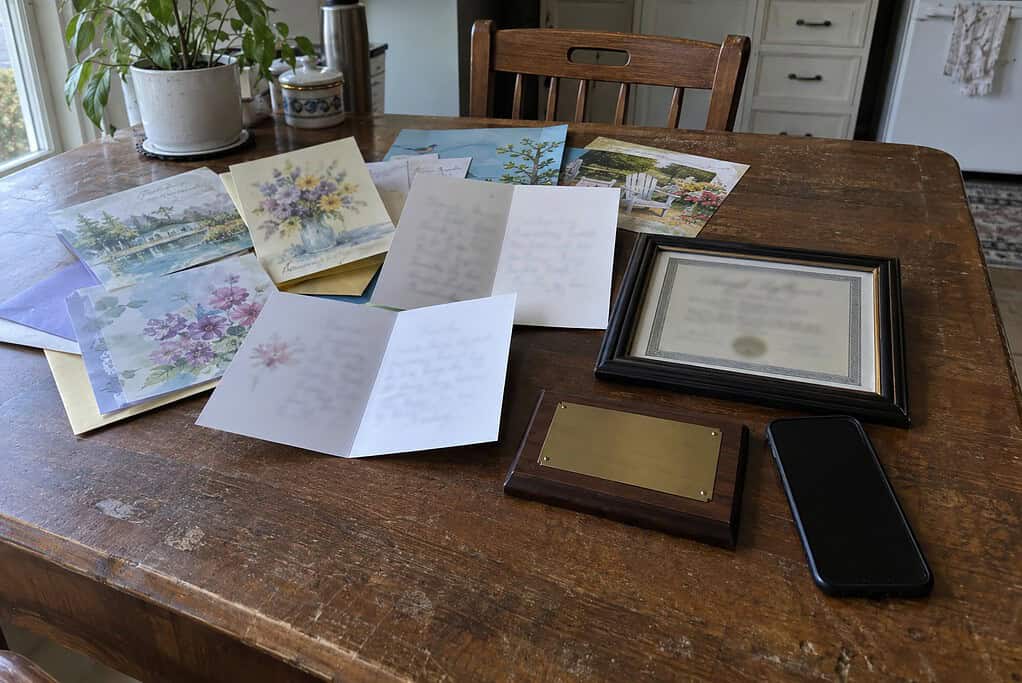
This was the slowest part of the box for me.
The framed certificate. A small plaque. The cards from my retirement party, full of kind notes from people I worked with for years.
I read every card again. Then I kept the ones with a real note inside and recycled the ones with only a signature.
I took a photo of the certificate and the plaque before I let them go. The photo is in an album on my phone called “Work Years,” and I can look at it any time.
If you can’t part with an award, keep it. Just pick one or two that mean the most and put them where you’ll see them. (My post on what not to declutter has more on keeping things on purpose.)
The Home Office: Computers, Printers and Ink
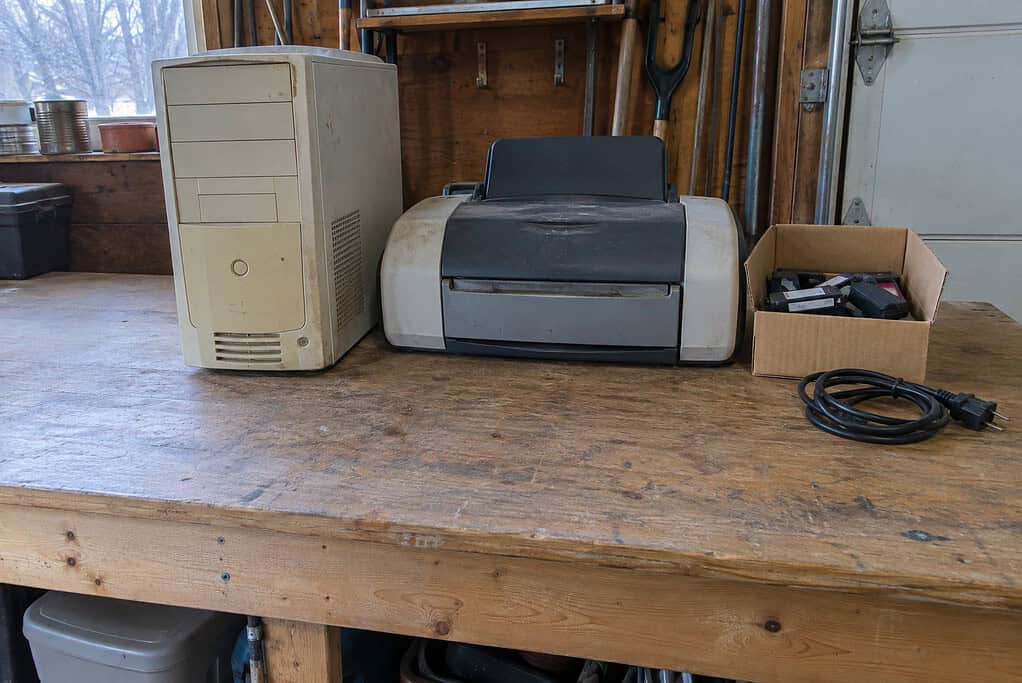
If you worked from home, you may have a whole desk of things you don’t need anymore. An old computer, a second monitor, a big printer, a box of ink cartridges.
Before you get rid of a computer or phone, back up your photos and papers. Then erase it. The FTC says to use the computer’s reset option to erase the hard drive, and to remove the SIM card and memory card from an old phone.
The EPA says to take out batteries from electronics, since they may need to be recycled on their own. It also says lithium batteries should never go in the regular trash.
Many stores take old electronics for recycling. Staples and Best Buy both take ink cartridges, computers and more, with some limits and fees. Check their websites before you go.
If the computer belonged to your job, give it back to them instead.
What I Kept From My Work Years
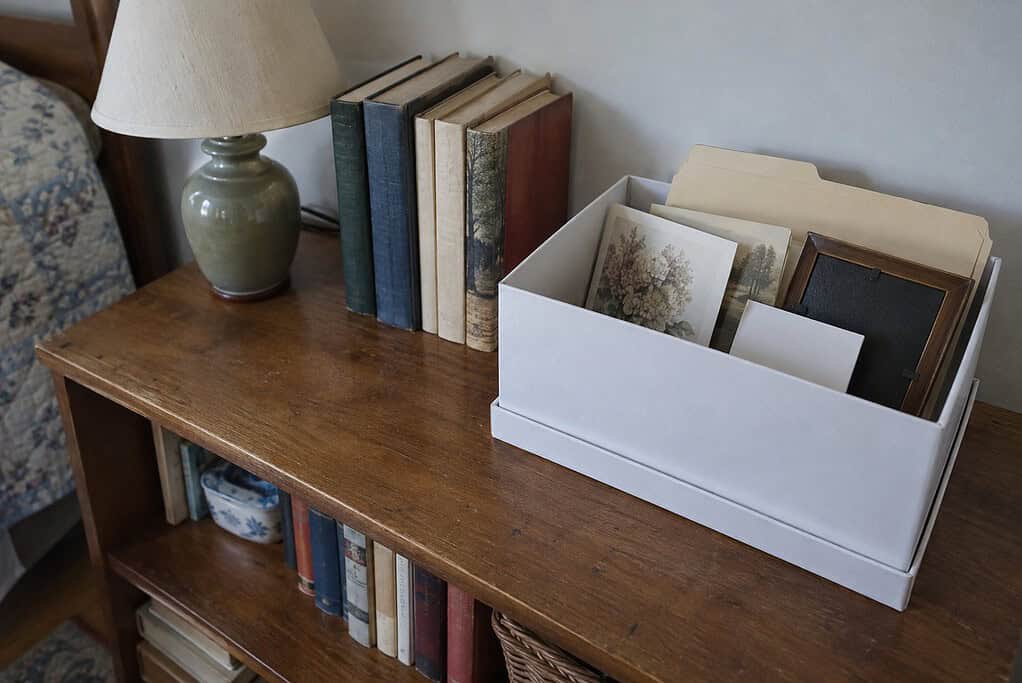
When I was done, everything I kept fit in one shoebox.
The folder of retirement papers. A few party cards with real notes.
One business card. One photo of me at my desk, taken by a coworker on my last day.
That shoebox sits on a shelf in the spare room. It’s enough to remember those years without letting them take up the whole closet.
If you’re still working through your house, my list of 30 things to let go of after 60 has more small tasks you can do one day at a time.
Room for What Comes Next
The day I finished, I stood in the spare room and looked at the empty spot where that box used to be.
It was only one corner of one closet. But it felt good to finish that job at last, kindly and on my own time.
That space holds my reading lamp and a basket of books now. Every time I sit there, I’m using my retirement for something I chose.
If you have a work box of your own, open it this week. Pull out the papers you need to keep, and start a “Retirement” folder. The rest can wait for another afternoon.
A Little Help for the Next Step

Your work years were full and busy. Your home can feel lighter and calmer now.
My free Declutter for Self Care Checklist breaks your home into small, gentle jobs, one space at a time. It’s a kind way to keep going after the work box is done.
Frequently Asked Questions
What should I get rid of after I retire?
Start with work things you won’t use again, like old memos, training binders, business cards, lanyards, extra work clothes and the work bag. Keep your retirement plan papers, recent tax papers and a few things that mean something to you.
What papers should I keep after retirement?
The U.S. Department of Labor says to keep your retirement plan papers, including the Summary Plan Description and benefit statements. Keep your last W-2s and pay stubs with your tax records, which the IRS says to keep for at least three years in most cases.
Where can I donate my old work clothes?
Dress for Success takes women’s professional clothing at many local offices, but each one has its own rules, so call first. Career Gear takes men’s business clothes, and most thrift stores take work clothes in good shape.
What should I do with an old work computer?
If it belongs to your old employer, give it back. If it’s yours, back up your files, erase it with the reset option, and take it to an electronics recycling spot, like Staples or Best Buy.
How do I safely get rid of old work papers?
Shred anything with personal information, or take it to a free shred day, like the ones AARP holds in many towns. If papers have private business details, ask your former employer how they want them handled.
Follow me elsewhere!

