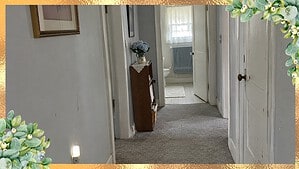
The night-light by my bathroom door is small and plastic, and nobody would ever call it pretty.
It cost a few dollars. Last winter I tripped over a footstool in the dark. I didn’t fall, but it scared me.
The footstool is gone now, and that little light stays on all night.
We talk a lot about what to stop doing as we get older. I’ve written plenty of those lists myself. Today I want to talk about what to start.
I’m 64, so I’m not there yet. But I watched my mother live through her 70s and into her 80s. My church friends in their 70s teach me things all the time.
So I wrote down the things to start doing after 70. There are 30 of them. None are hard, and each one makes life a little safer, calmer or happier.
Number 30 is my favorite.
Why So Many of These Start With Clearing a Spot
The fall my mother turned 74, she stopped ironing her big white tablecloth. I wrote about that in things not worth the upkeep. She also quit polishing the silver she rarely used, because she’d rather spend an afternoon with a friend.
That’s how it works. When you stop one thing, you have time and room to start another.
Most of the things on this list don’t take more stuff. They take less.
A night-light does more good in a clear hall. An easy shelf has to be emptied before you can use it. (I learned that one slowly.)
You don’t have to wait until you’re 70, and you don’t have to do all 30. Start with one.
Around the House
1. Night-Lights
One in every hallway. The CDC’s home safety checklist for older adults suggests a night-light on the path from your bed to the bathroom.
While you’re at it, pick up anything on that path. My footstool taught me that.
2. Grab Bars
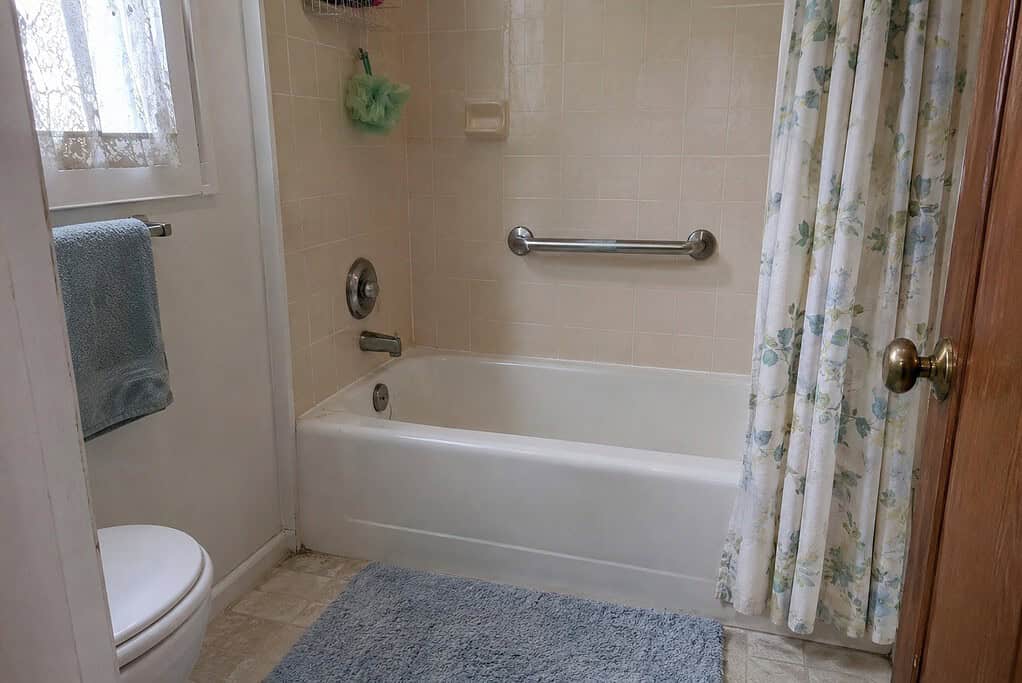
Add them by the tub. A church friend’s son-in-law put two in her bathroom, after her husband came home using a walker.
Ask a handyman to screw them into the wall studs or other solid backing. A bar held on by suction cups isn’t something to trust when you slip.
3. Daily Items
Keep them at waist height. The year my mother turned 85, she told me she hadn’t made soup all winter. Her soup pot was on a low shelf, under a heavy roasting pan.
This fall I started moving my everyday things to easy shelves. My plates and mixing bowl sit where I can reach them without bending or climbing.
4. Labels
Mark every box and bin. Use big letters and a thick marker, so you can read them without your glasses.
I used to think labels were silly. (Now I label everything but my husband.)
5. A Donation Bag
Keep one by the door. If you see it on your way out, you’ll drop it off.
Mine is a canvas tote on a hook in my laundry room. I drop it off the same week it fills up.
In the Kitchen
6. Small Meals
Cook once, eat twice. A small pot of soup is supper tonight and lunch tomorrow.
The USDA says cooked leftovers keep about three to four days in the fridge. Freeze what you won’t eat by then.
7. Light Pans
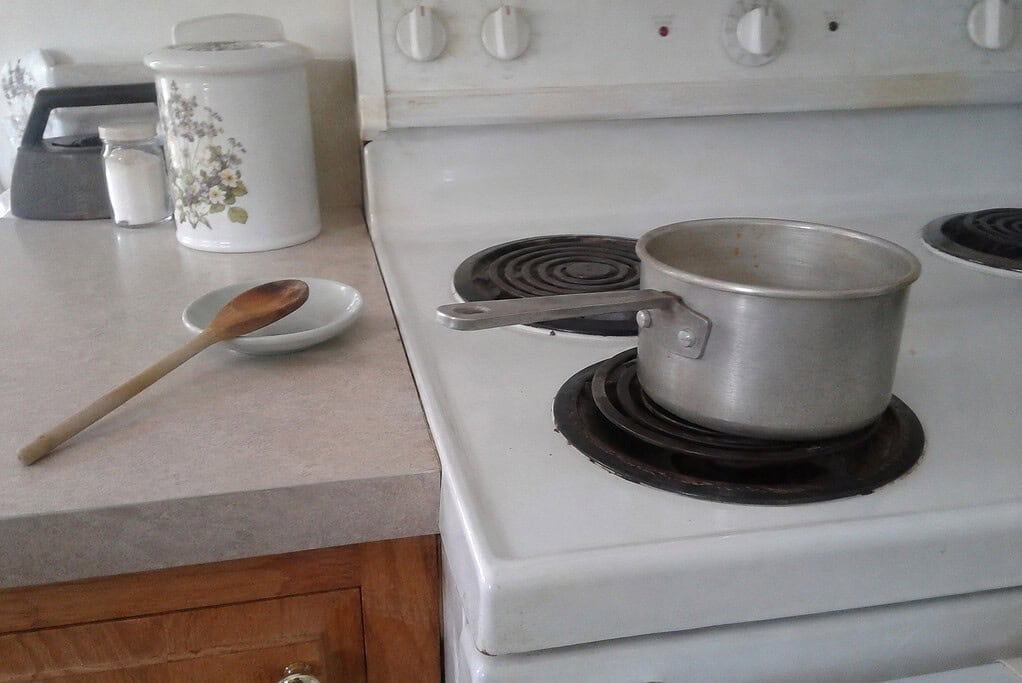
They’re easier on your wrists. My old cast-iron skillet went to a young couple at church. I also swapped a heavy glass pitcher for a lighter one.
Lift each pan with one hand. If it hurts to lift it when it’s empty, it’s going to be worse when it’s full of hot soup.
8. A Clear Fridge
Check it every Friday. That clears out the old food before the weekend, and you can see what you have.
I do mine on Sunday, before the weekly shop. Any day works, as long as it’s the same day each week.
9. A Jar Opener
Keep one in the drawer. A church friend of mine has arthritis in her hands. She told me some days she can’t open a jar of pickles.
A good opener costs very little. Let the three you never use go, and keep the one that works.
10. Sitting to Prep
A stool works fine. Pick a sturdy one that doesn’t roll, and clear a spot at the counter or the table.
I started sitting down after my knee replacement, and I never stopped. Those carrots don’t care if I’m standing up.
Your Papers
11. A Home Binder
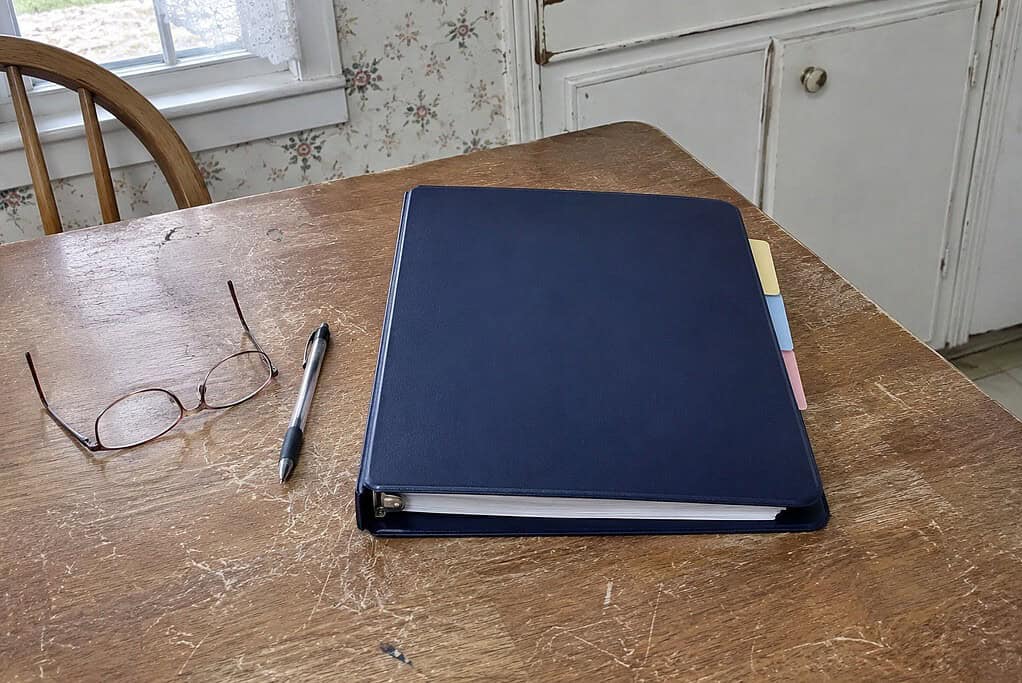
All key papers in one place. Put in your will, insurance papers, the deed and your medicine list. Then tell your kids where it is.
When we cleared my mother’s house, a box labeled “Misc” held two old savings bonds under a bag of keys. I wrote about saving your kids from that kind of hunt.
12. A Password List
Keep it somewhere safe. Write your passwords on paper, keep the page somewhere private, and tell one person you trust where it is.
Don’t tape it to the fridge. (The notes I keep in my kitchen cabinet have no passwords on them, for that reason.)
13. Your Wishes
Write them down. An advance directive tells doctors what care you want if you can’t speak for yourself. It can also name who speaks for you.
Every state has its own forms, so ask your doctor’s office where to find yours. Then talk it over with your family, even if it’s a hard talk.
14. A Contact List
Doctor, family, neighbor. Write the numbers on one page in big print, and put a copy in your purse.
My mother gave spare keys to my sister and me. Give your list to someone too, so they aren’t guessing on a hard day.
15. Shredding
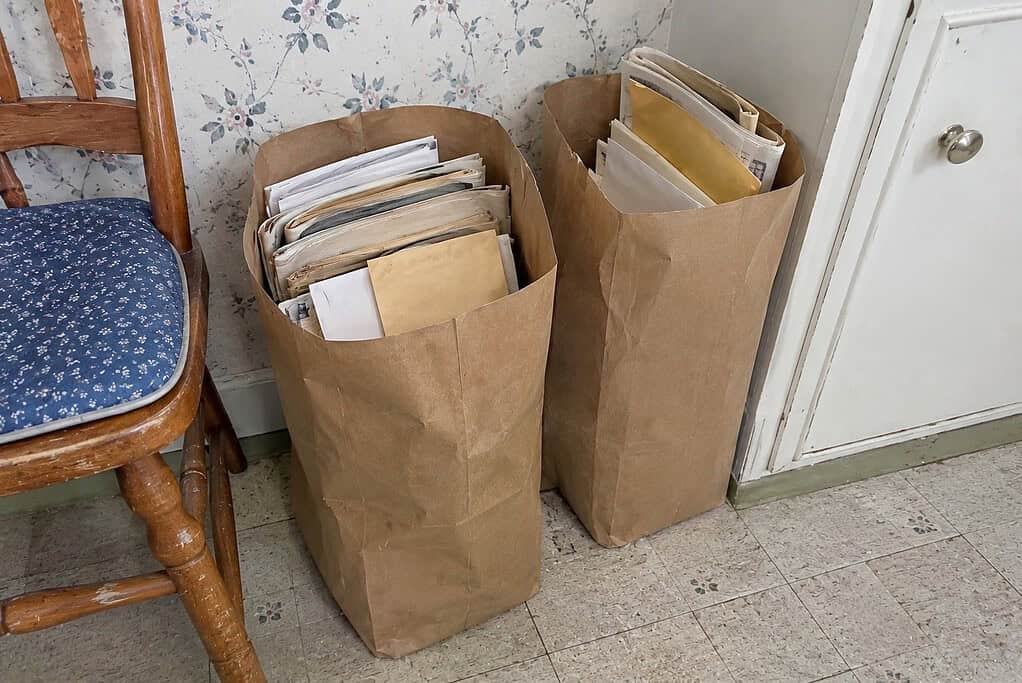
Old statements go. I took two grocery bags of paper to a shred event, and I felt lighter walking back to the car.
The IRS says most records behind your tax return should be kept for three years. Some need longer. If you’re not sure about a paper, ask your tax preparer first.
With Family
16. Asking for Help
They want to help. My mother didn’t like to ask, and at 84 she climbed on a kitchen chair to reach a box. She was fine, but I still think about it.
Now my husband hands things down to me, and my grandson carries the heavy boxes. He likes being the tall one.
17. Telling Your Stories
Do it before they’re lost. Tell them why you kept that bowl, and who is in that photo. Have a grandchild record you on a phone, if you’d like.
I write names in pencil on the backs of old photos. Some of those faces only I can name now.
18. Giving Heirlooms
Watch them enjoy them. This fall I handed my daughter the nine little bears she has always loved, in a shoebox with tissue paper. She teared up at my kitchen table.
I wrote about all of that in giving while living. You get to see their face, and your shelf gets a little more room.
19. Weekly Calls
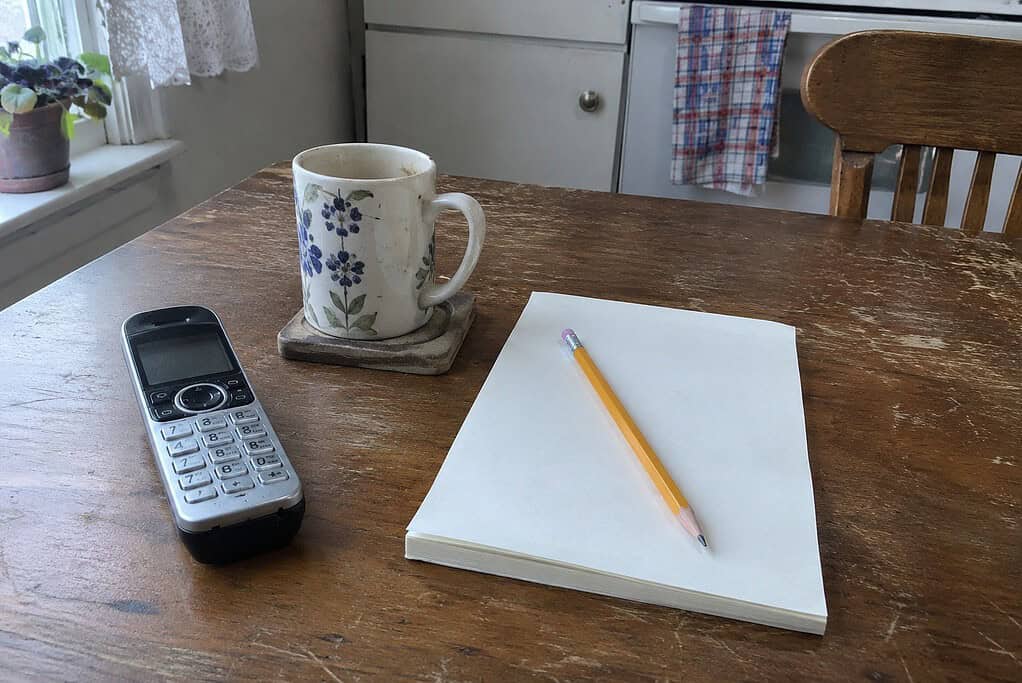
Pick a set day. My brother called our mother every Sunday night, and she knew it was coming.
A set day means nobody has to remember. It also gives you one more thing to look forward to.
20. Saying “I Love You”
Out loud, often. My mother once tucked a card into my coat pocket. It said, “For my girl, who drives too far.”
I still have it.
Say it at the end of the phone call. Say it to the one who drives too far.
Your Days
21. A Daily Walk
Even ten minutes. The CDC says older adults gain some health benefits from sitting less and moving more, in any amount.
I walk on Tuesday and Thursday mornings, and my shoes wait in the front of the hall closet. If you’re just starting out, check with your doctor first.
22. An Early Bedtime
No guilt. I wrote a whole list of things to stop apologizing for, and this one is on it.
A clear nightstand helps. Mine has a lamp, my glasses, my phone and a small flashlight, and that’s all.
23. One Outing a Week
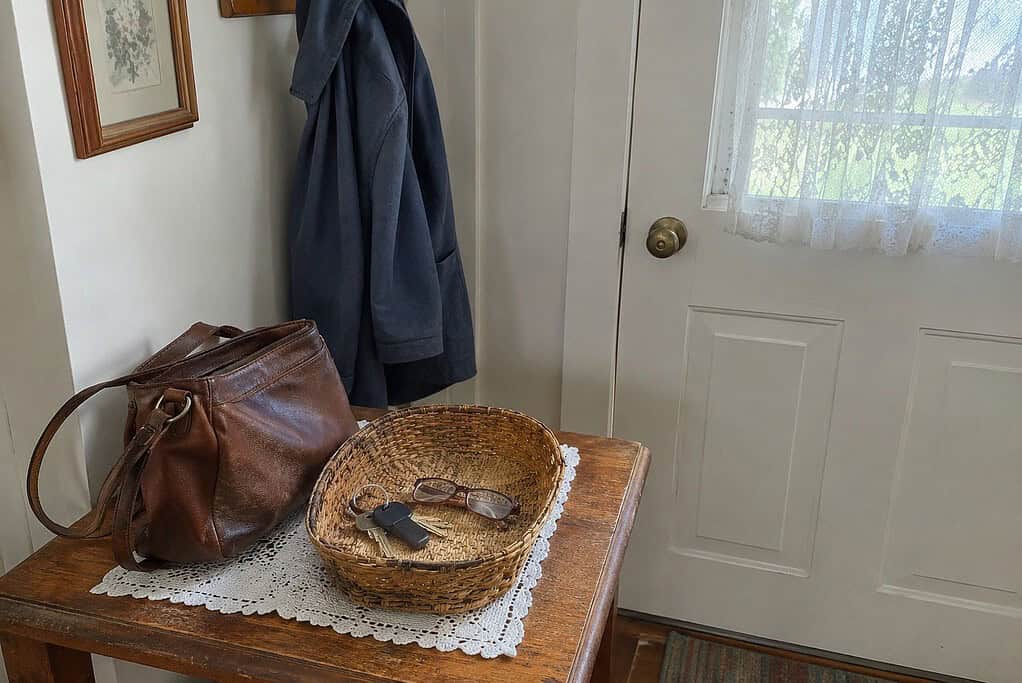
Get dressed and go. It can be church, the library or lunch with a friend. It doesn’t have to be fancy.
Keep your keys, glasses and purse in one basket by the door, so leaving is easy. That basket gets me out the door most days.
24. A New Hobby
It’s not too late. A friend of mine, a retired school librarian, cleared her shelves and said she finally had room for new books.
Clear one shelf or one drawer for your new thing. Then see where it takes you.
25. Naps
Plan them in. Mayo Clinic suggests a nap of 30 minutes or less, early in the afternoon. A nap after three o’clock can make it harder to sleep at night.
Clear your favorite chair and leave a soft blanket on it. (My husband needs no such plan. He’s asleep before the weather comes on.)
Your Peace
26. Saying No
Kindly and often. Someone may offer you a box of their old things. Try this: “No, thank you, I don’t have room.” You don’t have to say any more.
You can say it about committees, too. You’ve done plenty.
27. Using the Good Stuff
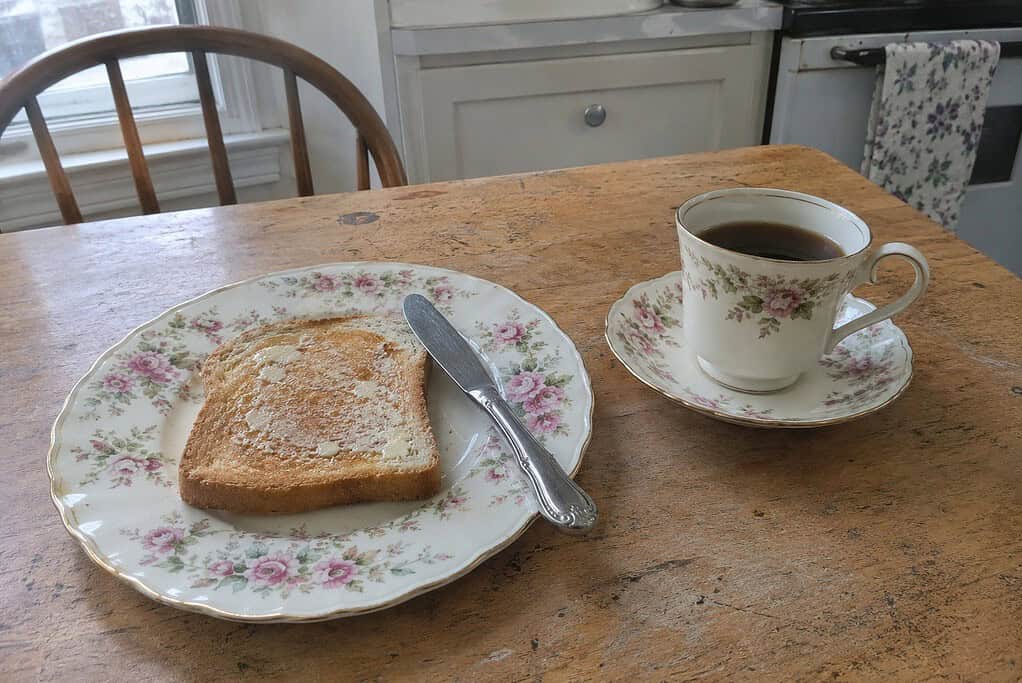
Today counts. After my mother passed, I found six bars of the good soap I had given her, still in their paper.
I cried a little, and I took them home to use. I wrote about it in using it up. I also eat off her china on Sunday mornings.
28. Laughing More
Find funny friends. Spend your time with the ones who make you laugh until your side hurts.
My husband saw me finishing up old lotions and shampoos one winter. He said it was the first time he’d seen me clean out a closet by washing my hands.
29. Letting Go
Things and old hurts. I kept a navy cardigan from my mother’s last year for about three years. It reminded me of hospital waiting rooms every time I saw it.
When I gave it away, I felt lighter. I can’t tell you how to let go of an old hurt. But clearing a closet is a good place to start.
30. Enjoying Now
This is the good part. My husband makes my coffee every morning, and I drink it by a window with nothing piled around me.
No one is coming to inspect my house. Nobody needs a lunch packed. I look up, and I notice I’m happy.
Start With One Thing This Week
Don’t try to do this whole list. It took my mother years, and she did it in little bits.
Pick the easiest one. Buy a night-light tomorrow, or clear one low shelf, or call your sister on Sunday.
Then look at the space you made, and the bit of time you got back. That’s yours now. Sit down in it, with your coffee, and enjoy it.

A good start doesn’t need to be big. It only needs to be something you can do today.
My free Declutter for Self Care Checklist breaks your home into small, gentle jobs. Pick one this week, and take care of you while you do it.
Frequently Asked Questions
What should you start doing after 70?
Start with small things that make life safer and easier. Add night-lights, keep daily items at waist height and put your key papers in one place. Then add the good things, like a daily walk, a weekly call and an early bedtime.
What are the most important papers to keep in one place?
Keep your will, advance directive, insurance papers, the deed to your home and your medicine list together. Add a list of doctors and family phone numbers. Be sure someone you trust knows where they are.
Where should night-lights go in an older person’s home?
Put one along the path from the bed to the bathroom. Add one in each hallway as well. Pick up rugs, baskets and footstools on that path, too.
How do I start decluttering after 70?
Start with something easy that holds no memories, like a bathroom drawer. Work for ten or fifteen minutes, sitting down if you can. Leave the photos and letters for a good day.
Is it too late to start a new hobby after 70?
No, it isn’t. You can start something new at any age, and you don’t have to be good at it. Clear one shelf or drawer for it, and start small so you don’t have much to buy.
Follow me elsewhere!

