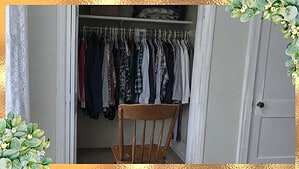
I helped my mother clear the wrong closet.
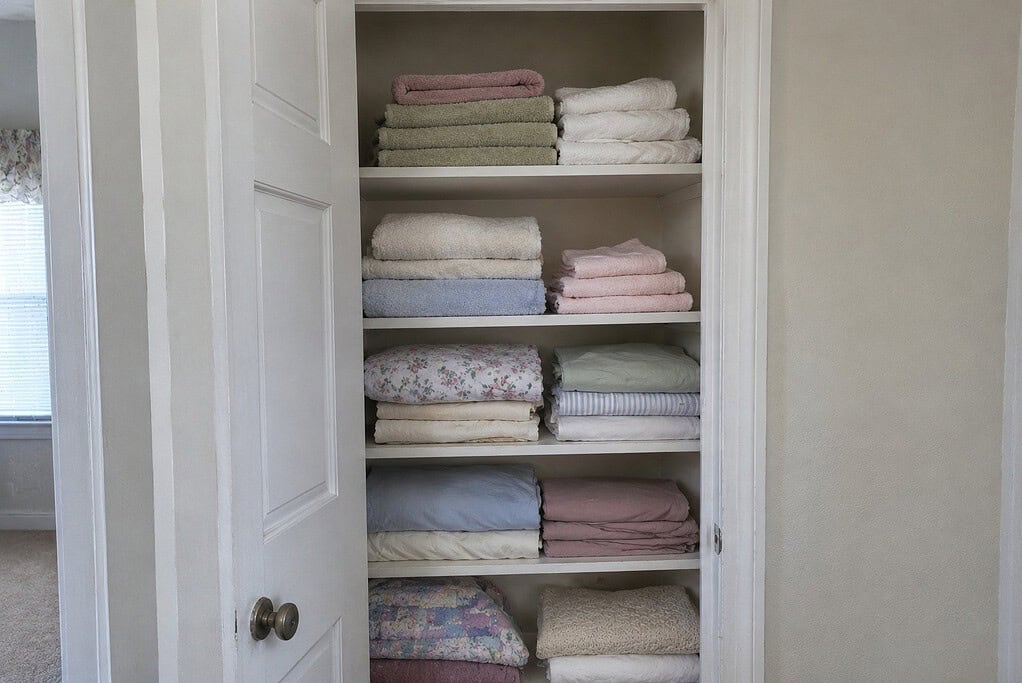
She was 84, and I drove over one Saturday to do something useful. I picked her linen closet, because it was easy and the towels were a mess.
By lunchtime, every towel was folded and every sheet had a place. We stood back and admired it. (She made me a sandwich for my trouble.)
A few days later, she told me she had climbed up on a kitchen chair. She wanted a box from a closet shelf. She was alone in the house, and she was fine.
I wasn’t fine when I heard it. I had spent a whole day on towels, and towels never hurt anybody.
So I’ve thought a lot about what really comes first. When you’re over 70, you don’t have endless energy to spend. You want to spend it on the things that matter most.
If you only ever declutter five things, I think it should be these. They won’t take a year, and they won’t empty your house. They’ll make it safer and easier, and your family will thank you someday.
Why Only Five Things?
A whole house is too much to think about. When a job feels too big, most of us don’t start at all.
You have plenty of company there.
Researchers studied Americans over 50, and they found something we all know. As people get older, they get less likely to clean out or give things away. The researchers think the job may get harder, both on the body and on the feelings.
So let’s make the job smaller. I picked these five by asking two plain questions.
Could this hurt me? And would my family be stuck with it if something happened to me?
Most clutter is only clutter. A drawer of old pens won’t hurt you, and neither will a full linen closet. These five things are different.
1. Anything on the Floor You Could Trip Over
Start by looking down. This one comes first because it matters the most.
According to the CDC, about 1 in 4 adults 65 and older report a fall every year. Falls are the leading cause of injury for people that age.
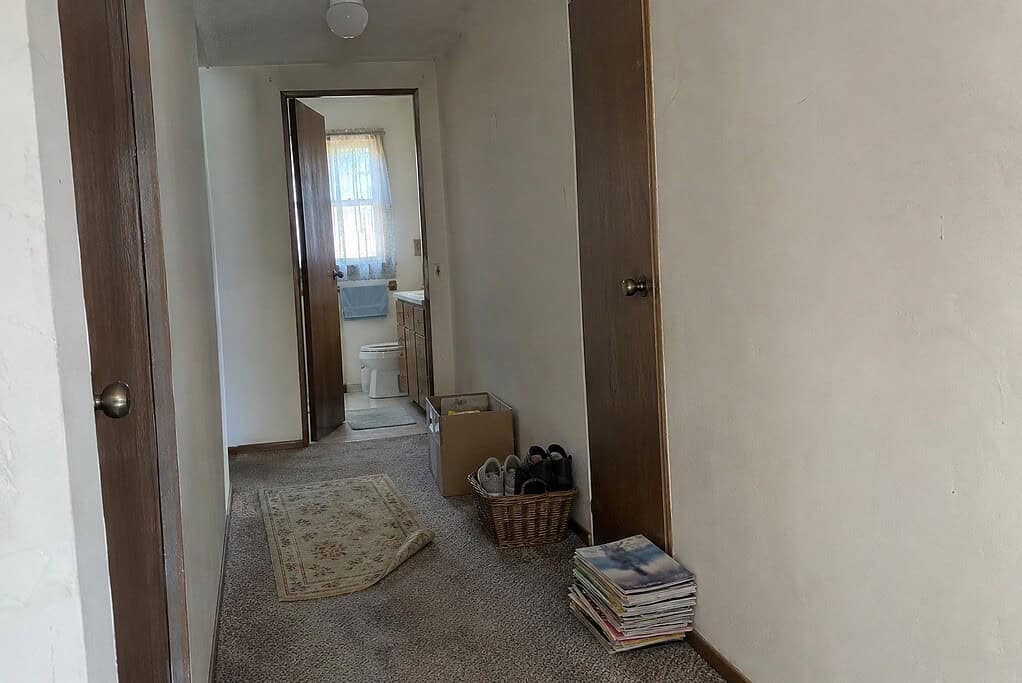
So walk the path you take every day. Go from your bed to the bathroom, from your chair to the kitchen and from the kitchen to the door. Look for anything you have to step around.
It might be a stack of magazines, a basket of shoes or a box for the car. A friend of mine from church, a retired librarian, tripped over a stack of her own books last spring. (She wasn’t hurt, but the stack is gone.)
Look at your rugs too. The National Institute on Aging says not to use throw rugs or small area rugs. It also says to keep electrical cords near the walls and out of your path.
Then check the stairs. Do you leave things on a step to carry up later? This is a good habit to drop.
I listed more spots in the 11 things I removed for safety.
2. Anything You Have to Climb For
Next, look up. Think about what you can only reach from a step stool or a chair.
For many of us, that’s the top shelf of the closet and the highest kitchen cabinets. If you use something there, even once a year, you’ll be climbing for it.
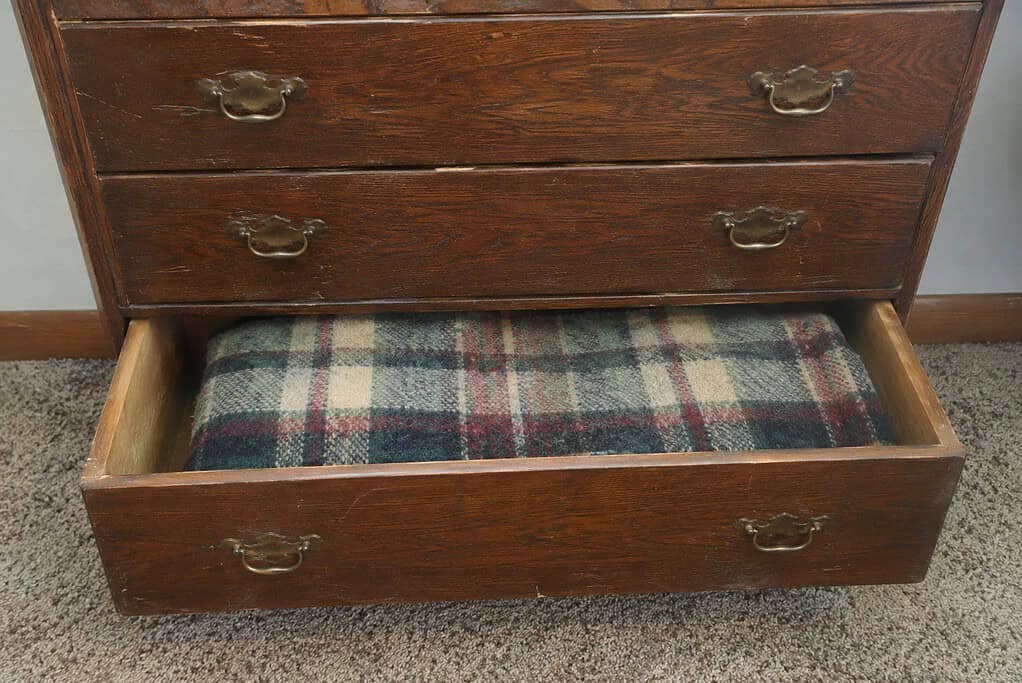
On the first cold night this fall, I got up on my step stool to reach a winter blanket. “Please don’t climb up there,” my husband said. (He was right, and I told him so the next morning.)
He handed everything down to me, and I sorted it sitting on the bed. My winter blanket lives in a bottom dresser drawer now. I told the whole story in clearing the top shelf of the closet.
Move what you use to a shelf between your hips and your shoulders. Let go of what you don’t use, and ask someone taller to help with the rest.
You may still climb just fine at 75, and I’m glad for you. The National Institute on Aging says a step stool should be steady, with a handrail on top. It also says someone should stand next to you.
A kitchen chair is not a step stool. (I said that to my mother, and I’ll say it to you.)
3. Anything Too Heavy to Carry Safely
Now think about weight. A heavy thing was easy to manage when you were 50, and it may not be easy now.
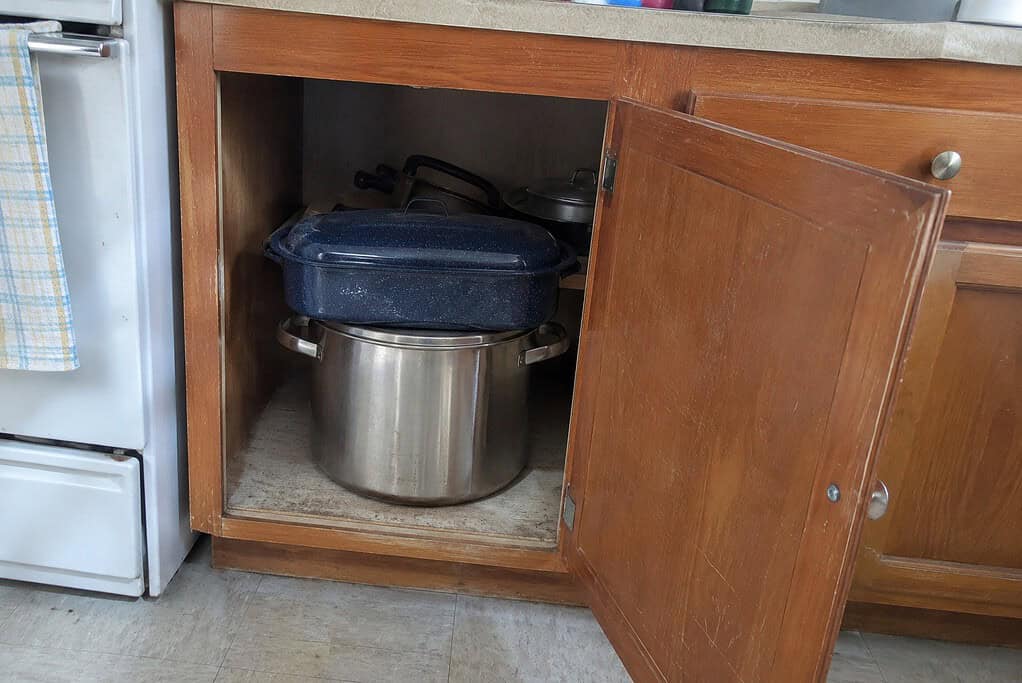
It might be a big roasting pan or a cast-iron skillet you haven’t used in years. It might be a box of books in the basement, or a full laundry basket you carry down the stairs.
The year my mother turned 85, she told me she hadn’t made soup all winter. Her big soup pot was on a low shelf, under a heavy roasting pan. Moving the pan to get to the pot had gotten too hard, so she stopped making soup.
That’s what heavy things do. They quietly take away something you love.
So ask yourself what’s too heavy to lift easily, and what you haven’t used in a long time. I gave my cast-iron skillet to a young couple at church. I also traded a heavy glass pitcher for a lighter one.
The stairs matter most here. There are fourteen steps down to our basement. One winter morning, I couldn’t see my feet over a laundry basket.
The National Institute on Aging says not to let anything you carry block your view of the steps. It also says to hold the handrail, even when you’re carrying something.
Please don’t carry heavy boxes on your own. I shared some ways around it in how to get clutter out when you can’t carry it.
4. The Papers Your Family Would Have to Look For
This one won’t hurt you, but it could cost your family a lot of time and worry.
After my mother passed, we found a box in her basement labeled “Misc.” Inside was a bag of old keys and a broken watch band. There was also a receipt for a refrigerator she no longer owned. At the bottom were two old savings bonds. (It took most of an hour to go through that one box.)
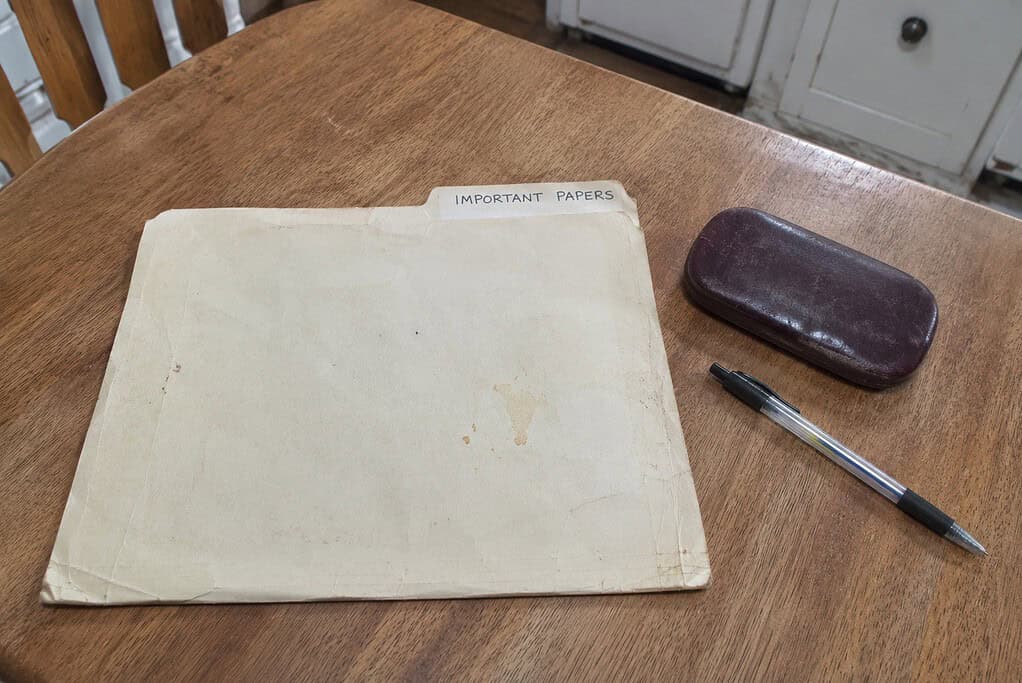
So gather your important papers in one place. The National Institute on Aging says it can be a file or a desk or dresser drawer. It can also be a notebook that lists where each paper is.
If something is in a safe deposit box, keep a copy at home.
Your will, your power of attorney and your living will belong in there. So do your insurance papers, the deed to your home and your car title. Add a list of your bank accounts and the medicines you take now.
Then comes the part many people skip. Tell someone you trust where it all is.
I wrote one page for my kids. It tells them where the folder is, where the spare key is and who to call first. It took one morning, and I sleep better now.
Once that’s done, the rest of the paper is easier to sort. Not sure how long to keep something, like old tax papers? Ask your tax preparer or your lawyer before you shred it.
I wrote more in how to stop hoarding paper.
5. The Private Things You Wouldn’t Want Found
This last one is the quietest. Nobody will ever see you do it.
Most of us have something we’d rather keep to ourselves. It could be an old diary or letters from a hard time. It could be something a friend told you in confidence.
For me, it was the diaries I kept in my 30s and 40s. They were in the bottom drawer of my dresser, under my winter sweaters. There were also letters I never sent and letters friends had trusted me with.
I shredded the letters from my friends, because those stories weren’t mine to leave behind.
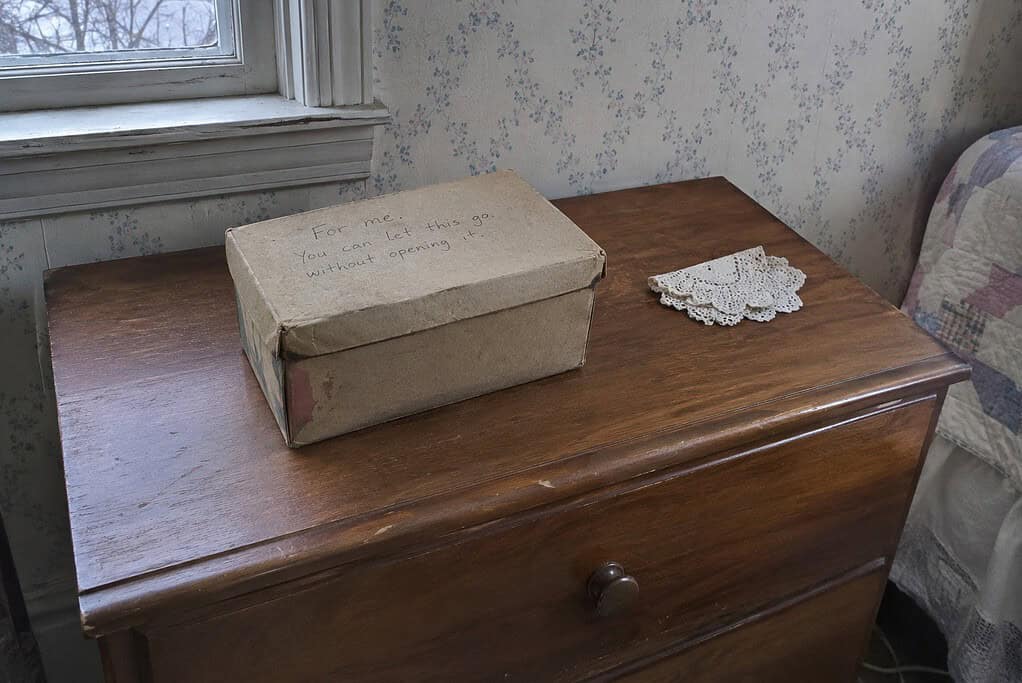
I kept a few things that matter only to me. They’re in a shoebox, and on the lid I wrote, “For me. You can let this go without opening it.” My husband knows where it is.
You could do the same, or you could keep your things just as they are. It’s your choice, as long as you’re the one making it. If you need help deciding, I wrote about what to do with old diaries.
How to Do All Five Without Wearing Yourself Out
Don’t try to do all five in one weekend. I’d give each one a week, so you’ll be done in about five weeks.
Pick one day a week and work for as long as you feel good. Then stop, even if you aren’t finished. Twenty minutes is plenty on some days.
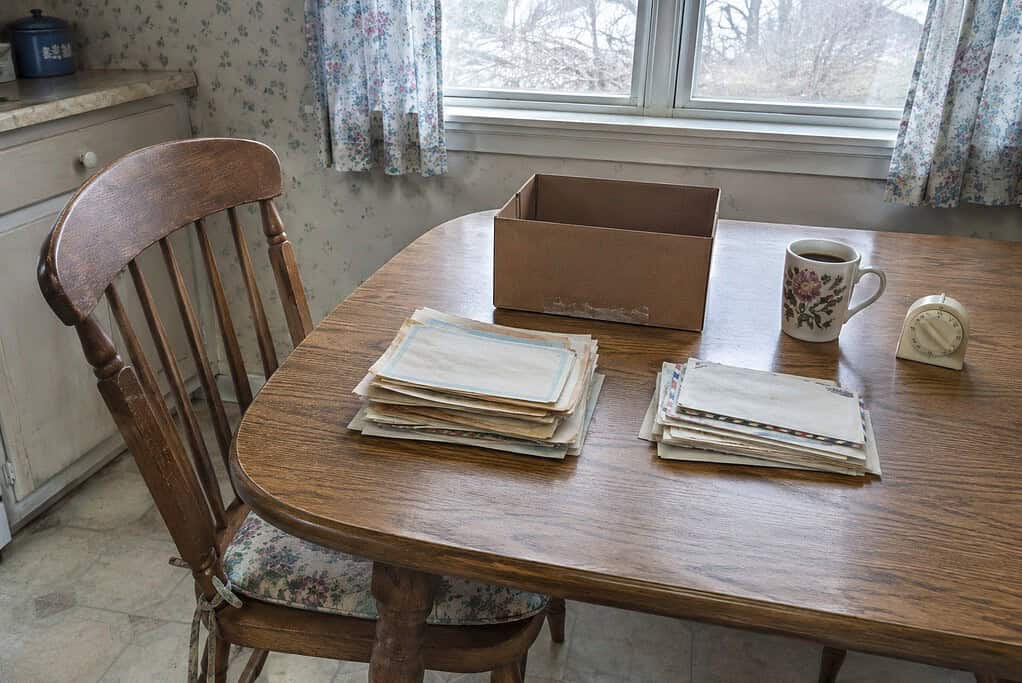
Sit down when you can. Have someone bring things to you at the kitchen table. You do the deciding, and they do the carrying.
On a good day, work on the floors or the top shelf, with help. On a tired day, sit with your papers or your shoebox. (I wrote a whole post about matching the job to the day.)
Ask for help before you think you need it. A grandchild, a neighbor or a young couple from church will often be glad to come. My grandson says he’s “the tall one,” and he’s right.
What Can Wait
Now for the good news. Everything else can wait.
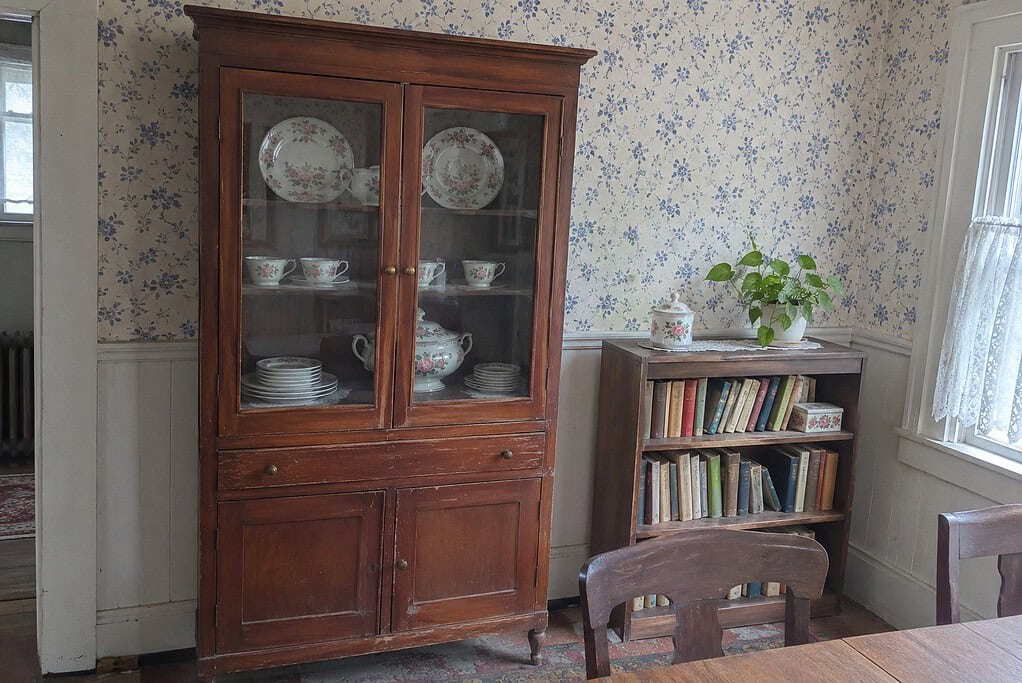
Your china can stay in the cabinet for now. Your photos can stay in their boxes, and your books can stay on their shelves.
Your craft supplies are fine, as long as they’re not in your path. If you love them and use them, you may never need to touch them.
Not everything has to go. I shared more about that in what not to declutter.
If you want to keep going after the five, that’s wonderful. If you want to stop right there, you’ve already done the part that matters most.
What You Get in Return
I still think about that Saturday at my mother’s house. The towels looked lovely, and I don’t regret the sandwich.
But I wish I’d looked up that day. I wish I’d brought that box down from the shelf and put it where she could reach it.
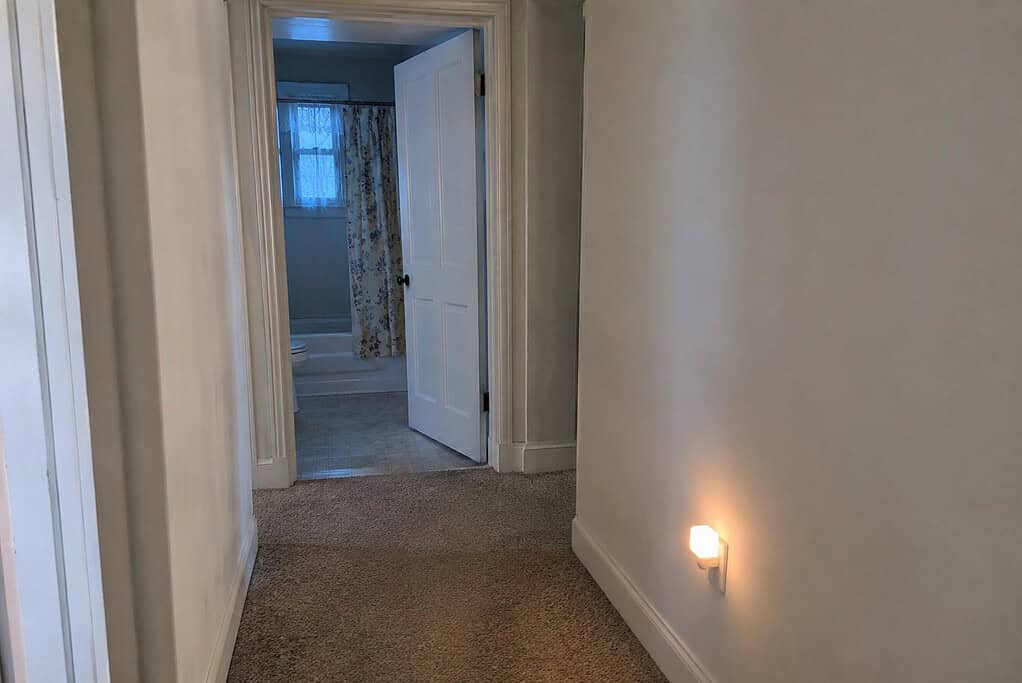
So that’s what I’m doing now in my own house, while I can still choose. My path to the bathroom is clear in the dark. My blanket is in a drawer, and my papers are in one folder.
When those five things are done, your house feels different. You can walk through it without looking down.
You can sit in your favorite chair with a cup of tea and rest. The things that could hurt you or trouble your family are taken care of.
The rest is just stuff, and you can take your time with it.
Start With Your Own Path

You don’t have to clear the whole house. Start with the path from your bed to the bathroom, and see how good it feels.
My free Declutter for Self Care Checklist breaks your home into small, gentle jobs. Once your five things are done, it can show you what to do next, if you want to do more.
Frequently Asked Questions
What should I declutter first after 70?
Start with anything on the floor you could trip over. Falls are the leading cause of injury for adults 65 and older, according to the CDC. Then clear what you have to climb for and what’s too heavy to carry.
How long does it take to do these five things?
If you give each one a week, you can finish in about five weeks. You can go slower if you need to. Short sessions, with help for the lifting, work well.
What papers should my family be able to find?
Keep your will, power of attorney and living will in one place. Add your insurance papers, deed, car title, bank account list and medicine list. Then tell someone you trust where they are.
Should I get rid of my throw rugs?
The National Institute on Aging says not to use throw rugs or small area rugs. They can slip or catch your foot. Rolling them up and giving them away is an easy job with a big payoff.
Do I have to get rid of my china, photos and books?
No. Those can wait, and it’s your home, so you get to keep what you love. Just make sure they aren’t in your path or stored where you’d have to climb.
Follow me elsewhere!

