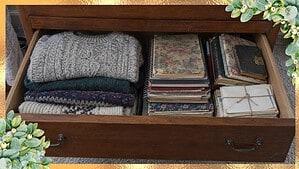
Last Sunday afternoon, my husband was out in the garage, and the house was still. I sat down on the edge of our bed and opened the bottom drawer of my dresser.
Under my winter sweaters, there’s a stack of notebooks. Spiral ones, a few with flowered covers, and one with a broken lock that never worked anyway.
They’re my diaries from my 30s and 40s. Next to them is a bundle of letters I wrote and never sent, and a few that friends wrote to me when their lives were falling apart.
Nobody has read them but me. And for years, I didn’t want to think about who might read them next.
So this fall, I finally decided what to do with them. Not because I’m going anywhere soon. Because these are my private things, and I want to be the one who chooses what happens to them.
If you’ve been wondering what to do with old diaries and private letters, this is how I sorted mine, and what I learned along the way.
The Drawer Only I Open
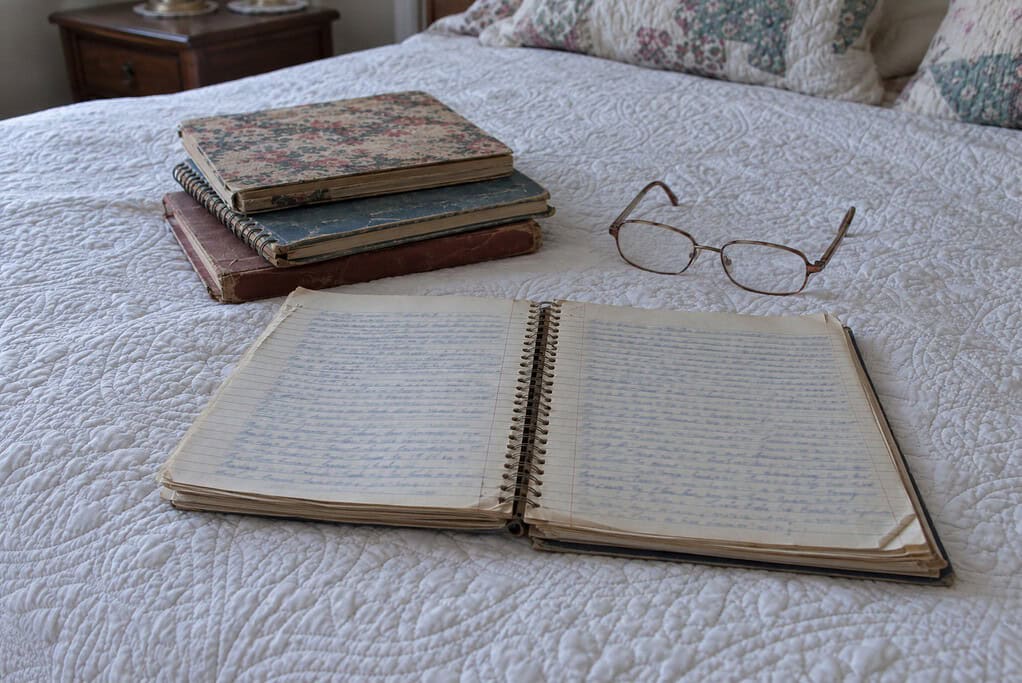
I started keeping a diary when our kids were small. It was the only place I could say how tired I was.
Some pages are sweet. There’s the day my youngest said “pasketti” for the first time, and the morning we found out about our first grandchild.
But a lot of pages are hard to read now. Money worries, long winters, and things I wrote when I was angry and never said out loud. (My husband comes off as a saint in most of it, which is fair.)
Those pages made sense at the time. I was tired, and I needed somewhere to put it all.
But if one of my children read them someday, without me there to explain, they might think those hard days were the whole story. They weren’t.
What My Mother Left Unopened
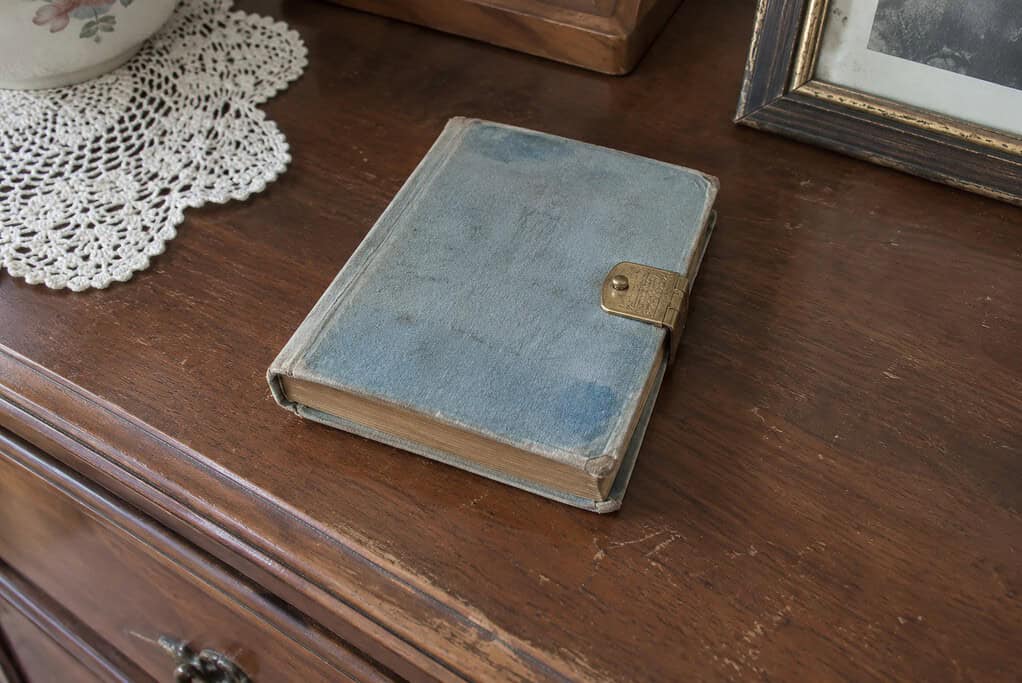
When we cleared out my mother’s house, my sister found a small blue diary in the back of Mom’s dresser. It had a tiny gold lock, and we never found the key.
Mom must have been about twelve when she wrote in it. Her name was written on the cover in careful pencil.
My sister held it for a long time. Then she said, “I don’t think we’re supposed to read this.”
So we didn’t. We didn’t break the lock or look for the key.
My sister kept it, still locked, in her own dresser drawer. Those words are still Mom’s, and that felt right to both of us.
That little blue diary is a big part of why I’m sorting my own things now. I don’t want my kids to have to decide whether to open something of mine. I’d rather decide for them.
What Counts as a Private Thing
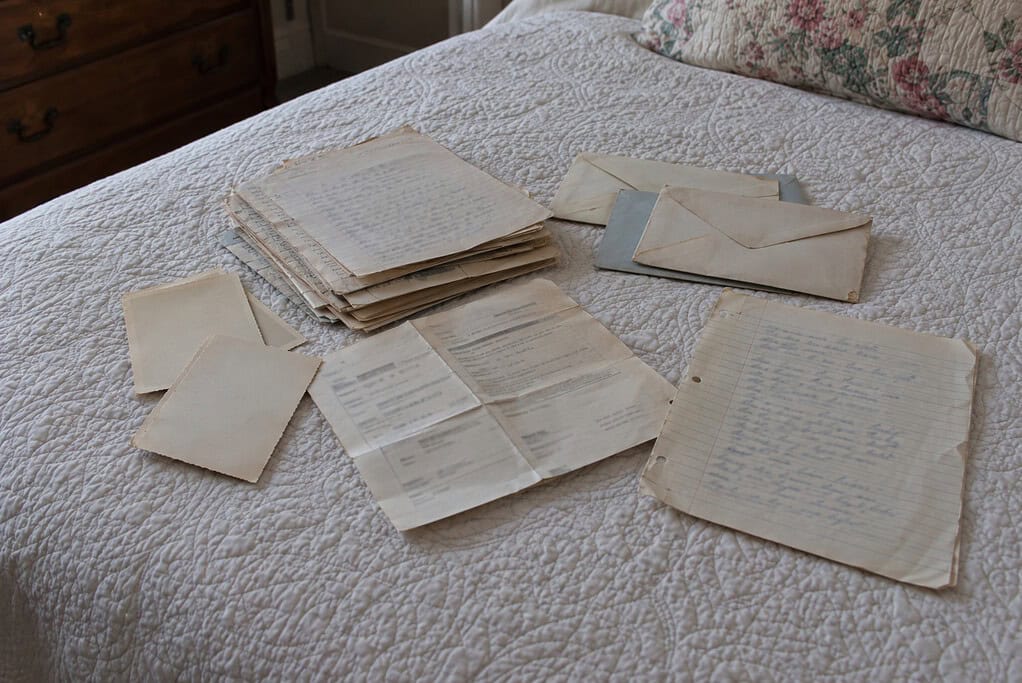
Private things are different for everyone. For me, they’re anything I wouldn’t want someone to find without me there to explain it.
That might be old diaries and journals, letters you wrote and never sent, or letters a friend wrote to you in confidence. It might be old papers about a hard time, like a health scare or a money worry that’s long over.
These aren’t the love letters you want to treasure. (I wrote about keeping those in my post on the letters my husband and I wrote before email.) These are the things you’d rather keep to yourself.
Some private things are just a little embarrassing. Photos you never liked, a love note from before your marriage, a poem you wrote at nineteen. (I have all three, and I’m not saying which is the worst.)
None of these are bad. They’re part of a real life. But they’re yours, and you get to choose what happens to them.
What Margareta Magnusson Said About Secrets
Margareta Magnusson wrote “The Gentle Art of Swedish Death Cleaning,” the little book that got so many of us thinking about our things. She passed away in March 2026.
She kept a small box of her own, full of things that were just for her. She told her children they could throw it away after she was gone, without opening it.
And about secrets that might hurt your family, she was very plain. She told AARP to “make a bonfire or shove them into a hungry shredder.”
I love that she didn’t make it complicated. If something would only cause hurt, you’re allowed to let it go.
I wrote more about her method in my posts on Swedish death cleaning and how to start Swedish death cleaning.
How I Sorted Without Getting Stuck
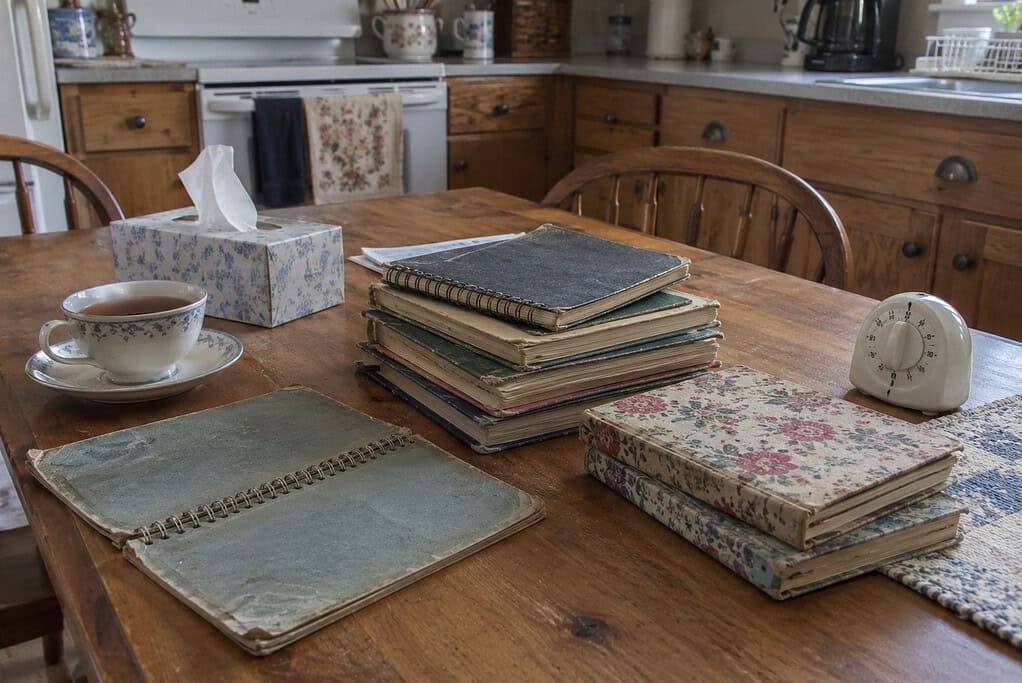
The first time I tried this, I sat on the bedroom floor and read for two hours. I cried, I laughed, and I didn’t decide a single thing.
So the second time, I made a few rules for myself. I sat at the kitchen table with a cup of tea and a box of tissues. I gave myself one hour, and I stopped when the hour was up.
I also didn’t read every page. I flipped through each notebook, read a few pages here and there, and that was enough to know what it held.
If you’d like a plan for the rest of the house too, my checklist I wish my mother had at 75 breaks it into small, gentle steps.
My Three Choices for Each One
I didn’t decide about the whole stack at once. I picked up one notebook or letter at a time and gave it one of three answers.
Keep It, With a Note

A few things I’m keeping just as they are. My diary from the year our first grandchild was born is one of them. It’s happy from the first page to the last.
I slipped a note inside the cover. It says, “I kept this because it was a good year. You’re welcome to read it.”
That way, nobody has to wonder whether they’re allowed to open it.
Keep the Good Pages
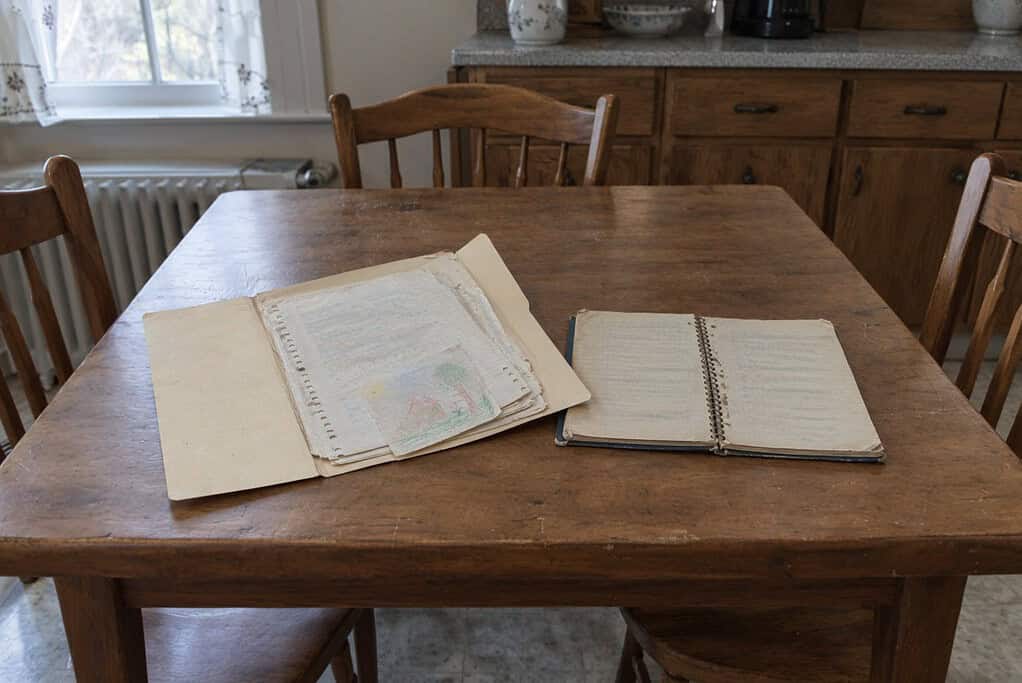
Some notebooks were mostly hard days, with a few sweet pages in the middle. For those, I kept only the pages I wanted to save.
I carefully tore out the funny kid stories and the good days. I tucked them into one folder labeled “Pages Worth Keeping.” Then the rest of the notebook went to the shredder.
It felt strange at first. By the third notebook, it felt good to be the one deciding.
Let It Go
Most of my diaries, and every letter a friend wrote me in confidence, I let go.
The letters were the easiest. Those are my friends’ secrets, not mine to leave behind. I read a few one last time, said a little prayer for the women who wrote them, and shredded them.
The diaries took longer. But once I’d saved the good pages, letting go of the rest was easier than I expected. I felt lighter when I was done.
How I Let Them Go Safely
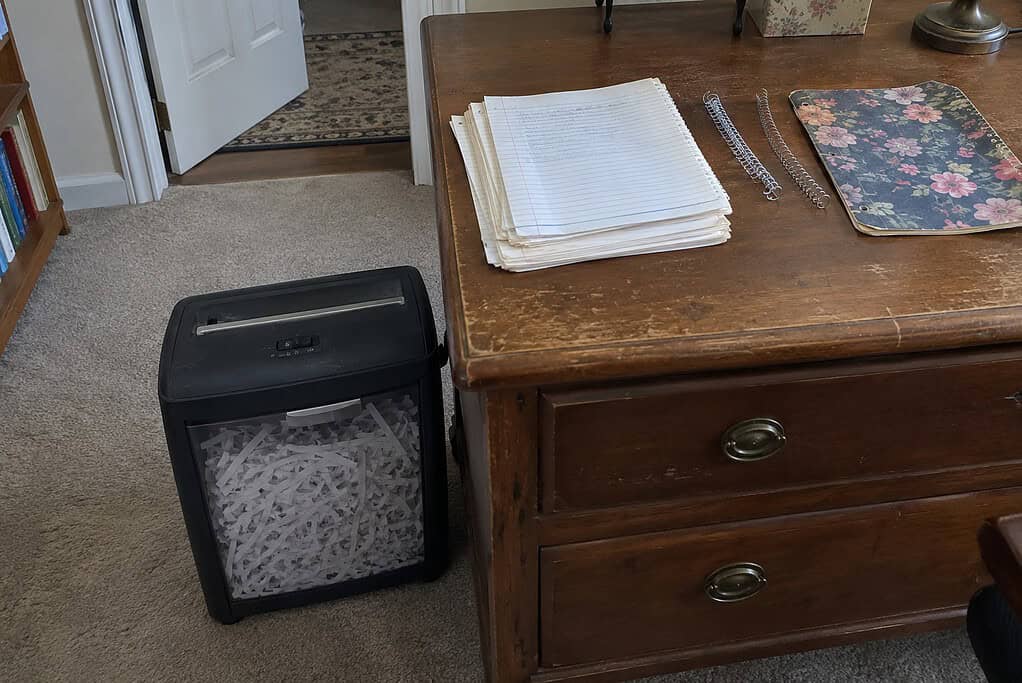
Don’t put whole diaries or private letters in the recycling bin. Anyone could pick them up.
I used our small home shredder. Spiral notebooks don’t fit, so I pulled out the pages first and shredded them a few at a time. Thick covers went in the trash.
If you have a lot to shred, look for a free shred day near you. AARP holds free community shred events in many states, often in the spring, and some banks and towns do too.
Some women would rather burn their old diaries, the way Magnusson suggested. If you do, check your town’s rules about outdoor fires first, and keep it small and safe.
What Not to Destroy
While you’re sorting, you’ll probably find a few important papers mixed in with the private ones. These don’t go in the shredder.
Keep your will, deeds and car titles, birth and marriage certificates, military papers, and insurance policies. Put them in one folder, and make sure someone you trust knows where it is.
If you’re not sure whether a paper matters, set it aside and ask. I wrote about what to keep and what to toss in my post on how to stop hoarding paper.
And don’t forget the private things on your phone and computer. Old emails and photos count too. My post on digital death cleaning walks through that part.
The Box Only I Open
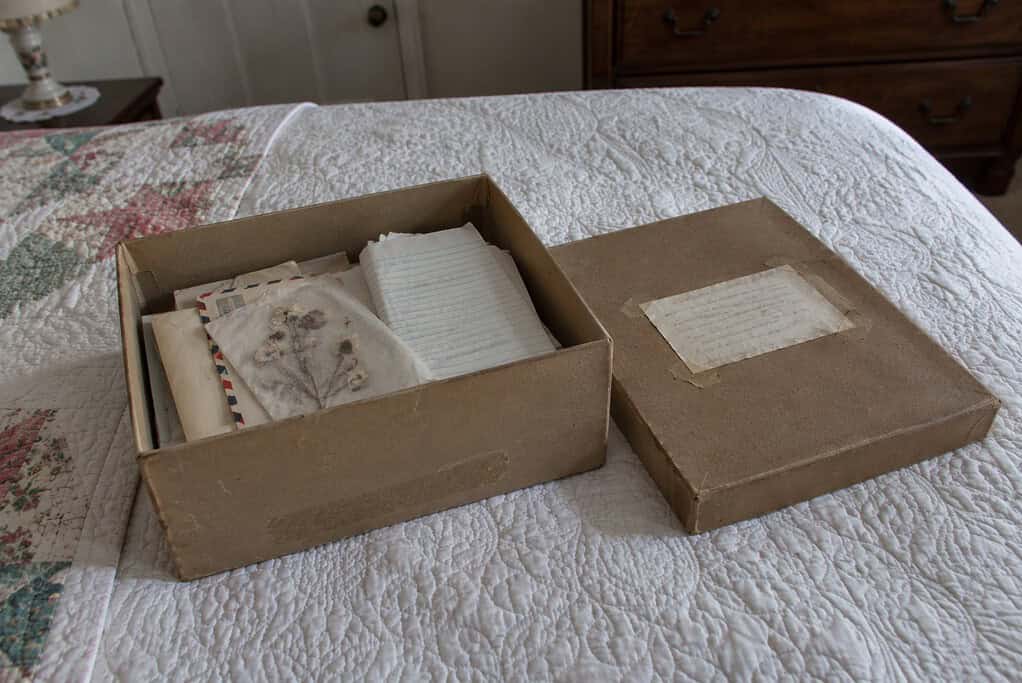
When I was done, I had a small shoebox of things I wasn’t ready to decide about. A few letters, the poem from when I was nineteen, and a pressed flower from a dance in high school.
I took a page from Magnusson’s book and wrote on the lid, “For me. You can let this go without opening it.”
Then I told my husband where it is and what it says. He laughed and asked if he was in it. (He is, a little.)
That’s all it takes. One small box, one note, and one person who knows. Nobody will ever have to wonder.
If You Find a Parent’s Private Things
Maybe you’re not sorting your own things. Maybe you’re holding your mother’s diary, or a bundle of your father’s letters, and you don’t know what to do.
You don’t have to read them. You’re allowed to keep them closed, give them to a sibling, or let them go unread. My sister and I chose to leave Mom’s little blue diary locked, and I’ve never regretted it.
If you do read them, go slowly, and stop if it hurts. And if you’d like to keep a few special ones, my post on what to do with letters from someone who has passed has gentle ideas for saving them.
So Nobody Has to Wonder

The bottom drawer of my dresser is lighter now. My winter sweaters are still there, and one happy diary, and a folder of good pages.
The rest is gone, by my choice and in my own time.
I didn’t do this because I’m worried about dying. I did it because I want my children to remember the whole story of my life the way I’d tell it, not just the hard days I needed to write down.
And it gave me peace. I don’t think about that drawer anymore.
If you have a drawer like mine, start with just one notebook this week. Read a few pages, choose what to keep, and let the rest go. You might be surprised how good it feels to decide for yourself.
A Little Help for the Next Step

Sorting private things takes time and patience. You don’t have to do it all at once.
My free Declutter for Self Care Checklist breaks your home into small, kind jobs, one space at a time. It’s an easy way to keep going at your own pace.
Frequently Asked Questions
What should I do with my old diaries?
Read through them one at a time, and give each one an answer. You can keep it with a note, keep only the pages you want to save, or let it go. If something would only hurt your family, it’s okay to shred it.
Should I let my children read my diaries after I’m gone?
That’s your choice. If you want them to read a diary, leave a note inside saying so. If you don’t, sort them now so your children never have to wonder whether they should open them.
How do I safely get rid of old diaries and private letters?
Don’t put them in the recycling bin. Shred the pages at home, a few at a time, or take them to a free shred day. If you’d rather burn them, check your town’s rules about outdoor fires first.
What did Margareta Magnusson say about private things?
In Swedish death cleaning, Magnusson kept a small box of things just for her and told her children they could throw it away unopened. She also said that if a secret could hurt your loved ones, you should destroy it.
Should I read my late mother’s diary?
You don’t have to. Many families choose to keep a parent’s diary closed, pass it to a sibling, or let it go unread. If you do read it, go slowly and stop if it hurts.
Follow me elsewhere!

