My sister lifted the garment bag off the hook and unzipped it slowly, as if something might jump out.
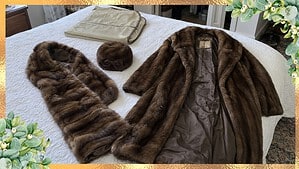
Something soft and brown slid into her arms. It was our mother’s mink stole, the one she wore to church on the coldest Sundays of the year.
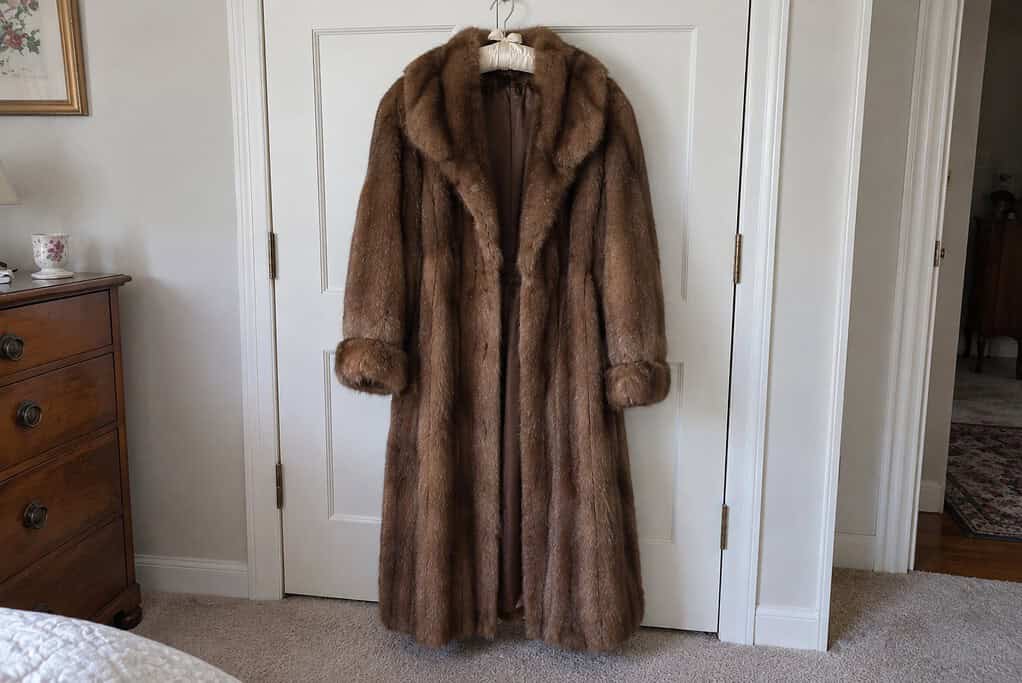
Behind it were two more things. A long mink coat that we never once saw her wear. And a small mink hat with a satin bow.
That garment bag had hung at the back of the closet in our spare room since we cleared out Mom’s house. It took up half the closet. Every time I opened the door, I saw it, and every time I closed the door again.
This fall, my sister came over, and we finally decided what to do with Mom’s old furs. Here is what we learned, where each piece went, and the one we kept.
Why Old Furs Are So Hard to Let Go
Furs aren’t like other clothes. Our mothers saved for them, sometimes for years. They wore them to weddings, to church, and on special nights out.
So a fur feels like it should be worth something. It feels like it should be kept.
But most of us don’t wear furs now. Our lives are different, and so are our winters. A fur sitting in a closet doesn’t keep anyone warm.
I had to let both feelings be true. Mom loved these things. And they didn’t need to stay in my closet.
First, Check What You Have
Before we decided anything, we laid each piece on the bed in the spare room and looked at it closely. This took about half an hour.
Look at the Label
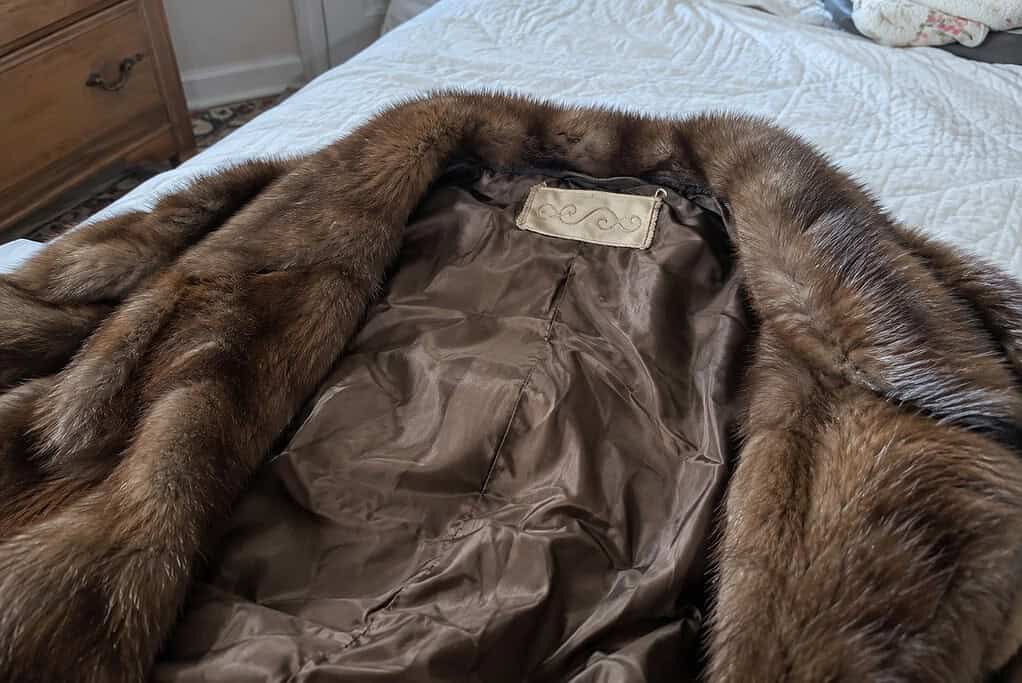
Inside most old furs, there’s a label sewn into the lining. It often shows the name of the fur shop where it was made or sold.
Mom’s coat had the name of a fur shop from the town where she grew up. My sister remembered the store. We both smiled at that.
Check the Fur and the Skin
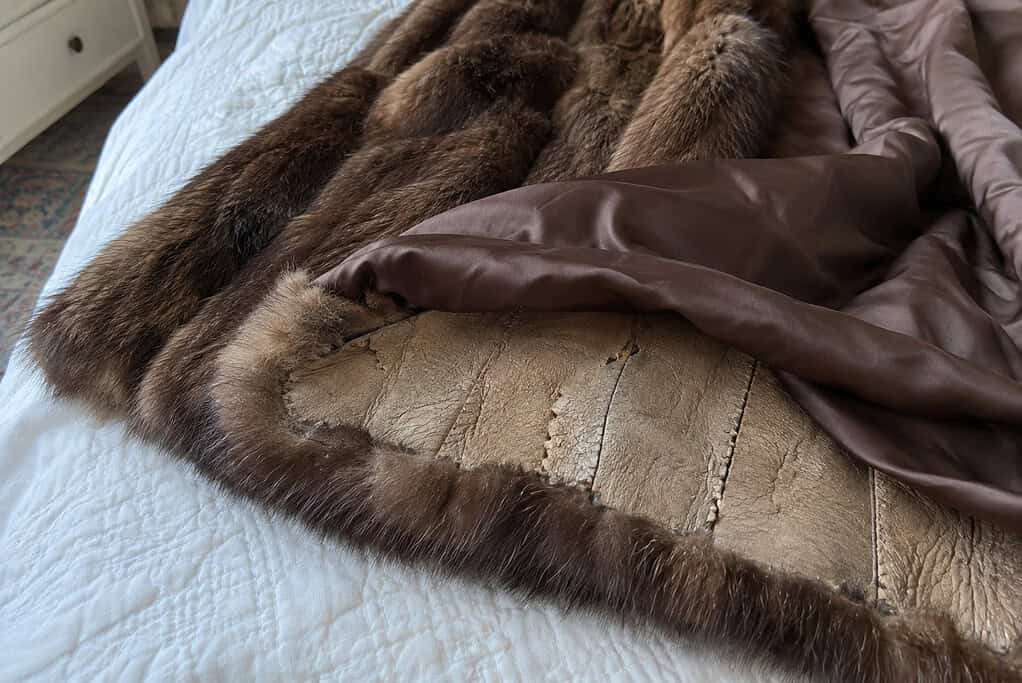
Gently run your hand over the fur. It should feel soft and smooth, with no bald spots.
Then look at the inside, if you can see it. Old fur can dry out over many years. If the skin under the fur feels stiff, cracks, or leaves a dusty powder on your fingers, the fur is probably too dry to save.
Mom’s coat had that problem. The skin crackled a little when we bent the bottom edge. The stole and the hat were still soft.
Look for Moth Damage
Moths love fur. Their young eat the hairs right at the base, which leaves small bare patches where you can see the skin.
Check under the collar and along the seams, where it’s hard to see. We found one small bare spot on the coat’s collar, and none on the stole.
Ask the Family First
Before we did anything, we asked the rest of the family.
My daughter came by that weekend and tried on the stole in front of the hall mirror. She laughed and said it made her feel like a movie star. Then she gave it back with a hug and said, “I’d never wear it, Mom.”
That was okay.
It’s the same answer she gave about the good china, and the same way she felt about my old wedding dress. Our daughters love us. They just don’t always love our things.
My brother, who lives three states away, said he didn’t need anything. But he asked us to send him a picture of the stole. He remembered Mom wearing it too.
What Old Furs Are Worth Now
This part surprised us, so I want to be honest about it.
Most old furs are worth much less than our mothers paid. Fewer people wear fur today, and many families are trying to sell their mothers’ furs at the same time.
One fur buyer in Maryland says most mink coats it buys bring about $300 to $1,500, when the fur is in good shape. Stoles, collars, and other small pieces are often worth very little, or can’t be sold at all. Dry skin, a strong smell, or heavy wear lowers the price even more.
A fur shop near us looked at Mom’s coat from a few photos. Because the skin was so dry, they couldn’t buy it. They said the stole was lovely but would bring almost nothing.
That stung for a minute.
Then my sister said, “Good. Now we don’t have to sell it.” And she was right.
If You Live in California
You may have heard that furs can’t be sold in California. That law is about new fur. Used and secondhand furs are not covered, so you can still sell or give away a mother’s old fur coat there.
Where Mom’s Furs Went
Once we knew what we had, the decisions came quickly.
The Coat Went to Keep Someone Warm
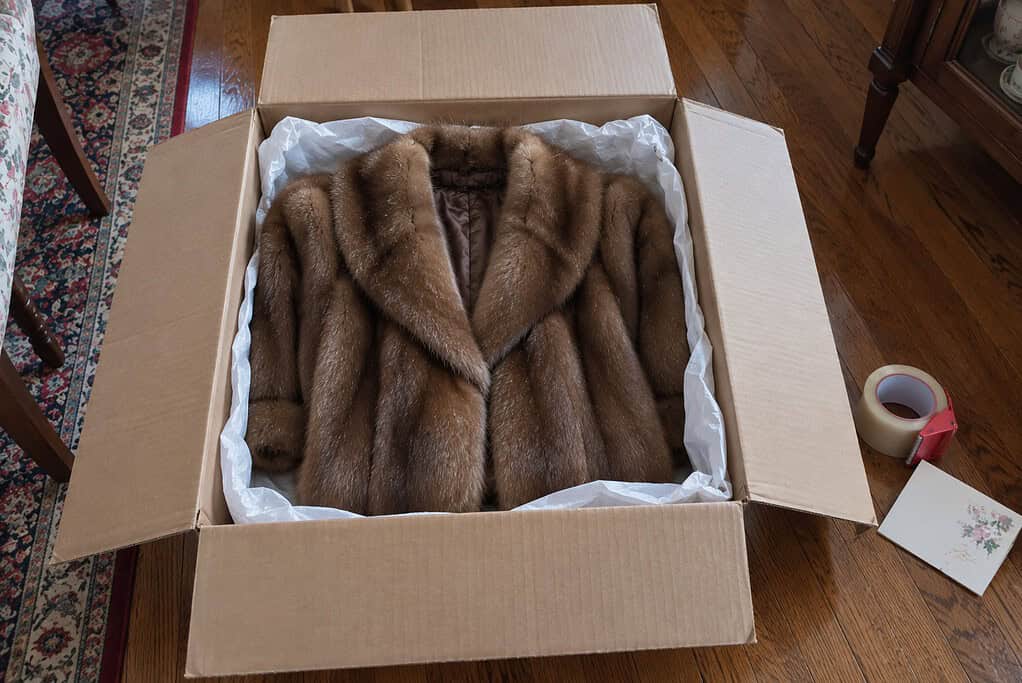
The long coat was too dry to wear for long or to sell. But it could still keep someone warm.
Some animal welfare groups collect old furs and give them to people in homeless shelters and to refugee families who need warm coats. A few wildlife rescue centers also take old furs to use as soft bedding for baby animals. Call your local wildlife rescue first to ask.
We mailed Mom’s coat to one of those groups. I liked thinking of it on someone’s shoulders on a cold night, instead of hanging in the dark.
For other coats, my item-by-item donation guide has a list of coat drives and where to find them.
The Hat Became a Little Bear

The mink hat was too small to wear and too sweet to give away.
We found a woman who makes small teddy bears out of old fur coats and hats. Bears like these can cost from about $50 for a small one to a few hundred dollars for a large one, depending on who makes them.
She made a small bear from Mom’s hat, with the satin bow tied around its neck. My younger granddaughter keeps it on her bed. She named it Grandma Bear.
If you’d like something made from a fur, ask a furrier or crafter for a written price first. Some furs are too dry to sew, so they’ll need to check it before they start.
The Stole Stayed
We kept the stole. We didn’t even have to talk about it.
My sister and I will take turns. This year it’s mine, and I plan to wear it to church on Christmas Eve, the way Mom did. Next year, it goes to my sister’s house.
I’d rather wear it once a year than keep it in a bag forever. (I’ve learned that lesson about using the good stuff.)
How to Care for a Fur You Keep

If you keep a fur, a little care helps it last.
Hang it on a wide, padded hanger, never a thin wire one. A wide hanger keeps the shoulders from losing their shape.
Never store a fur in a plastic bag. Use a breathable cloth garment bag instead. Plastic can trap moisture and dry out the skin.
Keep it away from heat, sunlight, and bright lamps, which can fade the fur. And don’t store it in a cedar closet or with mothballs, because those can dry out the skin too.
Many fur shops offer cold storage over the summer, in a cool, dry room kept at about 50 degrees. Ask what it costs. For a fur you’ll wear often, it can be worth it.
If your fur needs cleaning, take it to a fur shop, not a regular dry cleaner.
If You’re Not Ready to Decide
Some furs are harder to let go than others. If you’re not sure yet, that’s okay.
Take the fur out of the closet and hang it where you’ll see it for a week. Put it on once, just around the house. Notice how it feels.
If you still can’t decide, put it back in its cloth bag and write a date on a tag, one month from today. When that day comes, look again. Most of the time, you’ll know.
Keeping the Memory Without the Closet Full
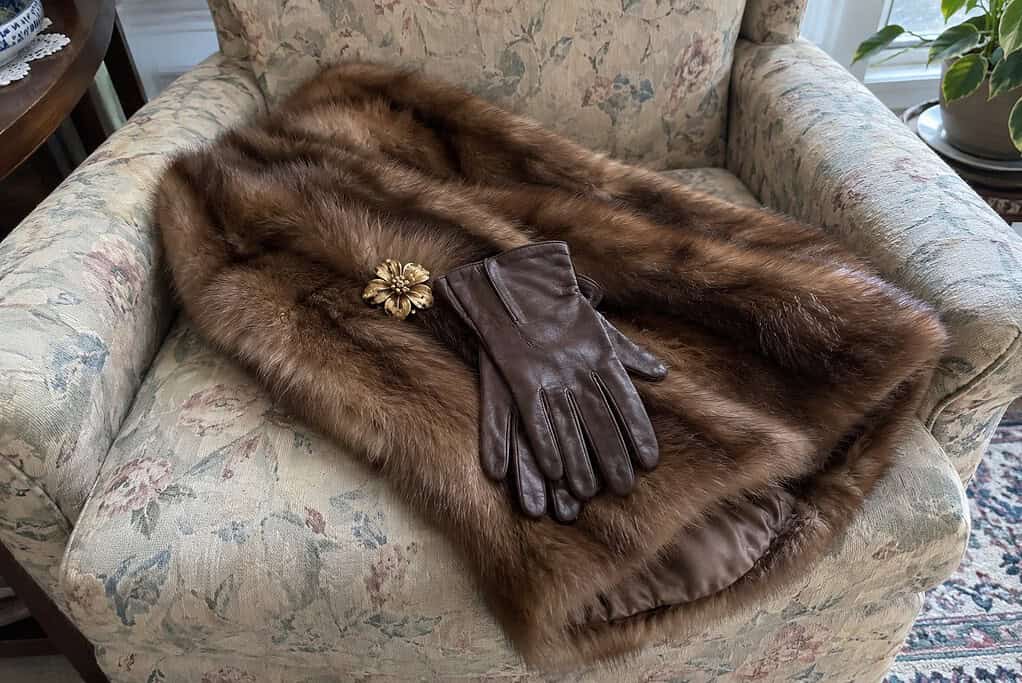
My mother’s furs were never really about the furs.
I remember her pinning her gold brooch to the stole on Christmas Eve. I still wear that brooch on my own coat. (I wrote about my mother’s costume jewelry and the pieces I kept.)
I remember the smell of her perfume on the collar. I remember her taking my arm on the icy church steps.
None of those memories needed a garment bag. The stole and a little bear are enough to hold them.
If you have a box or a closet of your mother’s clothes, the estate sale lady who helped us had good advice about what families actually keep. Something you can wear or carry often means the most.
A Lighter Closet, and a Warmer Heart
The closet in the spare room has room now. I hung my own winter coat in the space where the garment bag used to be.
Somewhere, someone is wearing Mom’s coat on a cold night. My granddaughter is hugging a bear with a satin bow. And on Christmas Eve, I’ll walk into church with Mom’s stole around my shoulders.
If you have an old fur waiting in a closet, take it out this week. Check the label, feel the skin, and decide on just one piece. You might be surprised how good that empty hanger feels.
Make Room for What Matters Most

Our mothers’ things can be the hardest to sort. You don’t have to do it all at once, and you don’t have to do it alone.
My free Declutter for Self Care Checklist breaks your home into small, gentle jobs, one closet at a time. Start with one garment bag, one afternoon, and someone you love beside you.
Frequently Asked Questions
What can I do with an old fur coat?
You can sell it to a fur buyer if it’s in good shape, give it to a group that passes furs on to people who need warm coats, have it made into something new, or keep it and wear it. Check the fur and the skin first, because a fur that’s dried out may not be sellable or sewable.
Are old mink coats worth anything?
Some are, but most are worth much less than they once cost. One fur buyer says most mink coats it buys bring about $300 to $1,500 when they’re in good shape. Stoles and small pieces are often worth very little, and dry or damaged furs may not sell at all.
Where can I donate an old fur coat?
Some animal welfare groups collect old furs and give them to homeless shelters and refugee families. Some wildlife rescue centers use old furs as bedding for baby animals. Call ahead, because each place has its own rules.
Is it legal to sell a used fur coat in California?
Yes. California’s fur law, which started in 2023, is about new fur products. Used furs are not covered, so you can still sell or donate a used fur there.
How do I store a fur coat at home?
Hang it on a wide, padded hanger in a breathable cloth bag, never plastic. Keep it away from heat, sunlight, cedar, and mothballs. For a fur you’ll keep a long time, ask a fur shop about cold storage.
Follow me elsewhere!

