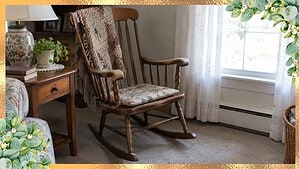
Last month, my daughter sat down in the old rocking chair by our living room window. She gave it one slow push with her foot, the same way I used to.
I rocked all three of my babies in that chair. I rocked them through fevers and teething and long nights when nobody slept.
“I love this chair, Mom,” she said. “But I don’t have anywhere to put it.”
She said it so gently. And she was right.
Her house is full of her own life. So are my other two children’s homes. Not one of them has room for a rocking chair, a china hutch or a crib from 1988.
I’ll admit, it stung for a minute. Then I made a plan, one piece at a time, and I want to share it with you. If you’ve been wondering what to do with old furniture when your kids don’t want it, this is what worked in our house.
Ask First, Then Believe the Answer
Before anything leaves the house, ask your children. Ask each one alone, so nobody feels pushed.
I made a short list of the big pieces in our house. Then I asked each of my kids, “Is there anything on here you’d like, now or later?”
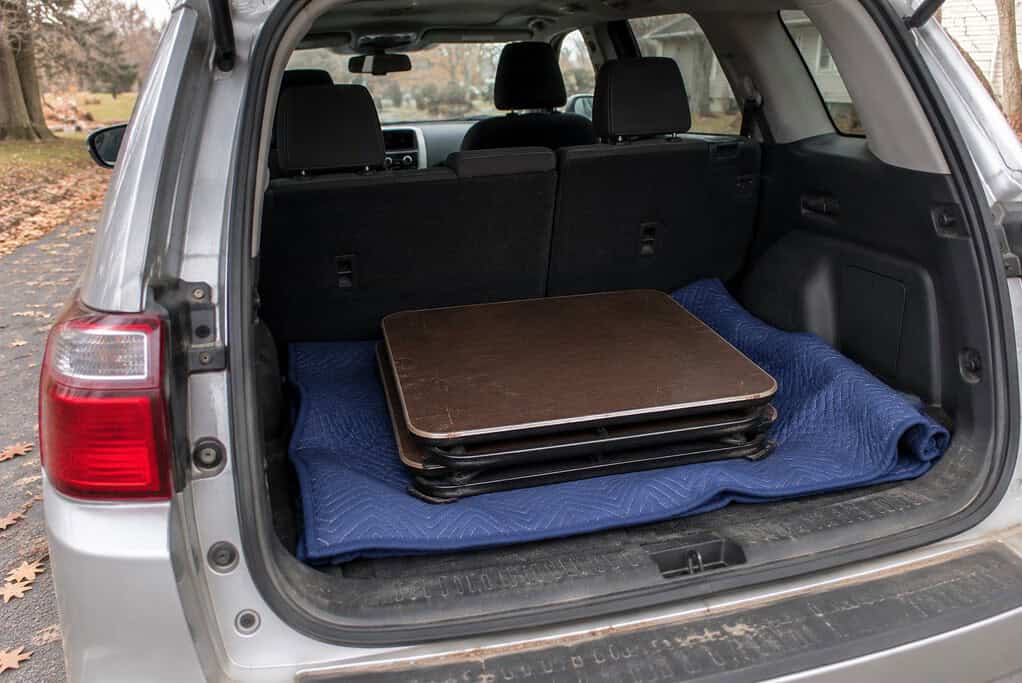
My oldest wanted nothing. My youngest asked for the two old card tables from the basement. My daughter wanted the rocking chair but had no place for it.
That’s a real answer. I didn’t argue, and I didn’t ask again at Christmas.
If a child says “maybe,” give them a kind date. I told mine, “If you’d like it, come get it by the end of October.” (Nobody came, and that was fine.)
I shared more about how I asked them in my post on what kids want to inherit. Their answers surprised me, and they made all of this easier.
You Can Keep What You Use
I had to learn something about this. Nobody has to want a piece for you to keep it.
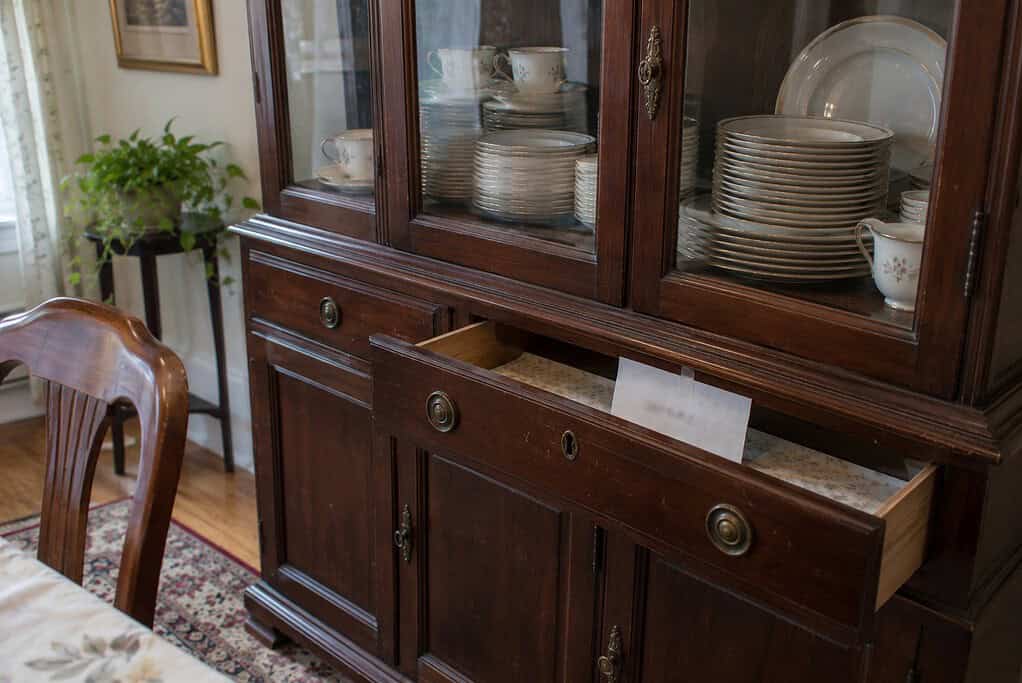
Our dining room hutch is big and dark and heavy. None of my kids want it.
But I use it every week. My mother’s good china lives in it, and I eat off those plates on Sunday mornings. I wrote about that in my post on what to do with good china.
So the hutch stays, for now. I use it, and that’s reason enough.
I did one small thing, though. I taped a note inside the top drawer.
It says, “You don’t have to keep this. Please give it to someone who needs it.” My kids know the note is there. When the day comes, they won’t have to wonder what I wanted.
Check if It’s Worth Money Before It Goes
Most old furniture won’t bring much money. But a few pieces will, so it’s worth a quick look first.
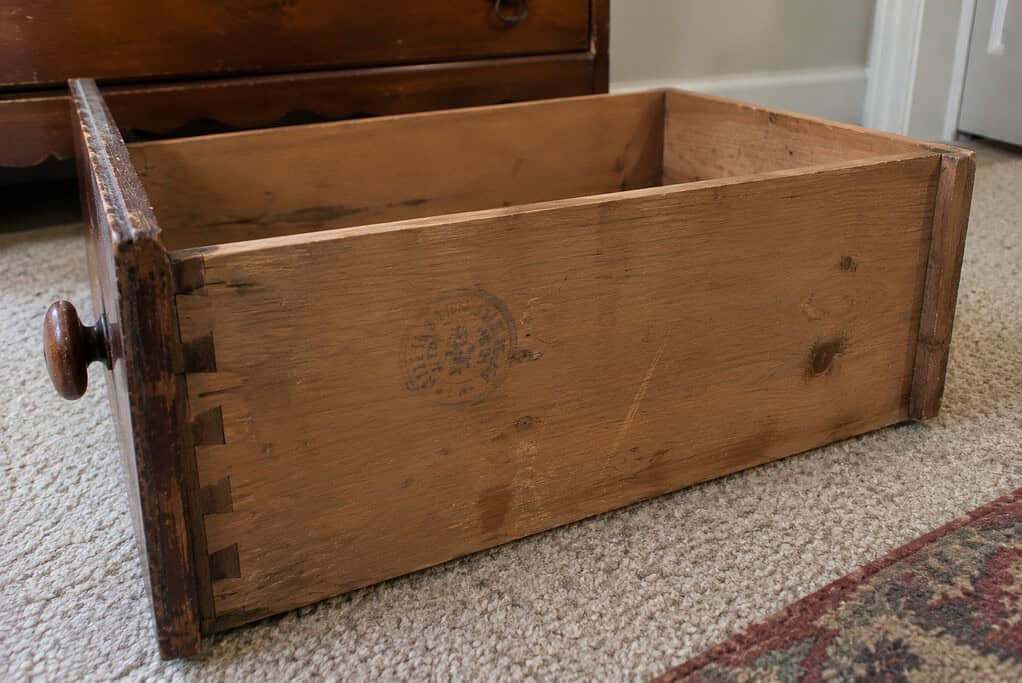
Open a drawer and look inside it, on the back and underneath. A maker’s name, a stamp or a paper label can help you look up what a piece like yours sold for.
Look at what it’s made of, too. Particle board is made of wood chips pressed and glued together, and it usually sells for very little. You can often see the chips on the back or underneath, where there’s no covering.
When we emptied my mother’s house, the estate sale lady told me what usually sells. Small, sturdy pieces that fit in a car do well. Big, dark pieces like china cabinets and formal dining sets are much harder to sell.
I found the same thing when I sold a few things this fall. A small oak side table sold in three days. I wrote about it, and what didn’t sell, in my post on what’s worth selling when decluttering.
If you think a piece is special, a consignment shop or a local auction house can take a look. Many consignment shops keep about half of the sale price. Ask how it works and get it in writing before you leave it there.
Give It to Someone Who Needs It
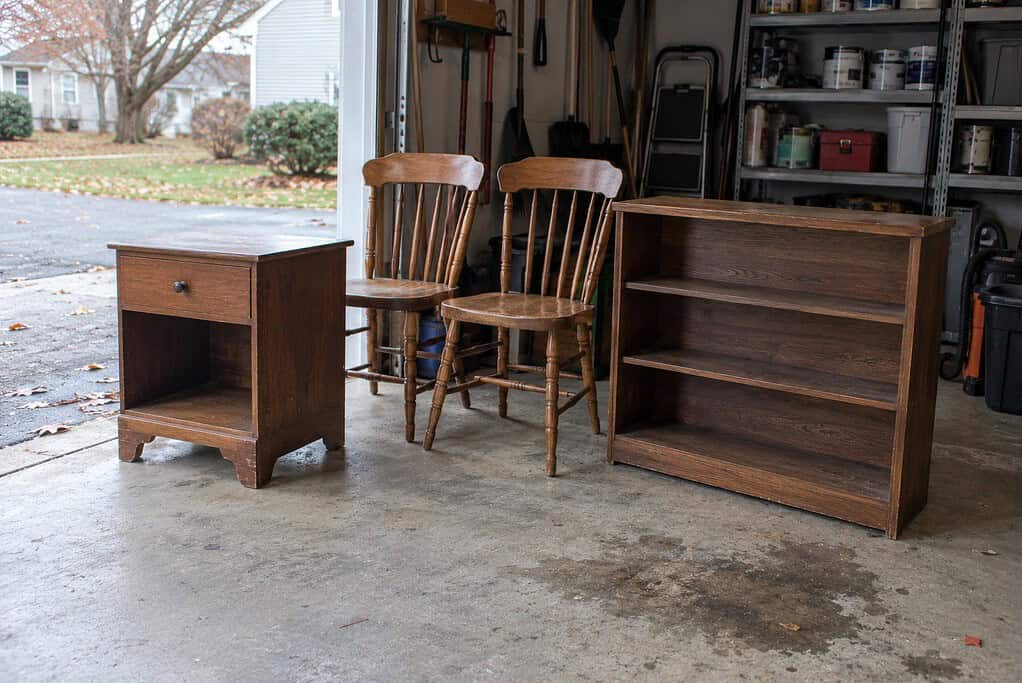
This is where most of our furniture went. And it felt so much better than I expected.
The EPA says that in 2018, about 12 million tons of furniture and furnishings were thrown out in the United States. About 80 percent of it went to landfills.
So much of it could have been sitting in someone’s home instead. These places can help make that happen.
Habitat for Humanity ReStore
ReStores take new or gently used furniture. They sell it, and the money helps build homes.
Many ReStores offer free pickup for large furniture. Every store is a little different, so call yours first and ask what they take.
A Furniture Bank
Some towns have a furniture bank. It’s a charity that gives furniture to families who need it, at little or no cost.
They help families who are starting over, such as people moving out of a shelter. Search “furniture bank near me” to see if there’s one close by.
The Salvation Army and Other Charities
The Salvation Army will schedule a free pickup for furniture in many areas. You can call 1-800-SA-TRUCK or set it up on their website.
Other groups, like St. Vincent de Paul, also pick up in some towns. Your church may know a family who needs a table or a bed, too.
Someone You Know
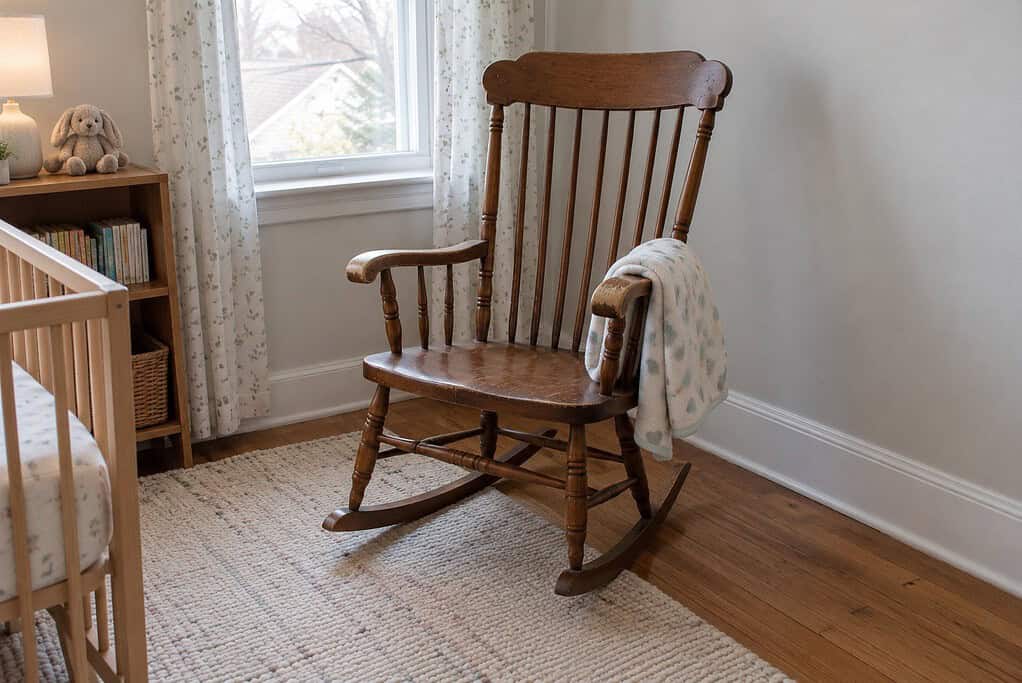
This is how the rocking chair left our house.
A young couple at church is having their first baby in the spring. I asked if they’d like a rocking chair, and her eyes filled up right there in the parking lot. (Mine did too.)
Her husband came for it on a Saturday. Now it sits by a window in the baby’s room, waiting.
If you give a dresser or a bookcase to a family with little ones, tell them to fasten it to the wall. The Consumer Product Safety Commission asks families to anchor furniture so it can’t tip over on a child.
I shared more places to send things in my post on where to donate household items.
Some Furniture Should Not Be Passed On
Some pieces aren’t safe for anyone. These are the ones to let go of for good.
Old Cribs
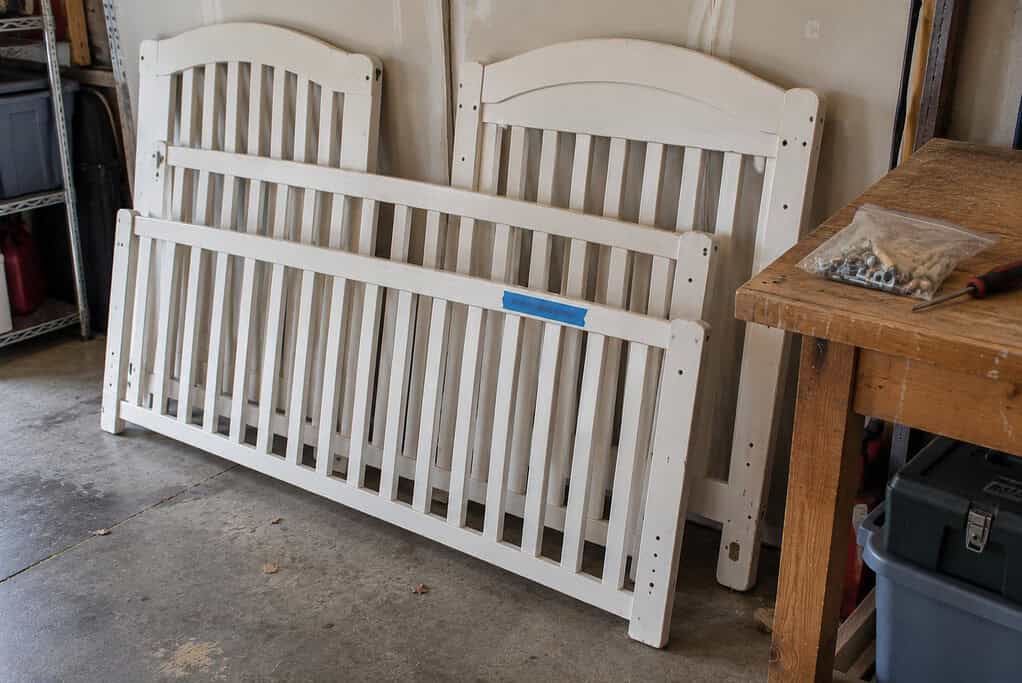
Our crib had been in the attic for more than thirty years. I kept it “for the grandkids,” but none of them ever slept in it.
This fall, my niece told me she’s bringing her little boy for Thanksgiving. I thought about setting up the old crib for him.
Then I learned it’s a drop-side crib. Since 2011, it’s against federal rules to sell or donate a drop-side crib. The side can come loose and trap a baby.
The Consumer Product Safety Commission says to take an old crib apart before you throw it away. That way, nobody pulls it out of the trash and uses it.
My grandson carried it down from the attic. He and my husband took it apart in the garage, and it went out on our town’s bulk trash day. (My niece is bringing her own travel crib.)
Old Cedar Chests With a Lock
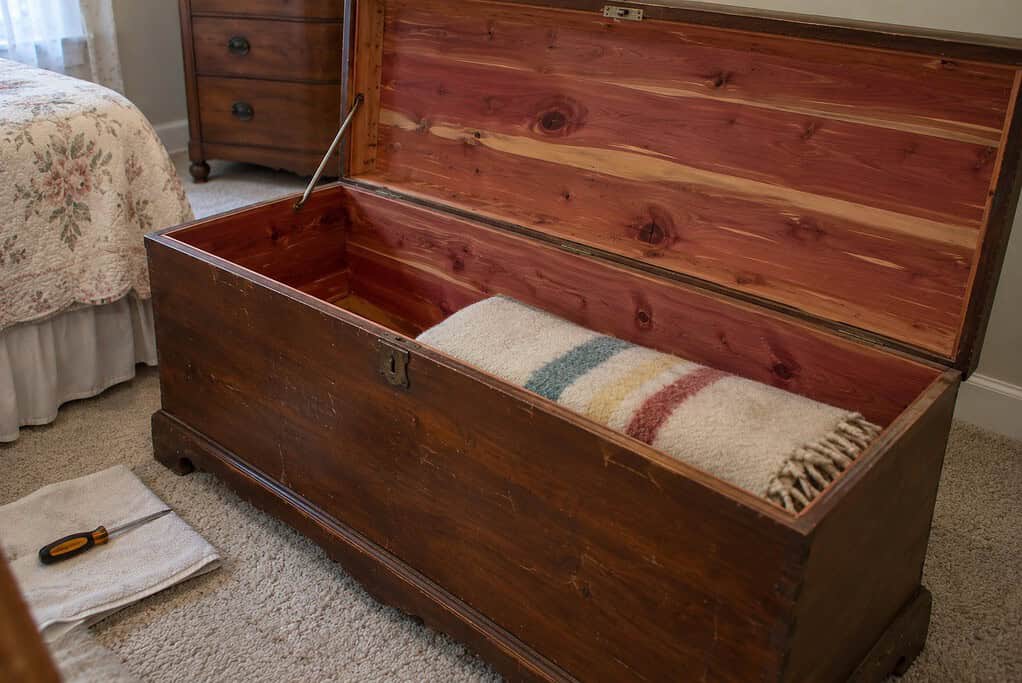
If you have an old Lane or Virginia Maid cedar chest, please check it. Many chests made from 1912 to 1987 have a latch that locks by itself when the lid closes.
Children have climbed inside and been trapped. The Consumer Product Safety Commission asks owners to remove the lock completely.
You can find the brand name inside the chest. If it’s one of these, take the lock off before you keep it, sell it or give it away.
Mattresses and Worn-Out Pieces
Many donation places can’t take used mattresses. Call first, and ask your town’s trash office how to get rid of one if they say no.
Torn, stained or broken pieces usually can’t be sold either. Those can go out on bulk trash day, or a junk removal company can haul them away for a fee.
Please Don’t Move It Yourself
Furniture is heavy, and our backs and knees don’t need that kind of trouble.
Empty every drawer first. Take the drawers out, too, so the piece weighs less and nothing slides out on the stairs.
Then get help. My grandson is our heavy lifter now, and he likes being asked.
Pickup crews in some areas can’t come inside the house. Ask when you call, so you know if the piece needs to be in the garage or on the porch.
If someone comes to buy a piece, have another person home with you. Put the furniture in the garage or near the front door, so the buyer doesn’t need to walk through the house.
What Happened to Mom’s Furniture
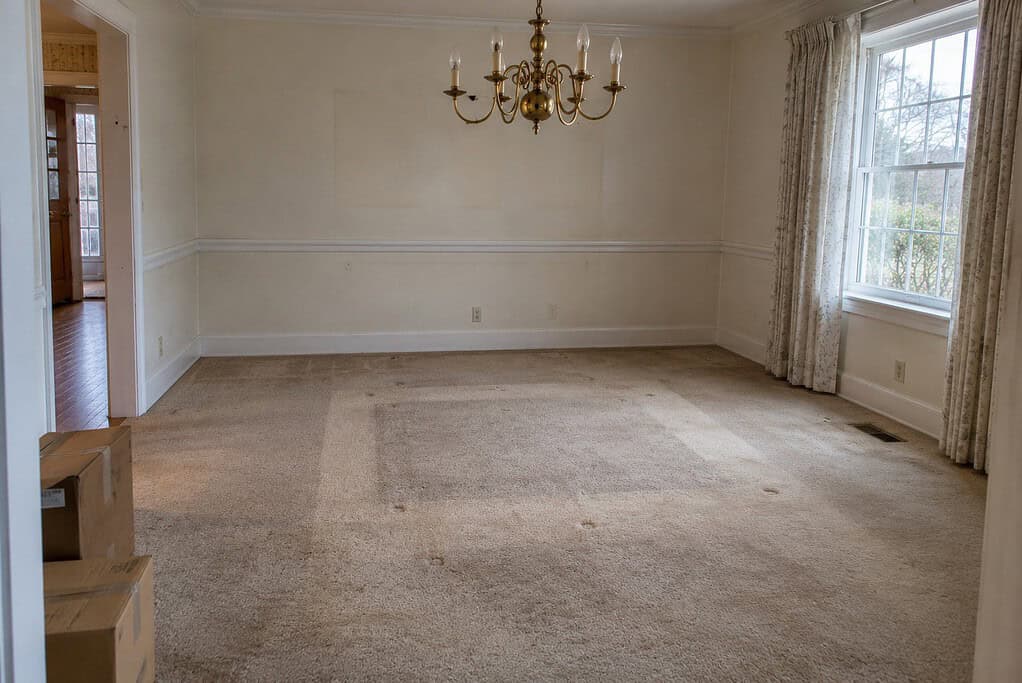
When my mother passed, her house was full of furniture. There was a big bedroom set, a heavy dining table and a sofa she’d had for thirty years.
My brother and I kept a few small things. The estate sale company sold what it could, and a charity picked up most of what was left.
At the time, it hurt to watch it go.
Her bed. Her table. The chair where she did her crosswords.
But I learned something those weeks. The things I miss about my mother aren’t her furniture.
I miss her voice on the phone at nine in the morning. I miss her banana bread. The estate sale lady told me families nearly always keep the small, everyday things, and I wrote about what families really keep after our talk.
That’s why I made a plan for my own furniture now. I don’t want my kids to stand in my dining room someday, not knowing what I’d want.
A Little More Room by the Window
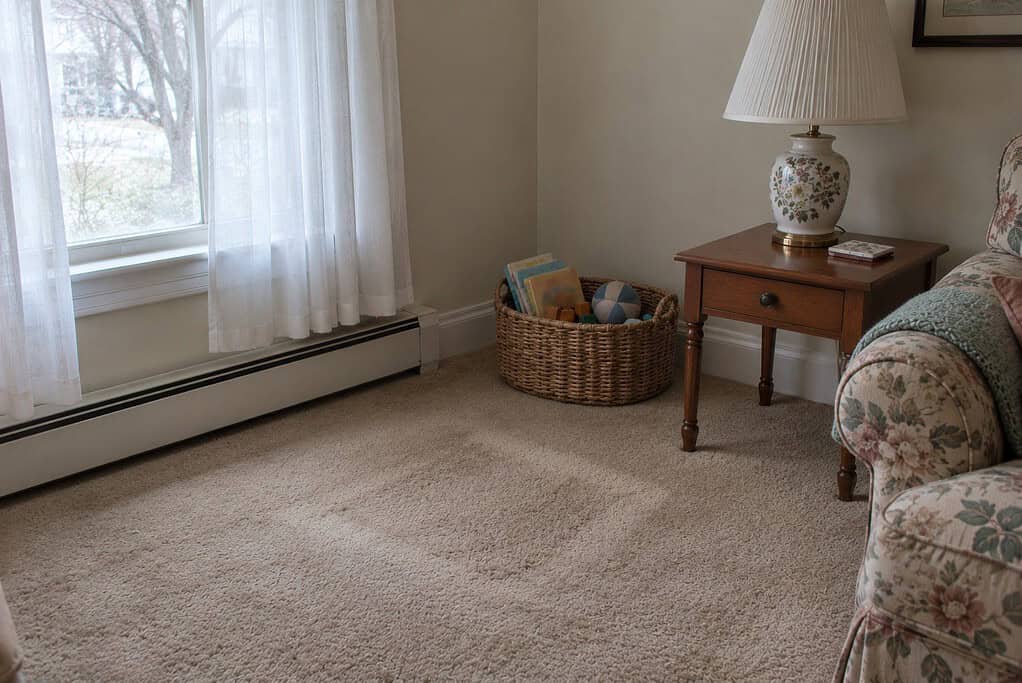
The corner where the rocking chair sat is empty now. At first, I didn’t like how it looked.
Then I set a small lamp there. I moved the low basket of board books and wooden blocks there too, for my niece’s little boy. I wrote about getting the house ready for him in my post on childproofing a grandparents’ house.
Some mornings, I sit on the couch with my coffee and look at that corner. I think about the chair in a baby’s room across town.
It’s being used again. Someone will rock a baby in it this spring, the way I did.
That’s the best ending I could have wanted for it. And it’s a kind ending for me too, because I got to see it happen.
So this week, pick one piece your kids don’t want. Ask yourself if you use it, if it’s worth a look, or if someone else needs it more. Then let it go to a home where it will be loved again.
A Little Help Along the Way

Big furniture is one part of a full house. The small things in our drawers and closets need clearing too.
My free Declutter for Self Care Checklist breaks your home into small, gentle jobs. Keep it on the fridge and work on one spot whenever you feel ready.
Frequently Asked Questions
What can I do with old furniture nobody wants?
You can donate it to a Habitat for Humanity ReStore, a furniture bank, the Salvation Army or a church family who needs it. Many of these groups offer free pickup for large furniture. Broken or stained pieces can go out on your town’s bulk trash day.
Will someone pick up my old furniture for free?
Many Habitat for Humanity ReStores offer free pickup for large furniture, and so does the Salvation Army in many areas. Call first, because every location is different. Some crews can’t come inside, so ask if the piece needs to be in the garage or on the porch.
Is old furniture worth any money?
Most old furniture sells for very little, but some pieces do sell. Small, sturdy pieces made of solid wood often sell best. Look for a maker’s name inside a drawer or on the back, and check what similar pieces have sold for before you set a price.
Can I donate an old crib?
Not if it’s a drop-side crib. Since 2011, federal rules say drop-side cribs can’t be sold or donated. The Consumer Product Safety Commission says to take an old crib apart before you throw it away, so no one else uses it.
What if my kids don’t want my furniture?
It’s okay. Their homes are full of their own lives, and it doesn’t mean they don’t love you. Keep the pieces you use, and give the rest to someone who needs them now.
Follow me elsewhere!

