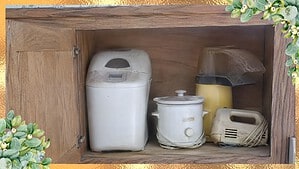
My old bread maker sat in my cabinet for two years, and it left my house in four hours.
My sister gave it to me, so I felt bad about letting it go. (She gave it with love, and we did eat the bread.) I didn’t know where else it could go, so it stayed.
Then one Tuesday morning, I took one photo and posted it in our local Buy Nothing group. By that afternoon, it was gone. The woman who came for it had wanted one for months, but she couldn’t justify buying one new.
That got me looking through the rest of my cabinets this fall. I found a small slow cooker, an old hand mixer, an electric knife and a popcorn popper. None of them had been plugged in for years.
I had kept them all for the same reason. I figured nobody wanted them, so where would they go?
There is an answer for each one, even the broken ones. Let me show you what to do with old small appliances, so you can have that cabinet back.
Why These Little Machines Are So Hard to Let Go
Small appliances cost good money, and that’s part of it. They still work, or they might, so tossing them feels wrong. Some were gifts, and that makes it harder.
They’re also a bother to get rid of. You can’t just drop a slow cooker in the recycling bin, and a thrift store may not take it. So it goes back in the cabinet, and there it sits.
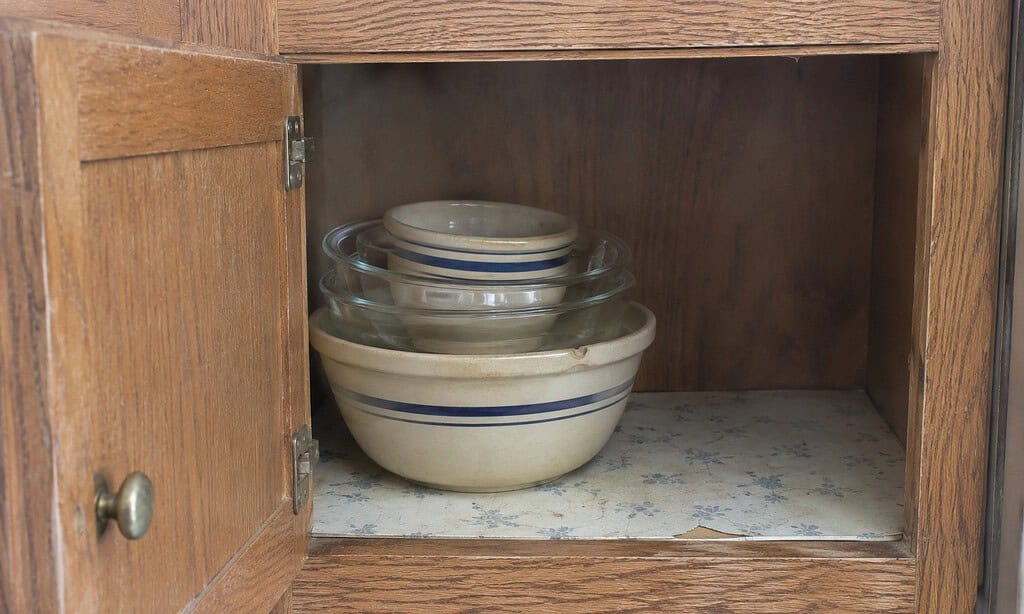
They take up a lot of room, too. My bread maker filled the same spot that now holds all my mixing bowls. (I was surprised how much room one machine took.)
If yours are out on the counter, I shared how I cleared mine in decluttering my kitchen countertops.
Keep the Ones You Really Use
Before anything leaves, decide what stays. Not every old appliance is clutter.
I make soups and stews in my big slow cooker all fall and winter, so it stays. The mixer I bake with stays too, in a low cabinet where I can reach it. (It’s old, and it still works just fine.)
For everything else, I ask one plain question. Have I used this in the last year?
If the answer is no, I ask myself if I really will. A bread maker is lovely if you bake. If you buy your bread at the store and you’re happy about it, you can be honest about that.
Test Each One Before You Decide
Now bring them out and test them. If any are up high, please have someone hand them down to you. My grandson calls himself “the tall one,” and he’s right.
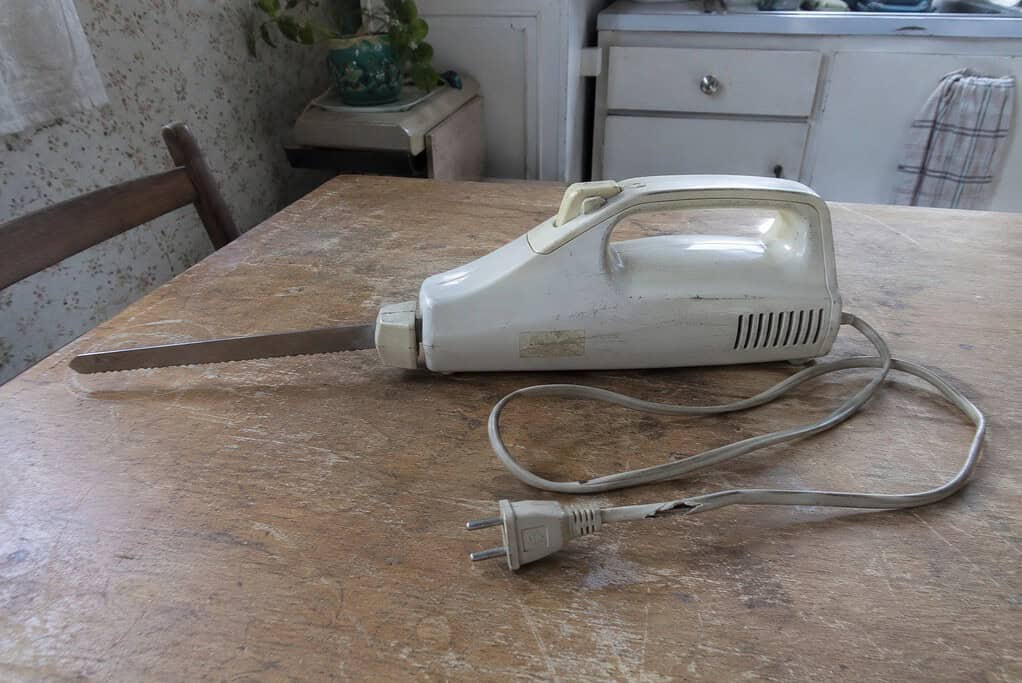
Start with the cord, and do this before you plug anything in. If the cord is cracked, frayed or taped, don’t plug it in at all. That one goes in the broken pile, and that’s where my electric knife went.
Make three piles as you go: keep, give away and broken. I did mine in the kitchen, with a chair pulled up so I could sit between tests.
Then test one at a time, and stay in the room while you do it. Unplug each one when you’re done.
For a slow cooker, pour in water until it’s about half full. Put the lid on and turn it to low.
After an hour or so, the water should feel warm. (Mine took a little longer, so I gave it time.)
Look at the crock while you’re at it. A crack or a deep chip means it’s not one to pass along.
For a bread maker, lock the empty pan in place and start a cycle. Some machines warm up first, so it may take up to half an hour. Once the paddle turns, you know the motor works, and you can turn it off.
For a mixer, put the beaters in and try each speed. Listen for grinding, and sniff for a hot smell. My old hand mixer smelled hot on the second speed, so I unplugged it and it joined the knife.
Then check for all the parts. A bread maker needs its pan and paddle, a slow cooker needs its lid, and a mixer needs its beaters.
If the manual is long gone, that’s fine, since many can be found online. I wrote about that in what to do with old owner’s manuals.
Check for Recalls Before You Pass One On
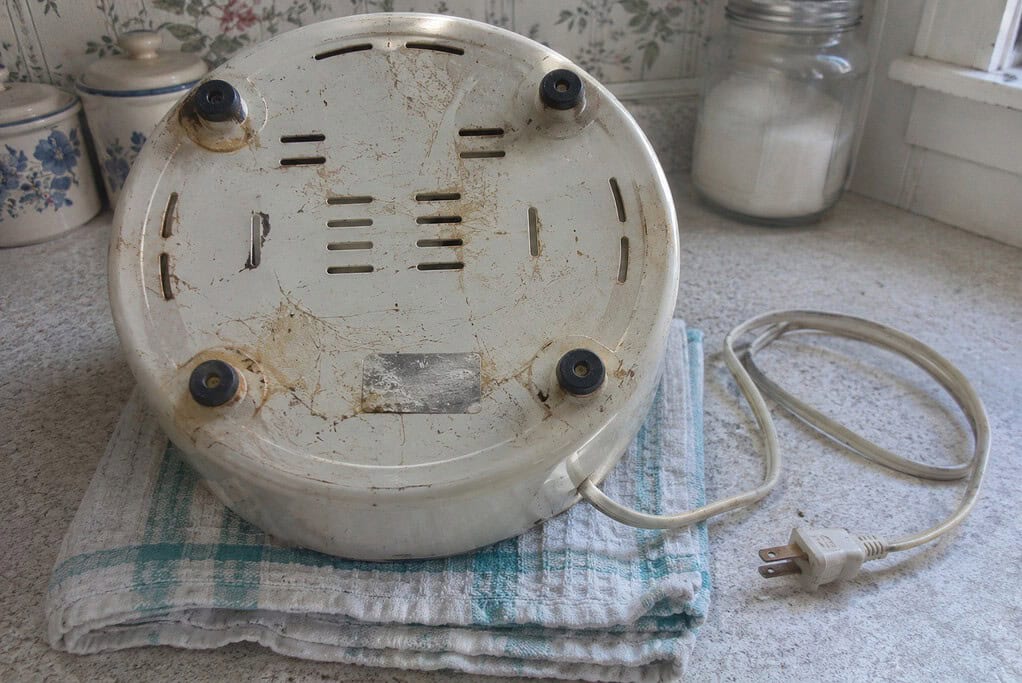
This step takes five minutes, and I’m glad I learned about it. The U.S. Consumer Product Safety Commission keeps a list of recalled products at cpsc.gov/Recalls.
Look on the bottom of your appliance for the brand and model number. Then type the brand and the product into the search box. Slow cookers and blenders have both been recalled over the years, so it’s worth a look.
If yours is on the list, stop using it and follow the steps in the recall notice. It’s against the law to sell a recalled product. I wouldn’t give one away either.
Who Really Wants Them
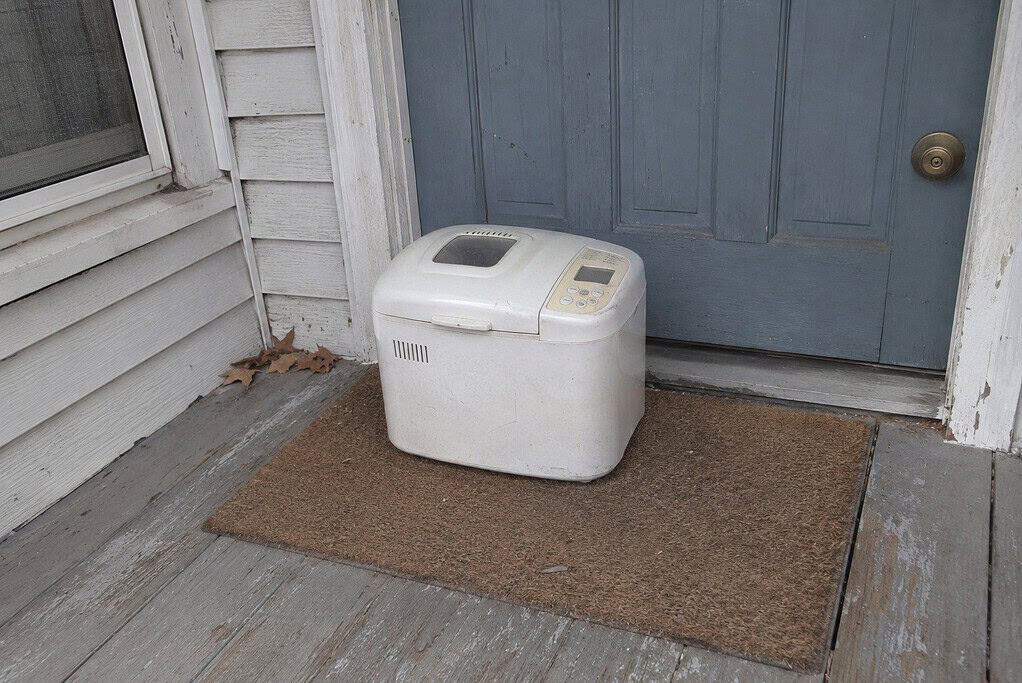
You may be surprised. Somebody near you may be looking for a bread maker this week.
First, wash it well. Nobody wants last year’s crumbs. Then tape a note on it that says what it is and that it works, like “Tested and working, November.”
Start with family. My popcorn popper is in a box for my grandson’s first apartment, along with a can opener. (He says he’ll use them both, and we’ll see.)
Next, try a free group like Buy Nothing. You post a photo, and a neighbor comes to get it.
You can leave it on the porch with their name on it. That way, nobody has to come inside.
Your church may have a place for it, too. I called first, and then my small slow cooker went to the household closet at ours. A family just getting started was glad to have it.
Thrift stores are another good choice, as long as the appliance is clean, working and has all its parts. They don’t all take the same things, so call first. If one says no, don’t take it personally, and try the next one.
Habitat for Humanity ReStore shops also take gently used appliances. Each store is different, so call before you load the car. I listed more ideas in where to donate household items.
What If It Might Be Worth Something?
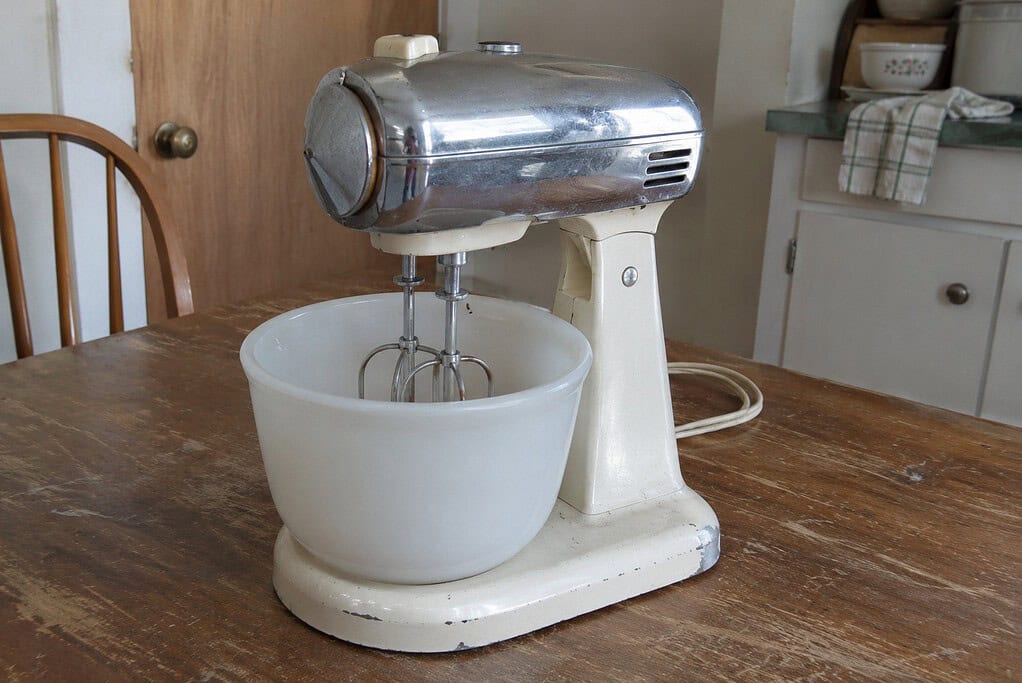
Most small appliances won’t bring in much money. A working stand mixer is the one most likely to sell, along with some of the older ones people collect. I shared a few in vintage kitchen items worth money.
Please look up what yours sold for, not what people are asking. On eBay, you can search for your mixer and then choose to see sold items. Many ordinary older mixers sell for tens of dollars, not hundreds.
Then think about whether it’s worth your trouble. A mixer is heavy to pack and ship, so a local sale on Facebook Marketplace may be easier. You can read more in what’s worth selling when decluttering.
If you try for a couple of weeks and nobody buys it, give it away. Then you can have your shelf back.
Where the Broken Ones Go
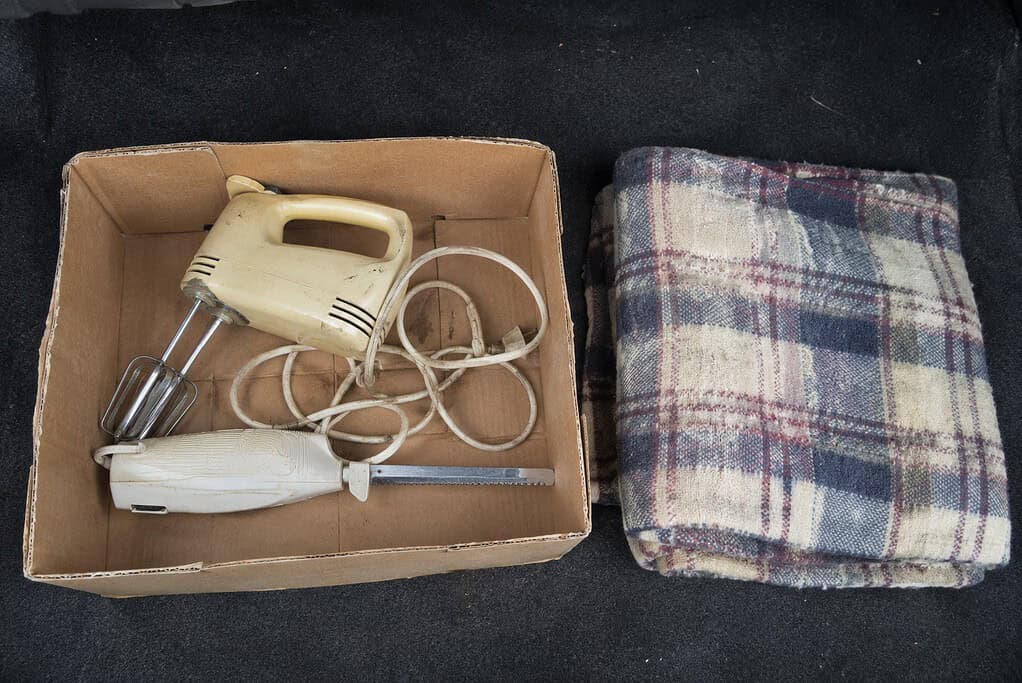
If it’s broken and you love it, look for a free repair event first. Volunteers fix all kinds of things at these, even stand mixers, and they’re often held at churches and libraries.
Look up “Repair Café” or “Fixit Clinic” with the name of your town. You may have to pay for a part.
If you don’t love it, recycle it if you can. Many small appliances still have metal in them that can be used again.
Best Buy takes many small appliances for recycling at most of its stores, no matter where you bought them. The rules are different from state to state, so check their website or call first.
We called first, and they said to bring both. My husband dropped off my old mixer and my knife on his way to the hardware store.
Your city or county trash office is another good call. Some places want small appliances brought in as scrap metal or for an electronics recycling day. Others let you put them in the trash.
You can also search your ZIP code at Earth911.
There’s one thing to watch for. If it charges up with no cord, like a cordless hand mixer, it may have a lithium-ion battery inside. The EPA says those should not go in your household trash or recycling bin, because they can start fires.
It’s okay if a thing ends up in the trash, when your town allows it. You tried, and there’s no shame in it. I wrote about those leftovers in what to do with things you can’t sell.
If One of Them Was a Gift
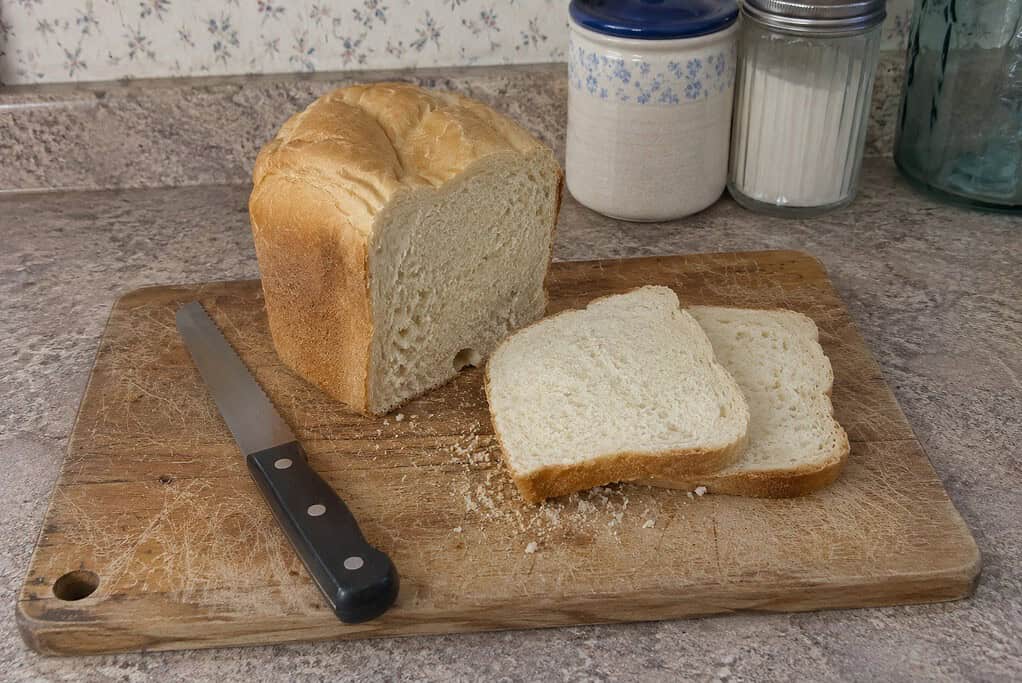
This is the hard one, and it’s why my bread maker stayed for two years. I kept thinking my sister would ask about it.
She never did. When I finally told her, she laughed and said she had given away her own. (Two years of guilt, and she’d forgotten all about it.)
The person who gave it to you wanted you to have good bread or a good dinner. They didn’t want you to feel stuck with a machine.
You already got the love that came with it. You don’t have to keep the machine too.
I let go of a waffle maker, a fondue pot and a spare coffee maker the same way. I told that story in how I stopped hoarding dishes.
What You Get Back
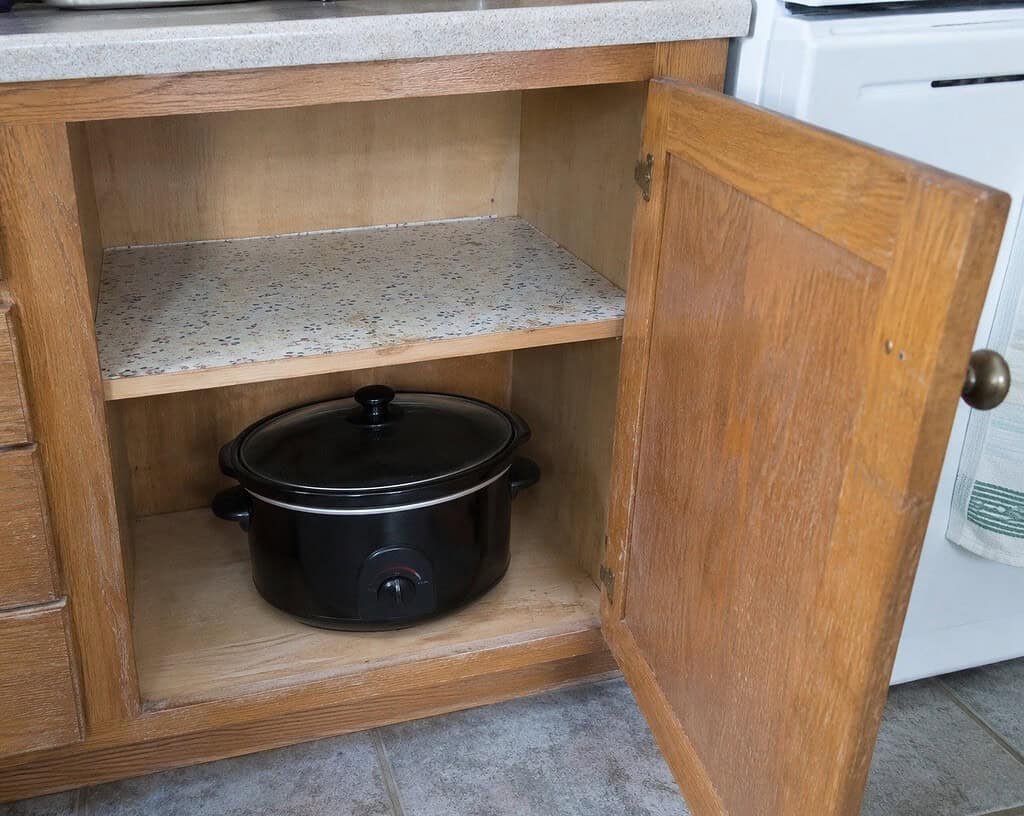
When I was done, I had a whole shelf with nothing on it. I left it that way for a week, just because I liked opening the door.
Now my big slow cooker sits right where I can slide it out. I don’t have to move three things to get to it, and I don’t have to ask anyone for help.
On a cold afternoon, I put a soup on and sit down in my chair with a cup of tea. The house smells good, and nothing in that cabinet is waiting on me to decide about it.
That’s a small thing, and I’ve come to love it.
Start With One Cabinet

You don’t have to sort every appliance in the house today. Pick one cabinet, test what’s in it, and see how good that empty shelf feels.
My free Declutter for Self Care Checklist breaks your home into small, gentle jobs. It can show you what to do next when you’re ready.
Frequently Asked Questions
What can I do with old small appliances that still work?
Test them, clean them and check for recalls first. Then offer them to family, a free group like Buy Nothing or your church. A thrift store or Habitat for Humanity ReStore may take them too, but call first.
Can I donate a small appliance that doesn’t work?
Most thrift stores don’t want broken things, so it’s best to keep them out of the donation pile. Try a free repair event if you love it. If not, look for a recycling option.
Does Best Buy recycle small kitchen appliances?
Best Buy takes many small appliances at most of its stores, no matter where you bought them. The rules are different from state to state, and there are limits. Check their website or call before you go.
How do I know if my old slow cooker was recalled?
Look on the bottom for the brand and model number, then search for it at cpsc.gov/Recalls, the U.S. Consumer Product Safety Commission’s list. If it’s listed, stop using it and follow the notice.
Can I throw small appliances in the trash?
It depends on where you live, so ask your city or county trash office. Some allow it, and others want them recycled or brought in as scrap metal. Anything with a lithium-ion battery should not go in your household trash.
Follow me elsewhere!

