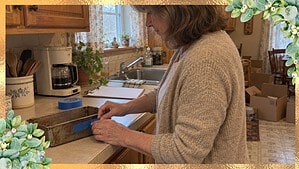
One hour with an estate sale lady taught me more about what families keep than sixty years of keeping things myself.
I met her the month after my mother passed. My brother and I had thirty days to empty the house she’d lived in for forty years. My brother lived three states away, so most of the sorting was mine. I hired an estate sale company to sell what the family didn’t take.
The woman who ran it came over on a gray Thursday morning. She had a clipboard, a roll of blue painter’s tape, and the calmest voice I’d heard all month. (It had been a loud month.)
She walked through every room with me, one at a time.
I’ve thought about her words every week since. They changed how I look at my mother’s things, and they changed how I look at my own.
I wrote about those thirty days in Mom’s house before. But I never wrote about her.
So if you’re trying to decide what to keep from your parents’ house, or you’re just wondering what your own family will want someday, let me tell you what she said.
The Morning She Walked Through Mom’s House
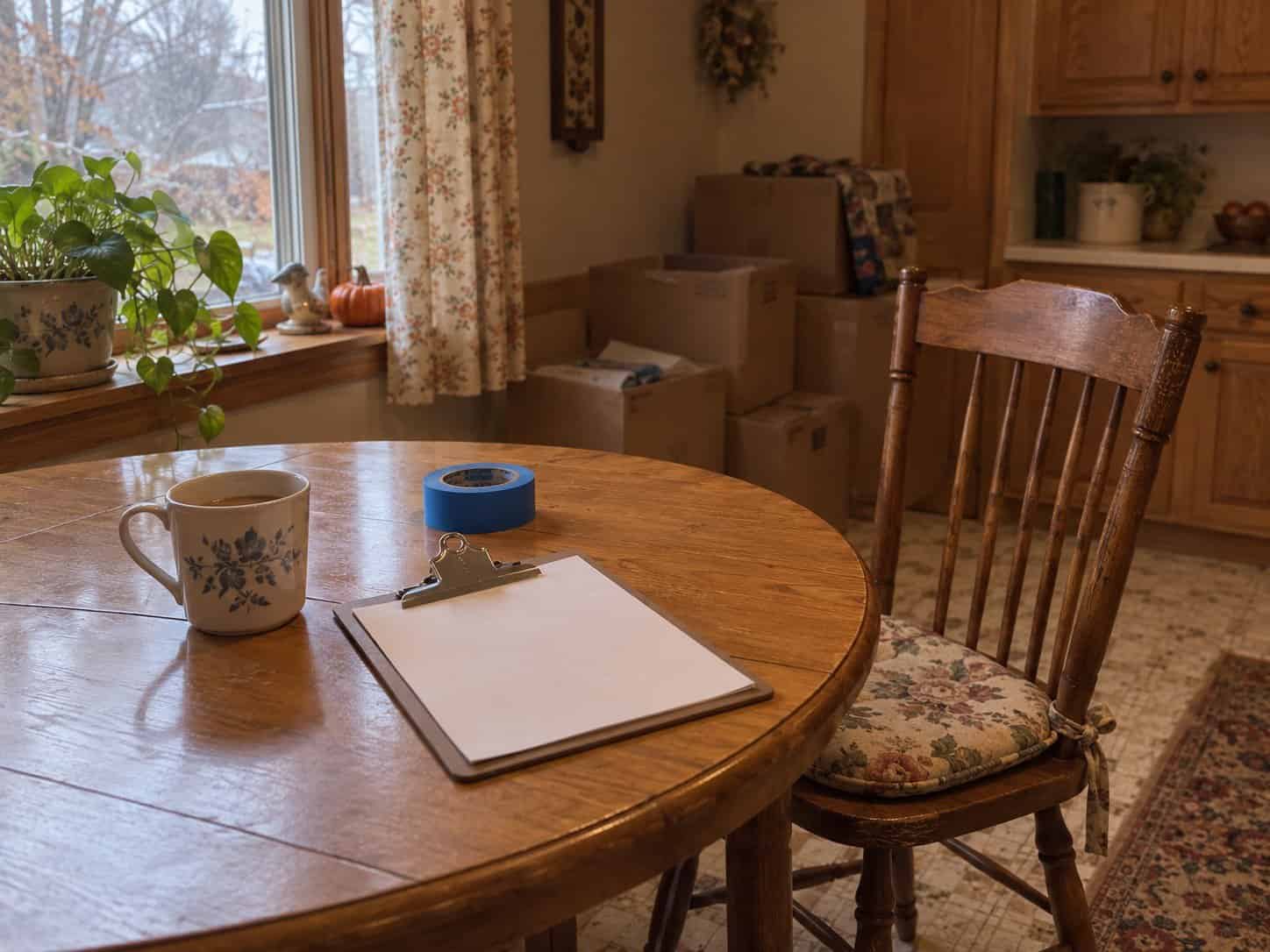
I expected her to be all business. I thought she’d walk in, look at the furniture, and start talking about prices.
She didn’t.
She stood in the kitchen first and looked around for a long time. Then she asked me which chair my mother sat in.
I pointed to the one by the window. She nodded like that told her something.
Then she handed me the roll of blue tape.
“Before I price anything,” she said, “put a piece of tape on whatever the family wants. Don’t think too hard. Just tape it.”
I asked her what most families tape.
She smiled a little. (I think she’d been asked that question a hundred times.) “Not what you’d guess,” she said.
Then she told me.
What Families Actually Keep, According to Someone Who Has Seen Hundreds of Houses
She said she’s walked through more homes than she can count. Big houses, small houses, houses packed to the ceiling, and houses with almost nothing in them.
And the families almost always keep the same kinds of things.
Anything With Their Handwriting on It
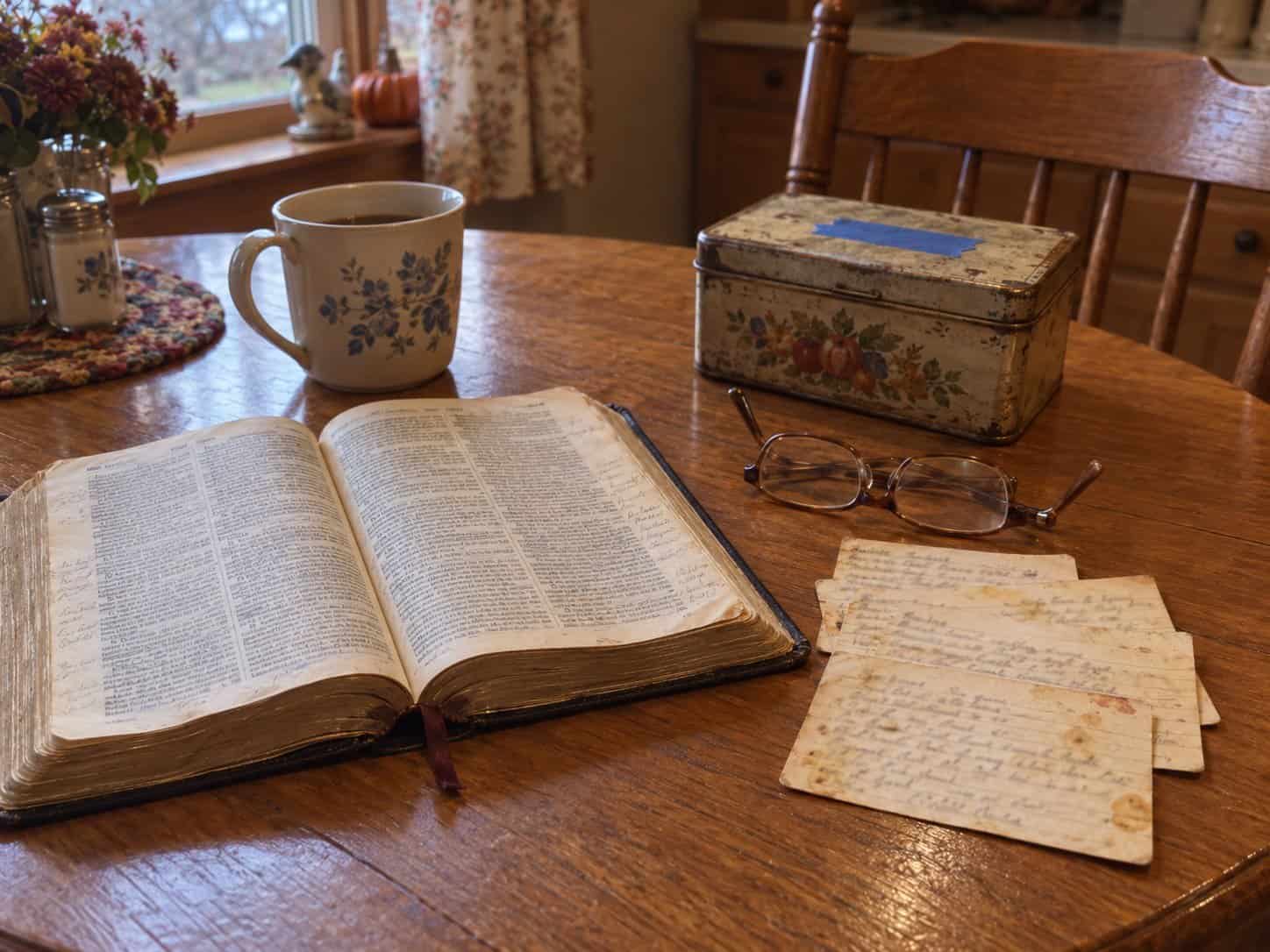
She said this one comes first, nearly every time.
A recipe card with a grease spot on it. A birthday card signed “Love, Mom.”
A grocery list stuck to the fridge. A note written in the margin of a Bible.
“People can’t throw away handwriting,” she said. “It’s the closest thing to hearing their voice.”
I kept my mother’s Bible because of her handwriting.
She wrote the dates that mattered to her inside the front cover, and little notes in the margins. (It took me three years before I could look at them.)
If you have a box of cards and letters you’re not sure about, I wrote about what to do with old letters and cards from someone you’ve lost. Handwriting is worth slowing down for.
The Everyday Things, Not the Good Things
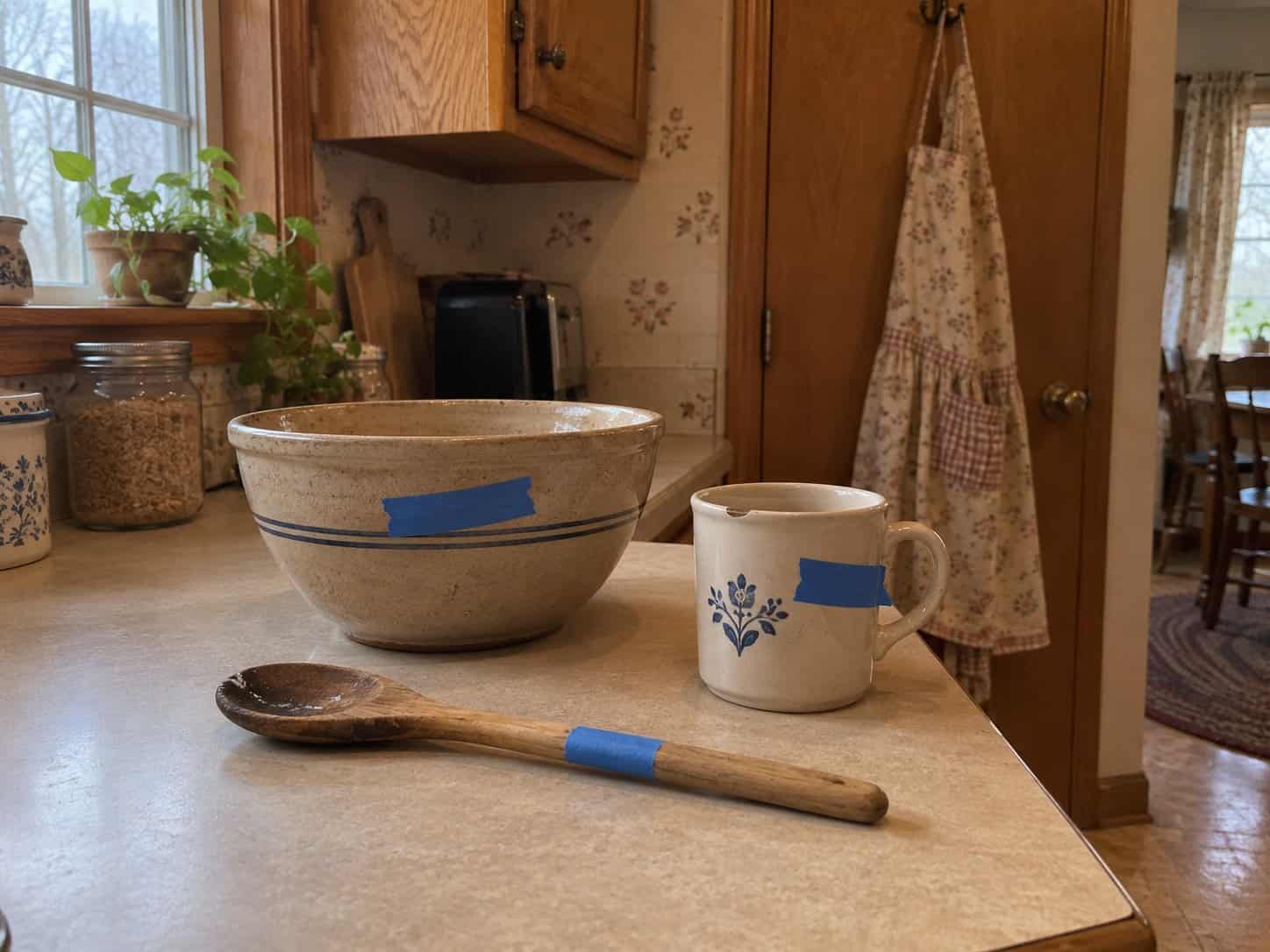
This one surprised me most.
She said families rarely fight over the good china. They fight over the wooden spoon.
They want the mixing bowl Mom used for every birthday cake. The coffee mug with the chip in it. The apron hanging on the back of the pantry door.
These are the things they saw in her hands every single day.
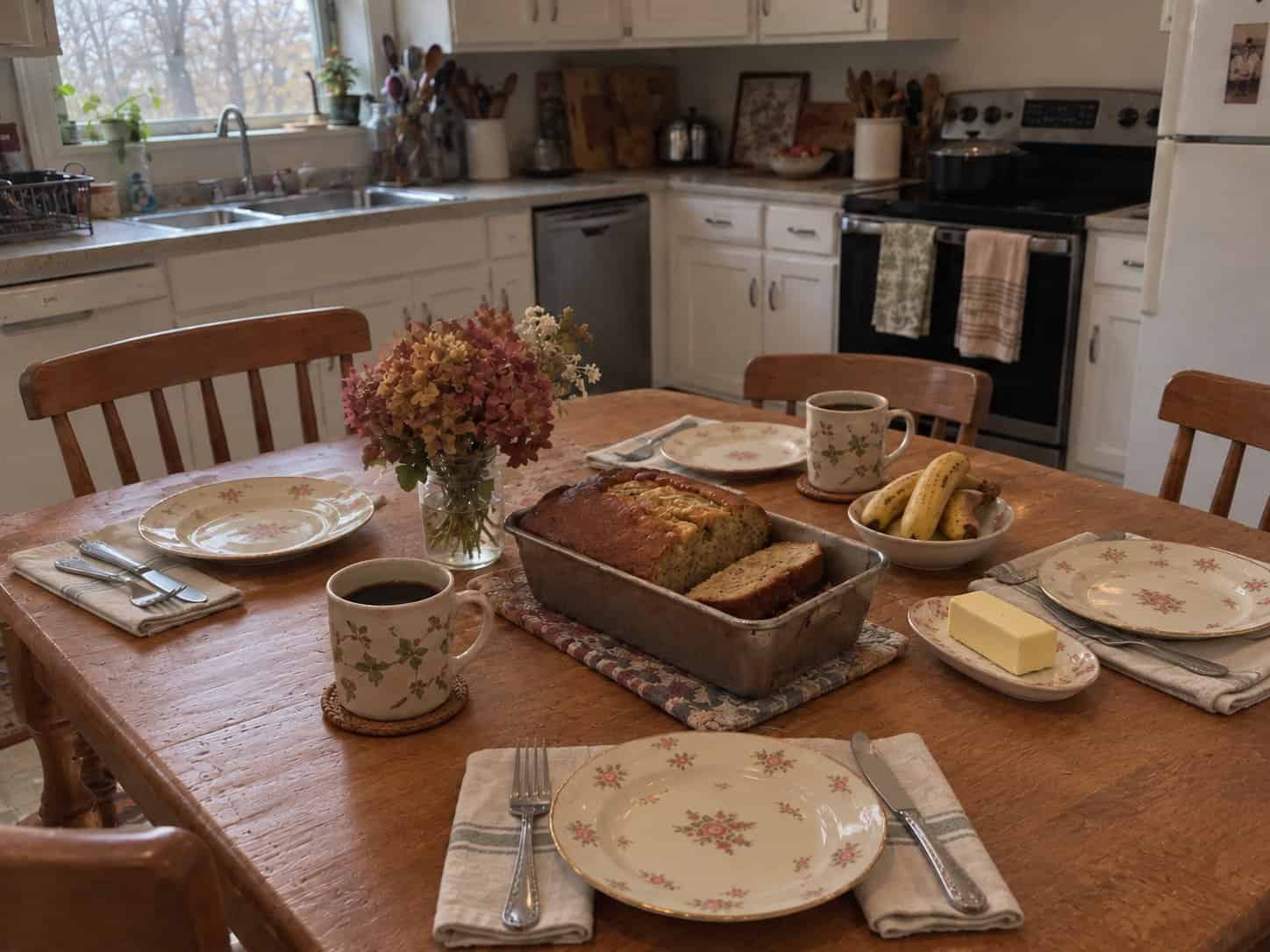
I taped my mother’s old loaf pan. She made banana bread in it every Sunday for as long as I can remember.
It’s dented and dark on the bottom, and nobody else would want it. (It’s the only pan I’ve ever cried over.)
I bake in it every fall now.
Something They Can Wear or Carry
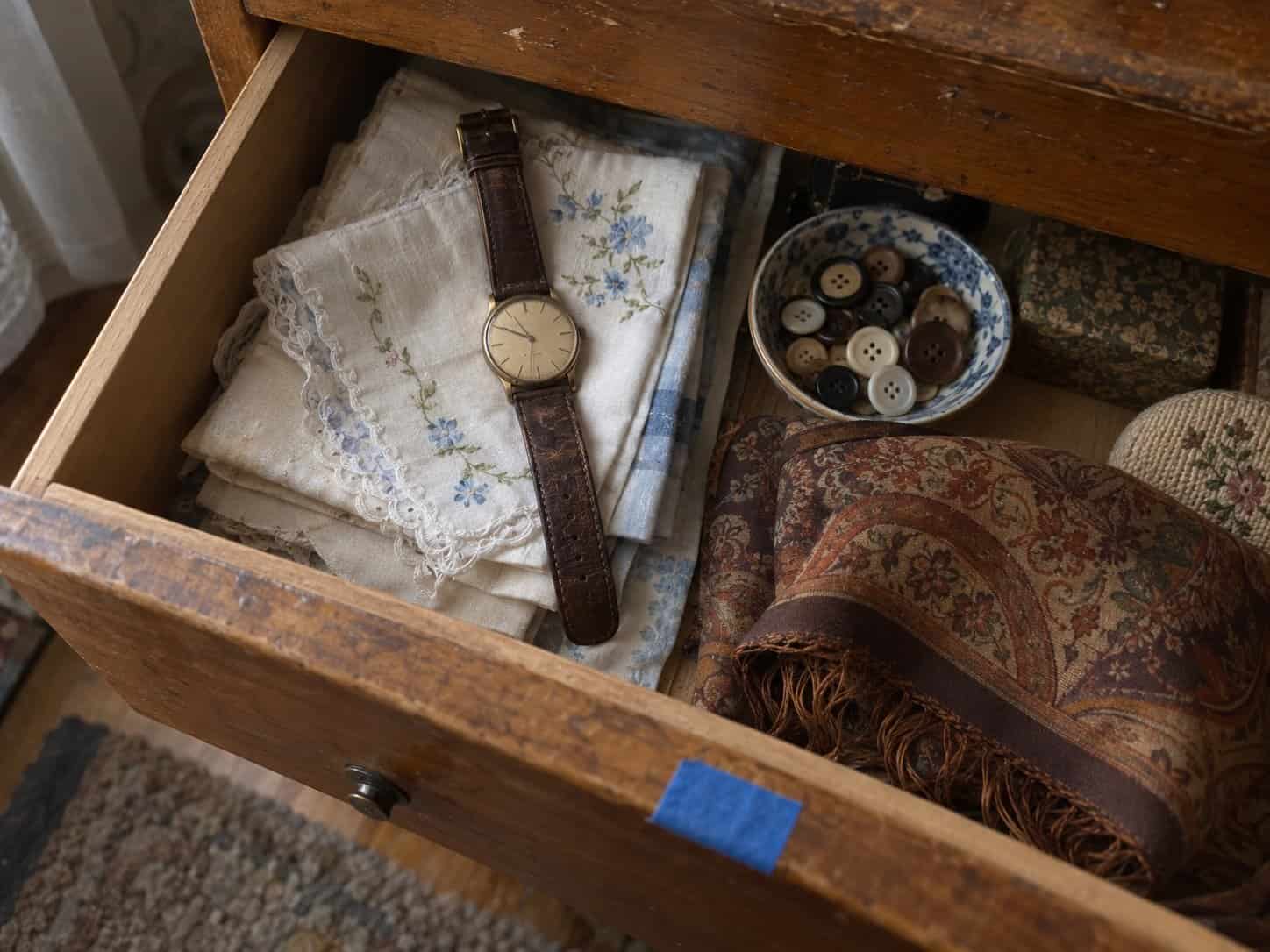
She said people love to keep small things they can keep close.
A watch, a ring, or a scarf. Reading glasses in a soft case.
I taped our father’s watch. Mom had kept it in her dresser drawer all those years after Dad passed.
It’s one of the few things I kept from him. (My brother took the clock.)
Photos With Faces They Know
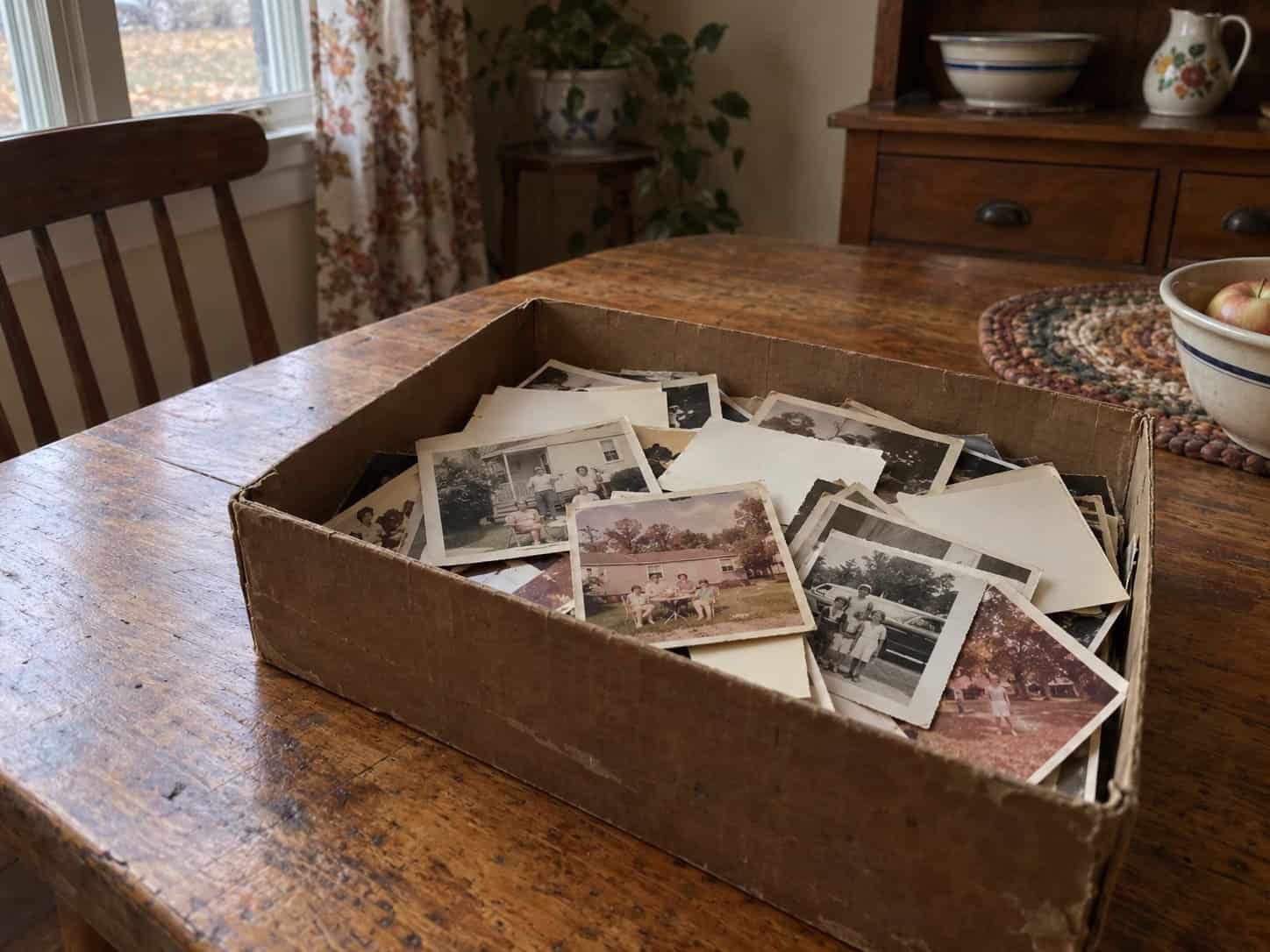
“Everybody keeps photos,” she told me. “But only the ones where they know who’s in them.”
She said she sees whole albums left behind because nobody can name the people inside. Great-aunts and old neighbors and friends from fifty years ago, all strangers now.
That one hurt a little. My mother had shoeboxes full of photos with nothing written on the back.
It’s one more reason I finally labeled the backs of my own photos. I didn’t want my grandkids looking at a stranger who was really their great-grandmother.
One of Something, Not the Whole Set
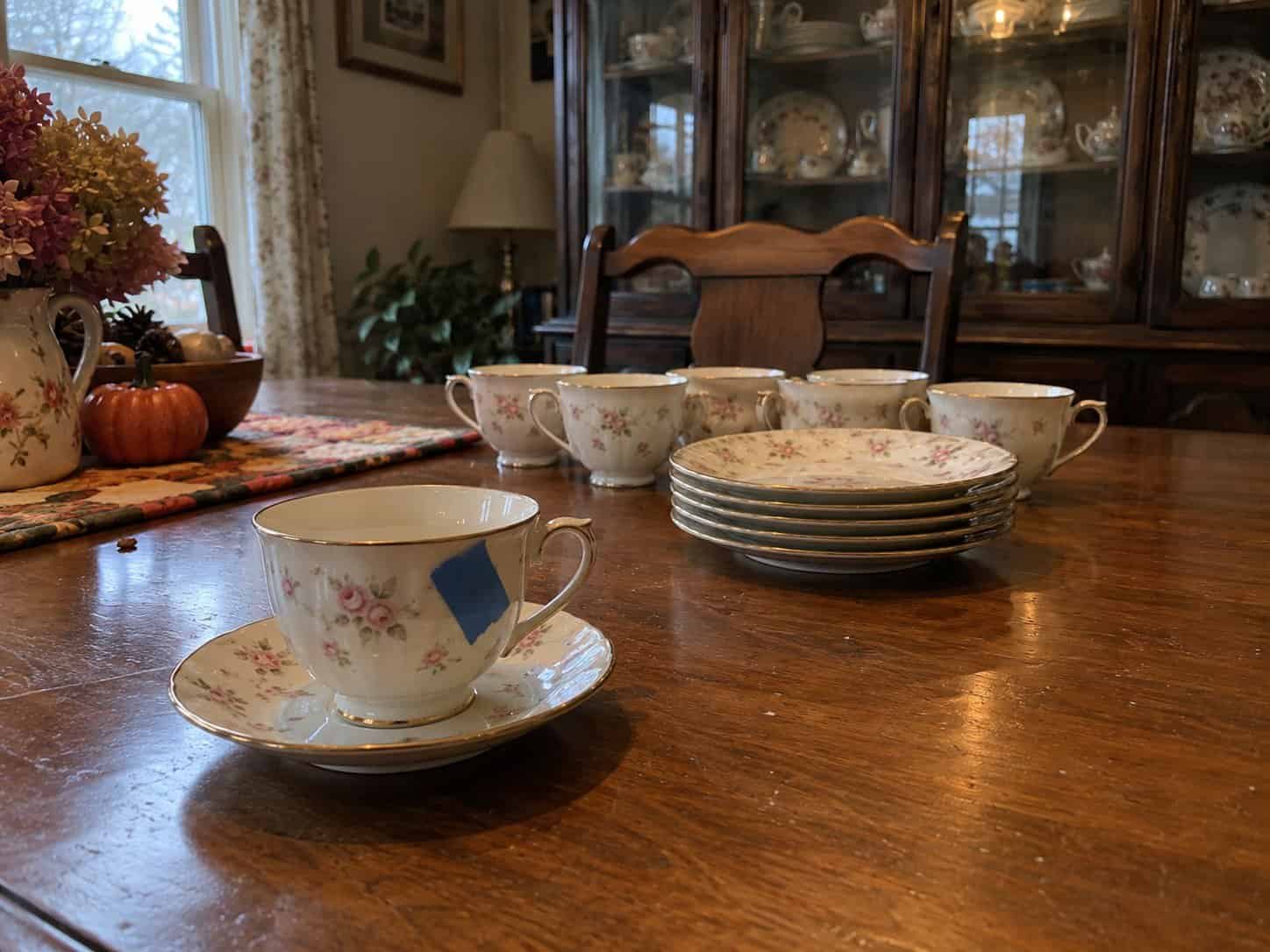
She said families almost never take the whole set of anything.
They take one teacup. One plate. One Christmas ornament.
One is enough to remember. Twelve is a lot to store, dust, and wash.
I kept four place settings of my mother’s china. I use them on Sunday mornings. My daughter took a couple of serving pieces, and the rest went to my cousins and a young couple just starting out.
Four plates on a Sunday table feel like her. Twelve in a box in my basement never would have.
What Almost Always Gets Left Behind
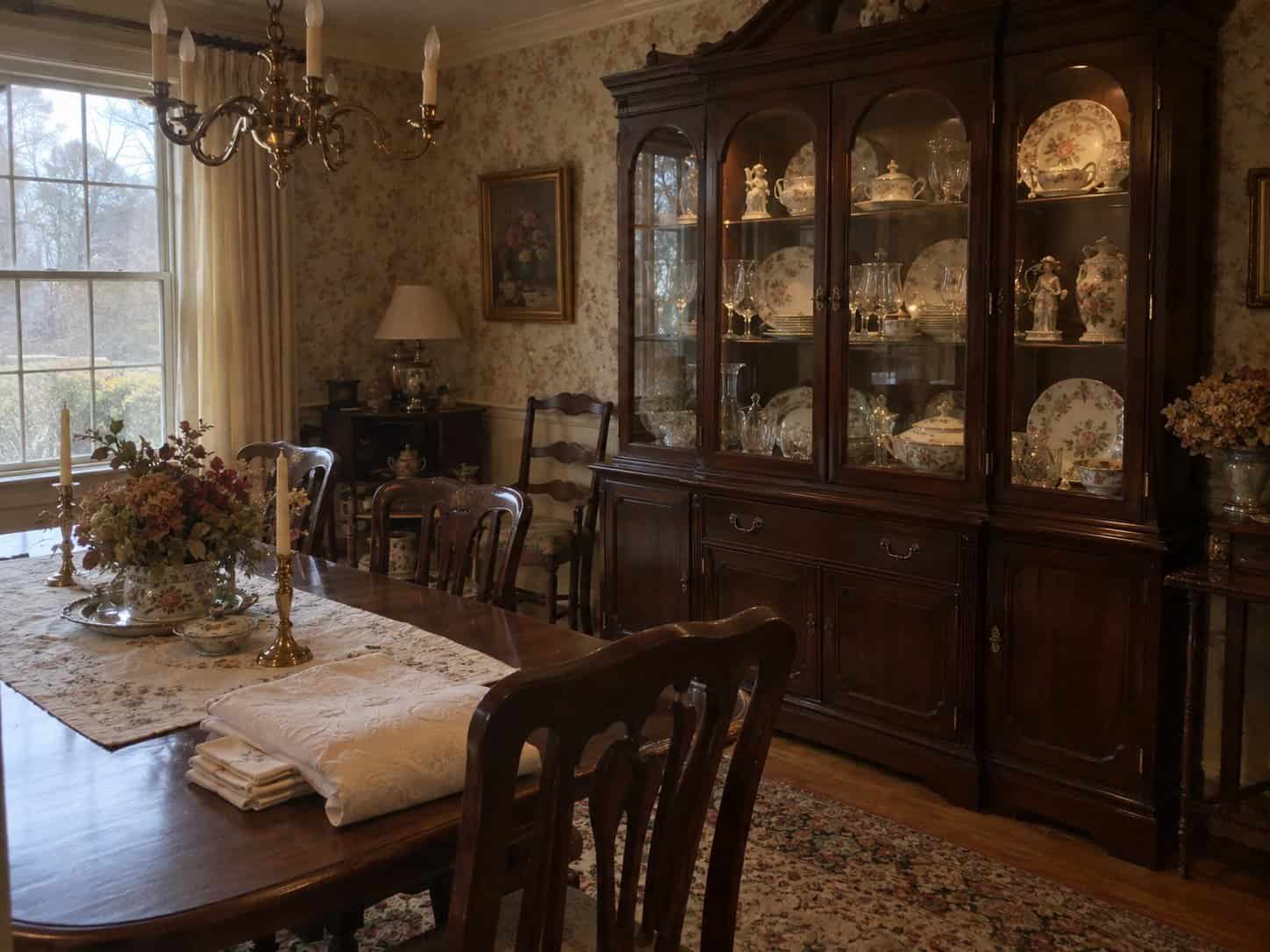
Then she showed me the other side. I asked her what families leave for the sale, and she walked me back through the house.
She pointed to the china cabinet first.
Most families leave the big sets, she said. Not because they don’t care. They just don’t have room, and they don’t host the way our mothers did.
She said the same about crystal glasses, the big dark furniture, and the collections. Figurines, plates on stands, and things bought to be “worth something someday.” (She said it gently, like she’d said it to a lot of daughters.)
The linen closet, too. Tablecloths for a table nobody sets anymore. Sheets for beds that are long gone.
And the “good” things. The towels saved for company.
The dishes saved for a special day. The dress with the tags still on.
I stood there in my mother’s hallway and felt something tighten in my chest. So many of the things she’d saved for “nice” were the very things nobody taped.
I’m not saying any of it was wrong to keep. She loved those things.
But I could see it clearly. The things she used were what we wanted. The things she saved were what we left.
If you have a cabinet of dishes your family doesn’t want, I wrote about what to do with old china sets that nobody wants. You have more choices than you think.
The Things She Wished Families Hadn’t Thrown Away
Before she left that morning, I asked her one more question. “What do families regret?”
She didn’t even have to think.
Throwing Things Out Before Anyone Looks
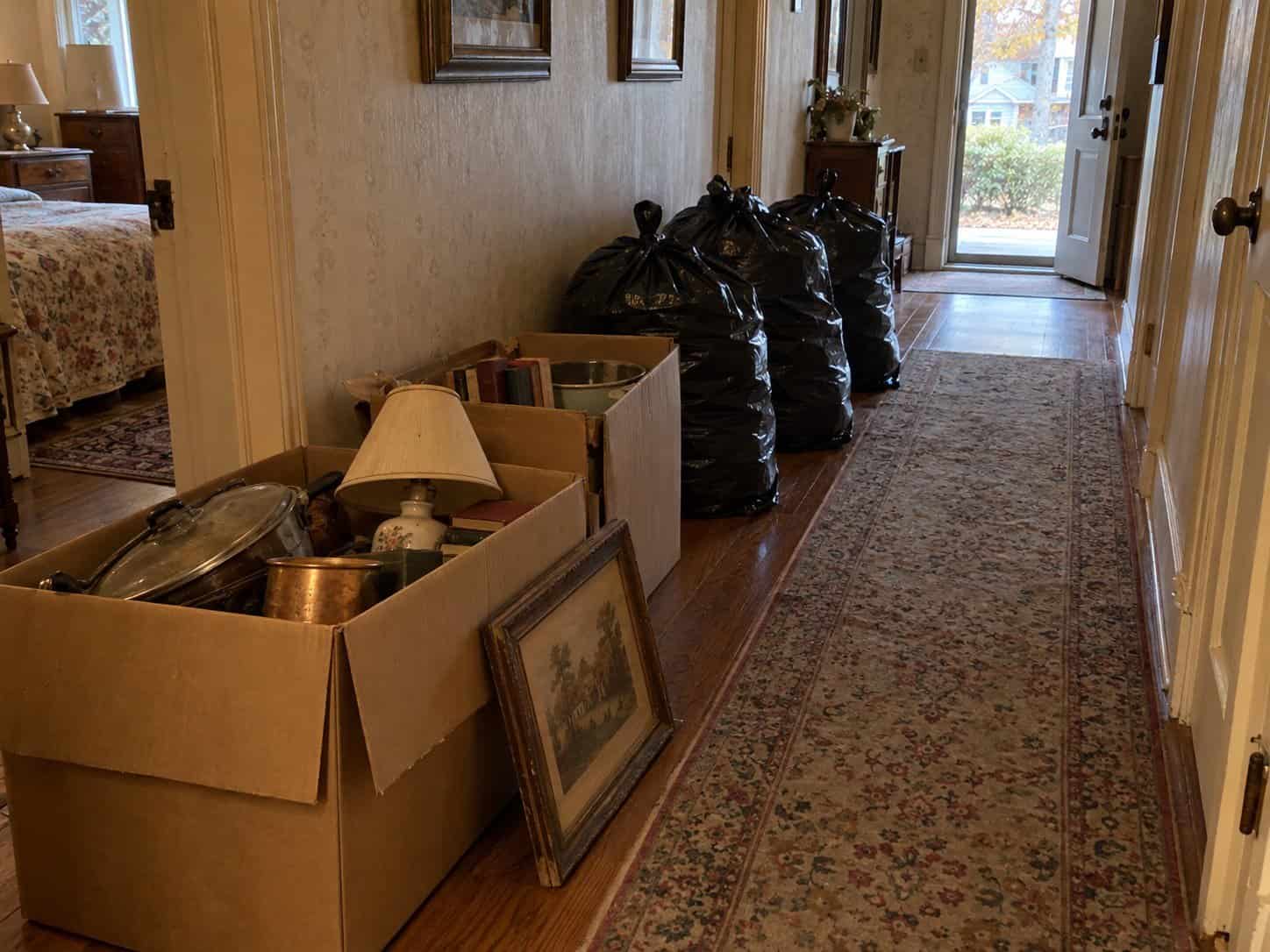
She said families often fill a dumpster before she ever walks in the door. They toss what looks old or dirty. Then she finds out later something in that pile could have helped pay for the funeral.
“Old doesn’t mean worthless,” she said. “And dirty doesn’t mean junk.”
Her advice was to keep the trash bags closed until someone who knows has looked. If you’re not using an estate sale company, a quick look online at what things sold for can help. I learned a lot about this when I wrote about what’s worth selling when decluttering.
Not Checking the Pockets and the Books
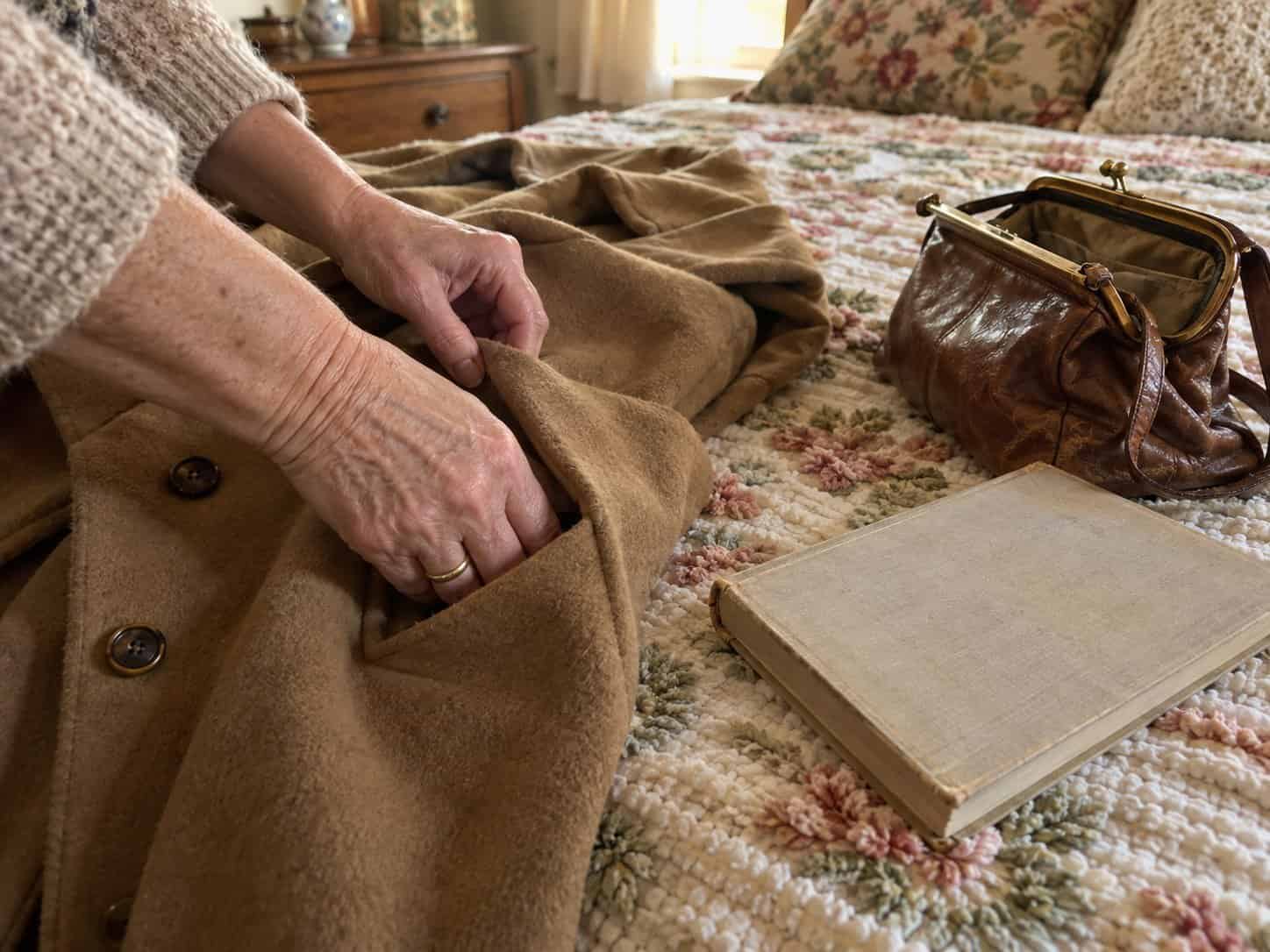
She told me to open every book, every coat pocket, and every purse before the sale.
Then she laughed. “Your mother’s generation hid money,” she said. (She was not joking.)
She was right. I already knew my mother tucked twenties in odd places, but I had no idea how many. Over the next week, I found them inside cookbooks, folded in a coat pocket, and taped under a drawer.
It added up to more than I ever expected. And every bill made me smile and cry at the same time.
Not Taking Out What Matters First
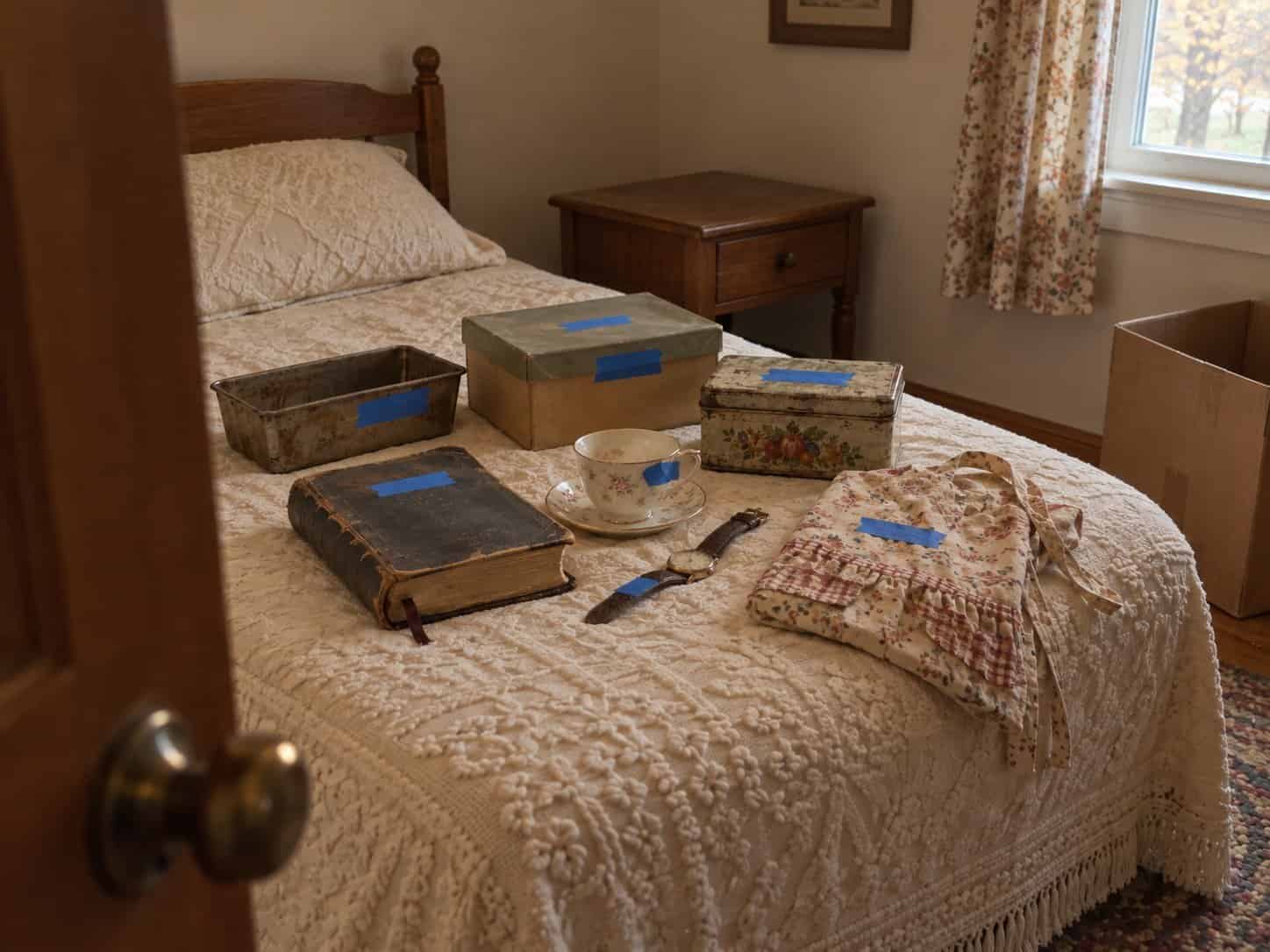
This was her biggest warning. Once a family signs the sale papers, she said, most companies treat everything left in the house as for sale.
So she told me to take the important things out first. Papers, photos, and anything with a name on it.
She suggested picking one room and closing the door.
Anything in that room was not for sale, no matter what. I used the back bedroom. By the end of the week, it held about twenty things.
And that was plenty.
What I Did in My Own House Afterward
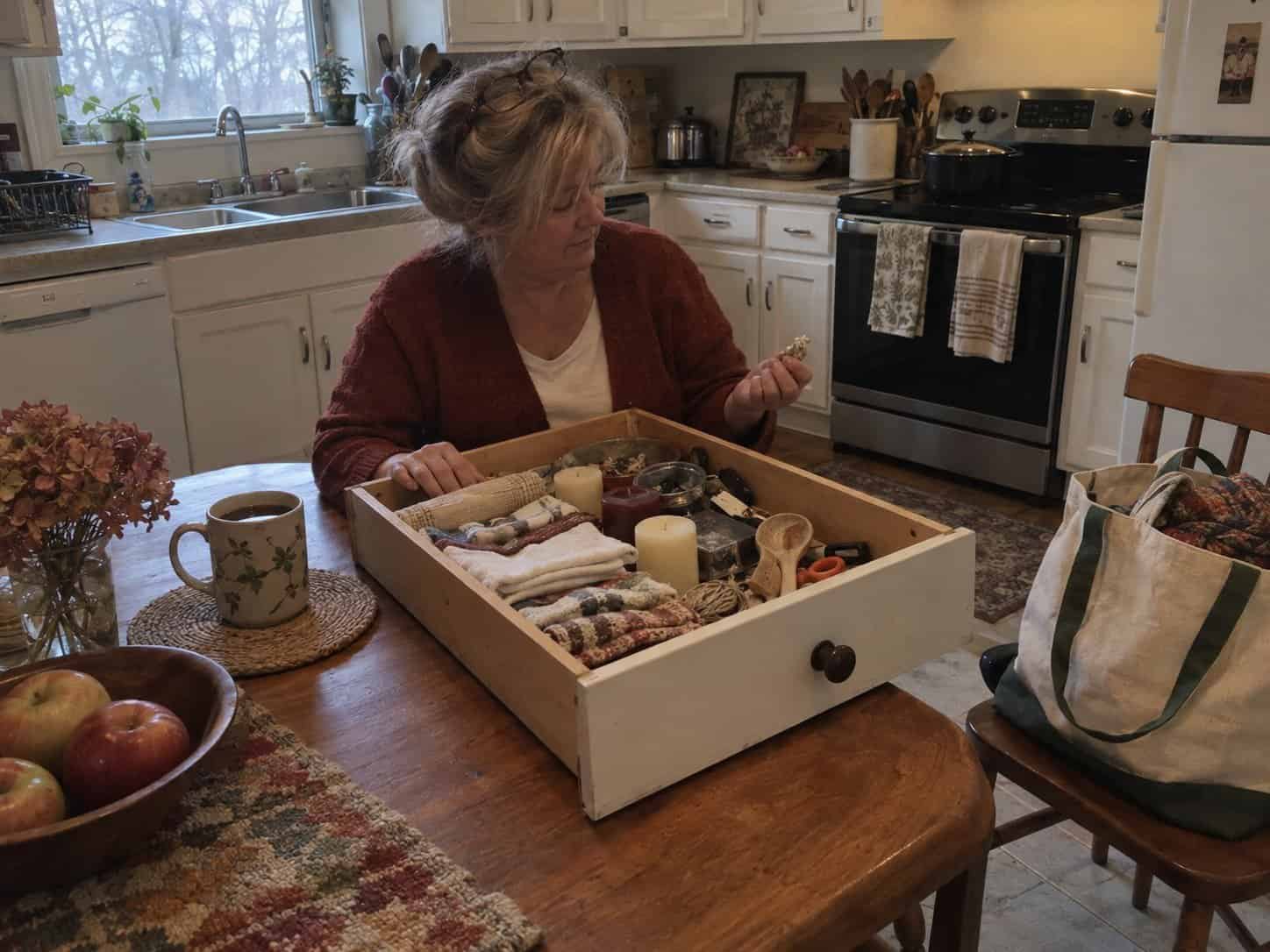
When it was all over, I came home and looked around my own house. I didn’t like everything I saw.
I had a basement full of dishes too. A linen closet packed full. A shelf of things I’d been saving for “someday.”
I’m 64. I’m not going anywhere soon, Lord willing. But I knew someday my children would stand in my kitchen the way I stood in my mother’s.
So I started doing small things. Nothing big.
I can’t do big anymore. (My back won’t let me.)
I started using the everyday things I love, because those are what my kids will remember. I put the good towels in the bathroom where we’ll use them.
I also thought hard about what not to declutter. Some things are worth keeping, and I wanted to be sure I kept the right ones.
I started writing down where things came from. A small piece of tape under Aunt Ruth’s sugar bowl with her name on it. My mother’s name written inside the lid of her recipe box.
I started letting some of the “someday” things go now, while I can choose who gets them. Most of a set of dishes I only used once a year went to a woman at church who was setting up her first home.
And I told my kids, plainly, that they don’t have to keep anything they don’t want. If you’re not sure how to have that talk, I wrote about how I learned my kids didn’t want my things. It went better than I expected.
I go one drawer at a time, sitting down, for ten or fifteen minutes. That’s all my body will give me, and it’s enough.
What Stayed With Us
I think about that blue painter’s tape a lot.
On the last day, I walked through my mother’s house one more time. Almost everything was gone. But I knew exactly where every taped thing had gone, and who had it.
The loaf pan is in my kitchen. Dad’s watch is in my dresser drawer. Four plates sit on my table every Sunday morning.
None of it was the expensive stuff. All of it was her.
That estate sale lady taught me something I want to pass on to you. Your family won’t keep your house. They’ll keep the things that remind them of you.
You can help them by keeping fewer things, and keeping the right ones close.
Make Room for the Things They’ll Want to Keep

You don’t have to clear your whole house to make things easier for the people you love. You just have to start with one spot and let the extra go.
My free Declutter for Self Care Checklist gives you a gentle place to begin, at your pace and in your own home.
Frequently Asked Questions
What should I keep from my parents’ house?
Keep the things that bring them back to you. Most families keep handwritten notes, everyday items like a favorite mug or baking pan, photos of people they know, and small things they can wear, like a watch or a ring. One piece from a set is usually enough to remember them.
What do families usually keep after a parent passes?
The estate sale company that helped me said families nearly always keep things with handwriting, the everyday things their parent used, small jewelry or watches, and photos with faces they recognize. They rarely keep full sets of china, crystal, large furniture, or collections.
What should you take out of a house before an estate sale?
Take out important papers, family photos, and anything with a name or handwriting on it before you sign the sale agreement. Many companies treat everything left in the house as for sale. It helps to close off one room for the things the family is keeping.
Should I throw things away before an estate sale?
No. Wait until the estate sale company or someone who knows values has looked. Things that look old or dirty can still sell, and many companies would rather decide what is trash themselves. Just remove the papers, photos, and keepsakes the family wants first.
How do I decide what to keep from my mother’s things?
Ask yourself which things you saw her use and love every day. Those are usually the ones that will mean the most to you. Keep a few, use them, and let the rest go to people who will use them too.
Follow me elsewhere!


I read a lot of articles about decluttering. This was the best advice I have seen. I’m 70, I have tons of crafting items, photographs, scrapbooks etc. I spoke with my grown kids and they are just not wanting my cherished Scrapbooks that I poured y heart into. I realized these were my memories, Not theirs, they are making theirs on their own. I thank you for sharing your thoughts as to what everyne needs to hear and work on before it’s too late.