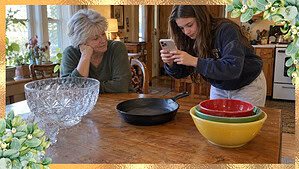
Before you list anything for sale, let me tell you about my crystal punch bowl.
It has twelve little cups. We got it as a wedding gift, and I’ve used it maybe three times in 40 years. I was sure it was worth something by now. (I’ve thought that about half the things in my house.)
Last month, I finally found out.
My older granddaughter came over on a Saturday afternoon. She’s the one who sends me funny videos, and she knows a lot more about phones than I do. (She is very patient with me.)
I told her I wanted to sell a few things I didn’t need anymore. She said, “Grandma, let’s put them on Facebook Marketplace right now.”
So we set a few things on the kitchen table. She showed me how to take good pictures by the window, and we posted them together.
I was sure the punch bowl would sell first.
It didn’t sell first. It didn’t sell at all.
What sold first was my old cast-iron skillet. A young woman sent a message within the hour and picked it up before supper.
That was the day I started paying attention to what people buy now. Over the next few weeks, I learned a lot about what’s worth selling when decluttering, and what’s better off going straight to the donation box.
Why So Much of Our Stuff Doesn’t Sell Anymore
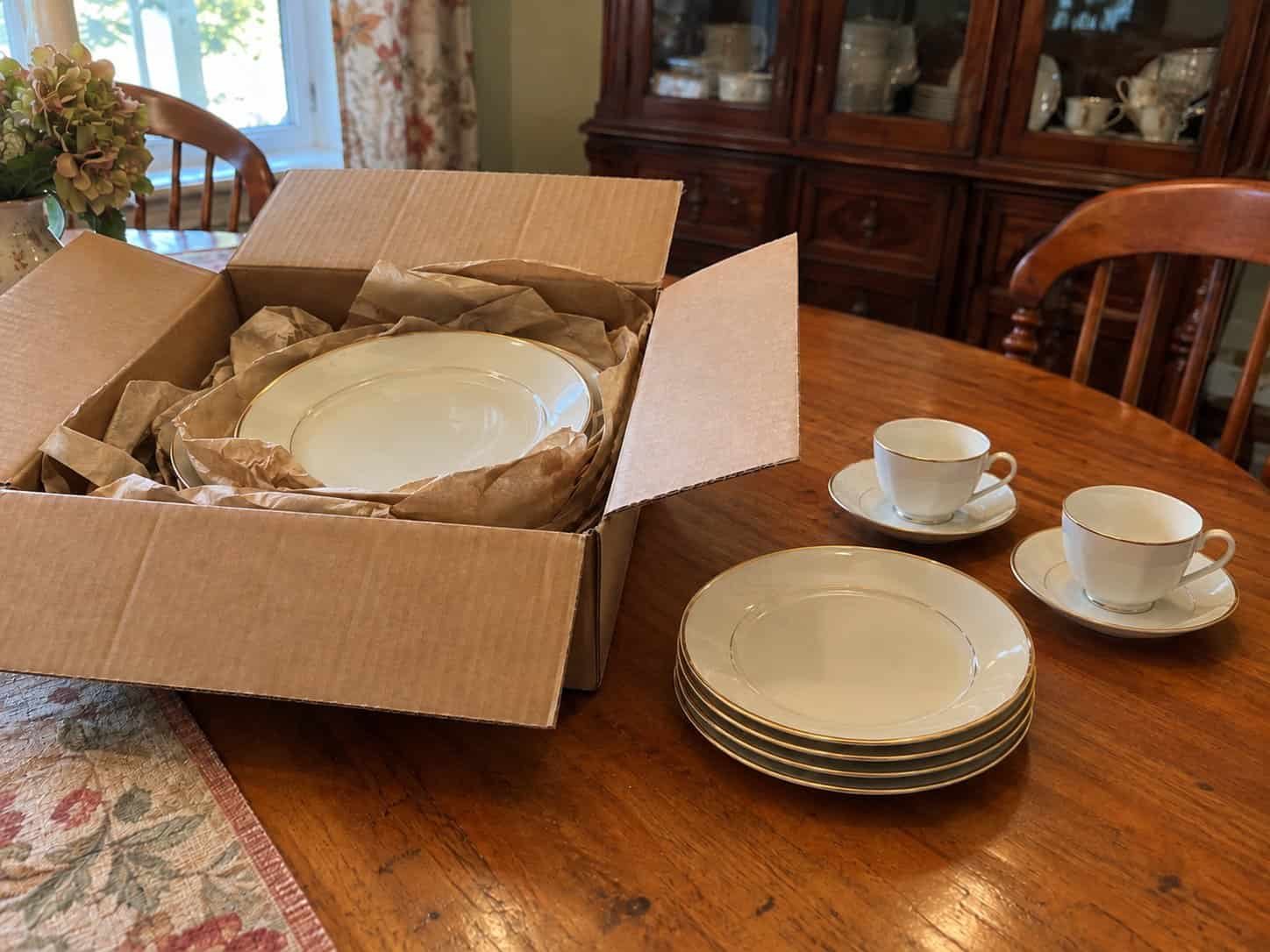
Right now, a lot of people our age are clearing out their homes at the same time. Some are moving to smaller places, and some are emptying a parent’s house.
That means there are a lot of dishes, dressers, and figurines for sale all at once. There aren’t nearly as many people looking to buy them.
The people who do buy are often younger. Many live in apartments or small houses, and they move more often than we did. They want things that are small, useful, and easy to carry up a flight of stairs.
They don’t want a formal dining set or a big set of china they’d have to wash by hand. (I can’t say I blame them. I don’t want to wash it by hand either.)
So if something of yours won’t sell, please don’t take it personally. It doesn’t mean you have bad taste or wasted your money.
It just means the people buying today want different things than we did.
The 5 Things People Wanted to Buy
Over a few weeks, my granddaughter and I listed about fifteen things. Some sold in an hour, and some sat for days without a single message.
These are the five kinds of things that sold.
Old Jewelry, Even the Broken Pieces
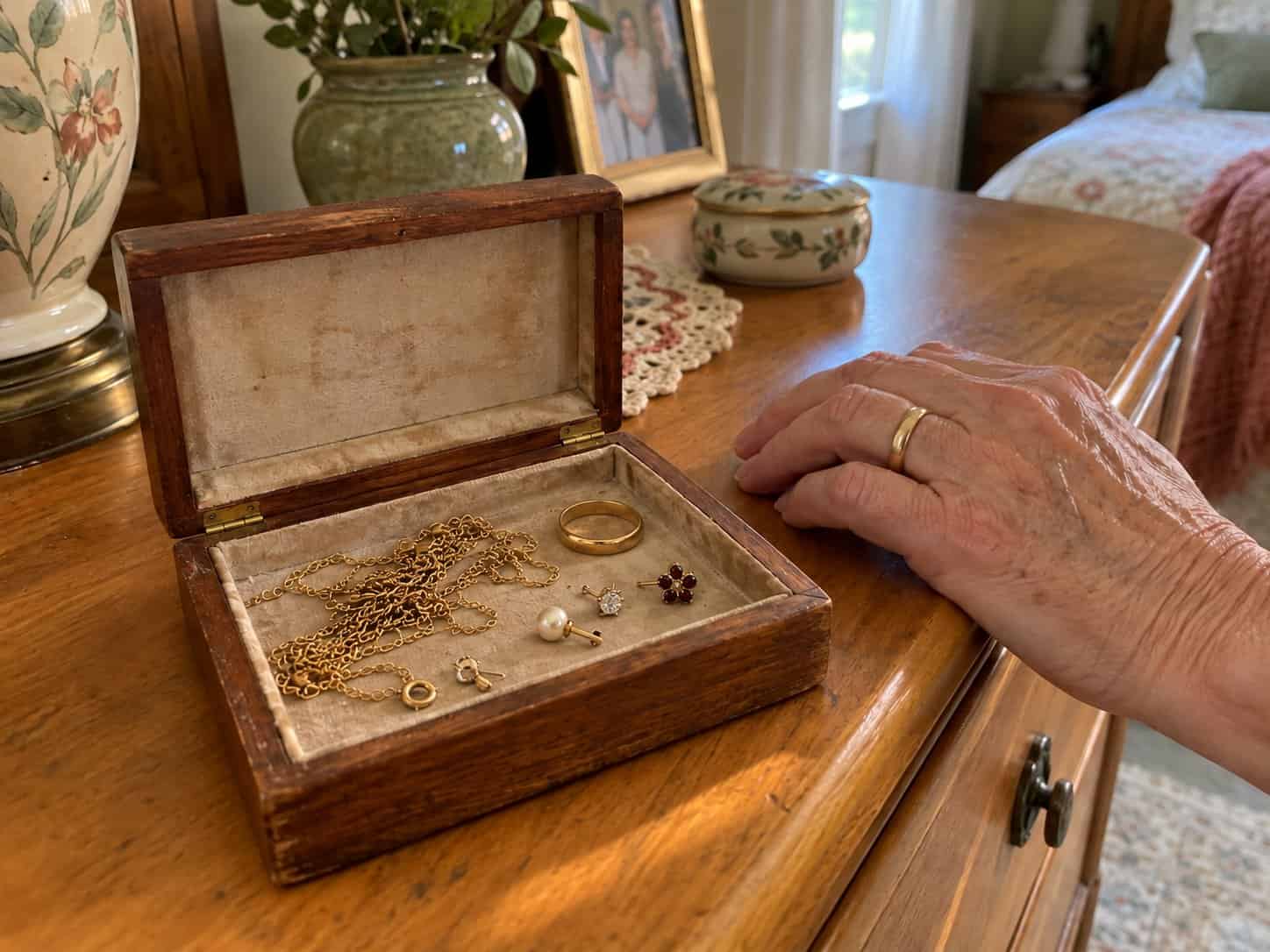
I keep a small box in my top dresser drawer for single earrings. Over the years, it filled up with broken gold chains too, all tangled together, and a ring that doesn’t fit me anymore.
My granddaughter told me that real gold and silver are worth money even when they’re broken. Jewelers pay for the metal by weight, so it doesn’t matter if a chain is snapped.
So my husband drove me to a jewelry store that has been in our town as long as I can remember. The man behind the counter weighed my pieces right in front of me and told me what he would pay.
It was more than I expected. (I’d been keeping money in that little box for years and never knew it.)
If you try this, take your pieces to two places and compare what they offer. Ask them to weigh everything while you watch.
Sterling silver works the same way. If you have a silver set from someone you’ve lost, I wrote about what to do with inherited silverware nobody wants, and what I did with mine.
My Husband’s Spare Tools
My husband keeps everything. The garage is his, and I learned a long time ago not to fuss about what’s in it.
But the day the skillet sold, he asked how much I got for it. When I told him, he got a thinking look on his face.
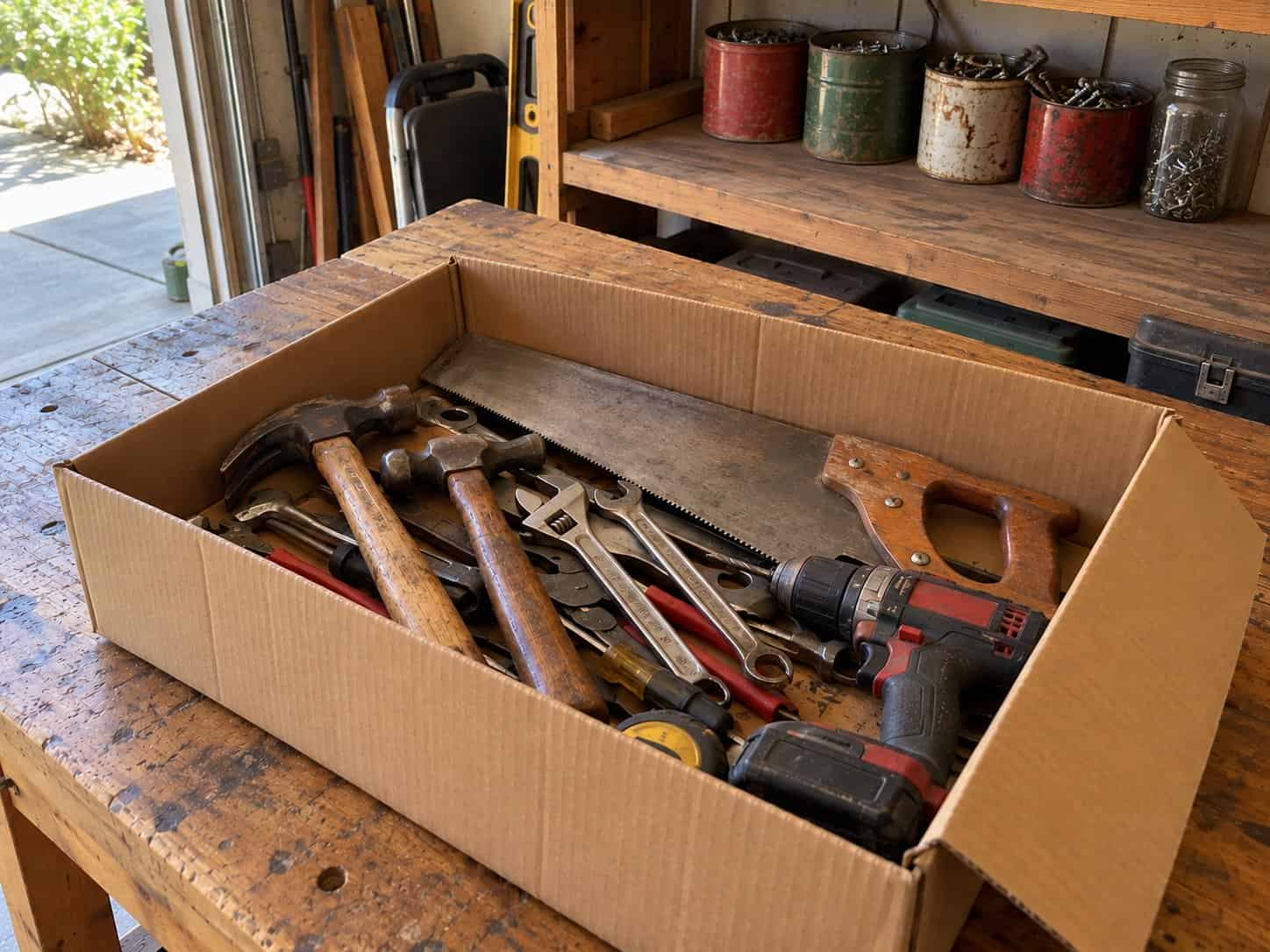
The next morning, he came in with a box. Inside were two hammers, a saw, a few wrenches, and a drill he bought when his old one stopped working. (He fixed the old one, of course, so now he had two.)
“These are doubles,” he said. “You can sell them.”
The tools sold in less than an hour. A young man who had just bought his first house met us after work and paid cash, and my husband put his share in one of the coffee cans in the garage.
Tools sell well because they last for years and cost a lot new. Hand tools, power tools, and garden tools all tend to sell, as long as they’re clean and still work.
If you live with a keeper like mine, let him choose what goes. I wrote about how I made peace with a husband who keeps everything, and that peace means more to me than any box of tools.
Cast Iron, Pyrex and the Old Mixer
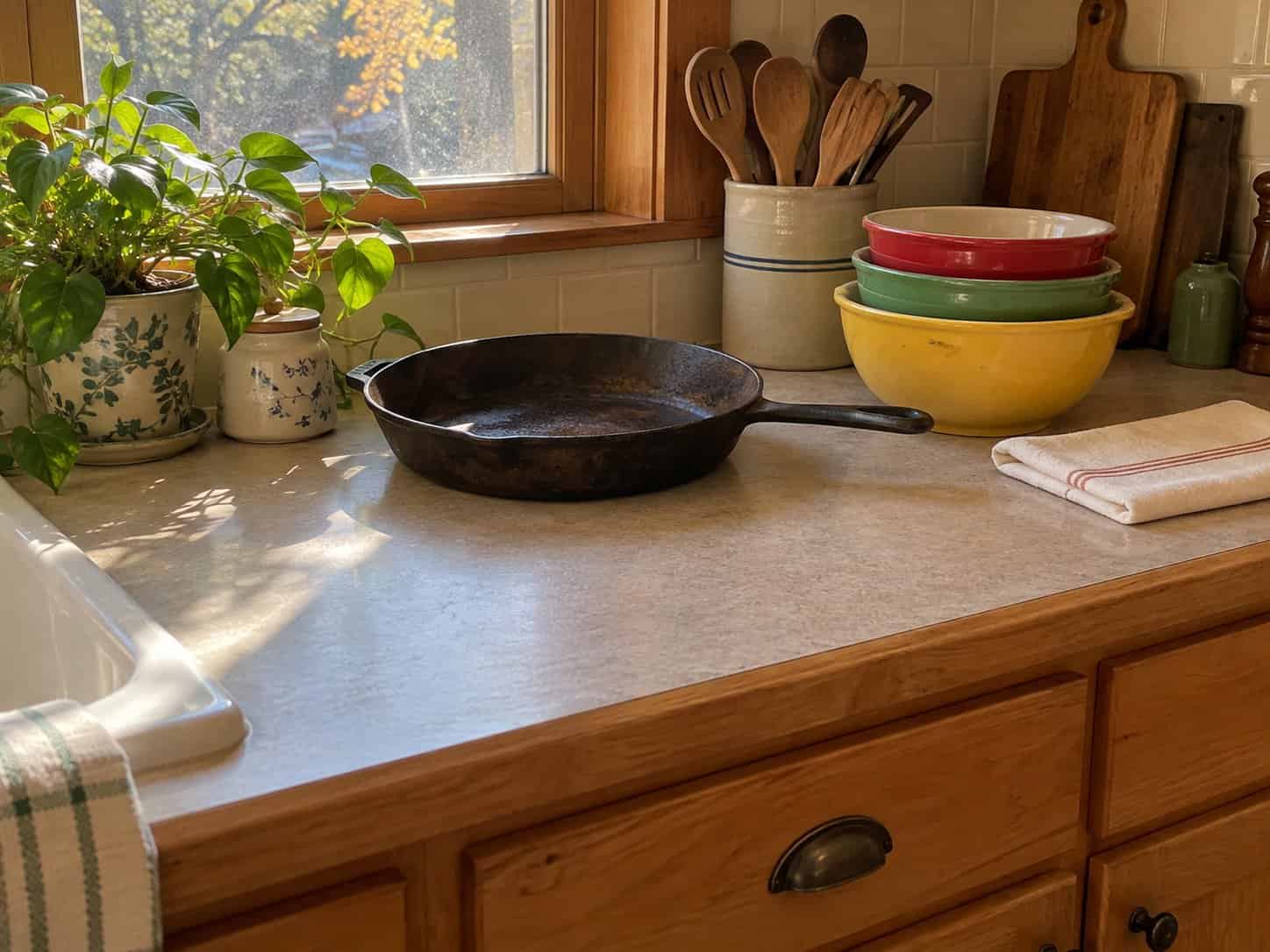
The cast-iron skillet surprised me. It was black and heavy, and I have a second one I use every day.
But my granddaughter wasn’t surprised at all. She said young people love cast iron because it lasts for many years and cooks so well.
The same thing happened with my colorful Pyrex mixing bowls from when we were first married. I kept the one I still use, and the rest sold in two days.
Older colored Pyrex, cast iron, and enamel pots are kitchen things many people still want. So are good brand-name pans and stand mixers that still work.
That last one made me laugh. A while back, I gave my old yellow KitchenAid mixer to a young woman who wanted it.
She uses it every Sunday, and I don’t regret it one bit. (I’ll admit I thought about the money for a minute.)
If you’re not sure whether a kitchen piece might sell, look on the bottom. A brand name or a color you don’t see in stores anymore is a good sign.
A Side Table One Person Can Carry
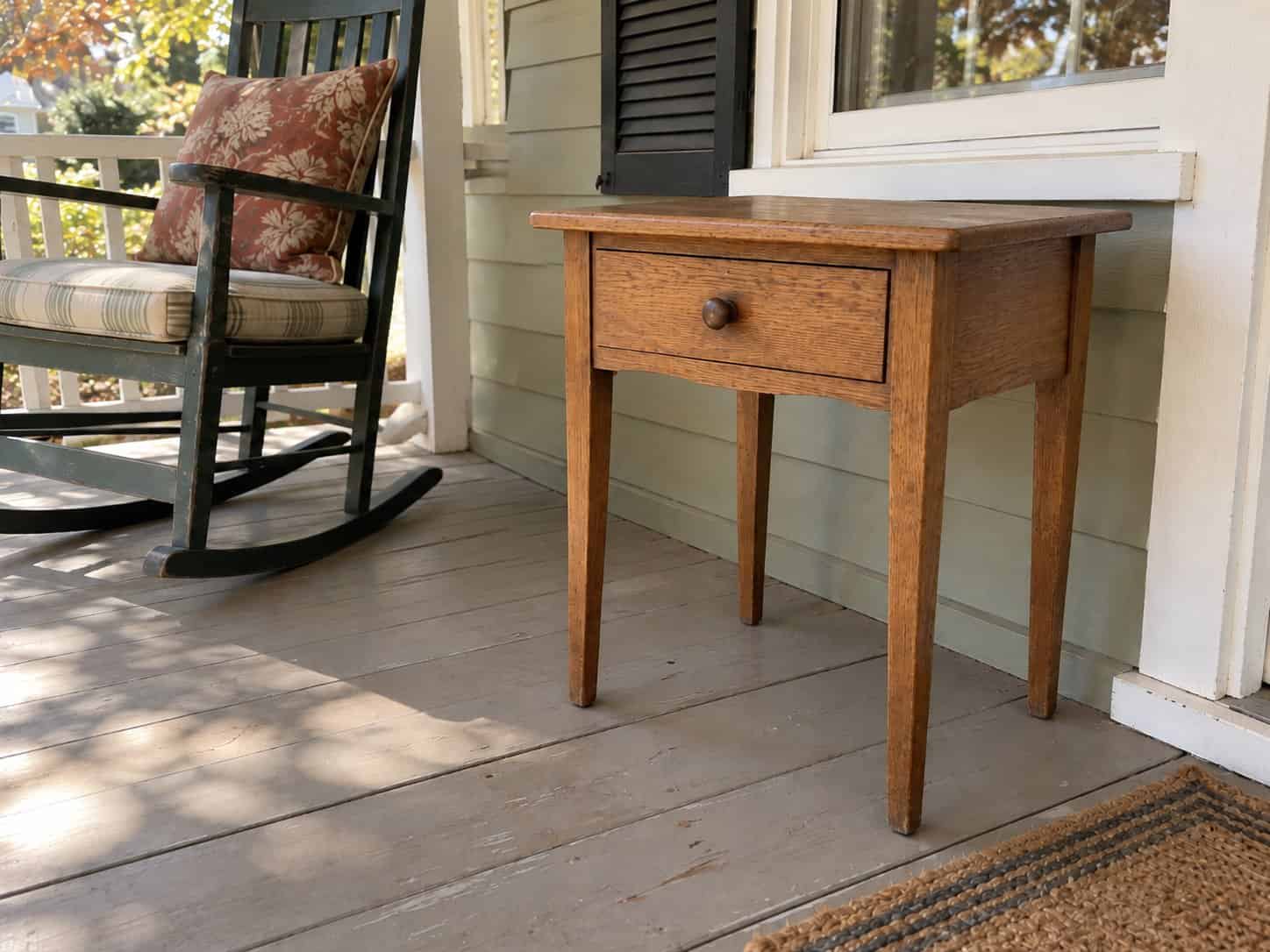
Our spare room is slowly turning into a little library. To make room for a bookshelf, I needed to move out a small oak side table with one drawer.
It sold in three days to a young woman furnishing her first apartment. She came by on a Saturday morning, carried it to her car by herself, and set it in the back seat.
That’s the kind of furniture that sells now. It’s the kind one person can pick up and take home in a regular car.
Small side tables, small dressers, nightstands, bookshelves, and good lamps can all sell, especially if they’re real wood. Big, heavy furniture is a different story, and I’ll get to that in a minute.
Before you list a piece of furniture, measure it and put the size in your post. Buyers want to know if it will fit in their car. (My granddaughter taught me that one.)
Useful Things in Good Shape
The last group surprised me the most, because it was so ordinary.
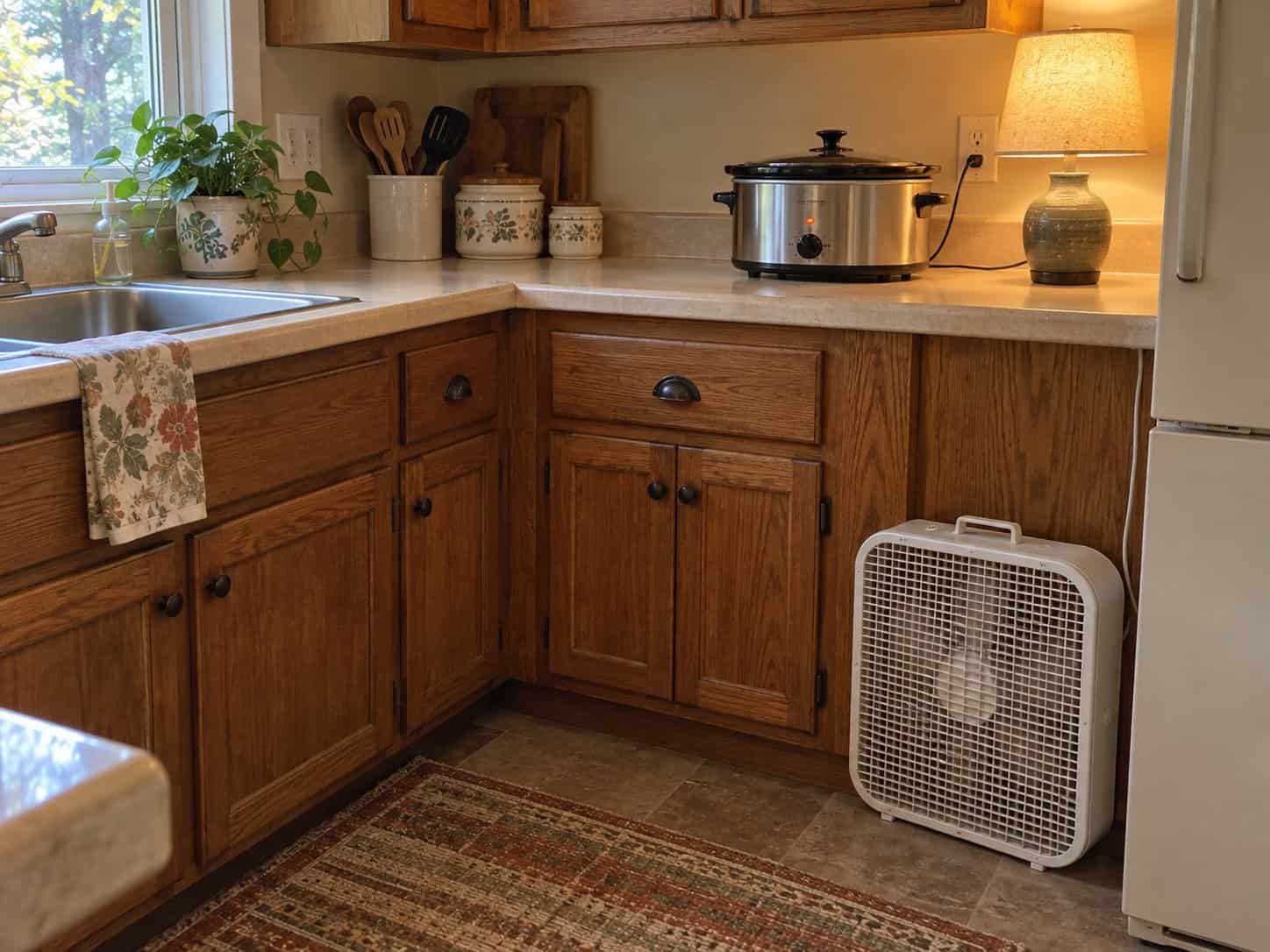
I sold our second slow cooker. (Who needs two? Not me.)
I also sold a box fan we never used, a lamp from the spare room, and a set of pots I never liked as much as my old ones. None of them were special, but they were clean and they worked.
That’s what so many buyers want. They would rather pay a little for a good used slow cooker than a lot for a new one.
Before I listed each thing, I washed it and made sure it worked. For the slow cooker and the lamp, I plugged them in and took a picture with them turned on.
Most of these sold for ten or fifteen dollars each. That won’t make you rich, but it adds up.
The Things Nobody Wanted to Buy
Now for the punch bowl.
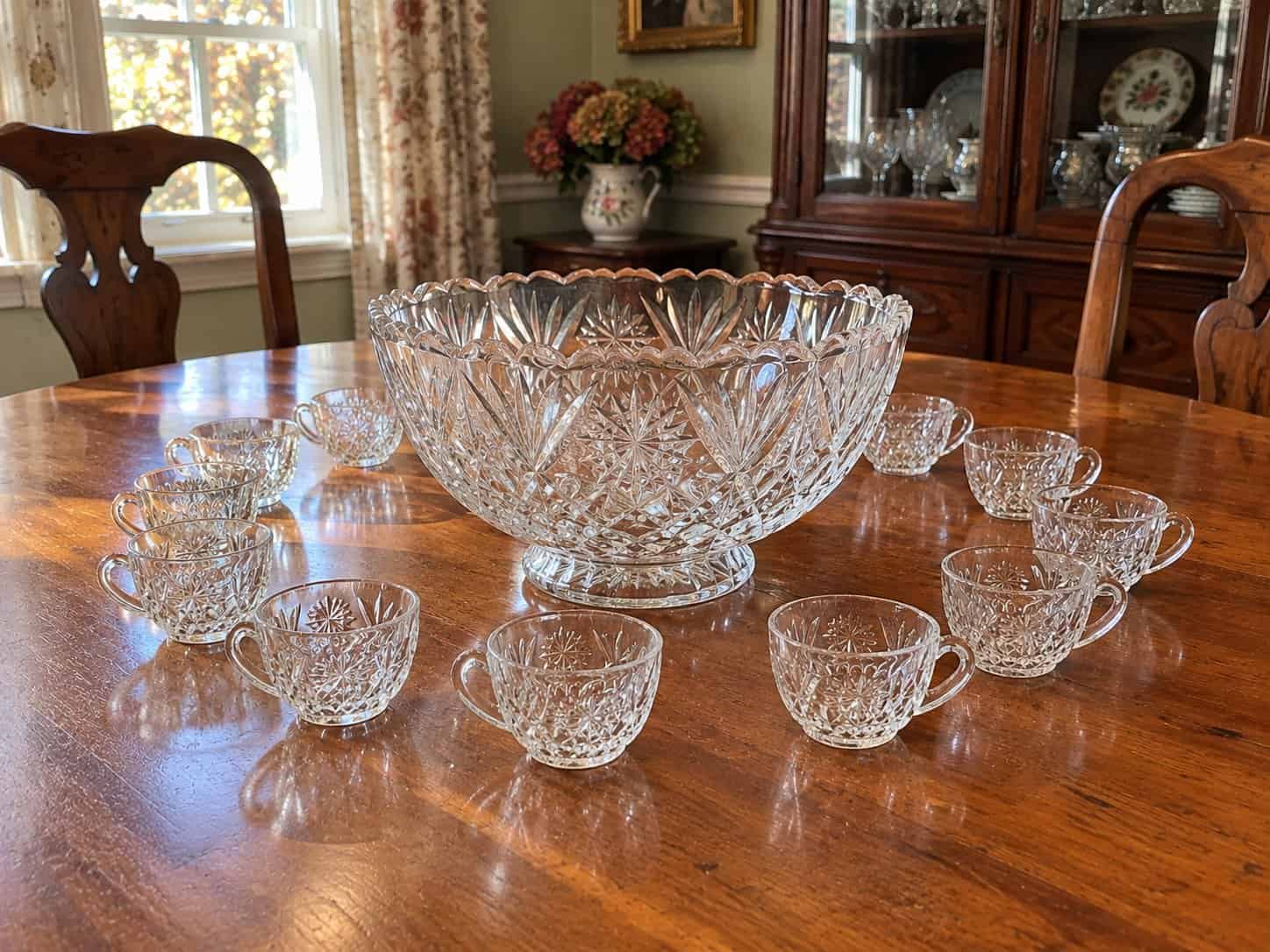
I listed it with all twelve little cups lined up in the picture. It was clean and shiny, and not one piece was chipped.
A few days went by without a single message. I lowered the price, and still nothing came.
It hurt my feelings a little. Then I looked at what else was for sale near me, and I understood.
There were punch bowls everywhere. There were crystal glasses, gravy boats, and whole sets of wedding china, and many had been listed for weeks.
People who run estate sales say the same thing. Formal china and crystal are some of the hardest things to sell today, along with big, dark furniture like china cabinets and formal dining sets.
Figurines, collector plates, and “limited edition” pieces are hard to sell too. So are encyclopedias, old TVs, VHS tapes, big exercise machines, and pianos.
If you have old china, a company called Replacements, Ltd. buys some patterns. They pay much less than their own store price and won’t take chipped pieces. I wrote more about what to do with old china sets that nobody wants if you have a full set in a cupboard.
We also had a big, dark dresser in the spare room that sat online for three weeks. In the end, our local Habitat for Humanity ReStore came and picked it up. (Many ReStores will pick up big furniture, so it’s worth a call.)
The punch bowl went to our church for the fellowship hall. Now it comes out for every wedding shower and potluck.
When nobody wants to buy something, it doesn’t mean it didn’t matter. Those dishes were on the table for your family’s holiday dinners, and they were loved.
It just means it’s time to pass it on to someone who can use it. When it’s an heirloom nobody in the family wants, I’ve learned it’s okay to stop calling it an heirloom and let it go with love.
If you’re holding on because of what you paid, I understand that too. I wrote about what to do with things you spent money on, because that feeling kept me stuck for a long time.
Selling Safely, the Easy Way
Selling a few things was easier than I thought. These four habits made it easy and safe for me.
List It for a Week, Then Let It Go
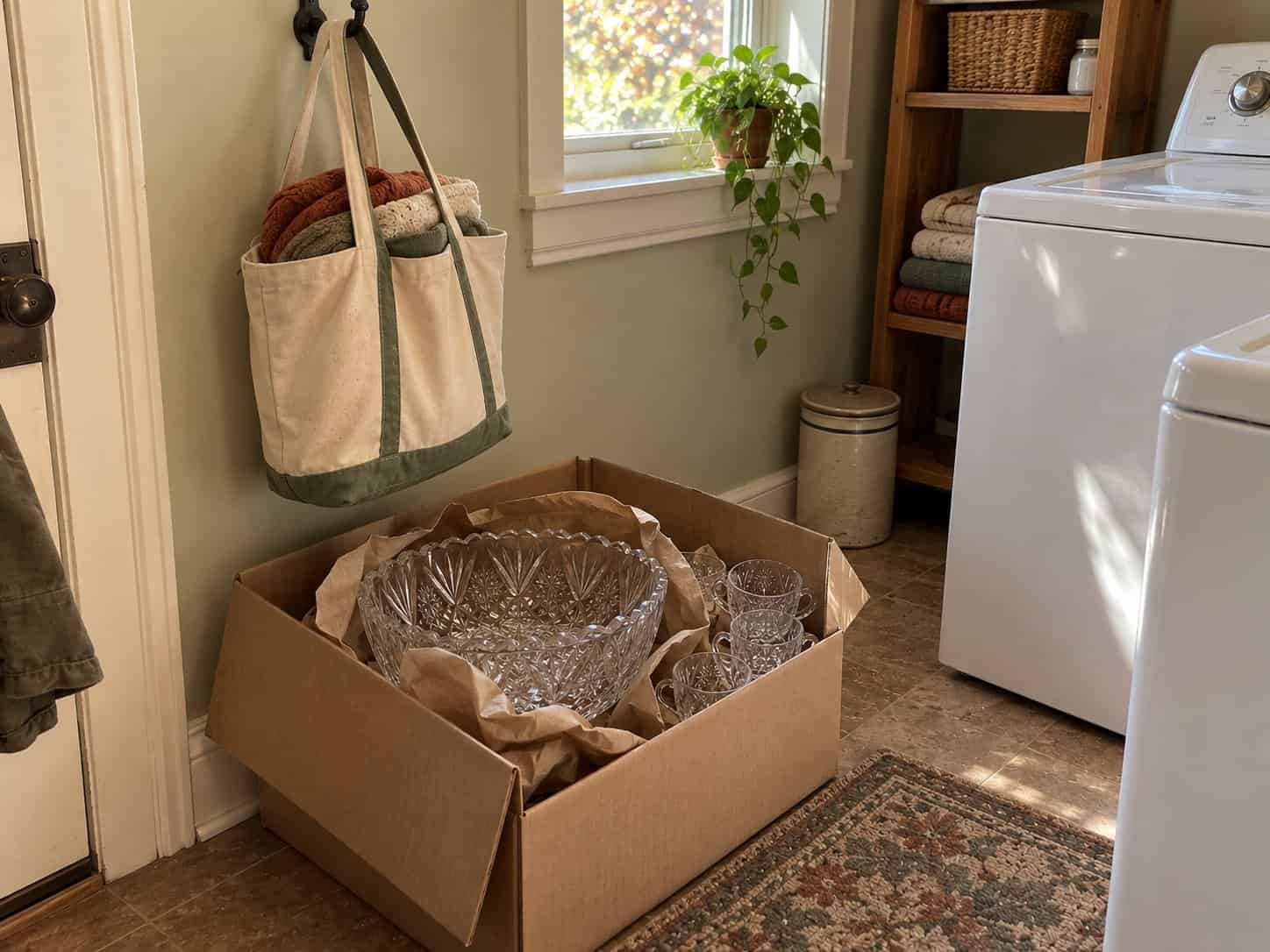
This is my most important rule. If something doesn’t sell in one week, it goes into the donation tote in my laundry room.
I came up with this rule after that dresser sat for three weeks. Every day, I checked my phone and walked past the same dresser. (I was very tired of that dresser.)
The whole point of decluttering is to get things out of the house. A week is plenty of time for the right buyer to find it.
If it hasn’t sold by then, let it go and feel good about it. There are so many meaningful places to send your belongings where they’ll be used and loved.
Check What Things Sold For
At first, I looked at what people were asking for things like mine, and I priced my things the same.
My granddaughter shook her head. “Grandma, anyone can ask for anything,” she said. “You need to see what things sold for.”
She showed me how on eBay. You type in what you have, then use the filter to show only sold items. That shows you what people paid, not just what sellers hoped to get.
Then I priced mine a little lower so they would go fast. I wasn’t trying to get the most money. I was trying to get things out of my house.
How I Stay Safe When I Sell
The safety part made me nervous at first. A few simple habits helped a lot.
For small things, I meet buyers at the police station in the daytime, and my husband or granddaughter comes with me. Many police stations have a safe spot in the parking lot for buying and selling, so call yours and ask.
For bigger things, like the side table, the buyer comes to the house. I make sure someone else is home, and I set the item on the porch ahead of time so the buyer never comes inside.
I only take cash, and I count it before I hand anything over.
I also watch for two tricks the Federal Trade Commission warns about. The first is a buyer who sends a check for more than the price and asks you to send back the difference. The check is fake, and the bank will take that money back from you later.
The second is a buyer who wants you to read them a code that was texted to your phone. Never share that code with anyone, because it can let a stranger get into your accounts.
If anything feels wrong, you can stop. You don’t owe anyone a sale.
Consignment Shops, Estate Sales and eBay
If you don’t want to do the selling yourself, someone else can do it for a share of the money.
A consignment shop sells your things in their store and keeps part of the price. Many keep around 40 percent, so call ahead and ask how it works.
An estate sale company sells everything in a whole house over a few days. They often keep 30 to 40 percent, so they’re best when a whole house is being emptied.
eBay lets you sell to people all over the country. For most things, eBay keeps a little over 13 percent, and you pack and ship it yourself. (With my sore hands, that’s more work than I want.)
The Space Was Worth More Than the Money
So how much did I make in all? Not as much as you might think.
It was enough to take my granddaughter out to lunch to say thank you. The rest went into an envelope for the grandkids’ Christmas presents.
But the money isn’t what I think about now.
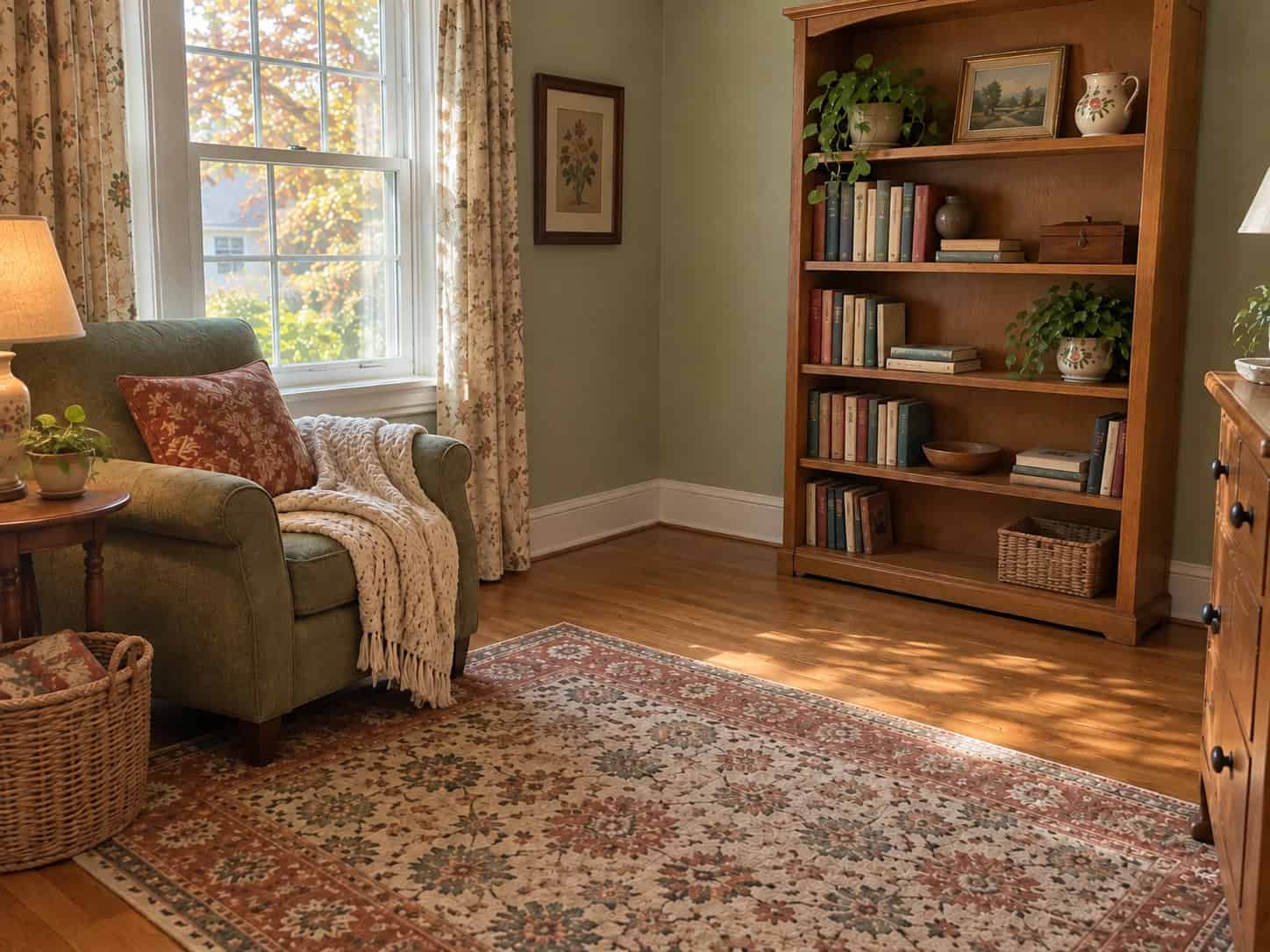
I think about the spare room, with space for a bookshelf at last. I think about the basement shelf where the punch bowl sat for 40 years, and how it’s empty now.
That money was spent a long time ago, years before I ever listed these things. What I got back this fall was space, and a little more peace in my own home.
So give it a try. Give each thing one week, then let the rest go to someone who will use it.
And not everything has to go. Some things are worth keeping, and I wrote about those in my list of what not to declutter.
The things that matter most to me were never for sale anyway.
Ready to Clear Out What You Don’t Need?

Whether you sell a few things or donate them all, my free Declutter for Self Care Checklist can help you decide what goes. It walks you through your home at a pace that’s kind to your body.
Clear out what you don’t need, and enjoy the room you make.
Frequently Asked Questions
What’s worth selling when decluttering?
Gold and silver jewelry, good tools, older kitchen items like cast iron and colored Pyrex, small wood furniture, and useful things in good working order often sell. Clean each item, make sure it works, and price it a little below what similar things have sold for.
What household items don’t sell anymore?
Formal china, crystal, big dark furniture, figurines, collector plates, encyclopedias, old TVs, and VHS tapes are hard to sell today. These are usually better donated or given to someone who will use them.
Is it better to sell or donate when decluttering?
Sell the things that sell easily, like jewelry, tools, and small furniture, and donate the rest. Giving each item a one-week time limit helps you get things out of the house without stress.
How do I sell things safely on Facebook Marketplace?
Meet buyers in daylight at a public place, like a safe exchange spot at a police station, and bring someone with you. Take cash only, and never share a code sent to your phone with a buyer.
Is my old china worth anything?
Most old china sells for much less than people expect, because many people are selling it and few are buying. Some patterns can be sold to Replacements, Ltd., but they pay less than their store price and won’t take chipped pieces.
Follow me elsewhere!


Thank you, very informative.