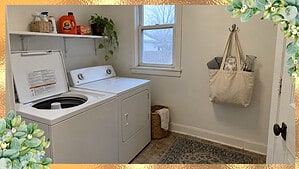
There’s a canvas tote hanging on a hook in my laundry room.
Most weeks, something goes into it.
A sweater I don’t wear. A vase from the back of the cabinet. A set of sheets for a bed we don’t have anymore.
For years, everything in that tote went to the same place. I’d drive it to the big donation drop-off by the grocery store, hand it over, and drive home.
Then one Saturday, the young man at the drop-off door looked in my bag and gave me a kind smile.
“We can’t take the pillows, ma’am,” he said. “Or the towels with the holes.”
I drove home with half my bag still in the back seat. (I was a little embarrassed, if I’m being truthful.)
That week, I told a friend at church about it. She laughed and said, “Oh, the animal shelter would love those towels.”
She was right. The woman at the shelter’s front desk nearly hugged me.
That’s when I learned something I wish I’d known years ago. Almost everything in your house has someone who wants it. You just have to know who.
So I started keeping track. This is my item-by-item guide to where to donate household items, room by room, so the things you let go of land in the right hands.
One Phone Call Before You Load the Car
Every place in this guide has its own rules. And the rules change, sometimes from month to month.
So before you carry anything to the car, make one phone call. It saves your back, your gas, and your feelings.
When I call, I ask three things.
“Are you taking donations right now?” “Do you need this?” And, “Can you pick it up, or do I need to bring it in?”
That last question matters more than you’d think. Some places will come to your house for big things, and that’s a big help when you can’t carry much.
Most of these places can also give you a receipt for your taxes. Just ask for one when you drop off.
From the Linen Closet
Old Towels, Sheets, and Blankets
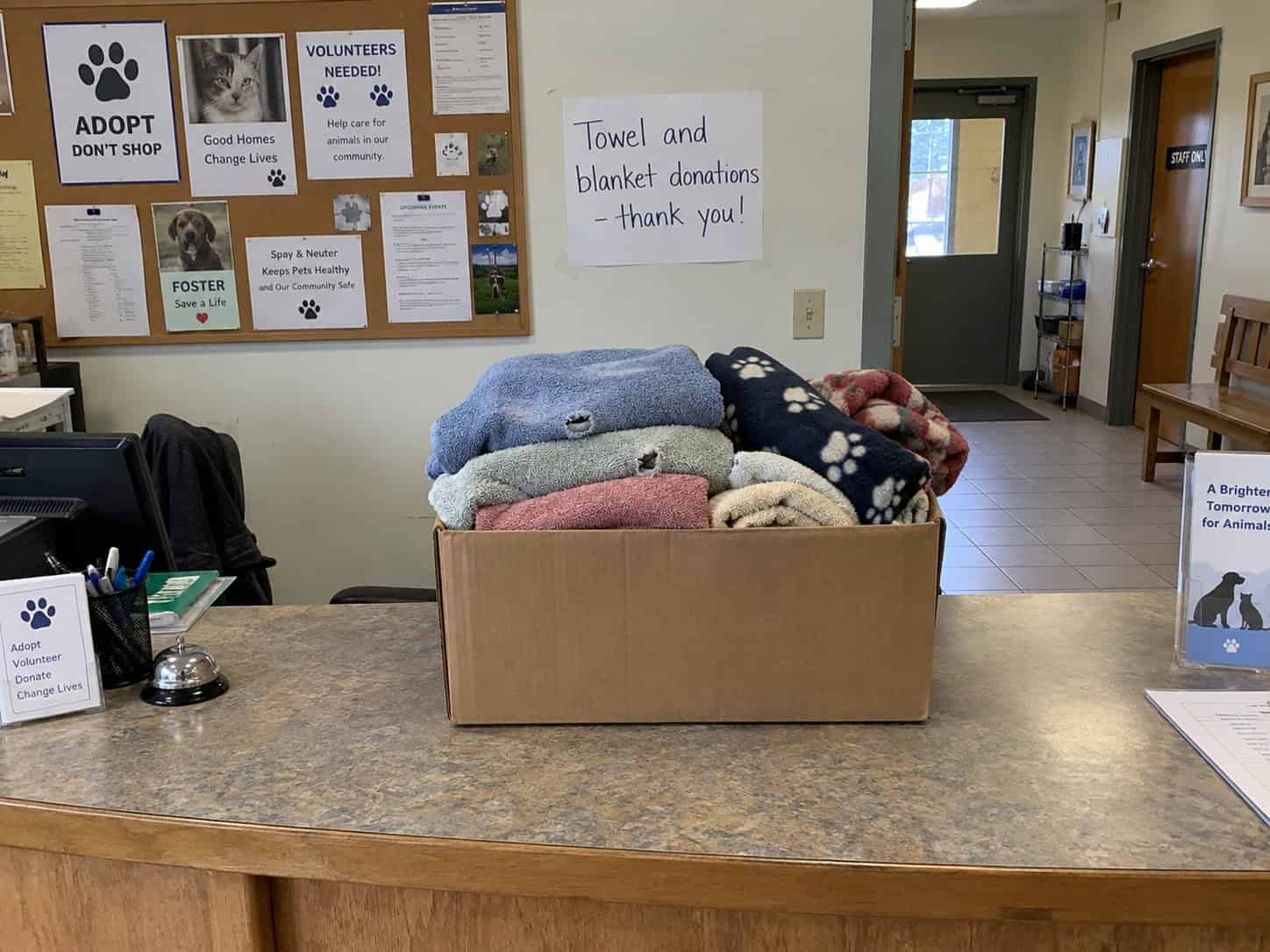
Your local animal shelter is the first place I call.
Shelters use old towels and blankets for bedding, for drying off dogs after a bath, and for cleaning up. They don’t mind holes or faded colors. They only ask that things be clean.
Wash them, fold them loosely, and call first to ask what they need. Some shelters can’t use heavy comforters or pillows, because the stuffing isn’t safe if a dog chews it.
One of you told me you gave the animal shelter a stack of little guest towels and four sets of sheets that didn’t fit your beds anymore. I love that. I wrote more about sorting my own linen closet in my post on too many towels and sheets.
Old Socks (Yes, Really)
This one surprised me.
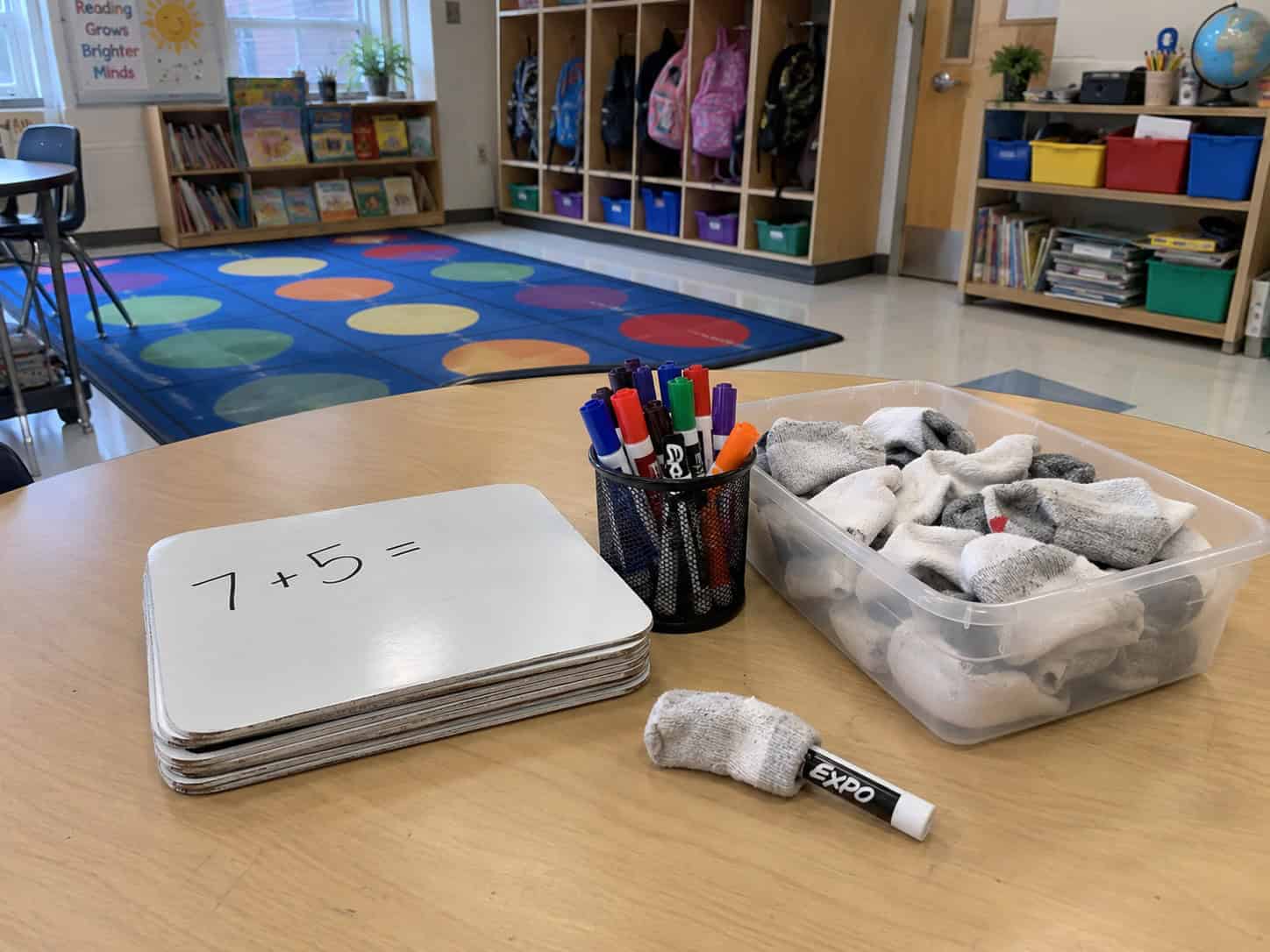
Teachers use clean old socks as erasers for their small whiteboards. A kid puts the sock on a hand and wipes the board clean.
So my white ankle socks with thin heels went to the school down the street. Call the front office first, and they’ll tell you which teacher wants them.
From the Bedroom Closet
Coats
Every fall, coat drives pop up at churches, schools, and stores. One Warm Coat is a group that runs coat drives all over the country, and its website lists drop-off spots near you.
Coats should be clean and in good shape. Hats, scarves, and gloves are welcome too.
I give coats in October, before the first cold snap. That way someone wears it all winter.
Shoes
Soles4Souls takes new and gently worn shoes of every kind. Sneakers, boots, sandals, and dress shoes all count.
They have drop-off spots in many towns, often at stores. Their website has a finder where you type in your zip code. Tie each pair together with a rubber band or the laces, so they don’t get split up.
Bras and Everyday Clothes
A group called I Support the Girls takes new and gently used bras, as long as they’re clean and not stretched out. They give them to women in shelters and women who are struggling.
For everyday clothes, look for a church with a free clothes closet. People can come in and pick what they need, at no cost.
Some of you have also said that senior living homes are glad to get nice clothes. Many residents don’t have much, and something “new to them” can brighten a whole week.
From the Bathroom
Unopened Soaps, Lotions, and Hotel Shampoos
You know that basket of little hotel bottles under the sink? (I have one too.)
Women’s shelters and homeless shelters can use them, as long as they’re new and sealed. Call first, since some shelters only need certain things.
Unopened lotions, toothbrushes, and razors are welcome at most shelters too.
Eyeglasses and Hearing Aids
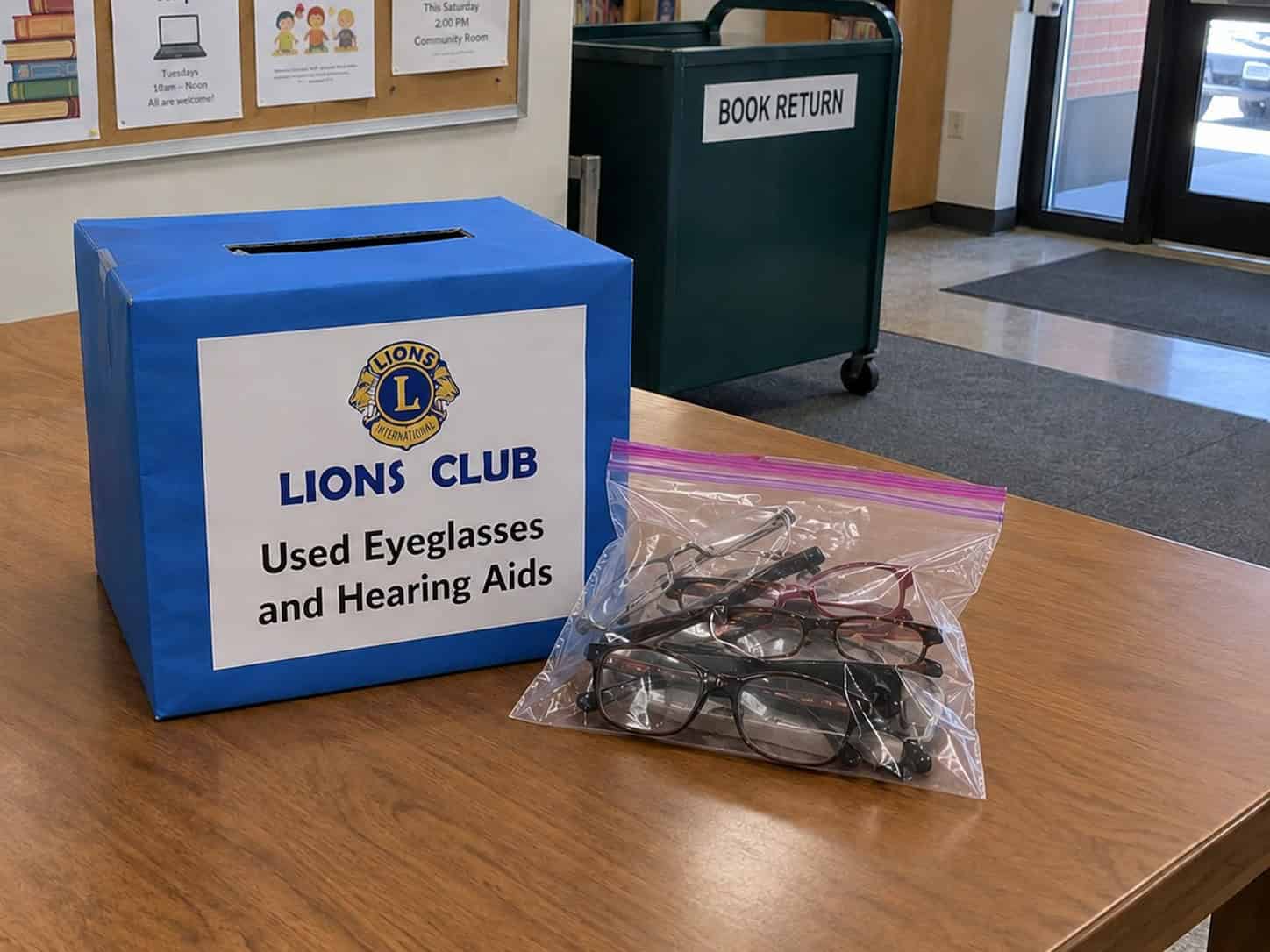
The Lions Club collects old eyeglasses and hearing aids. They clean them up and get them to people who can’t afford their own.
Look for a Lions Club drop box at your eye doctor’s office, the library, or a pharmacy. Even old reading glasses from the drugstore count.
Old Medicines
Old pills should never go in a donation bag. They go to a take-back spot instead, like many pharmacies.
I wrote all about it in my post on what to do with old medications.
From the Kitchen and Dining Room
Teacups and Pretty Dishes
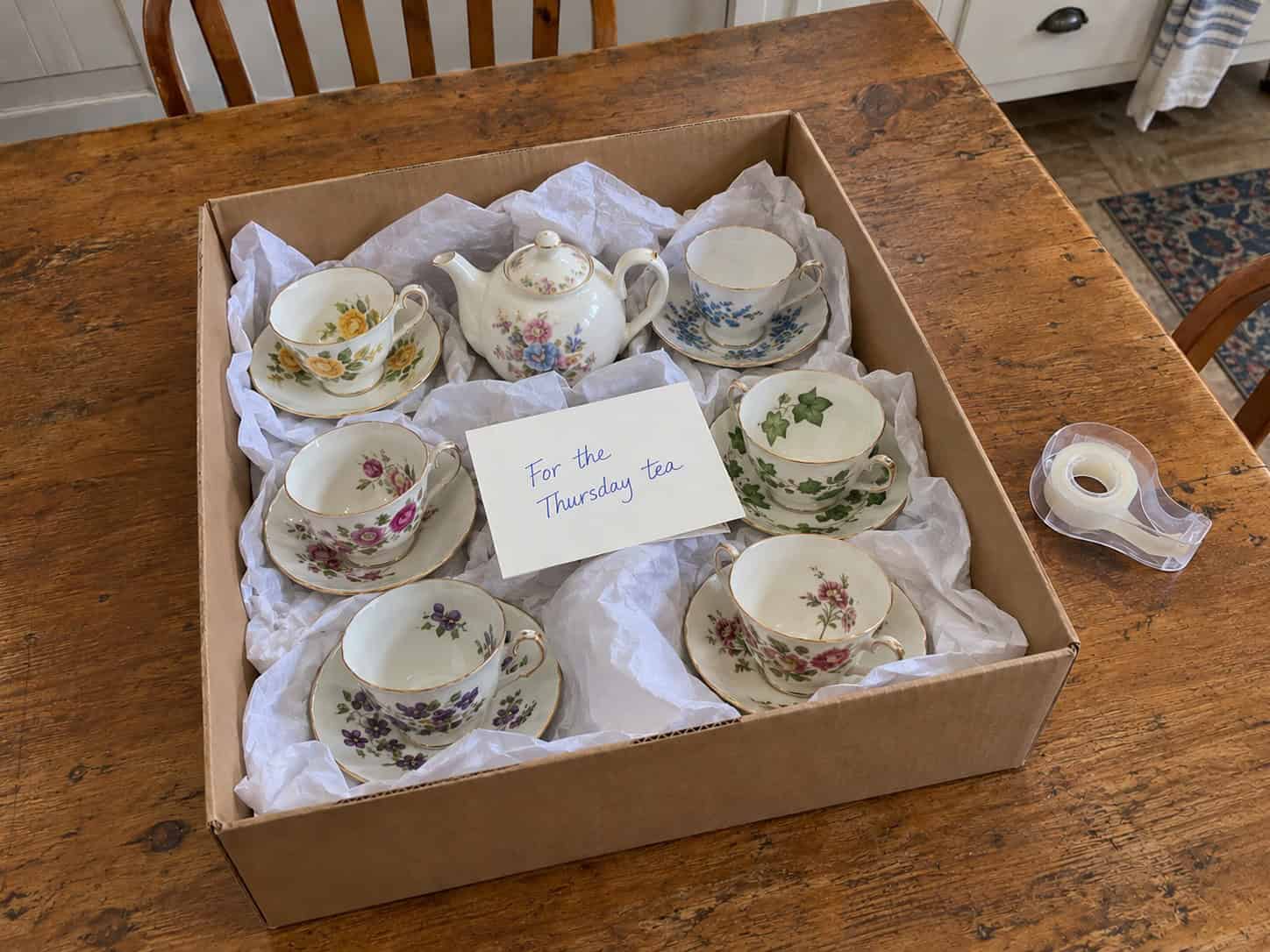
Nursing homes and senior centers often love pretty teacups. They use them for tea parties and special days, or as little prizes for games.
One of you told me your daughter started a weekly morning tea at the nursing home where she worked. You gave her some china and a teapot, and the ladies loved it.
Call and ask for the activity director. I shared where my own extra china went in my post on using the good china every day.
Pots, Pans, and Everyday Dishes
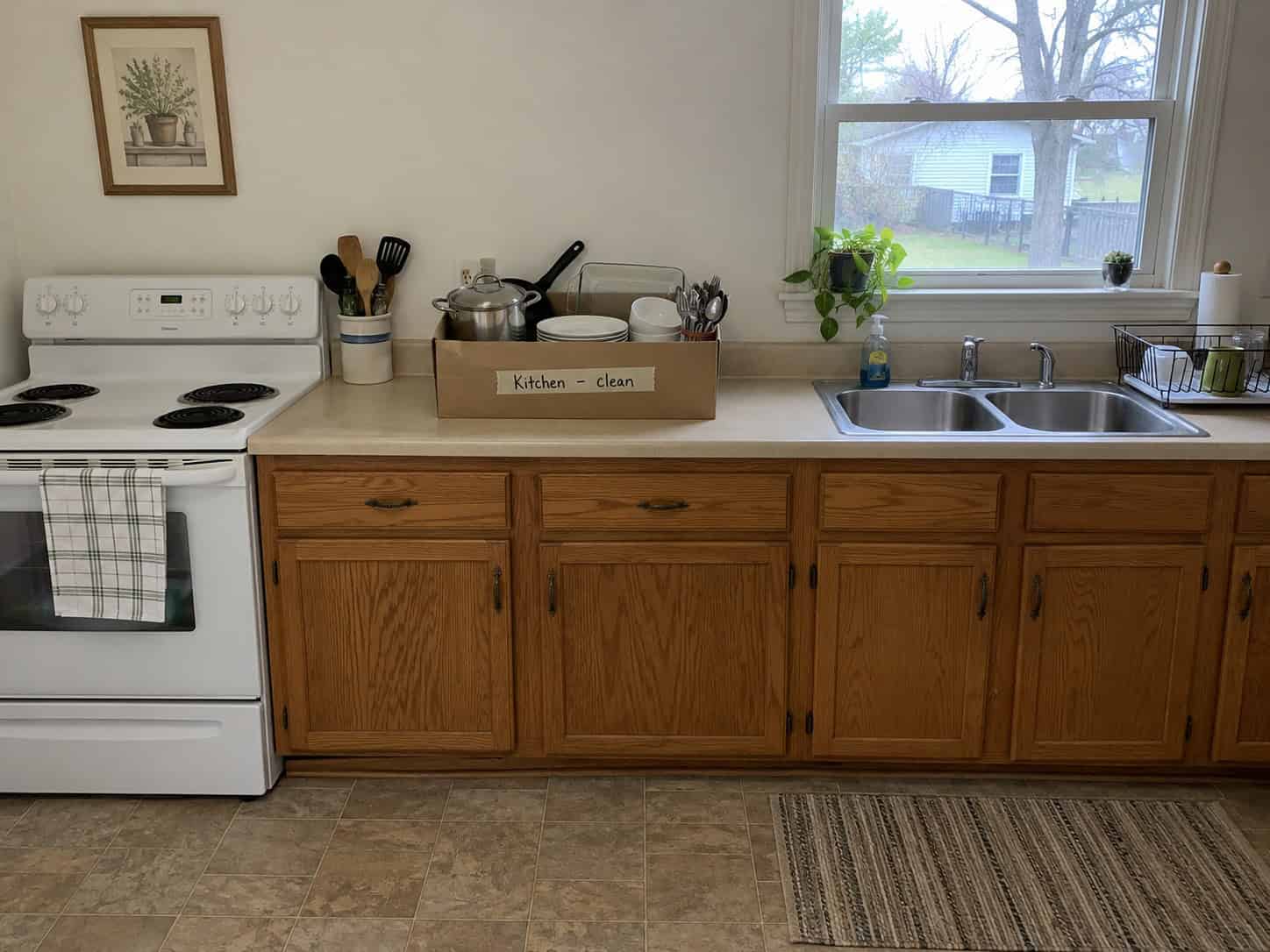
Families who are setting up a new home from nothing need these the most.
Refugee groups in many cities collect pots, pans, plates, and silverware for families who just arrived. Shelters that help women move into their own apartments often do the same.
Make sure everything is clean and ready to use. Call first, since they usually keep a list of what families need right now.
A Punch Bowl or Big Serving Pieces
Churches use big serving pieces for potlucks, funerals, and showers.
One of you lent your church a punch bowl for a couple of events, and then just left it there. It finally got used, and you didn’t feel one bit sorry.
Plastic Grocery Bags
Many grocery stores have a bin by the front door for plastic bags. I wrote about what else to do with them in my post on plastic grocery bags.
From the Desk and Craft Corner
Books
Many libraries have a Friends of the Library group that sells donated books to raise money. Call first and ask what kinds they take.
Old encyclopedias, textbooks, and books with water damage usually can’t be used. Novels, cookbooks, and children’s books in good shape often can.
Yarn, Fabric, and Craft Supplies
Schools, senior centers, and nursing homes are often glad to get craft supplies. So are church groups that knit hats and blankets for others.
I shared where my own craft room went in my post on decluttering craft supplies.
Empty Picture Frames
Most thrift stores are glad to get empty frames in good shape. Some preschools and art teachers like them too, for hanging up the children’s artwork.
Take the old photos out first. You’d be surprised what’s tucked behind the back of an old frame.
From the Attic
Holiday Decorations
Nursing homes, churches, and senior centers decorate for every season. Many of them are glad to get wreaths, small tabletop trees, and ornaments in good shape.
Call in early fall, before they start decorating. A Buy Nothing group is another good place to offer them, since young families just starting out often have none at all.
I keep my own heirloom ornaments, of course. It’s the extra boxes of tinsel and plastic balls that go.
The Big Things
Furniture and Building Supplies
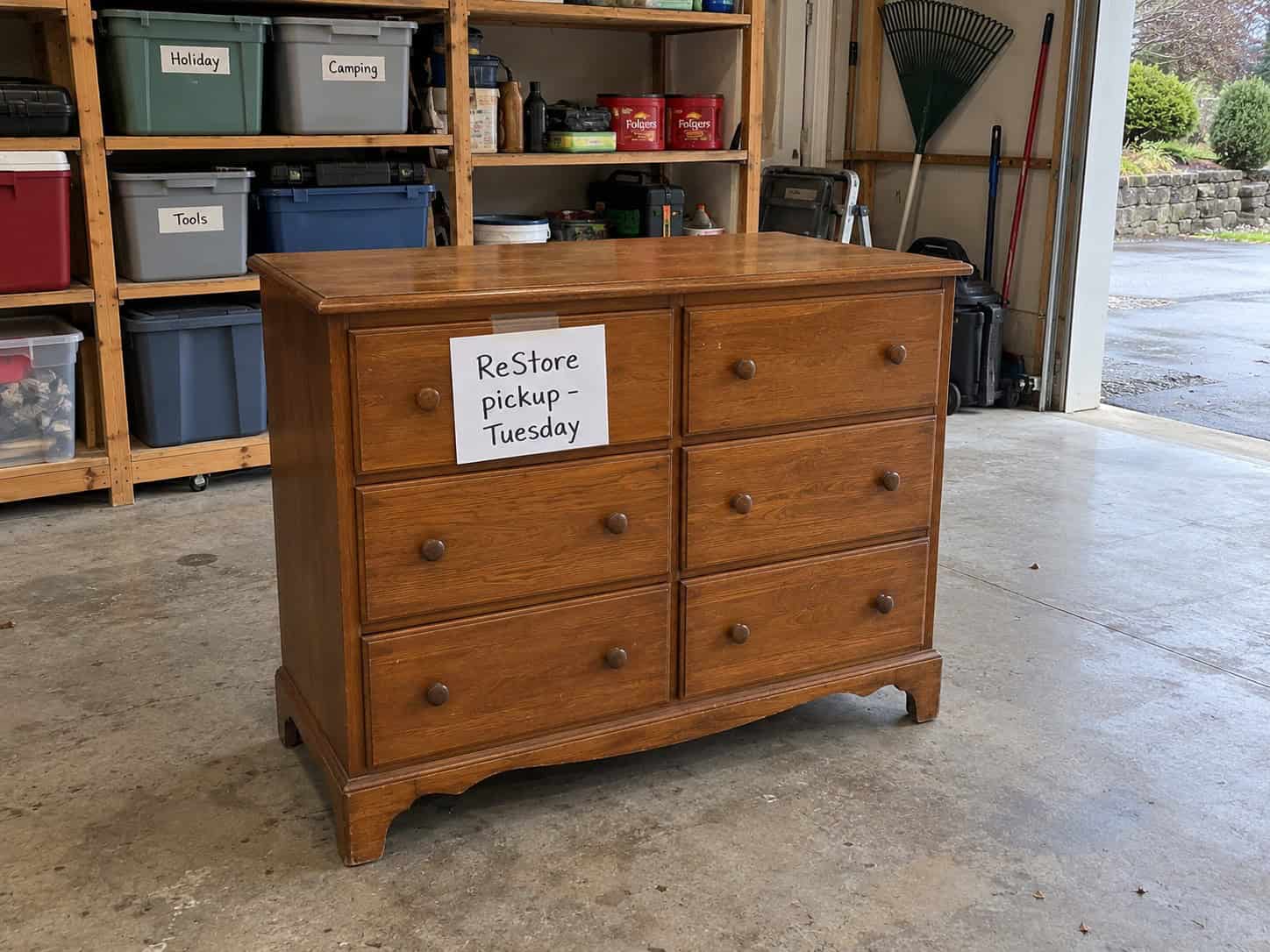
Habitat for Humanity runs stores called ReStores that sell donated furniture, cabinets, and tools. The money helps build homes for families.
Many ReStores will pick up big furniture for free. They want things in good shape, with no rips or broken parts.
One thing to know before you call: in some areas, the drivers can’t come inside your house. You may need a helper to move the piece to your garage or porch first.
Walkers, Wheelchairs, and Shower Chairs
Medical loan closets lend these out for free to people who need them. We gave away a whole corner of our garage this way.
I listed the best places in my post on where to donate medical equipment.
Old TVs and Electronics
Best Buy takes many old electronics for recycling, up to three items per household each day. Some TVs cost a small fee, so check their website first.
Before you give away an old phone or computer, ask a grandchild to help you erase it. (Mine did it in about two minutes.)
What Most Places Can’t Take
This isn’t anyone being unkind. It’s usually about safety or health.
Most donation places can’t take used mattresses, pillows, or opened bottles of anything. Many can’t take car seats or old cribs, because safety rules change.
Things that are broken, stained, or missing parts usually can’t be sold, either. Those go in the trash or recycling, and that’s okay.
For the rest, I also keep a list of meaningful places to send your belongings.
It Feels Different When You Know Where It Went
I still think about that bag of towels.
For years, I would have felt a little sad dropping them off, wondering if they’d end up in the trash. Instead, I picture a shelter dog sleeping on one tonight.
Letting go is so much easier when you know your things are going to someone who needs them.
So the next time you fill a bag, take one extra minute. Look at what’s in it, and think about who would be glad to have it.
Then make the call.
Make Room for Things to Find Their People

Every drawer you clear makes room for something good to happen, in your house and in someone else’s.
My free Declutter for Self Care Checklist helps you go one small spot at a time, so you always know what to sort next, and where it can go.
Frequently Asked Questions
Where can I donate household items that thrift stores won’t take?
Animal shelters take old towels, sheets, and blankets, and many teachers can use old socks for whiteboards. Nursing homes often take teacups, and Lions Clubs take old eyeglasses and hearing aids. Call first to make sure they need the item right now.
Who takes old towels and blankets?
Most animal shelters take clean old towels, sheets, and blankets, even with holes or stains. They use them for bedding and cleaning up. Many can’t use pillows or heavy comforters, so call and ask.
Where can I donate pots, pans, and dishes?
Refugee groups, women’s shelters, and programs that help families move into new homes often need kitchen items. Church sales and Buy Nothing groups are good choices too. Make sure everything is clean and ready to use.
Will someone pick up my donations?
Many charities and Habitat for Humanity ReStores pick up furniture and big items for free. In some areas, drivers can’t come inside, so you may need help moving things to your porch or garage. Ask when you call.
What items should not be donated?
Most places can’t take used mattresses, pillows, opened toiletries, or old medicines. Many also can’t take car seats or cribs for safety reasons. Broken or stained things usually can’t be sold, so those can go in the trash or recycling.
Follow me elsewhere!

