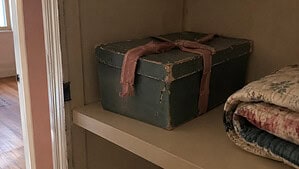
I finally opened that box on an ordinary Tuesday, a few years after my mother passed.
It was an old shoebox, soft at the corners, packed with letters and cards in her handwriting (that looping cursive nobody teaches anymore). Birthday cards, long letters, little notes she'd tucked into packages over the years.
For a long time, I couldn't make myself touch it. Opening it meant hearing her voice again, in a way, and I wasn't ready for that. So the box stayed on the shelf, and I left it alone.
Getting rid of it was never an option. Throwing away her handwriting felt unthinkable, like throwing away a piece of her.
But keeping it shut in the dark wasn't honoring her either. It was mostly guilt, sitting in a box, gathering dust.
So that Tuesday, I made a cup of tea and sat down with it at last.
What I figured out that afternoon, about what to do with letters from someone who has passed, is everything I wish someone had told me sooner. If you have a box of your own, letters from a parent, cards from a friend, notes in handwriting you'd know anywhere, this is for you.
You've kept them because you don't have the heart to throw them away. That's not something to fix. It's something to work with, gently and at your own pace.
Start by Giving Yourself Permission (and Time)
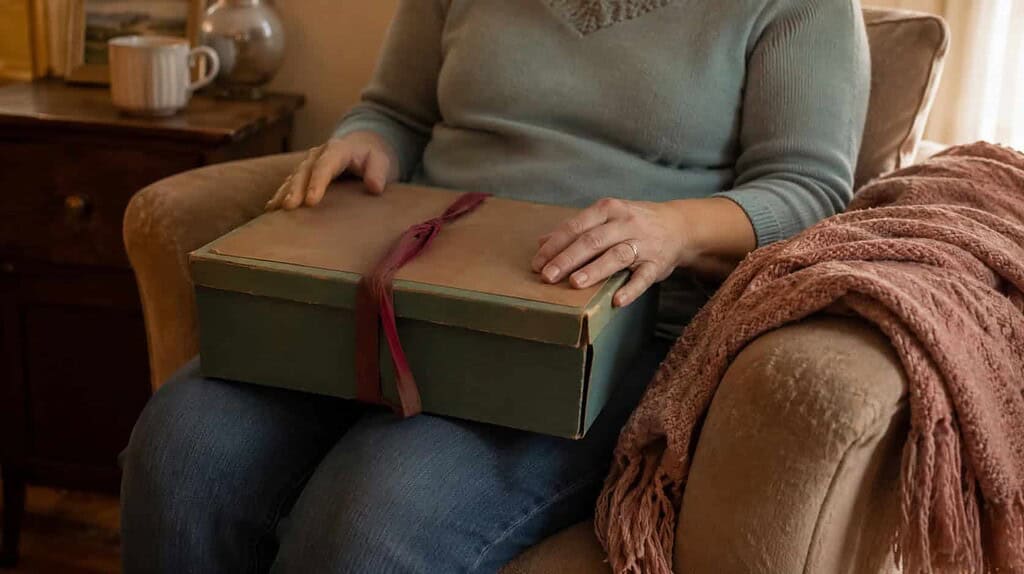
Before you sort a single card, let me tell you the most important part. There's no deadline here.
Grief doesn't run on a schedule, and neither does a box of letters. You're allowed to wait until you're ready, whether that's next week or next year.
You're also allowed to keep them. All of them, if that's what your heart needs right now.
Nobody has to touch these before they're ready. If sorting through what someone leaves behind feels like too much today, close the box and come back another time.
The goal was never to get rid of her letters. It was to stop letting them sit in the dark, weighed down with guilt. Those are two very different things.
When you do feel ready, even a little, the rest of this is here for you.
What You Can Actually Do With Them
Once you're ready, you have more choices than just keep-it-all or throw-it-away. That's the trap most of us get stuck in.
The truth is somewhere gentler in the middle. Here are the things that helped me most.
Read Them Once, Slowly
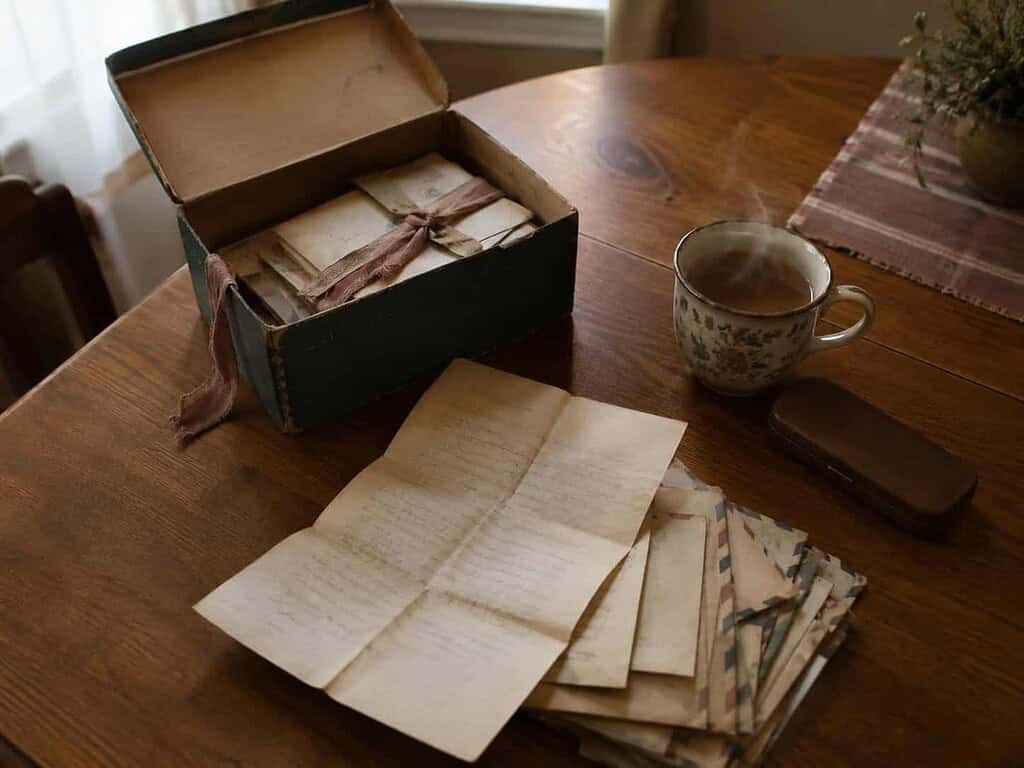
Before you decide anything, read them. Not to sort or judge, just to be with them.
Pour a cup of coffee, sit somewhere comfortable, and let yourself hear their voice one letter at a time. You might cry, and you might laugh at something you'd forgotten. Both are good.
This one step changes everything. Once you've truly read them, deciding what to do next comes from a settled place instead of a scared one.
Keep the Ones That Sound Like Them
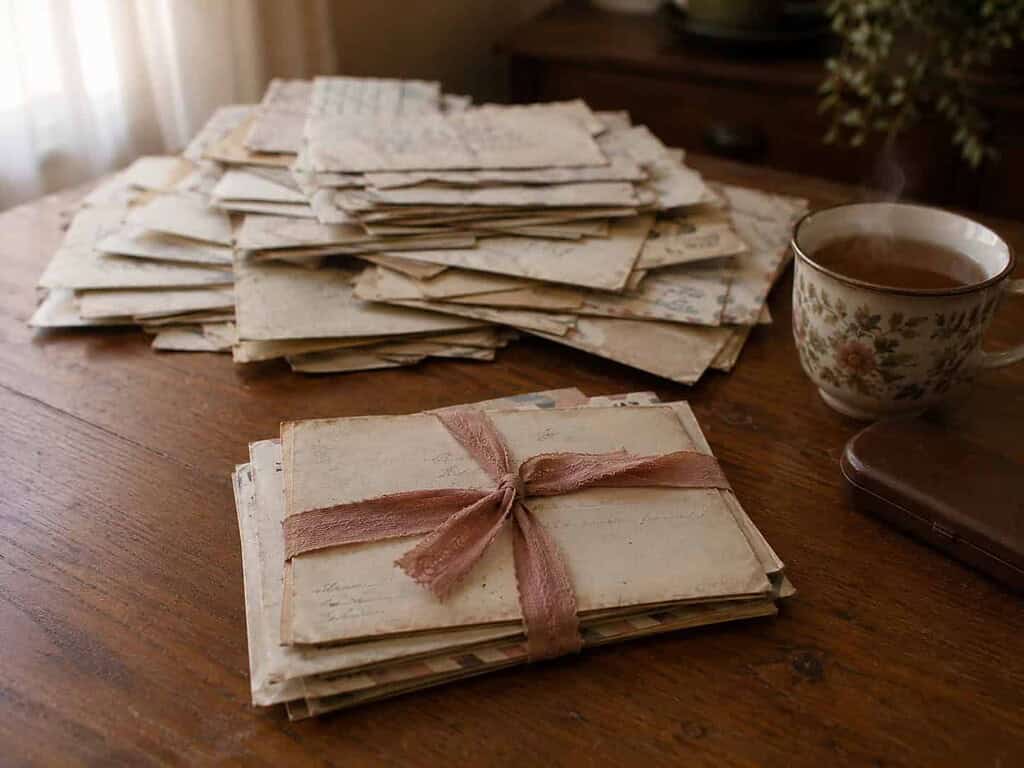
You don't have to keep every card to keep the person. This was the hardest thing for me to believe, and the most freeing once I did.
As you read, set aside the ones that truly sound like them. The letter that captures exactly how they talked, the note that still makes you smile, the card where they said something you needed to hear.
A signed birthday card with nothing else written inside doesn't hold much of them. A letter in their own words holds everything.
Keeping a meaningful few is not the same as letting go of sentimental things carelessly. It's choosing, on purpose, what to treasure.
Protect Their Handwriting
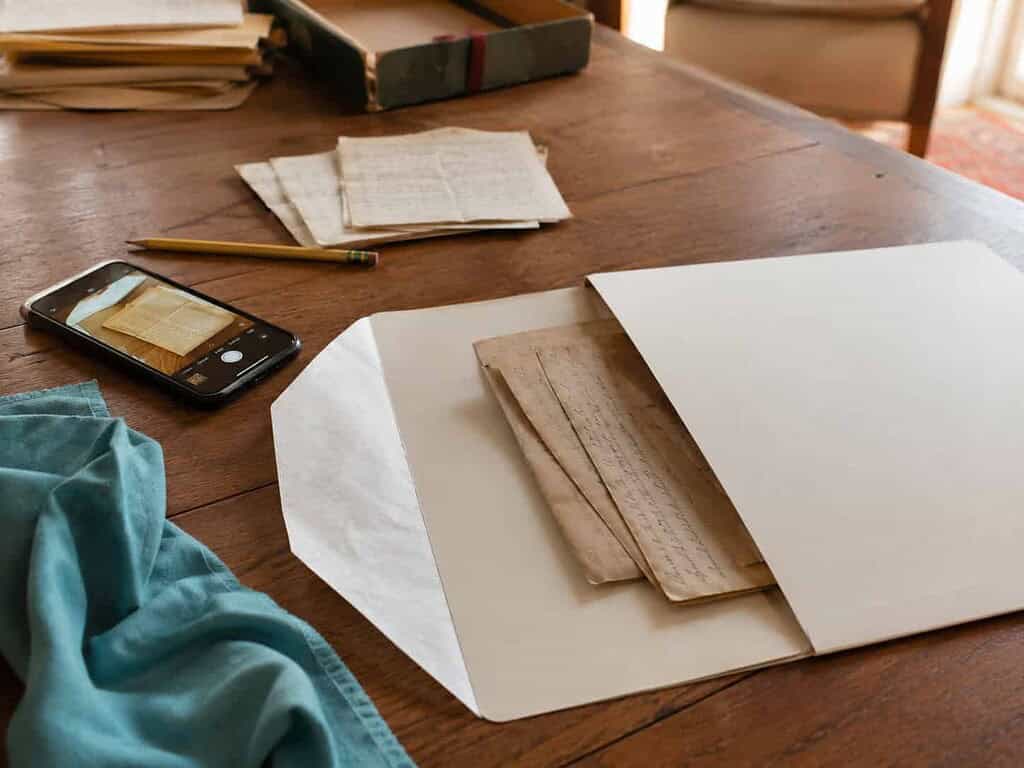
The handwriting is the part that's truly irreplaceable. It's them on the page, and it deserves a little care.
Keep your favorites somewhere safe and dry, not the attic or the basement where heat and damp can ruin paper. An acid-free box or folder from a craft store will protect them for decades (they're not expensive).
It's also worth taking a clear photo of each one. That way you have a copy if anything ever happens to the original, the same care you'd give their old photos.
A little protection now means their handwriting will still be here for you, and maybe for your grandchildren, long from now.
Turn a Few Words Into Something You'll See
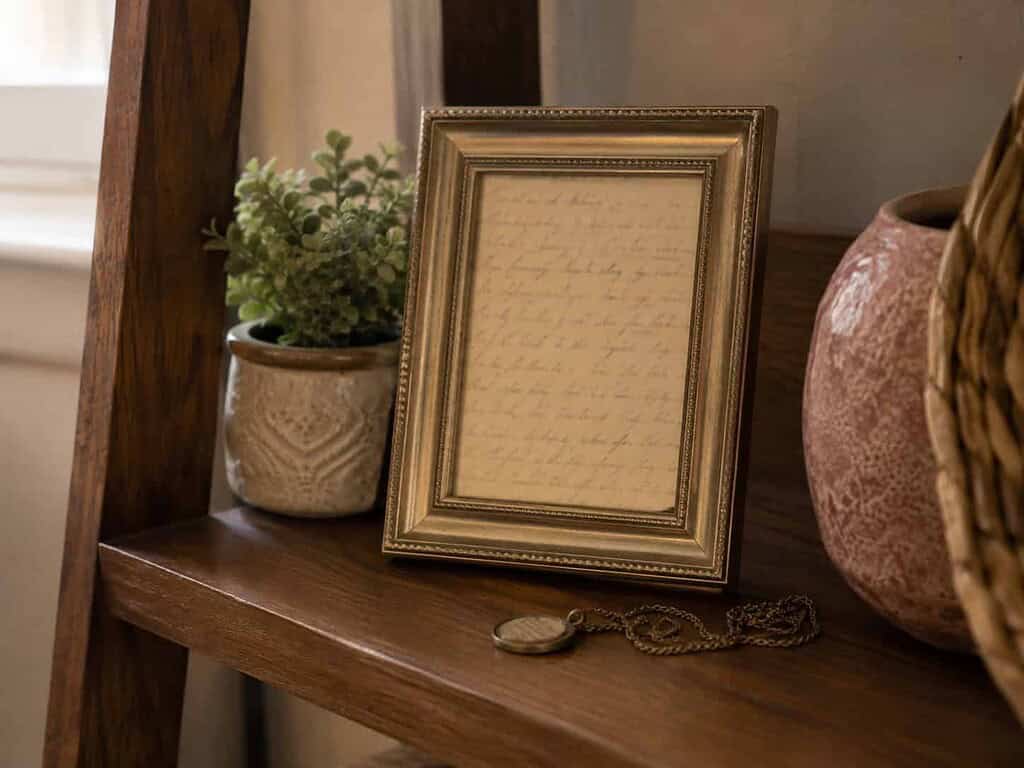
A letter in a box comforts you once a year. A few of their words where you can see them can comfort you every day.
You can frame a short note, a favorite line, or just their signature, and hang it where you'll pass it often. Some people have a loved one's handwriting made into a piece of jewelry, a pendant or a bracelet with their actual words on it.
There are folks who stitch a line onto a pillow, or have a phrase engraved on something small they can carry. You don't have to spend much, and you don't have to do any of it. But if the idea warms you, it's a lovely way to keep them close.
Share Them With the Family
You may not be the only one who misses them. A letter can mean the world to someone else in the family too.
If your sister would treasure the note that mentions her, give it to her. If a grandchild never got to know them well, a warm letter is a way for them to hear that voice.
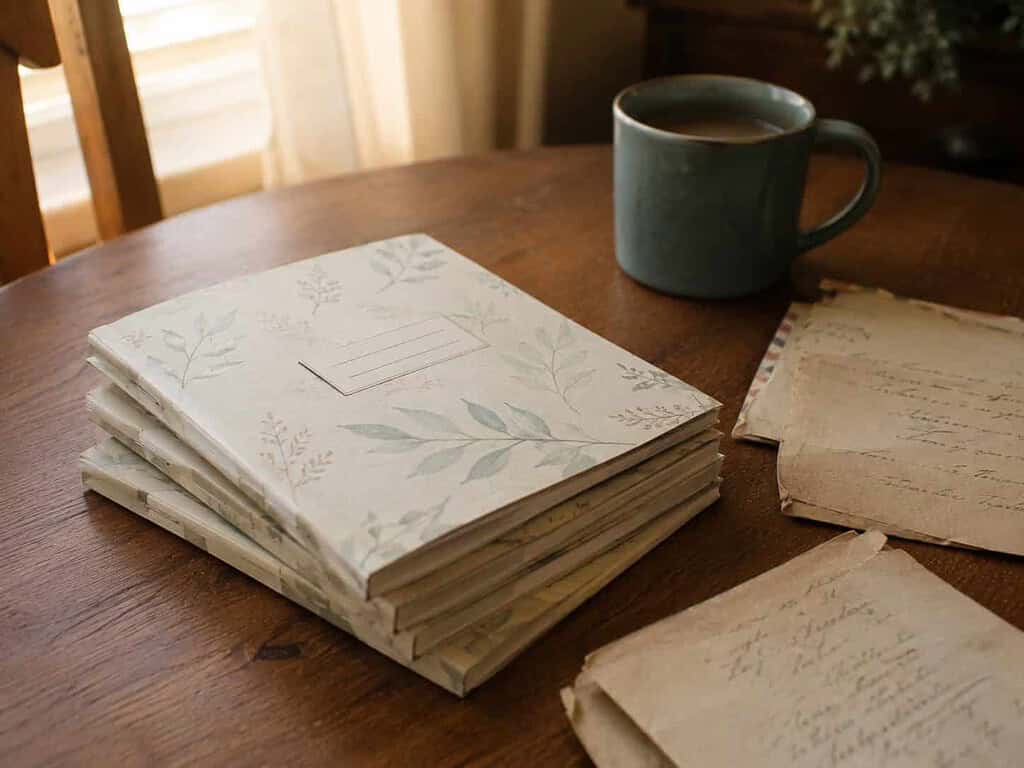
There's a way for everyone to keep them at once. Take photos or make copies, and share the digital versions, so each person can have the letters without anyone giving up the originals.
I made a small booklet of my mother's best letters and gave one to each of my kids. (It's one of the few gifts I've given that made all of them cry.)
What to Do With the Sympathy Cards
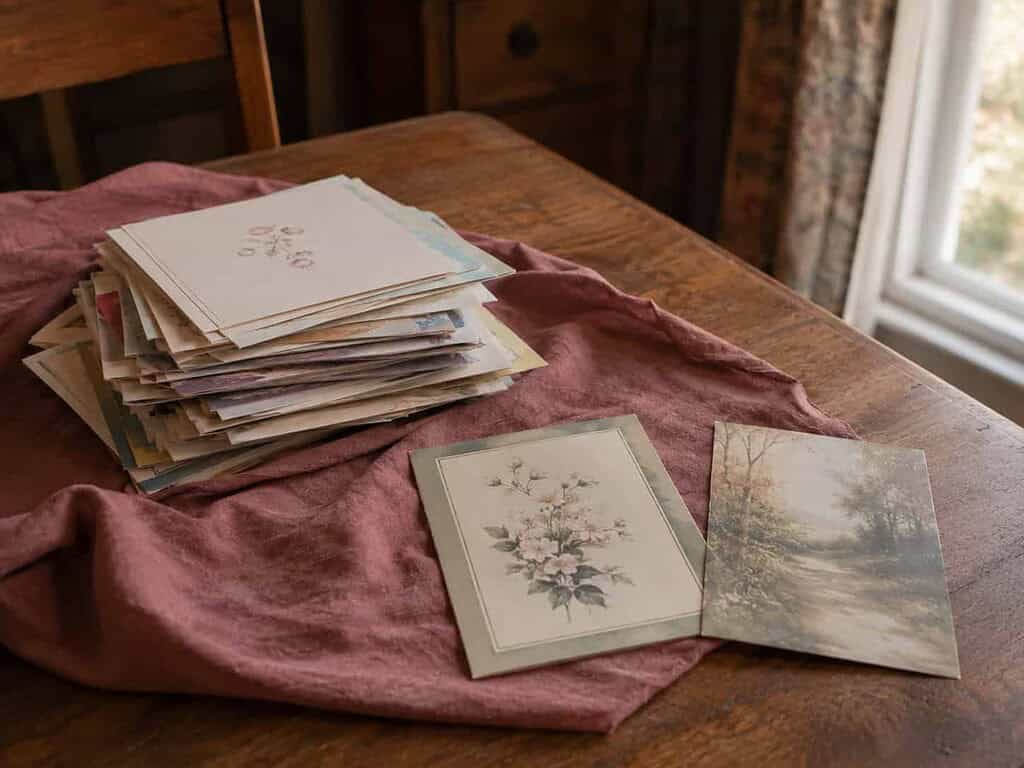
There's another stack that piles up after a loss, and it catches people off guard. The sympathy cards.
After the funeral, they arrive by the dozen, and then they sit, because tossing them feels cold. But you don't have to keep all of them to honor the kindness behind them.
Keep the few where someone wrote something personal about your loved one, a memory, a story, a detail only they knew. Those are worth saving. The rest did their job the day they arrived, and you can let them go with gratitude.
If it helps, this is a different task than sorting everyday cards and notes, because these came during the hardest days. Be extra gentle with yourself here.
When You're Ready to Let the Paper Go
For the cards you've decided not to keep, letting the paper go is allowed. It doesn't erase anyone.
Before you do, check every envelope and every fold. Old letters love to hide things, a pressed flower, a photo, a twenty-dollar bill, an address you might want later.
Then let them go in whatever way feels right to you. Most can simply be recycled, and there's no shame in that.
Some people like a small, private goodbye instead, reading a card one last time before releasing it. If that brings you peace, do it. If plain recycling feels fine, that's just as loving.
The paper was never the point. The love it carried already lives somewhere safer.
The Love Was Never in the Paper
That Tuesday afternoon taught me something, sitting on the floor with my tea going cold.
I'd been afraid that letting go of any of it meant letting go of her. That her love was somehow held inside those pages, and I'd lose a piece of it with every card I released.
But her love was never in the paper. It was in me the whole time.
It's in the way she taught me to make her Sunday sauce, the sound of her laugh I can still hear, the way I catch myself saying things exactly the way she did. No letter holds that. I do.
I've come to believe that keeping their things doesn't really keep them. We keep them by carrying them, in our hands, our habits, our hearts.
So I kept her best letters, and I let the rest go. And she is exactly as close to me as she ever was.
You Get to Keep What Matters
That shoebox is still in my closet, but it's lighter now, and so am I. Inside are the letters that sound most like her, tucked in an acid-free folder where they'll last.
The rest, I let go of, with a photo saved and a clear conscience. It turned out I didn't need the whole box to keep my mother. I just needed the pieces that were really her.
If you have a box of your own, you don't have to open it today. But when you're ready, know that you get to choose. Keep the ones that hold their voice, share what others would treasure, and release the rest without guilt.
The love was never going anywhere. It's already yours to keep.
When You're Ready for the Rest of the House

A box of letters is one of the tender things in a home to face, and if you can make peace with that, you can make peace with a lot.
My free Declutter for Self Care Checklist gives you a gentle, no-pressure way to work through the rest of your home at your own pace. It's the same soft approach that finally let me sit down with that shoebox.
Frequently Asked Questions
What should I do with old letters and cards from a loved one who's gone?
Start by giving yourself time, since there's no deadline for this. When you're ready, read them once, keep the few that truly sound like the person, protect those safely, and let the rest go without guilt. You can also photograph them or make keepsakes so their words stay close.
How do I preserve a loved one's handwriting?
Keep the originals somewhere cool and dry, like an acid-free box or folder, away from the attic or basement where heat and damp ruin paper. Take a clear photo of each one so you always have a copy. For something you'll see daily, you can frame a note or have their handwriting made into jewelry or a stitched keepsake.
Is it okay to let go of cards and letters from someone I've lost?
Yes, it's okay, and it doesn't erase them or your love for them. Keep the ones that hold their voice, and release the rest in whatever way feels right, like recycling or a small private goodbye. Letting the paper go is not the same as letting the person go.
What should I do with all the sympathy cards after a funeral?
You don't have to keep every one to honor the kindness behind them. Save the cards where someone wrote a real memory or story about your loved one, since those are irreplaceable. The rest did their job the day they arrived, and you can let them go with gratitude.
How do I share a loved one's letters with the rest of the family?
Take photos or make copies so everyone can have the letters without giving up the originals. Give a specific note to the person it would mean the most to, like the grandchild or sibling it mentions. A small printed booklet of the best letters makes a treasured gift for the whole family.
Follow me elsewhere!

