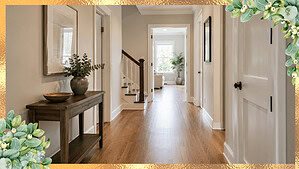
11 Things I Removed From My Home Once I Started Taking Decluttering for Safety Seriously

I didn't go looking for fall hazards the day I started thinking about this.

I was just walking to the kitchen one morning and my foot caught the edge of the bathroom rug. I didn't fall. But I felt it, that split second where your body isn't sure which way it's going to go.

I stood there for a moment and looked around. Really looked.

And I saw things I had completely stopped noticing. A rug that shifted every time someone walked over it. An extension cord snaking across the hallway floor.

A step stool with a wobble I had been meaning to replace for two years (at least two years).

None of it felt dangerous when I stopped noticing it. That's the thing about clutter you live with every day. It becomes invisible.

I started reading about falls around that time, and the numbers genuinely surprised me. According to the CDC, one in four adults over 65 falls every year, and most of those falls happen at home.

I wasn't trying to be morbid about it. I just wanted to stay in my house for a long time, and I realized that meant taking an honest look at what I had been walking past.

So I did. Room by room. And I started removing things.

These are the 11 things I got rid of, and why each one mattered more than I expected.

The 11 Things I Removed and Why Each One Mattered

Before I get into the list, I want to say something.

This isn't about having a perfect home. It's not about being afraid to live in your own space.

It's about making small, deliberate changes so that the home you love stays the home you live in. That shift in thinking is what made decluttering for safety feel worth doing instead of overwhelming.

1. The Bathroom and Hallway Scatter Rugs

A flat non-slip bath mat beside a bathtub on clean tile flooring in a bright bathroom

I had rugs in both the bathroom and the hallway for years. They looked nice and they felt cozy underfoot.

But on tile and hardwood, they move. Not always by much, but enough.

And the bathroom is already a slippery room without adding something on the floor that slides when you step on it.

I removed the hallway rug first and replaced the bathroom rug with a non-slip mat that actually stays flat and grips the floor. The difference was noticeable right away.

The floor felt more stable, not less comfortable.

Read related post:   15 Methods To Declutter Your Messy Home (Reclaim Your Space)

If you love the look of rugs, that's fine, but make sure they have a proper non-slip backing and check them regularly. A rug that has shifted even slightly from where you expect it to be is a problem waiting to happen.

2. Extension Cords Running Across the Floor

I had more of these than I realized until I actually looked.

One ran behind the sofa to reach an outlet. One crossed the bedroom floor to reach the lamp on my side of the bed. One went across the hallway because the nearest outlet wasn't close enough to where I needed it.

None of them felt dangerous day to day because I knew they were there.

But knowing something is there and seeing it clearly at night, or in a hurry, or carrying something in your arms, are very different things.

I rerouted what I could along baseboards, used outlet extenders where it made sense, and got rid of the items that required long cords just to function. The floors looked better and felt safer to walk across.

3. Everything That Had Crept Onto the Stairs

This one embarrasses me a little because it had been going on for so long.

There was always something on the bottom two or three stairs. A library book waiting to go back up. A sweater someone had left.

A pair of shoes that hadn't made it to the closet yet.

We all knew those things were there. We stepped around them or over them without thinking.

But that's exactly the problem. The moment you stop thinking about something on your stairs is the moment it becomes a real hazard.

I cleared the stairs completely and started treating them like a no-drop zone. Nothing sits on a step, not even for a few minutes.

It took about a week to build that habit, and now it feels automatic.

4. The Shoe Pile by the Front Door

There was a collection near our front door that had built up over time. Walking shoes, garden shoes, shoes I had meant to donate (for longer than I'd like to admit).

Most days I just stepped around the pile without registering it as anything other than normal.

When I actually counted what was there, it was more than I thought.

I picked up a simple shoe storage solution that kept everything off the floor, and the entryway immediately looked and felt different.

A clear floor near the front door also means a safe path in and out. That matters more when your hands are full of groceries or it's dark when you get home.

5. Items Stored on the Bathroom Floor Around the Tub

A standard white bathtub in a modest American bathroom with a clear tile floor around it and a simple caddy holding a few bottles in bright light

The bathroom floor around the tub is one of the most dangerous spots in a home, and I had turned mine into a storage area without really meaning to.

A backup bottle of shampoo sat in the corner. A loofah hung from the tub edge. A small basket of products had migrated down from the shelf because the shelf was too full.

Once I saw it clearly, I understood the problem. Any of those things could shift underfoot when the floor is wet.

I cleared the floor completely and moved what was necessary to proper storage inside the tub or on a shelf.

Then I dealt with the bathroom clutter that had caused the overflow in the first place.

If your bathroom storage is too full to keep things off the floor, that's worth addressing on its own.

6. The Step Stool I Had Been Meaning to Replace

One leg wobbled. I had known about it for a while and had been careful every time I used it.

Read related post:   How Baking Soda Transforms Cleaning Chores (From Mess To Magic)

But careful isn't a plan, and at some point careful stops being enough.

I replaced it with a two-step stool that has a grip surface on each step and rubber feet that don't slide. It cost less than I expected.

I stopped thinking about it every time I reached for something high.

If you have a step stool with any wobble at all, or one that's old enough that the grip has worn smooth, replace it. It is not worth keeping.

7. The Furniture That Blocked My Path to the Bathroom at Night

A bedroom in a modest average American home with a clear open path from the bed to the doorway and nothing on the floor in soft natural light

I had a chair at the end of the bed that I used to drape things over, and a small decorative table between the bed and the bathroom door.

During the day, neither of them was a problem. At night, half asleep, navigating around them was a different situation entirely.

I moved the chair to another spot in the room and cleared the path from the bed to the bathroom completely.

Now I can walk that route in the dark without having to think about it.

If you get up at night, that path needs to be clear and easy. That's the part of the bedroom that matters most for safety, even more than how the rest of the room looks.

8. Overstuffed Shelves With Things Balanced on the Edge

In the garage, in the linen closet, on the top shelf of the bedroom closet, I had shelves that were stacked too full.

Things sat at the edge or leaned against other things to stay up.

The risk isn't just that something falls on you, though that does happen. It's also that reaching up to get something throws off your balance, and a fall from standing height can be serious.

I went through each overstuffed shelf and pulled things down. What I hadn't used in over a year left the house.

What stayed went back in a way that was stable and easy to reach. Nothing above eye level that requires stretching or reaching forward to grab.

9. Floor Lamps and Table Lamps With Cords in the Walkway

A basic floor lamp in the corner of a modest everyday American living room with its cord along the baseboard and the floor completely clear in warm natural light

I had a floor lamp I loved. It gave off warm light and had been in the same corner of the living room for years.

But the cord ran across a stretch of floor between the lamp and the nearest outlet, and that stretch happened to be where I walked every single day.

I found a wall-mounted light that worked in that corner instead.

I ran the remaining lamp cords along the baseboards so they stayed flat against the wall and out of the path.

If you have cords running across areas where you walk, that is worth fixing even if you've never tripped on them yet.

10. The Clutter on My Nightstand and the Floor Beside the Bed

My nightstand had become a catch-all. Books, a water glass, reading glasses, my phone charger, a small pile of things I was going to deal with later.

And on the floor next to the bed sat my slippers and a bag I'd set down a few days earlier and not moved.

I thought about what it would be like to get up at two in the morning not fully awake.

The floor beside the bed needs to be completely clear. The nightstand needs to have only what's necessary for nighttime use.

I cleared both and it made the room feel calmer during the day and safer at night.

If your bedroom has been collecting clutter gradually, going through it properly is worth the time.

Read related post:   How Should You Handle a Loved One’s Belongings After They Pass?

11. Paper Piles, Mail Stacks, and Magazines on Flat Surfaces

A plain everyday kitchen counter in a modest American home completely clear of paper and clutter with only a simple bowl on the surface in bright natural light

Paper doesn't feel like a safety hazard, but it took over my flat surfaces in a way that created problems.

The kitchen counter, the coffee table, the side table near the door all had stacks.

Paper piles attract more stuff on top of them. They make surfaces harder to use.

And they make the home feel more cluttered than it actually is, which affects how carefully you move through it.

I dealt with the paper by sorting it once and setting up a simple system to handle it going forward.

Flat surfaces that are clear are easier to use and easier to keep clear.

If paper is a persistent issue in your home, it's worth treating it as its own decluttering project and not just something that will sort itself out eventually.

Your Home Is Worth Protecting

None of these changes were dramatic. I didn't renovate anything or spend a lot of money.

I removed things that had been in my home so long I had stopped seeing them as problems.

That's what decluttering for safety really comes down to. It's not about being fearful.

It's about being honest with yourself when you look around, and making small decisions that add up to a home that keeps you safe and independent for as long as possible.

Building consistent decluttering habits is what makes that last. A single clear-out helps, but staying on top of what accumulates over time is what keeps the hazards from quietly creeping back in.

Walk through your home today with fresh eyes. You might be surprised by what you've stopped noticing.

Your Home Deserves the Same Care You Give Yourself

Decluttering for safety is one of the most personal things you can do for your home.

But sometimes it helps to have a clear starting point, especially when you're not sure where the clutter ends and the hazard begins.

My Free Declutter for Self Care Checklist was made for exactly that. It walks you through your home in a way that feels manageable and helps you spot what's been sitting unnoticed for too long.

If you've been putting off a proper walk-through, this is a good reason to finally do it.

Frequently Asked Questions

Is decluttering for safety different from regular decluttering?

The goal is a little different, but the process overlaps. Regular decluttering is usually about reducing what you own and creating more organized space.

Decluttering for safety means looking specifically at what could cause a fall or injury, things on the floor, unstable furniture, cords in walkways, overstuffed shelves. You can do both at the same time, and clearing clutter for safety reasons often leads to a more organized home as a side effect.

What room should I start with when decluttering for safety?

The bathroom and the bedroom are the two most important places to start. Falls happen most often in the bathroom because of wet floors and small spaces, and in the bedroom because people navigate it at night when they're not fully awake.

Clear those two rooms first before moving to the rest of the house.

Do I really need to remove scatter rugs completely?

Not necessarily, but you need to make sure they can't move underfoot. A rug with a proper non-slip backing that grips the floor firmly is different from a decorative rug that shifts when stepped on.

The bathroom and hallway are the highest-risk spots, so those are the places to be most strict about it. If a rug moves at all when you walk over it, it needs to go or be properly secured.

How do I keep the stairs clear when other people in my home use them as a drop zone?

Make it easy to do the right thing by putting a basket or a hook near the base of the stairs where things can land instead of on the steps themselves.

For things that genuinely need to go upstairs, a small bin at the bottom that gets emptied once a day is more realistic than expecting people to carry everything up immediately.

The stairs themselves need to stay completely clear no matter what.

How often should I do a safety declutter walk-through?

Once a season is a good rhythm. Clutter builds gradually and things shift back to old habits without you noticing.

A quick walk-through every few months, especially in the bathroom, bedroom, hallways, and stairwell, is enough to catch anything that has crept back in before it becomes a real problem.

Follow us on PinterestFollow
Follow me elsewhere!

Leave a Comment