For most of my life, I believed nine things about clutter that weren’t true.
I didn’t know they weren’t true. They just sounded right, so I never stopped to question them.
Each one kept me stuck a little longer. Some kept me stuck for years.
So I’d like to share the decluttering myths I believed until my 60s, and what I know now instead. If you’ve been holding on to any of them, I hope this makes your next step a little lighter.
Myth 1: “It’s Too Late to Start”
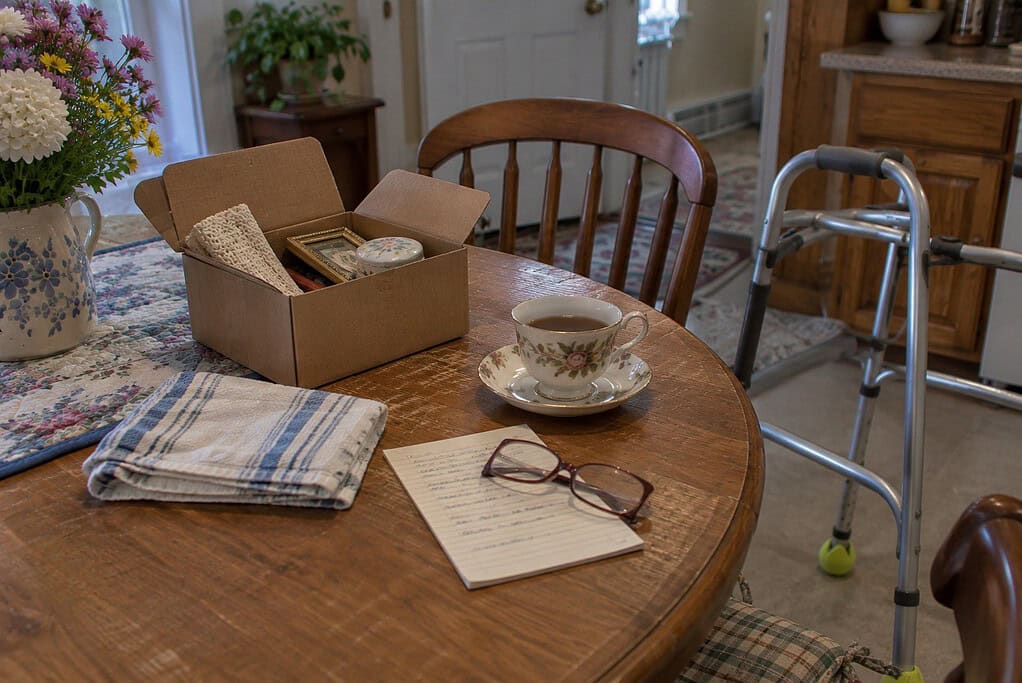
I used to think decluttering was for younger women. Women with strong backs and lots of energy, who could fill a truck in a weekend.
Then I watched my mother do it in her 80s.
She didn’t fill a truck. She did one small job a day, sitting down, and stopped while she still felt fine. Little by little, her house got easier to live in.
That’s when I learned it’s never too late. It just looks different at our age.
Ten minutes and one drawer still count. I shared how Mom did it in my post on decluttering for women over 80.
Myth 2: “My House Is Clean, So It Isn’t Cluttered”
I’ve always kept a clean house. I dust on Saturdays, and my kitchen counter is clear.
So for years, I told myself I didn’t have a clutter problem.
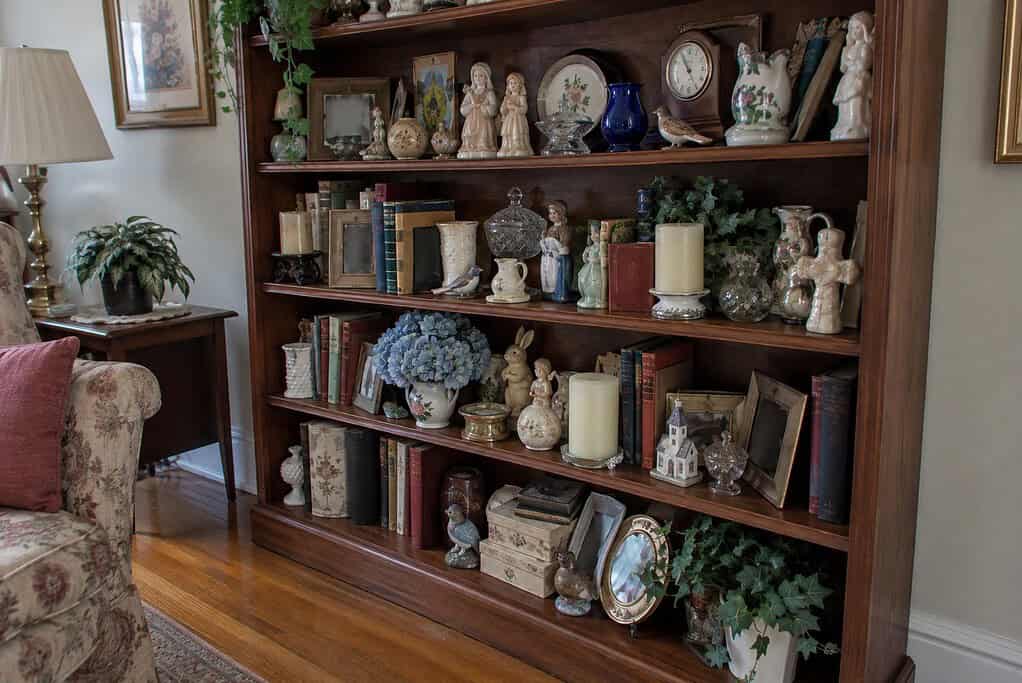
But clean and uncluttered aren’t the same thing. My shelves were dusted, but they were packed. My closets were neat, but I couldn’t fit one more thing in them.
Clutter isn’t about dirt. It’s about having more than you use, love or have room for.
Once I saw that, I stopped asking “Is it clean?” and started asking “Do I use this?” I wrote about how easy it is to stop seeing our own things in my post on clutter blindness.
Myth 3: “Letting Go of Mom’s Things Means Letting Go of Mom”
When my mother passed, I wanted to keep everything she touched.
Her coat. Her dishes. Even her old phone book.
Letting any of it go felt like losing a little more of her.
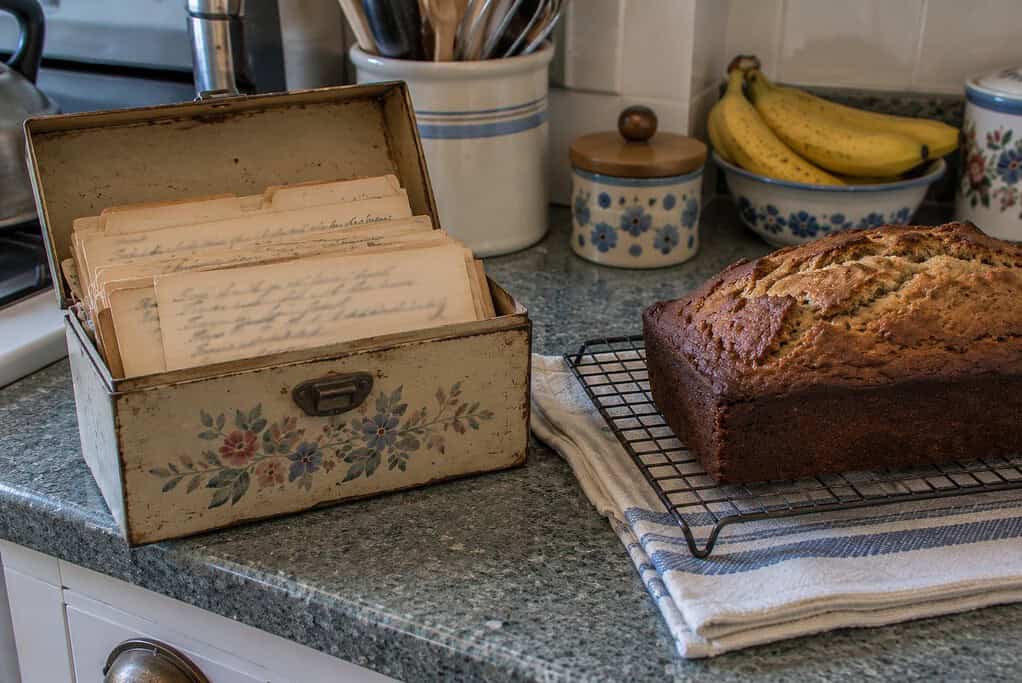
What I learned surprised me. My mother isn’t in her coat. She’s in the way I hum when I cook, and in the banana bread I still make from her recipe.
So I kept a few things I love and use. Her Bible, her recipe box and four place settings of her good china, which I eat off on Sunday mornings.
The rest went to family and to people who could use it. And I didn’t lose her. I still carry her with me every day.
Myth 4: “Keeping It Is Less Wasteful Than Letting It Go”
I grew up hearing “waste not, want not.” So getting rid of anything that still worked felt wrong.
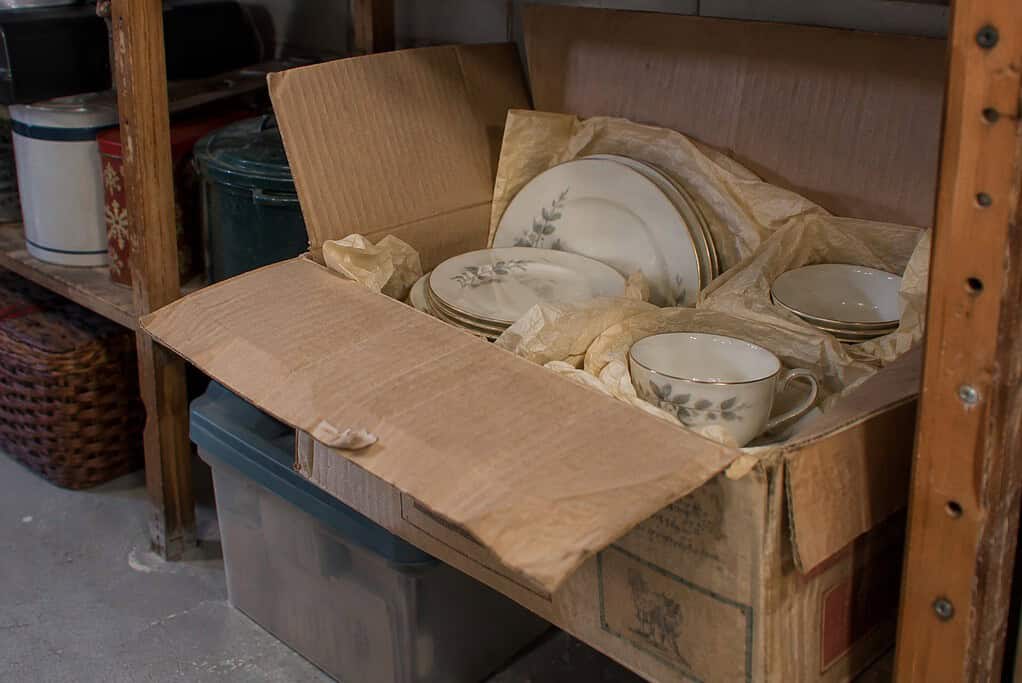
My mother-in-law gave us a full set of dishes when we got married. They sat in a box for about 40 years, and not one plate was ever used.
I thought keeping them was the careful, thrifty thing to do. But a dish that never holds a meal is being wasted, too, just more slowly.
This fall, I kept the little bowls and gave the rest to a young teacher at church. She uses them every single day.
That’s when it clicked for me. Letting something go to someone who will use it isn’t wasteful. Keeping it in a box is.
Myth 5: “Anything I Donate Will Get Used”
For years, I thought the donation bin was a magic door. Whatever I put in it would find a good home.
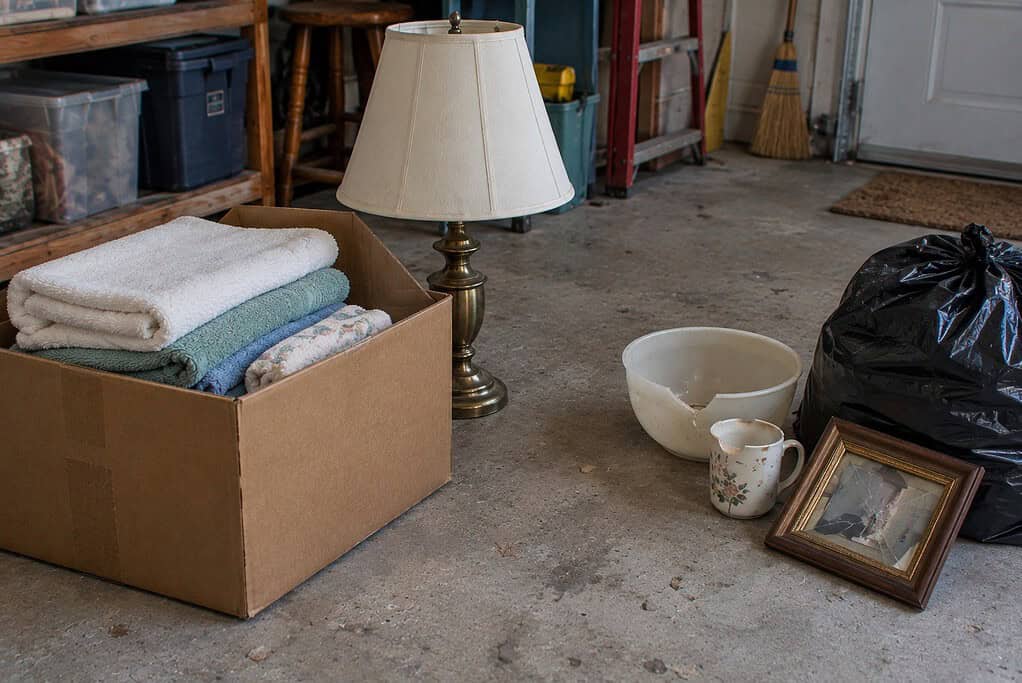
That isn’t always true. Thrift stores can only sell what’s clean and working, and they can’t sell everything they get.
Things that are broken, stained or missing pieces often can’t be used. Some stores even have to pay to throw away the things they can’t sell.
So now I give the way I’d want to receive. Clean, working, with all the pieces.
Broken things go in the trash or the recycling, and I call ahead before I drop off anything big. I shared where my things go in my post on where to donate household items.
Myth 6: “Clutter Doesn’t Affect How I Feel”
I used to think clutter was just a stuff problem. It was in the closet, not in my head.
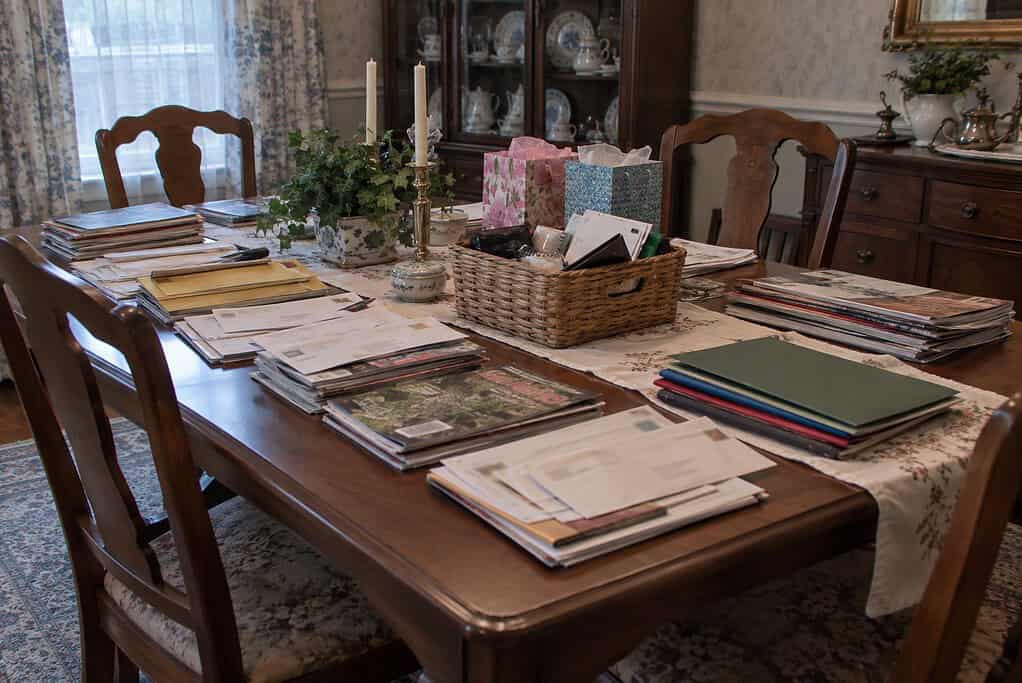
Then I noticed how I felt when I walked past the dining room table covered in piles. A little tired. A little behind, every single day.
There’s some research on this, too. A small study at UCLA found that women who described their homes as cluttered or full of unfinished projects showed signs of more stress through the day.
It was only one study, and a small one. But it matched what I felt.
When I cleared that table, I felt lighter every time I walked by. That’s the self-care part of decluttering that nobody told me about.
Myth 7: “I Should Be Able to Do This by Myself”
My mother never liked to ask for help. At 84, she stood on a kitchen chair to reach a box on a closet shelf.
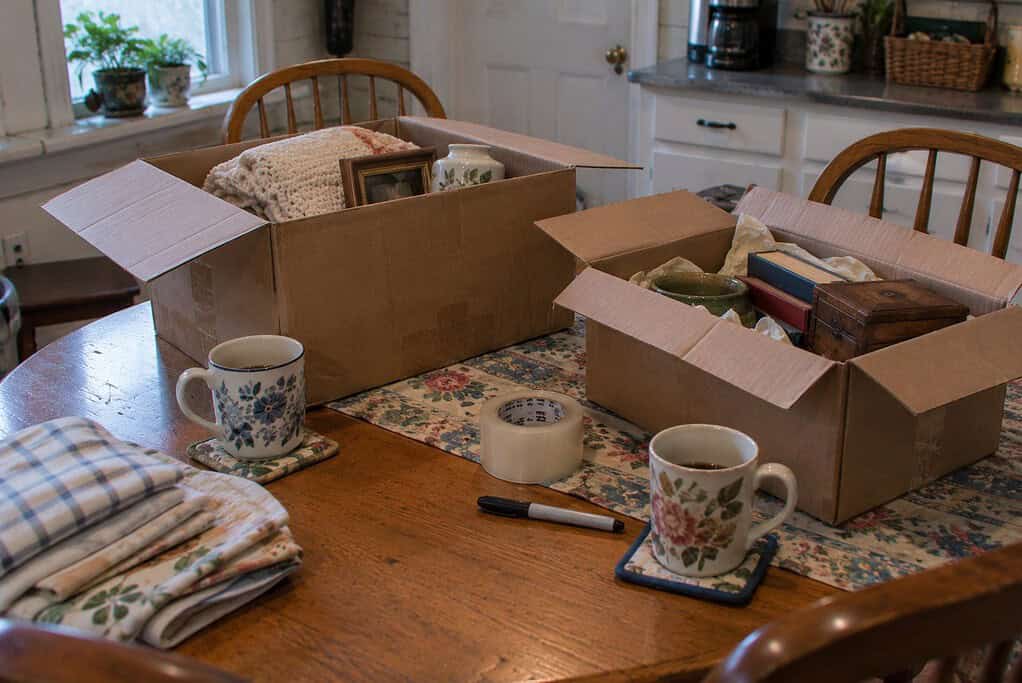
I’m a lot like her. When it was time to empty her house, I tried to do it all myself.
I couldn’t. I was worn out, and I was lonely doing it.
Now I ask for help, and I’m glad I do. My sister helped me sort Mom’s boxes on weekends. Now my grandson carries the heavy things, and my husband gets things down from the high shelves.
Asking for help doesn’t mean you can’t do it. It means you’re doing it the smart way.
Myth 8: “I’ll Start When Things Calm Down”
For years, I waited for a calm week to start.
After the holidays. After the grandkids’ visit. After my knee healed.
That calm week never came. There was always something.
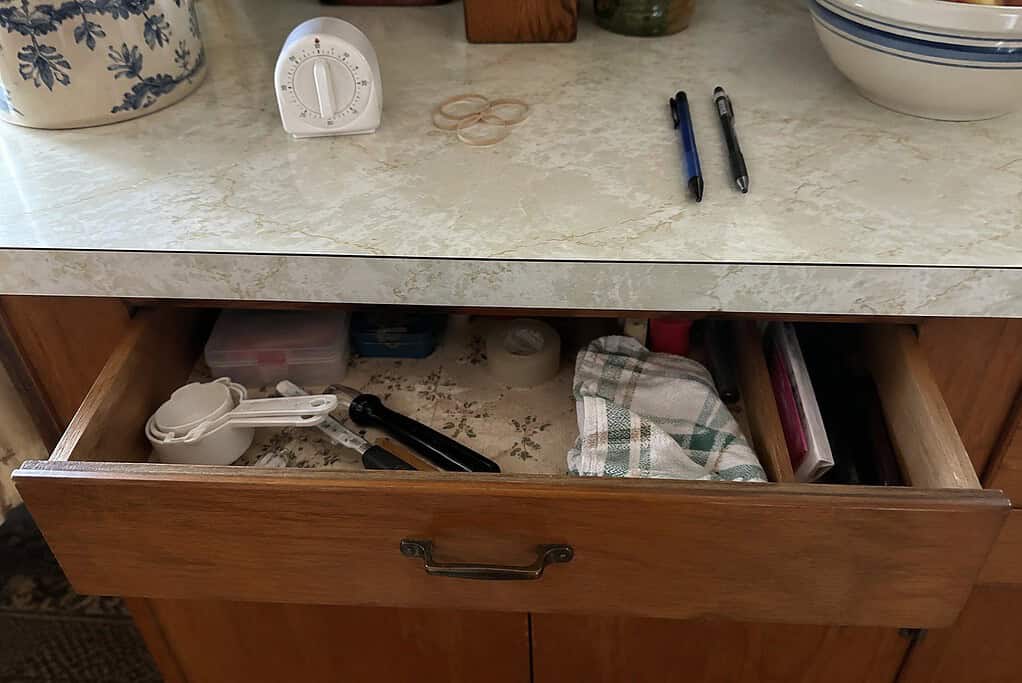
What finally worked was starting small, right in the middle of my busy life. Ten minutes during the evening news. One drawer, one shelf, one bag.
Those little bits added up faster than I ever expected. I wrote about how a few minutes a day can work in my post on the 5-minute decluttering rule.
You don’t need a calm week. You just need ten minutes and one small spot.
Myth 9: “A Decluttered House Has to Look Like a Magazine”
I used to look at pictures of bare white rooms and think, “I could never live like that.” So I never started.
I thought decluttering meant empty counters, matching baskets and nothing on the walls. That isn’t my house, and it never will be.
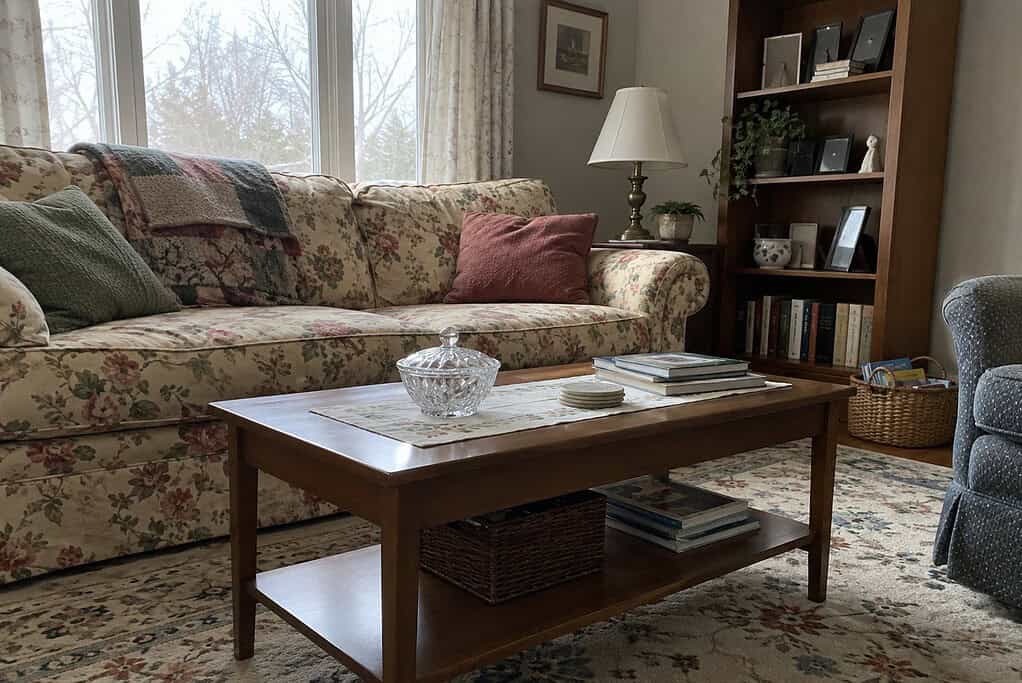
My house still has family photos on every shelf. There’s a candy dish on the coffee table and a basket of board books for the little ones.
Decluttering didn’t make my home look like a magazine. It made it look like us, just with room to breathe and things I can find.
Your home gets to look like you, too. Keep the things that make it feel like home, and let go of the things that just fill it up.
How I Catch a Myth Now
These days, when I’m holding something and I can’t decide, I listen for the reason I give myself. If it sounds like one of these old myths, I stop and ask three plain questions.
Do I use it? Do I love it? Do I have room for it?
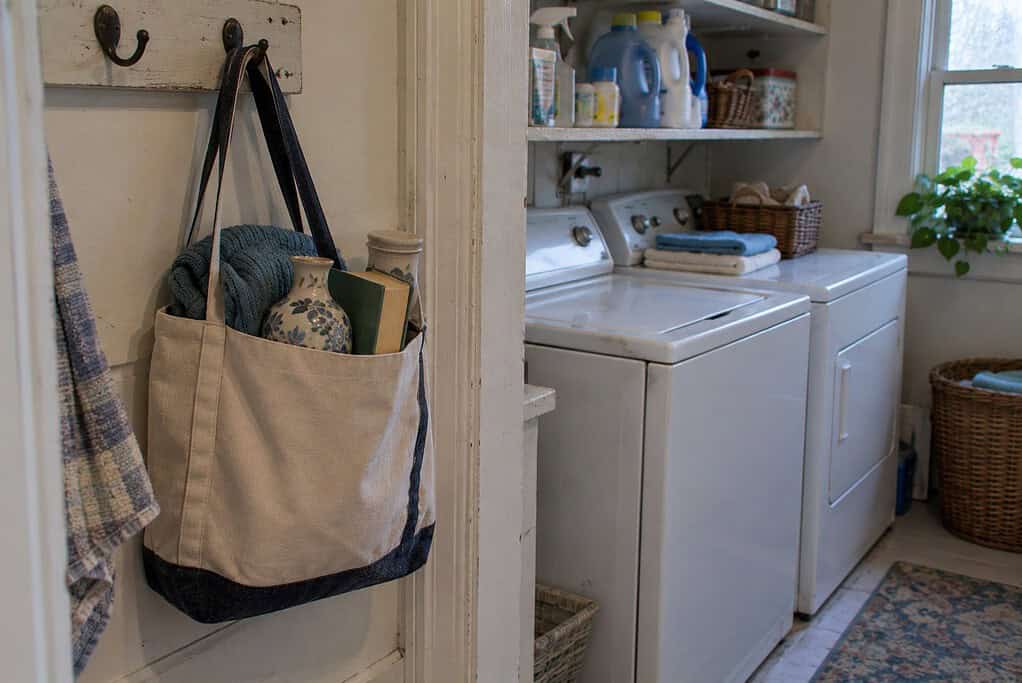
If the answer to all three is no, the old myth loses. The thing goes in the donation tote, and I move on to the next one.
If I’m still stuck, I set it aside and come back another day. I wrote more about how I make these choices in my post on how to decide what to keep when decluttering.
What I Believe Now
When I look back, every one of these myths had the same thing in common. They made decluttering sound BIGGER and HARDER than it really is.
Now I believe a few simpler things.
It’s never too late, and ten minutes counts.
My memories live in me, not in my closets. And a thing that’s being used is worth more than a thing that’s being saved.
I’ve also learned that most of the old decluttering rules can bend to fit your life. I shared the ones I’ve stopped following in my post on decluttering rules.
Lighter Than I Thought It Would Be
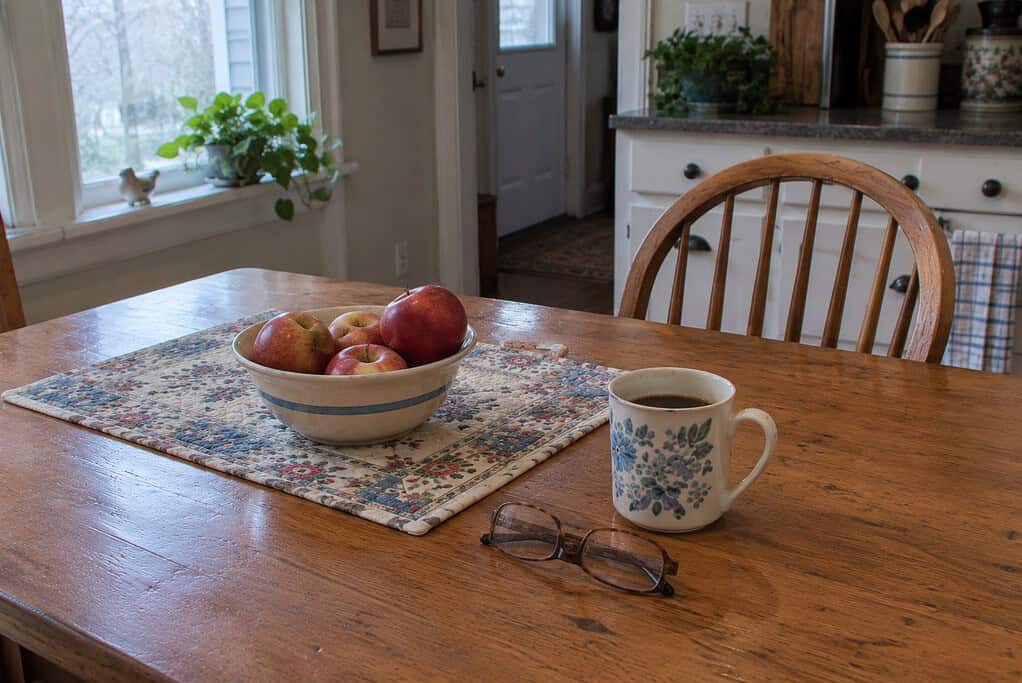
This morning, I sat at my kitchen table with my coffee. The table was clear, except for a bowl of apples and my reading glasses.
I thought about all the years I spent believing these myths. All the boxes I kept “just in case” and all the weeks I waited to start.
I don’t feel bad about it. I just feel glad I finally know better.
If you’ve been believing any of these, you can let them go today, the same way you’d let go of an old sweater that doesn’t fit anymore. Then pick one small spot and start.
A Little Help for the First Ten Minutes

Once the old myths are out of the way, starting is easier than you think.
My free Declutter for Self Care Checklist breaks your home into small, gentle jobs. Pick one, give it ten minutes, and stop while you still feel good.
Frequently Asked Questions
What are the most common decluttering myths?
Some common ones are that it’s too late to start, that a clean house can’t be cluttered, that keeping things is less wasteful than giving them away, and that you need a free week to begin. None of these are true, and believing them can keep you stuck.
Is it too late to start decluttering in your 70s or 80s?
No. Many people declutter well into their 80s by doing one small job a day, sitting down, and stopping while they still feel fine. Asking family or friends to help with lifting and carrying makes it easier.
Does everything I donate get used?
Not always. Thrift stores can only sell clean, working items, and some things they can’t sell end up recycled or thrown away. Give things in good shape, with all the pieces, and call ahead before dropping off large items.
Can clutter affect how you feel?
Many people find that clutter makes them feel tired, stressed or behind. A small UCLA study found that women who described their homes as cluttered showed signs of more stress during the day. Clearing even one spot can help you feel lighter.
How do I start decluttering when I’m busy?
Start small. Set a timer for ten minutes and clear one drawer, shelf or bag. Short sessions are easier to fit into a busy week, and they add up faster than you might think.
Follow me elsewhere!

