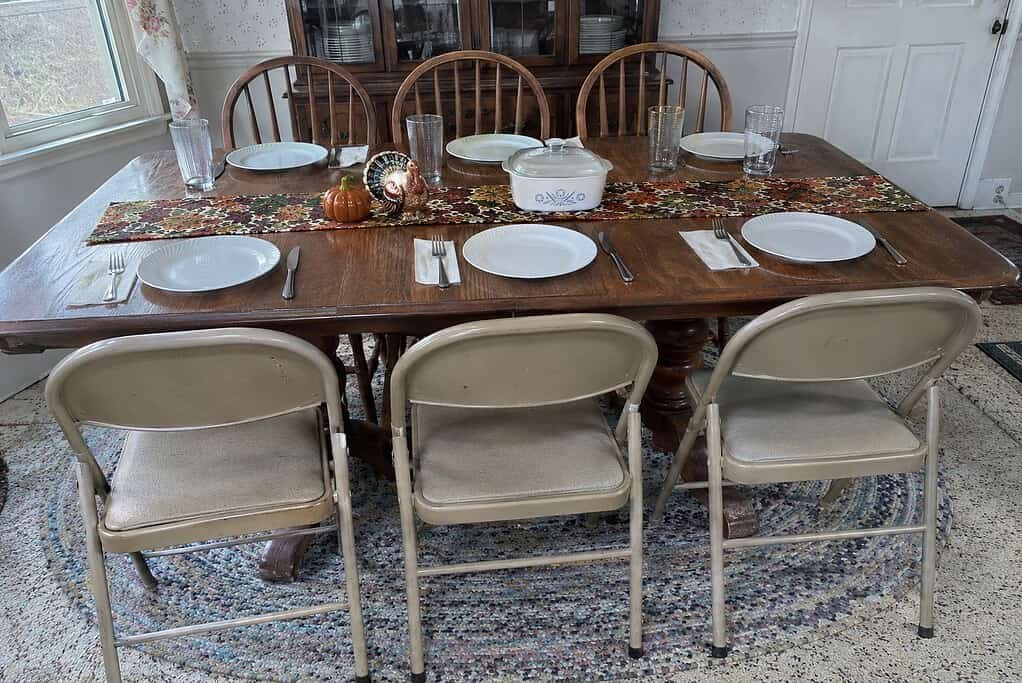
The year I gave away our extra folding chairs, three of our cousins had to stand at Thanksgiving dinner.
They held their plates and ate by the kitchen counter. We all laughed about it. My husband still brings it up.
So I can’t tell you it never happens. You toss a thing, and then one day you need it. It happened to me.
But I can tell you what happened next. I walked next door and asked my neighbor if we could borrow her chairs, and she said yes.
That’s about the size of it, most of the time. What if I need it later? You find a way, and it’s usually much smaller than you feared.
Why This Fear Makes So Much Sense
You aren’t silly for feeling this way. Most of us grew up saving things because saving was smart.
My mother’s parents lived through the Great Depression. I wrote about what she saved in the things our generation was told to keep.
And sometimes the keeping pays off. My husband has a pile in the garage that he calls “might need it.”
One day our faucet started to leak. He fixed it with parts from that pile.
He was very pleased with himself. (I heard about it twice that night.)
So the fear isn’t foolish. You really might need that thing someday. The better question is what happens if you do.
How Often It Really Happens
I’ve been clearing out my home for years now. I sat down one day and tried to list everything I’ve missed.
I got one thing. It was the folding chairs.
I haven’t missed the extra pans, the clothes that didn’t fit or the gadgets I used once. I wrote about that in the things nobody tells you about decluttering, and it’s still true.
Your list may look different from mine. You might miss two things, or five.
But think of how many things you’d be clearing to get there. That’s a lot of room for one or two small trips next door.
Things I Was Sure I’d Need
I was so sure about some of these. I can still remember how I felt holding them.
My old bread maker sat in a cabinet for two years, because I might want fresh bread again. It left my house in four hours, and I’ve been fine with bread from the store. I told that story in what to do with old small appliances.
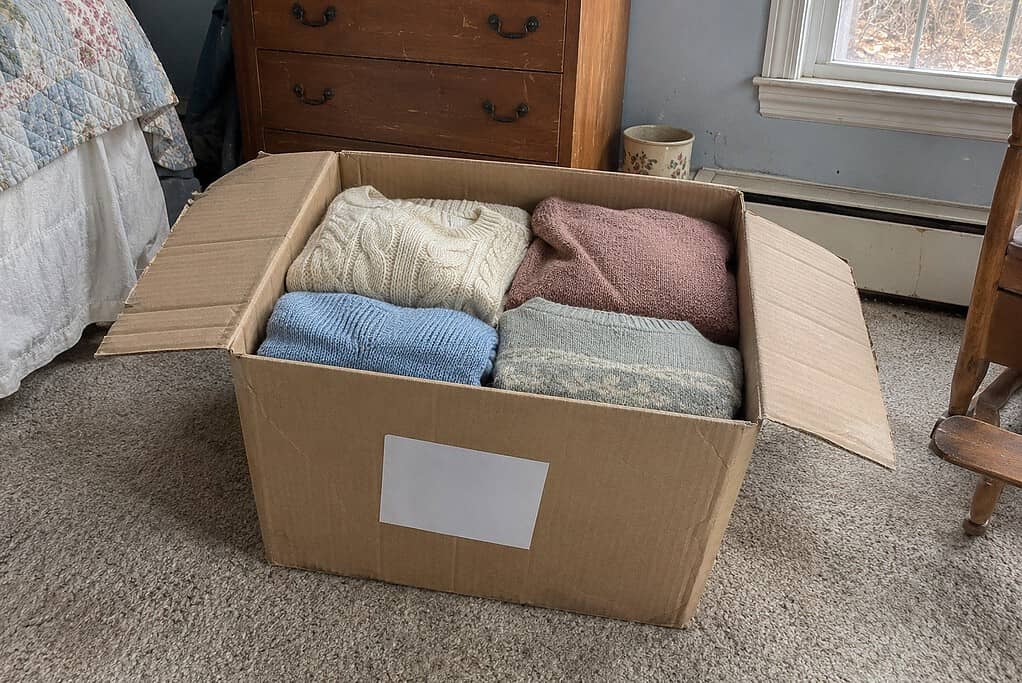
I had a box of sweaters marked “Too small, for now.” I kept that box for a long time. I really meant the “for now” part. They went to our church clothing closet, and I haven’t gone looking for one yet.
Then there were the empty boxes from things we’d bought. I saved them in case something had to go back. (Most of those things had long since stopped working, and the boxes were still in fine shape.)
None of these were bad things to own. I just kept waiting for a day that never came, and they kept taking up room while I waited.
Keeping It Doesn’t Mean You Can Find It
This one surprised me more than anything.
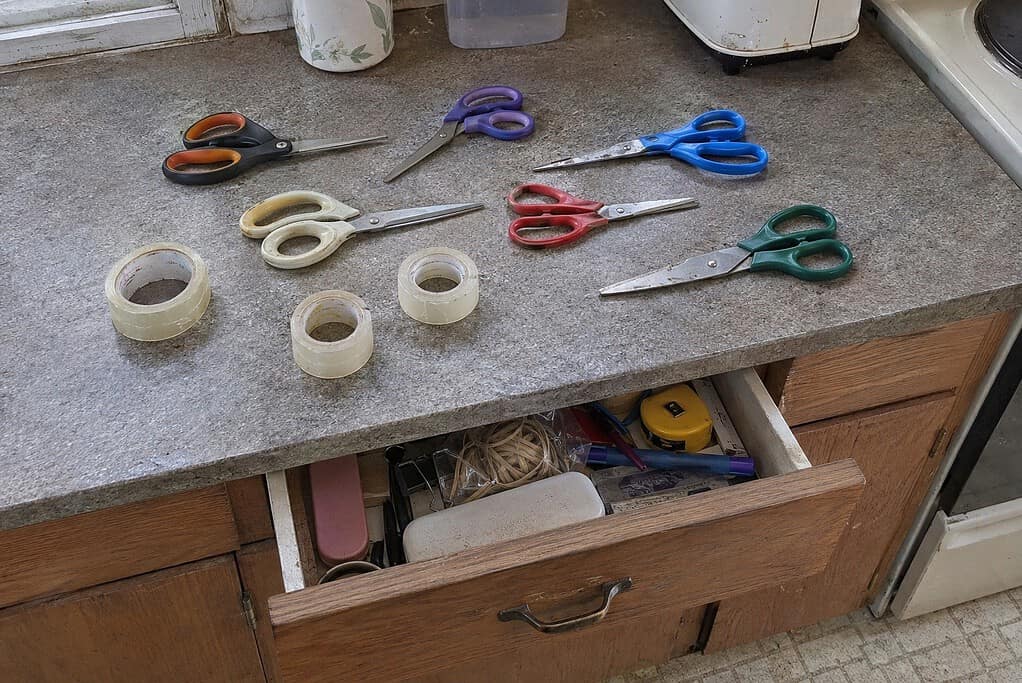
One day my granddaughter and I couldn’t find the scissors, so I bought a new pair. Then I started clearing the house, and I found five more.
Two were in the junk drawer. One was in my sewing basket, one was in the laundry room and one was in a coat pocket. (I still don’t know how that last one got there.)
Tape did the same thing to me. I once drove to the store for a roll, because I couldn’t find the two I already owned. I told that story in what keeping it all really costs.
So I had kept those things just in case. And when the case came, I bought a new one anyway.
A thing you can’t find can’t help you. When I have fewer things, I can see what I own. That has saved me more trips to the store than all my saving ever did.
What I Do If I Really Do Need It
This is the part that took the fear away for me. I stopped asking, “What if I need it?” and started asking, “Then what would I do?”
I go down this list in order. I rarely get past the second or third step.
First, I Ask Someone Close By
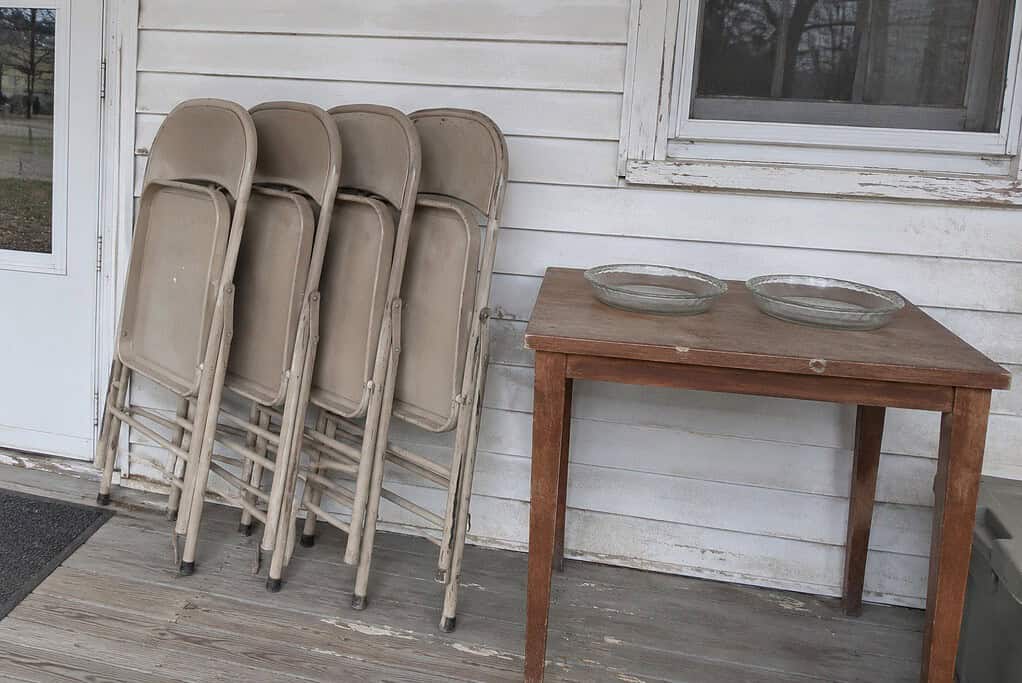
My neighbor lends us folding chairs when we need them. We lend her our pie plates. That fixed the whole Thanksgiving problem.
Most people like being asked. It gives you a reason to knock on a door and say hello. (I got a nice long visit out of those chairs.)
Your sister, your son or a friend from church may have the very thing you need. They may be glad to see it get used.
Then I Think About the Library
Some public libraries now lend more than books. Depending on where you live, you might find cake pans, garden tools or a drill.
Not every library has this, and the rules are different from place to place. You’ll usually need a library card. A quick call will tell you what yours has.
I Ask Around Town
Many towns have a Buy Nothing group or another free group online. Neighbors give things away for free, and you can also post what you’re looking for.
You might be surprised how fast someone answers. A lot of folks are trying to clear out the same things you are.
For Medical Things, I’d Try a Loan Closet
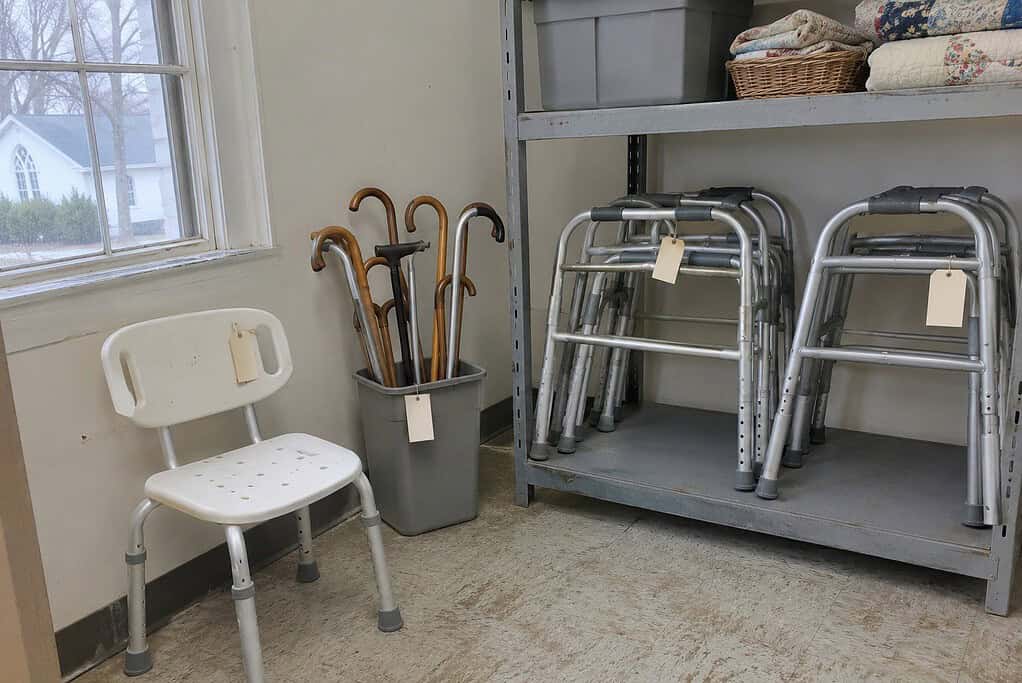
This one is good to know about, even if you don’t need it today. Many churches, senior centers and Lions Clubs run a loan closet.
They lend things like walkers, canes, wheelchairs and shower chairs, and many do it for free. Call first, since each one has its own rules and may not have what you need that week.
So you don’t have to keep a walker in the attic for twenty years just in case. Someone nearby may have a whole closet of them.
Last, I Buy One
Sometimes the easy answer is just to buy it. A thrift store is a good first stop, since it’s full of the same things you’ve been giving away.
If you do buy one new, that’s okay too. That roll of tape cost me about four dollars.
I think of it this way. Is it worth a few dollars, once in a long while, to have that closet back every single day? For me, it is.
Three Questions I Ask Before It Goes
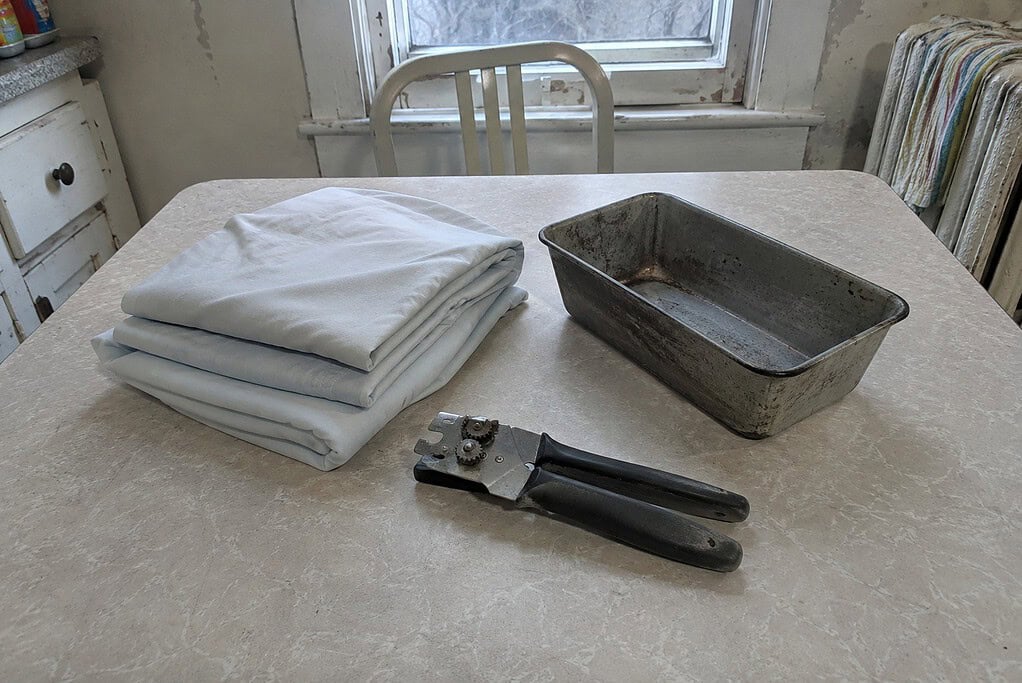
When I’m stuck on something, I hold it in my hands and ask three plain questions.
Who could I ask if I needed this? What would it cost me to get another one? How long could I wait for it?
If I have a good answer to all three, it goes. If I can’t borrow it, can’t afford to replace it or can’t wait for it, it stays. Then I stop worrying about it, because I know why I kept it.
Most things pass in a few seconds. An extra can opener passes. So does a third set of sheets, or a bread pan I’ve used twice since we got married.
While you’re asking, think about what the keeping costs you, too. I used to move a stack of things to reach the one thing I wanted. I dusted them, stepped around them and felt a little tired every time I opened that door.
That cost me something every day. The thing I was afraid of might cost me a few dollars, one time.
What I Keep Extra on Purpose
This isn’t about getting rid of everything. Some things are worth keeping, even if they just sit there for years. The trick is to choose them on purpose.
Things I’d Need in an Emergency
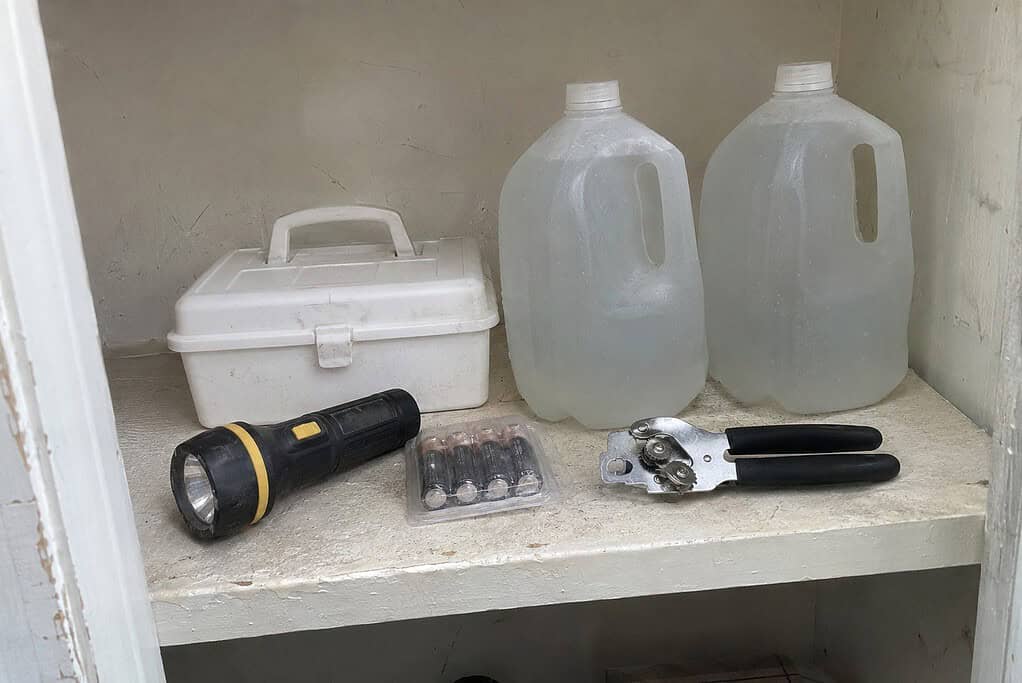
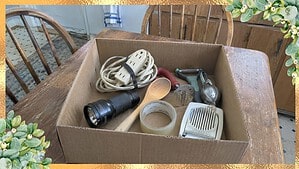
You can’t borrow a flashlight in the dark when the power is out and the whole street is out too. So we keep a small kit together in one spot.
Ready.gov lists a flashlight, extra batteries, a first aid kit and a hand can opener, among other things. It also says to store one gallon of water per person per day, for several days.
Papers I’d Have Trouble Replacing
I keep our important papers, and I keep them together. For tax records, the IRS says three years is the usual rule, though some cases call for longer. Ask your tax helper if you aren’t sure.
I also kept the paper manuals for our dishwasher and furnace. When something starts beeping at seven in the morning, I don’t want to hunt for it online. There’s more in what to do with old owner’s manuals.
Things Nobody Could Replace
No store sells my mother’s tin recipe box. If I gave it away, I could never get it back. That’s what I call a real reason to keep something, and I wrote about others in what not to declutter.
My Husband’s Coffee Cans
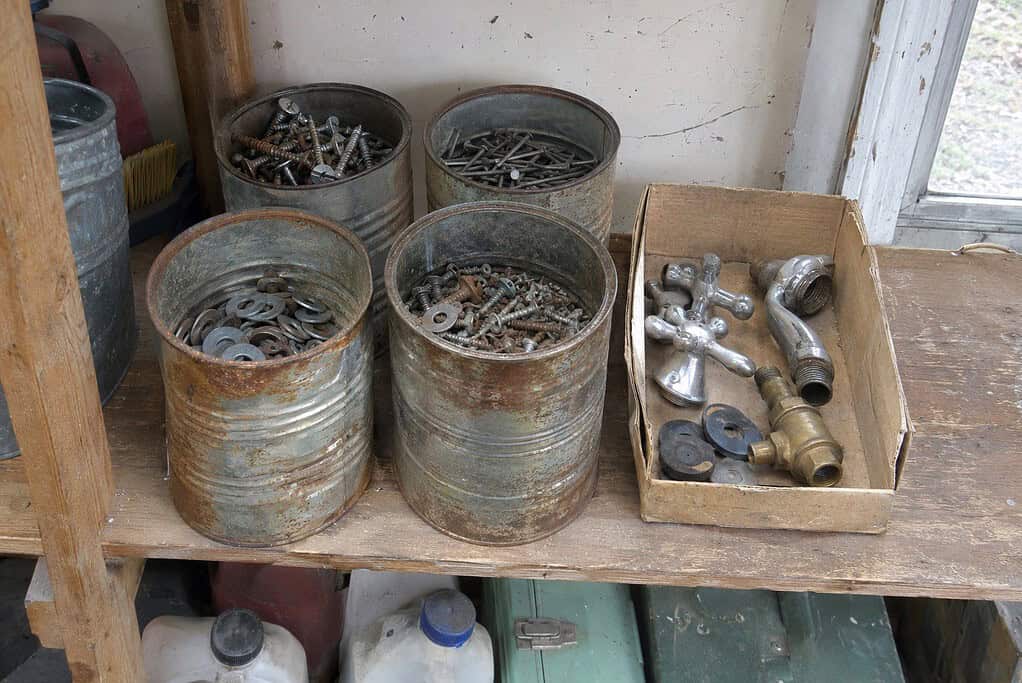
The garage is my husband’s call, so the screws stay. He earned them with that faucet.
If You’re Still Scared, Try a Maybe Box
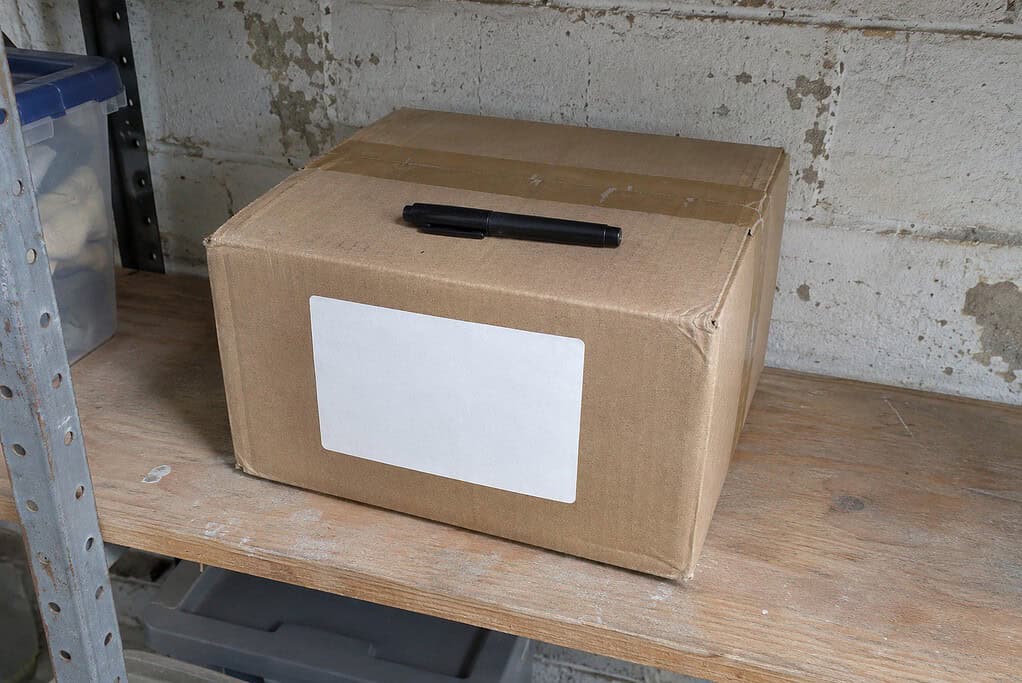
Some things you just can’t decide on yet. That’s okay. You don’t have to be brave about all of it today.
Put those things in a box and tape it shut. Write a date on it, six months from today, and put the box out of your way.
If you have to open the box to get something, take that thing out and keep it. When the date comes, let the rest go without looking inside.
You went six months without those things, so you can pass them along with a clear head. If they aren’t good enough to give, it’s okay to throw them away.
What’s in That Spot Now
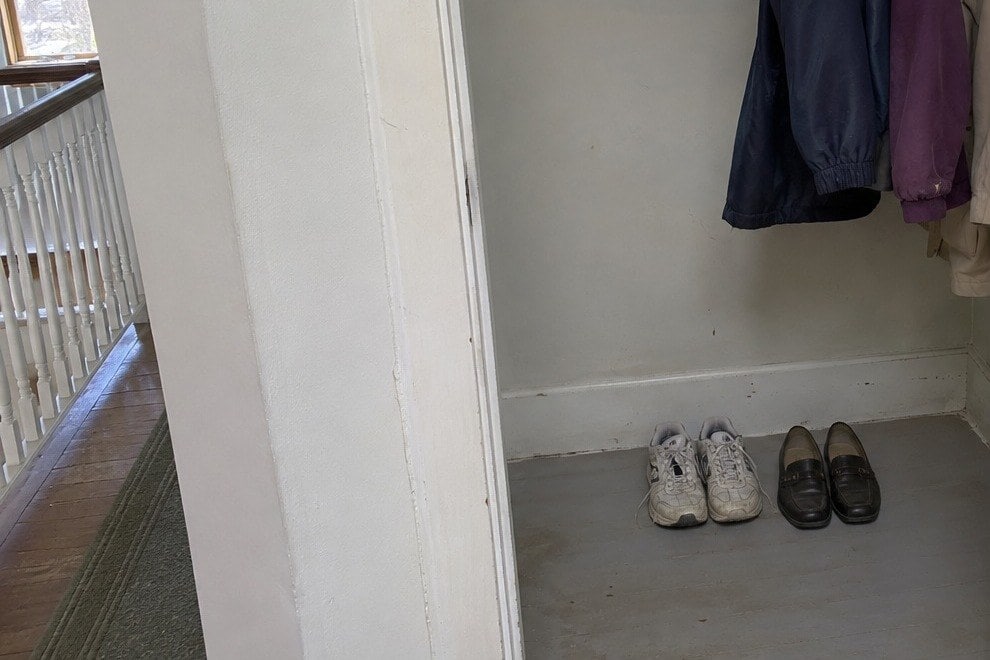
Last Thanksgiving, my husband carried four folding chairs over from next door. It took him about ten minutes. Everyone sat down, and nobody ate at the counter.
We took the chairs back that weekend. Those chairs used to lean inside my hall closet, and now my walking shoes sit right there on the floor. I don’t have to move anything to get to them, which is a lot easier on my knee.
I think about that small clear space more than I ever think about the chairs. It’s one small way I take care of myself now. I don’t lie awake worrying about the things I gave away.
If I need one of them someday, I know what I’ll do. I’ll knock on a door and say hello.

You don’t have to start with the hard things. Start with the ones you could easily borrow or buy again, and you’ll see how little you miss them.
My free Declutter for Self Care Checklist breaks your home into small, gentle jobs. Pick one small spot today, and let that be enough.
Frequently Asked Questions
What if I need it later after I declutter it?
Most of the time, you can borrow it from a friend or neighbor. You can also find it at a thrift store, or buy a new one for a small cost. It may happen once or twice, but it’s usually a small problem with an easy fix.
How do I stop keeping things just in case?
Ask who you could borrow it from, what another one would cost and how long you could wait for it. If you have good answers, you can let it go. Keep the things you really couldn’t replace.
What should I keep just in case?
Keep an emergency kit, your important papers and things nobody could replace, like family keepsakes. Ready.gov lists what goes in a basic kit, such as a flashlight, extra batteries and a first aid kit.
Where can I borrow things instead of keeping them?
Start with family, friends and neighbors. Some public libraries lend tools and kitchen items.
Many churches and senior centers run loan closets for walkers, canes and shower chairs. Call and ask what they have.
What if I can’t decide whether to keep something?
Put it in a box, tape it shut and write a date on it, six months from now. If you need something, take it out and keep it. When the date comes, let the rest go without looking inside.
Follow me elsewhere!

