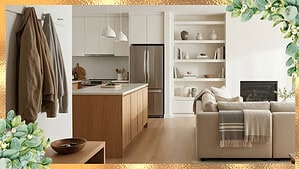
Have you ever walked into someone's home and just felt the difference?
No piles on the counter. No stack of mail by the door. Everything in its place, and the whole house just feels calm.
And you find yourself wondering — how do they actually keep it this way?
I used to think people like that were just naturally tidy. That it was some personality trait they were born with and the rest of us weren't. But the more I paid attention, the more I realized it had nothing to do with personality.
It wasn't that they cleaned more than everyone else. It wasn't that they had fancier storage or bigger closets. They just did certain things differently.
Small, consistent things that most people overlook entirely.
I started noticing patterns. The same habits showing up in every home that always seemed calm and easy to manage. And once I started applying them to my own home, the difference was hard to ignore.
Here are the 7 things that stood out the most.
What They All Seem to Have in Common
These aren't complicated systems or expensive solutions. They're small, repeated behaviors that add up over time.
And every single one of them can be learned.
1. They Put Things Back Immediately After Using Them
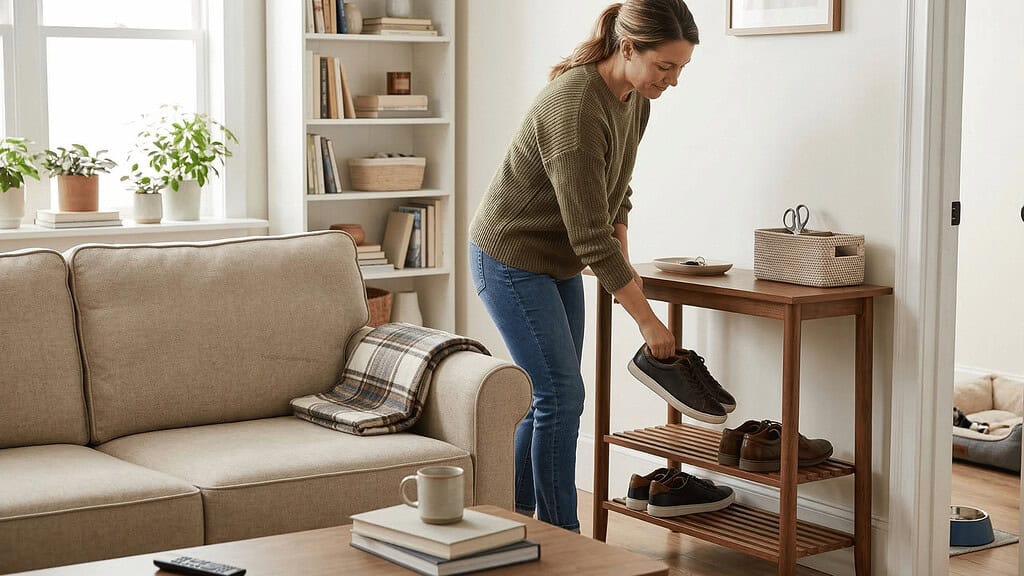
This one sounds so simple that it's easy to dismiss. But it's the habit that makes the biggest difference in how a home looks and feels on any given day.
People with always-organized homes rarely let things sit where they don't belong. The scissors go back in the drawer the moment they're done with them. The throw blanket gets folded and put back on the couch after the movie ends. The shoes go straight to the rack at the door (not the floor next to it).
I noticed this first at my neighbor's house. She has four kids and a dog, and her living room always looks the same no matter what time of day I stop by.
I finally asked her about it once and she laughed. “I just put things back,” she said. “Every time, right away.”
It sounds too easy. But most household clutter doesn't come from big messes. It comes from small things that get set down in the wrong spot and then stay there for days because moving them keeps getting pushed to later.
Later has a way of turning into never.
2. Everything in Their Home Has a Designated Spot
If putting things back immediately is the habit, having a designated spot for everything is what makes that habit actually possible.
You can't put something back if it doesn't have a home.
I used to have a junk drawer in my kitchen (and if I'm being honest, a junk counter, a junk shelf, and a junk corner in the living room too).
Things ended up there because they had nowhere else to go. And once something lands in a junk pile, it tends to stay there until the pile gets so big it becomes a problem.
People with organized homes are very deliberate about this. Every category of item has a specific place.
The batteries are always in the same drawer. The scissors are always in the same spot. The chargers, the keys, the mail that needs to be dealt with — all of it has a designated landing spot.
What I noticed is that it's not about having a perfectly labeled, color-coded system. It's just about making a decision ahead of time about where things live.
And once that decision is made and everyone in the house knows it, things stop getting set down randomly because there's already an obvious place for them to go.
If something in your home doesn't have a spot, it will always end up somewhere it doesn't belong.
Giving it a home is the first step to keeping it there.
3. They Deal With Incoming Clutter Right Away
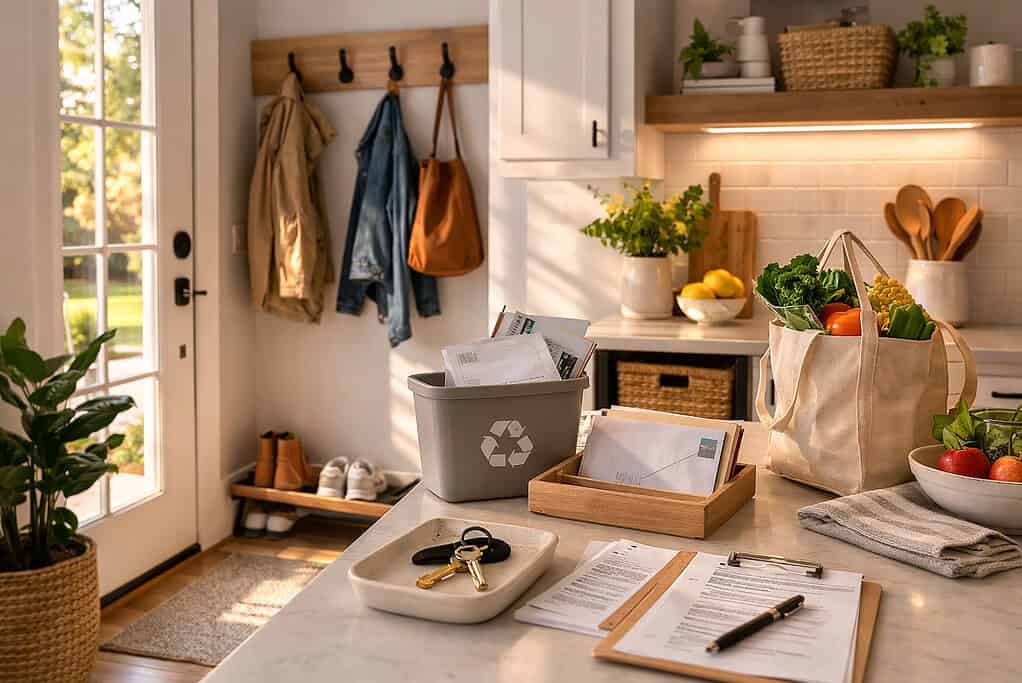
This is the one that made the most sense to me once I finally saw it in action.
Most clutter doesn't start as clutter. It starts as one thing — the mail from today, the shopping bag from this afternoon, the jacket that just came off, the permission slip that needs a signature.
Each one is a small, manageable thing on its own. But when none of them get dealt with immediately, they pile up fast.
People with organized homes have a very short window between “this came in” and “this has been dealt with.”
The mail gets sorted the moment it comes through the door (junk straight to the recycling, bills to the designated spot, anything that needs action dealt with that day). The shopping bag gets unpacked and put away before they sit down. The jacket goes on the hook, not the chair.
I used to let incoming things sit because dealing with them felt like one more task at the end of an already long day.
What I didn't realize was that letting them sit was creating a much bigger task later — sorting through a week's worth of accumulated stuff instead of two minutes of dealing with it the day it arrived.
The pile on the counter doesn't build up all at once. It builds up one small thing at a time, over several days, until it's too big to ignore.
Dealing with things the moment they come in is what keeps that pile from ever starting.
4. They Don't Buy Things They Don't Need
This one is harder than it sounds.
Not because people don't know they're doing it, but because buying things feels productive. A new set of bins for the closet. A second dish rack because the first one is always full. A cute little basket on clearance that would look perfect on the shelf (until it becomes one more thing to dust and work around).
People with organized homes are very deliberate gatekeepers about what comes through the door. They don't pick things up on impulse. They don't buy something just because it's on sale or because it might be useful someday.
Before anything new comes in, they already know exactly where it's going and why they need it.
I noticed this about my friend Carol once when we were out shopping together. She picked up a really nice serving bowl, turned it over, looked at it for a minute, and put it back. I asked her why and she said “I already have one that works fine.”
That was it. No second-guessing, no “but this one is prettier.” She already had one that worked, so this one stayed on the shelf.
It sounds simple. But that kind of thinking, applied consistently over time, is a big part of why some homes stay manageable while others slowly fill up without anyone quite understanding how it happened.
5. They Let Go of Things That No Longer Serve Them
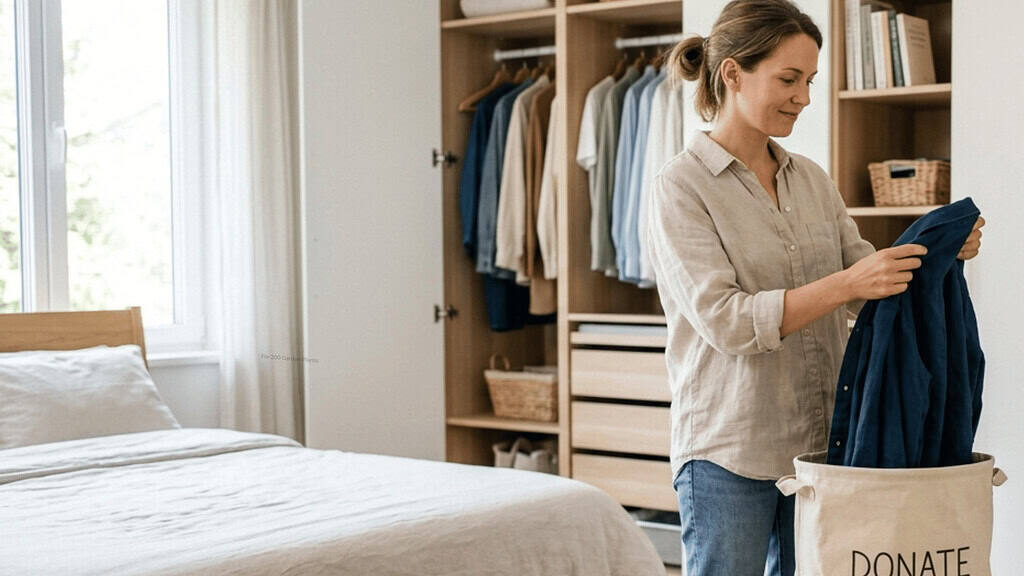
Organized people don't hold onto things out of guilt or obligation. That's the part that took me the longest to understand.
It's not that they're cold about it or that nothing has sentimental value to them. It's that they've gotten comfortable with the idea that something can have served its purpose and be done.
The jacket that hasn't been worn in two years. The kitchen gadget that seemed like a great idea at the time (but has lived in the back of the drawer ever since). The books that were read once and won't be read again.
People who always have organized homes make a habit of asking themselves regularly whether something still has a place in their life. And when the honest answer is no, they let it go without dragging it out.
What I noticed is that they don't wait for a big decluttering day to do this either. It happens in small moments. They open a drawer, spot something they haven't touched in months, and it goes in the donation bag that same day.
Holding onto things that no longer serve you doesn't honor the item and it doesn't help you. It just quietly takes up space that something useful could be using — or that could simply be left empty, which is its own kind of relief.
6. They Own Less Than You Might Expect
This was probably the most surprising thing I noticed.
When I walked into the homes of people who always seemed organized, the first thing I noticed wasn't how neatly everything was arranged. It was how much less stuff there was compared to what I was used to seeing in most homes — including my own.
Not empty. Not sparse in a way that felt cold or unwelcoming. Just enough. Every room had what it needed and not much more.
I used to think organized people just had better systems for managing a lot of stuff. But the more I paid attention, the more I realized that the system wasn't the thing. The smaller amount of stuff was the thing. When you own less, there's simply less to manage, less to put away, less to lose, and less to clean around.
One woman I know has a kitchen that always looks effortlessly tidy. Her counters are almost completely clear (a coffee maker, a fruit bowl, and that's it). I asked her once if she just cleaned it before I came over. She laughed and said that's just how it looks because she doesn't keep things she doesn't use regularly on the counter.
It sounds obvious when someone says it out loud. But most of us have counters covered in appliances, decorative items, and things that just landed there and never left.
Owning less isn't about deprivation. It's about only keeping what actually belongs in your daily life.
7. They Do a Small Reset Every Single Day
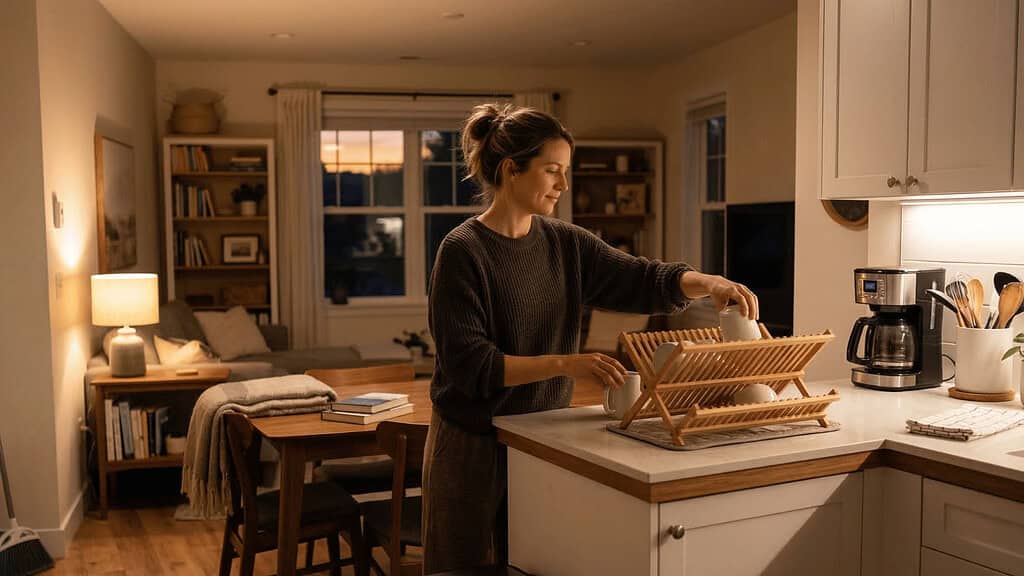
This is the habit that keeps everything else from unraveling.
No matter how good the other habits are, life still happens. A busy week, a houseful of guests, a few days where putting things back immediately just didn't happen. The difference between an organized home and one that slowly slides back into chaos is what happens at the end of the day.
People with always-organized homes do a small reset. Not a full clean, not a big decluttering session. Just a ten or fifteen minute walk through the house before bed to put things back where they belong, deal with anything that came in that day, and start tomorrow with a clear surface.
I started doing this about two years ago (after years of telling myself I was too tired at the end of the day) and it changed how my mornings felt more than anything else I'd tried.
Waking up to a reasonably tidy kitchen and a clear counter made the start of the day feel calmer before I'd even had my coffee.
The reset doesn't have to be perfect. It just has to happen consistently enough that the small things don't pile up into a big thing.
Most organized homes don't stay that way because someone spends hours cleaning every weekend.
They stay that way because someone spends ten minutes every evening making sure tomorrow starts a little easier than today ended.
It Was Never About Being a Tidy Person
None of the people I've observed with always-organized homes were born that way. They just built habits that made staying organized easier than letting things slide.
That's the part worth holding onto.
It's not about having a certain personality or a gift for neatness. It's about small, repeated decisions — putting things back, dealing with incoming clutter right away, letting go of what no longer belongs.
Done consistently, those small decisions add up to a home that feels calm and manageable without requiring a whole weekend to get it back in order.
Pick one thing from this list that feels the most doable right now. Just one. Practice it until it feels natural, then add another.
That's how the people with always-organized homes got there. Not all at once, but one small habit at a time.
Start With the Clutter First

These habits work best in a home that isn't already buried under years of accumulated stuff. My free Declutter for Self Care Checklist is the starting point.
A clear, simple guide that will help you clear the clutter before you build anything on top of it.
Frequently Asked Questions
How do you have an organized home?
It starts with two things — owning less than you think you need, and building small daily habits that keep clutter from building back up. Having a designated spot for everything, putting things back immediately after using them, and doing a short reset at the end of each day are the habits that make the biggest difference over time.
How do I start keeping my home organized when it's already a mess?
Start with one small area, not the whole house. A single drawer, one shelf, one corner of a room. Clear it out, give everything in it a designated spot, and keep it that way for a week before moving on to the next area. Trying to tackle everything at once is what leads most people to give up before they finish.
How do I stay organized when life gets busy?
The daily reset is the habit that holds everything together when life gets hectic. Even ten minutes at the end of the day to put things back, deal with anything that came in, and clear the main surfaces keeps small messes from turning into big ones. It doesn't have to be perfect — it just has to happen consistently.
How do you organize a very small home?
In a small home, what you own matters more than how you store it. The less you have, the easier it is to keep organized regardless of how much space you're working with. Start by letting go of anything that doesn't earn its place, then find a designated spot for everything that stays. Vertical storage, multi-purpose furniture, and keeping surfaces as clear as possible all help in tight spaces.
How do you organize a minimalist house?
A minimalist home stays organized because there simply isn't much to manage. The key is being very deliberate about what comes in — only buying what you need, letting go of things that no longer serve you, and resisting the urge to fill empty space just because it's there. Once the amount of stuff is under control, the organizing part takes care of itself.
Follow me elsewhere!

